Flowers
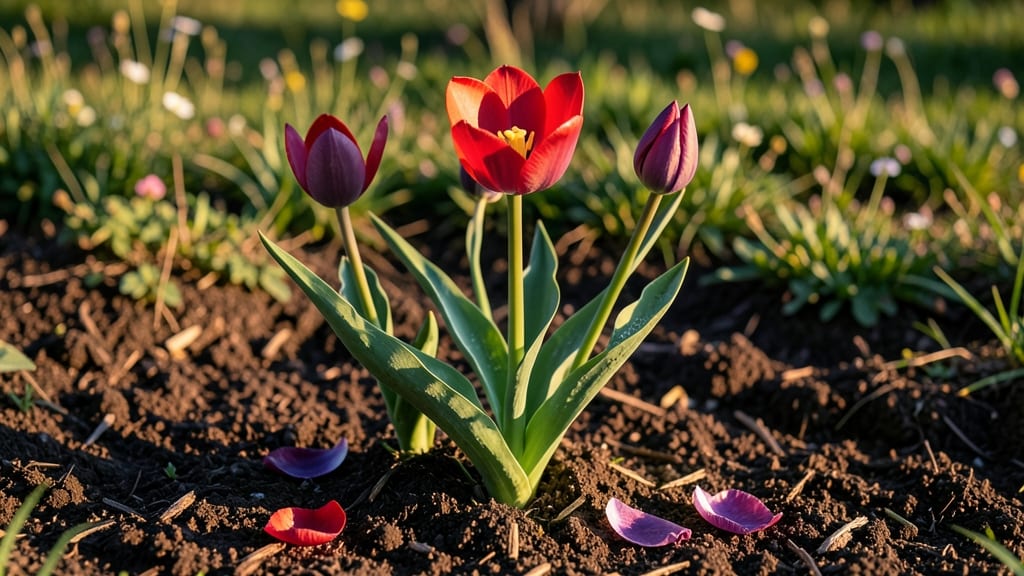
Spring flower beds burst into life when you choose frost-resistant varieties like hellebores, crocuses, and winter aconites—those early bloomers that refuse to wait for summer. 🌱 I’ve learned the hard way that skipping soil prep in early spring means muddy messes and weak stems, but with the right timing and a few key tricks, your beds will stay vibrant from late winter through fall.
The secret isn’t complicated: start prepping soil in late winter (as soon as it’s workable), mix in 2-3 inches of compost, and mulch with 3 inches of shredded bark to protect roots from temperature swings.
Frost-resistant flowers thrive when planted 4-6 weeks before your last frost date, giving them time to establish before heat arrives—no more wilting surprises.
By mid-spring, you’ll have beds bursting with layered colors—deep purples, sunny yellows, and soft pinks—that attract pollinators and keep blooming until frost. The key is succession planting: swap out early bloomers like pansies with heat-lovers like zinnias by June, and your garden stays lively without gaps.
This approach works for sunny borders, shady corners, or container gardens—just adjust mulch thickness for your climate. Whether you’re a first-timer or a seasoned gardener, these beds demand less fuss and deliver more color than you’d expect. Let’s get those bulbs and seeds in the ground!
📚 In This Guide
- What you need
- Instructions
- Tips and common mistakes
- Wrapping up and next steps
What you need
- ● Frost-resistant flower bulbs/seeds: Choose from tulips, daffodils, crocuses, hellebores, or alliums (3–5 bulbs per square foot for full coverage). Opt for USDA Zone 3–7 hardy varieties for resilience.
- ● High-quality potting soil: 2–3 cubic yards (for a 4’x8’ bed). Look for well-draining, organic-rich soil (e.g., Miracle-Gro Garden Soil or FoxFarm Ocean Forest).
- ● Mulch: 2–3 inches of pine straw, shredded bark, or compost to retain moisture and regulate soil temperature.
- ● Compost or slow-release fertilizer: 5–10 lbs (e.g., 10-10-10 NPK ratio) to nourish roots without burning plants.
- ● Garden trowel or hand fork (for planting bulbs).
- ● Garden gloves (to protect hands from thorns or soil).
- ● Wheelbarrow or bucket (for hauling soil/mulch).
- ● Watering can or hose with adjustable nozzle (gentle watering is key!).
- ● Rake or bow saw (to level ground or trim mulch).
- ● Edging tools or landscape fabric to define beds and suppress weeds.
- ● Decorative stones or pebbles for a polished look (e.g., river rocks or slate chips).
- ● Drip irrigation kit for automated watering (great for busy gardeners!).
- ● Plant labels to track varieties and care needs.
Step-by-step guide for designing frost-resistant spring flower beds
Here's how to create vibrant, resilient beds that bloom early and last all season.
🌱 Step 1: Choose Frost-Tolerant Plant Varieties
Select plants known for cold resistance like pansies, primroses, and snapdragons—these thrive in temperatures down to 25°F. I always check USDA hardiness zones for my region and pick varieties rated at least one zone colder than my local minimum. For example, in Zone 5, I opt for 'Blue Boy' pansies or 'Jack Frost' primroses that promise color even under light frost.
Group plants by height and bloom time to create visual layers. Place taller varieties like delphiniums at the back, mid-height like tulips in the middle, and low-growing annuals like alyssum in front. This arrangement ensures every season shows off its best while maintaining structural balance. I sketch a rough layout first, adjusting for sun exposure patterns in my yard.
🪴 Step 2: Prepare Soil and Planting Spaces
Test your soil's drainage and pH before planting. Frost-resistant flowers prefer well-draining soil with a pH between 6.0 and 7.0. I use a soil test kit from my local garden center to check both factors—amending with compost if drainage is poor and lime if pH runs acidic. For heavy clay soils, I mix in 2-3 inches of coarse sand per square foot to improve aeration.
Mark planting areas with stakes or string lines to maintain clean edges and proper spacing. Most frost-hardy perennials need 12-18 inches between plants, while annuals can be spaced 6-12 inches apart. I dig holes twice as wide as the root ball but only as deep as the plant's container level—planting too deep suffocates roots and causes rot.
☀️ Step 3: Plant and Mulch for Frost Protection
Set each plant at the same depth it grew in its container, then backfill with native soil mixed with a slow-release fertilizer. Water deeply immediately after planting to eliminate air pockets and encourage root contact with soil. I use a 5-gallon watering can for each plant, letting the water soak in completely—this prevents transplant shock and gives roots a strong start.
Apply 2-3 inches of mulch (like shredded bark or straw) around each plant but keep it 2 inches away from stems to prevent moisture buildup. This layer insulates roots from temperature swings and retains moisture. I always mulch after the first frost to give plants extra protection during cold snaps. Watch for signs of stress like yellowing leaves—this often means mulch is too thick or compacted.
✂️ Step 4: Maintain Through Spring Thaws
Water established beds once weekly during dry spells, aiming for 1 inch of water per week. Frost-resistant varieties still need consistent moisture, especially during temperature fluctuations. I check soil moisture by pressing my finger 1 inch deep—if it feels dry, that's when to water. Early morning is best to reduce evaporation and fungal risks.
Deadhead spent blooms regularly to encourage continuous flowering. For perennials like peonies, I cut back foliage in late fall, but for annuals like sweet alyssum, I simply snip off faded flowers at the base. This practice redirects energy to new growth and keeps beds looking tidy. I also fertilize lightly every 4-6 weeks with a balanced 10-10-10 formula to support vibrant blooms.
Tips & tricks for perfect spring flower beds
Creating resilient spring flower beds that thrive through frost takes a few strategic moves—here's what I've learned after years of trial and error.
Selection Strategy: When choosing frost-resistant varieties like pansies or primroses, look for labels specifying their hardiness zone rating. I always opt for plants rated at least one zone colder than my local minimum—this ensures they'll handle unexpected cold snaps. For example, in Zone 5, 'Blue Boy' pansies consistently outperform other varieties in my experience.
Soil Preparation Insight: The pH range of 6.0-7.0 isn't just arbitrary—it's where most frost-hardy plants thrive. I've found that adding compost improves drainage while maintaining this ideal pH, eliminating the need for lime in most cases. For heavy clay soils, that 2-3 inches of coarse sand per square foot makes all the difference in preventing waterlogged roots.
Planting Depth Precision: The rule about planting at the same depth as the container level is critical—planting too deep suffocates roots while shallow planting exposes them to temperature fluctuations. I use a small stake to mark the original soil line on each container before planting, ensuring perfect depth every time.
Mulch Application Technique: That 2-3 inch mulch layer works wonders, but placement matters just as much as quantity. Keeping mulch 2 inches away from stems prevents moisture buildup that can cause rot. I always apply mulch after the first frost, creating an insulating blanket that protects roots from temperature swings while retaining moisture.
Pro Tips for Spring Flower Beds
- Creating resilient spring flower beds that thrive through frost takes a few strategic moves—here's what I've learned after years of trial and error.
- Selection Strategy: When choosing frost-resistant varieties like pansies or primroses, look for labels specifying their hardiness zone rating.
- Soil Preparation Insight: The pH range of 6.0-7.0 isn't just arbitrary—it's where most frost-hardy plants thrive.
Frequently asked questions
Got questions about creating stunning spring flower beds that thrive year-round? You’re not alone! Here are answers to the most common queries to help you plan with confidence.
What are the best frost-resistant flowers for spring flower beds?
Opt for hardy varieties like heuchera (coral bells), lamium (dead nettle), pachysandra, or hellebores. These tolerate light frosts and bloom early, ensuring color even in chilly weather. Pair them with tulips or daffodils for extra resilience.
When is the ideal time to plant spring flower beds?
Start in early spring (March–April) after the last frost, or in fall (September–October) for a head start. Perennials benefit from fall planting, while annuals thrive when soil warms. Always check your USDA Plant Hardiness Zone for timing tips!
How often should I water new spring flower beds?
Water deeply 2–3 times per week for the first month, then taper to 1–2 times weekly once established. Mulch (2–3 inches) retains moisture and protects roots. Early mornings are best to prevent evaporation and reduce disease risk.
What’s the best way to prevent pests in spring flower beds?
Use neem oil or insecticidal soap for aphids/slugs. Plant marigolds or lavender as natural repellents. Keep beds weed-free and well-drained—pests love crowded, damp spaces. Inspect leaves weekly for early signs of trouble!
Can I use containers for spring flower beds instead of in-ground planting?
Containers work great for small spaces or renters. Choose pots with drainage holes and use lightweight soil. Opt for compact varieties like petunias or pansies. Move containers to sunniest spots daily for optimal growth.
Wrapping up and next steps
Transforming your outdoor space into a vibrant spring flower bed doesn’t have to be complicated—especially when you choose frost-resistant varieties that thrive year-round! With the right plants, soil prep, and a little creativity, you’ll enjoy bursts of color without the seasonal stress. 🌸
Ready to take the next step? Start small—pick one or two frost-hardy flowers (like pansies or hellebores) and test your bed’s conditions. Then, expand your garden with confidence, knowing your blooms will keep bringing joy, rain or shine!
Pro tip: Snap a photo of your progress—you’ll love watching it evolve over time! 📸✨