Watering
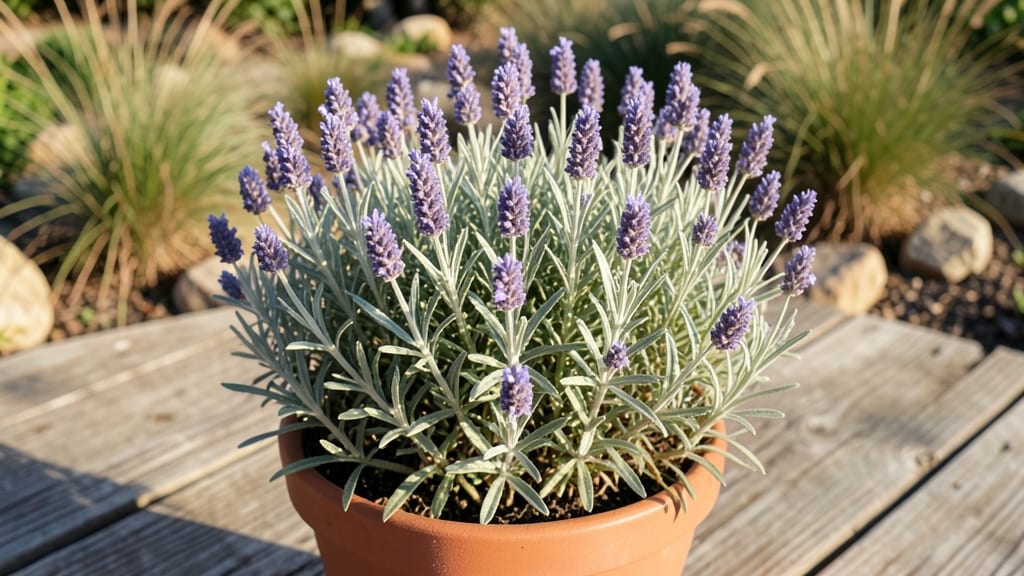
Full-sun drought-tolerant flowers are the secret weapon for gardens that stay vibrant even when the hose stays dry. 🌻 I’ve designed my own sun-drenched border with plants that drink deeply but rarely—like lavender with its silvery foliage and purple spikes, or black-eyed Susans with their cheerful yellow-orange blooms that last from summer into fall.
The beauty of these plants is they don’t just survive drought—they thrive in it. Most need watering only once every 1-2 weeks once established, and some, like sedum or yarrow, go months without a drop.
Their deep roots dig for moisture while their foliage stays lush, creating a low-maintenance look that’s both sustainable and stunning.
You’ll end up with a garden that’s bursting with color—deep blues, fiery reds, soft whites—without the fuss of daily watering. These flowers also attract pollinators, making your space buzz with life while keeping your water bill in check.
The best part? They’re just as happy in containers as they are in the ground.
Whether you’re dealing with a rocky slope, a hot sidewalk strip, or just tired of watering every afternoon, these plants turn high-maintenance spaces into showstoppers. Let’s pick the perfect mix for your sunniest spots!
📚 In This Guide
- What you need
- Instructions
- Tips and common mistakes
- Wrapping up and next steps
What you need
- ● Drought-tolerant flower seeds or plants: Lavender (e.g., Lavandula angustifolia) – 3-5 plants
- ● Blanket flower (Gaillardia) – 5-10 seeds or 3 plants
- ● Russian sage (Perovskia atriplicifolia) – 3-5 plants
- ● Yarrow (Achillea millefolium) – 5-7 plants
- ● Black-eyed Susan (Rudbeckia hirta) – 5-10 seeds or 3 plants
- ● Well-draining soil: 5-10 bags of cactus/succulent mix or native soil blend (1 cubic yard per 100 sq. ft.)
- ● Compost or organic matter: 2-3 bags (to improve soil structure)
- ○ Mulch (optional but recommended): Gravel (1-2 bags for pathways)
- ● Or wood chips (2-3 cubic feet for moisture retention)
- ● Gardening gloves (1 pair)
- ● Hand trowel or transplanting spade (for planting)
- ● Garden fork (to loosen soil)
- ● Watering can or drip irrigation kit (for initial watering)
- ● Measuring tape (to plan spacing)
- ● Pruners (for trimming dead blooms)
- ● A sunny location with at least 6+ hours of direct sunlight daily.
- ● Access to well-draining soil (amend heavy clay with sand or gravel if needed).
- ● Patience! Most drought-tolerant flowers establish best in their first growing season.
How to design a thriving full-sun, waterwise flower garden
Here's my foolproof approach to creating a vibrant, low-maintenance flowerbed that blooms all season long.
🪴 Step 1: Choose the Right Drought-Resistant Plants
Start with proven performers like lantana, black-eyed Susan, coneflower, and Russian sage—these beauties thrive in full sun and need watering only when soil feels bone-dry. I always check the USDA hardiness zone for my area first; most of these handle zones 5-9 without fuss. Group plants by water needs to avoid overwatering some while others dry out.
For year-round color, mix in sedum (for fall interest) and salvia (spring blooms). The key is selecting varieties with silvery or gray foliage—these naturally repel moisture and reduce evaporation. I like to sketch my layout first, placing taller varieties like purple coneflower at the back and shorter blanket flower in front for a layered look.
☀️ Step 2: Prepare the Soil for Maximum Drought Tolerance
Amend your existing soil with 3 inches of compost and 1 inch of coarse sand to improve drainage—this prevents water pooling that rots roots. I use a garden fork to loosen the soil to 12 inches deep, breaking up any compacted layers. For containers, mix equal parts potting mix and perlite to create ultra-dry conditions these plants love.
Add a 2-inch layer of gravel at the bottom of containers or garden beds to create a drainage layer. This ensures excess water flows away immediately, which is critical for drought-tolerant varieties that hate soggy roots. After amending, water deeply to settle everything—you'll know it's right when water runs out the drainage holes within 10 minutes without puddling.
🌱 Step 3: Plant with Proper Spacing and Mulch Strategically
Follow the spacing guidelines on your plant tags, but give everything an extra inch or two—crowded plants compete for moisture and bloom less. I use a stake and string to mark planting lines before digging holes just wider than the root balls. For containers, I plant one specimen per 6-inch pot to prevent overcrowding.
Apply 3 inches of mulch (use gravel or bark chips, not organic mulch) around plants but keep it 2 inches away from stems to prevent rot. This mimics desert conditions where these flowers evolved. Water deeply right after planting to help roots establish—you'll see new growth within 2-3 weeks as a sign everything's working.
💧 Step 4: Water Deeply but Infrequently
Water only when the top 2 inches of soil feel completely dry—stick your finger in to check. Deep watering once every 7-10 days encourages roots to grow downward where moisture lasts longer. I water in the early morning to reduce evaporation and fungal risks. For containers, you may need to water every 3-5 days depending on heat.
Never water leaves—always direct the stream at the soil base. This prevents fungal diseases that thrive in damp foliage. You'll know your watering's right when you see vibrant new blooms and no wilting even during heatwaves. If leaves do yellow, it's usually a sign of overwatering, not drought.
✂️ Step 5: Prune and Maintain for Continuous Blooms
Deadhead spent blooms weekly to encourage more flowers—this is especially important for lantana and salvia that bloom continuously. I use clean, sharp pruners and cut back to just above a set of leaves. For coneflower, I remove only the dead flower heads in late fall to allow seed heads to provide winter interest.
Give plants a light trim in early spring to shape them and remove any dead growth. This stimulates fresh, vigorous growth. Fertilize once in early spring with a low-nitrogen, balanced fertilizer—these plants don't need much food, just enough to keep blooming. You'll see the difference in fuller plants and more abundant flowers within a month.
Tips & tricks for perfect full-sun flower gardens
These simple strategies will help you create a stunning, waterwise garden that thrives all season long.
Plant Selection: When choosing your drought-tolerant varieties, look for plants labeled "drought-tolerant" or "xeric" at your local nursery. I've found that lantana and black-eyed Susan handle heat best in zones 5-9, while Russian sage thrives in hotter climates. For containers, opt for smaller varieties like blanket flower—they use less water and fit perfectly in 6-inch pots as mentioned in Step 3.
Soil Preparation: The 10-minute drainage test after amending is crucial—if water doesn't flow freely, add more coarse sand or perlite. I like to mix in a handful of gravel during the initial soil prep to create micro-drainage channels. For clay-heavy soils, consider adding 3 inches of compost first, then the sand, to improve structure before planting.
Watering Wisdom: The "finger test" for soil moisture is your best friend. In extreme heat (90°F+), you may need to water every 5-7 days instead of the recommended 7-10 days. I always check soil moisture at the same time each morning to establish a routine. For containers, I use the "weight test"—if the pot feels light, it's time to water.
Long-Term Maintenance: Mark your calendar for the early spring trim—this is when these plants show their most vigorous new growth. I've found that fertilizing with a low-nitrogen, balanced fertilizer at this time gives the biggest bloom boost. For established gardens, you can skip fertilizer entirely after the first year—these plants are naturally low-maintenance!
Pro Tips for Full Sun Drought Tolerant Flowers
- These simple strategies will help you create a stunning, waterwise garden that thrives all season long.
- Plant Selection: When choosing your drought-tolerant varieties, look for plants labeled "drought-tolerant" or "xeric"...
- Soil Preparation: The 10-minute drainage test after amending is crucial—if water doesn't flow freely, add more coarse...
Frequently asked questions
Got questions about keeping your garden vibrant with full-sun drought-tolerant flowers? You’re not alone! Here are answers to the most common concerns—so you can enjoy year-round color without the water worries.
What are the easiest flowers to grow in full sun with almost no watering?
Start with lantana, black-eyed Susan, sedum, or Russian sage—these thrive in full sun and need minimal water once established. Portulaca (moss rose) is another top pick, as it stores water in its leaves and blooms even in dry soil. For perennials, yarrow and blanket flower are drought-resistant superstars!
How often should I water newly planted drought-tolerant flowers?
Water deeply 2-3 times per week for the first month to help roots establish. After that, reduce to once a week (or less in extreme heat). Once mature, most drought-tolerant flowers need water only when the soil feels bone-dry—stick your finger 2 inches down to check!
Can I mix drought-tolerant flowers with other plants in the same bed?
Pair them with succulents, lavender, or ornamental grasses for a low-maintenance, water-wise garden. Just avoid water-loving plants like hostas or impatiens—they’ll compete for moisture. Pro tip: Group plants with similar water needs together for efficiency!
Will drought-tolerant flowers still attract pollinators like hummingbirds and bees?
Yes! Many drought-tolerant flowers are pollinator magnets. Lantana, salvia, and coneflowers draw hummingbirds, while black-eyed Susans and bee balm keep bees buzzing. Choose native species when possible—they’re even more effective for local wildlife!
Why are my drought-tolerant flowers wilting even though I’m not watering them?
Wilting can happen if the roots haven’t fully established (wait 4-6 weeks) or if the soil is too sandy (amend with compost). Check for overcrowding or pests (like aphids), and ensure they get 6+ hours of sun daily. If the problem persists, your plants may need a deep soak every 2-3 weeks until they adjust.
Wrapping up and next steps
Transforming your garden into a vibrant, low-maintenance oasis is easier than you think! With full-sun drought-tolerant flowers, you can enjoy year-round color while conserving water and effort. Whether you’re a seasoned gardener or just starting out, these resilient plants make gardening effortless and rewarding.
Ready to take the next step? Start small—pick one or two varieties to test in your garden, then expand as you see what thrives best. Happy planting, and watch your garden bloom with confidence! 🌸💧