Flowers
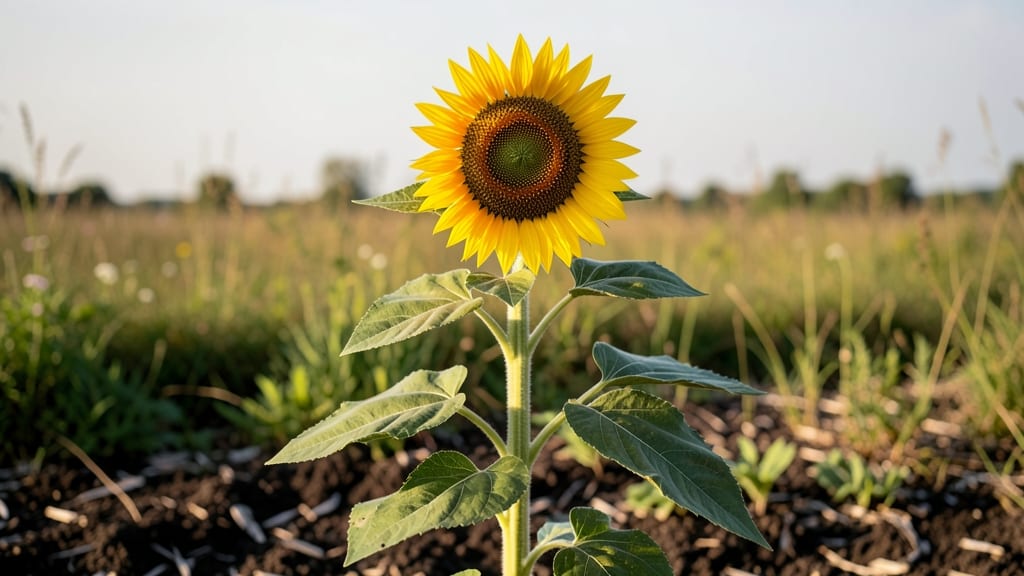
Sunflower growing stages unfold like a summer storybook, from tiny sprouts to towering giants reaching for the sky. 🌻 I’ve watched sunflowers go from barely-there seedlings to 10-foot sun-worshippers in just three months, and each stage has its own magic—if you know what to look for.
The first leaves appear within days, but the real transformation happens when those fuzzy buds start swelling in July, signaling the showstopper blooms ahead.
This isn’t just about patience—it’s about recognizing the clues. The first true leaves look like tiny maples, while later leaves grow broader and more jagged. By June, stalks thicken overnight, and watering becomes critical to keep them upright.
Too little, and they’ll lean like drunks; too much, and roots rot before they can support those heavy blooms.
By August, the drama peaks: petals unfurl like a golden fan, bees buzz in for nectar, and the center tightens into a seed head. That’s when you’ll decide—do you let nature take its course, or harvest those seeds for next year’s garden?
The right timing turns a beautiful flower into a functional harvest, and I’ll show you how to spot it.
Whether you’re growing sunflowers for cut flowers, bird feed, or just summer joy, each stage builds on the last. We’ll cover what to watch for, when to step in, and how to troubleshoot if your sunflowers take an unexpected detour. Let’s get growing!
📚 In This Guide
- What you need
- Instructions
- Tips and common mistakes
- Wrapping up and next steps
What you need
- ● Sunflower seeds: Choose Helianthus annuus varieties (e.g., 'Mammoth', 'Teddy Bear', or 'Autumn Beauty'). Buy 1-2 lbs (450-900g) for a small garden or 5+ lbs (2.3+ kg) for larger plots.
- ● Well-draining soil: A mix of 60% topsoil, 30% compost, and 10% perlite/sand (pH 6.0–7.5). Test soil here if unsure.
- ● Garden space: Direct sowing: 12–24 inches (30–60 cm) apart in rows 2–3 feet (60–90 cm) apart.
- ● Container growing: Pots 12+ inches (30+ cm) deep with drainage holes (1–2 seeds per pot).
- ● Watering can or hose: With a gentle spray nozzle to avoid disturbing seedlings.
- ● Fertilizer: Balanced option: 10-10-10 NPK (apply 1 tbsp per plant at planting and again at 6 weeks).
- ● Organic choice: Composted manure or worm castings (mix 1 cup per sq ft into soil).
- ○ Stakes or trellis (optional but helpful): For tall varieties (6+ ft), use 3–5 ft (1–1.5 m) bamboo stakes or a lightweight trellis.
- ● Mulch: 2–3 inches (5–7 cm) of straw or wood chips to retain moisture and suppress weeds.
- ● Seedling trays: For starting indoors 4–6 weeks before last frost (use biodegradable pots to avoid transplant shock).
- ● Row covers: Lightweight fabric to protect seedlings from pests or frost (30% shade cloth works well).
- ● Pest control: Neem oil or insecticidal soap for aphids/beetles (apply every 7–10 days if needed).
- ● Pruning shears: For removing lower leaves to encourage stronger stems (sterilize with rubbing alcohol between uses).
- ● Sunflower-specific feed: High-potassium fertilizer (e.g., 0-0-50) to boost blooming in late summer.
How to track sunflower growth through each critical stage
Here's what to watch for each month—your sunflower's progress in simple, visual terms.
🌱 Step 1: Germination and First True Leaves (Week 1-2)
Start by planting seeds 1 inch deep in well-drained soil when nighttime temperatures stay above 50°F. Water gently after planting to settle the soil around seeds, but don't overdo it—sunflower seeds need moisture to germinate, but soggy soil invites rot. You'll see the first signs of life in 5-10 days when the seedling's first leaves, called cotyledons, push through the soil.
These initial leaves look heart-shaped and fuzzy. They're not true leaves but the plant's first energy source. Once you spot these, water lightly again to encourage root growth. Real talk: If your soil feels cold or clumpy, germination slows. Amend with compost to speed things up.
🌿 Step 2: Vegetative Growth (Weeks 3-8)
Now's when your sunflower shifts into rapid growth mode. Watch for true leaves—they'll appear 2-3 weeks after germination and look more elongated than the cotyledons. These leaves are the plant's ticket to sunlight, so position your sunflower where it gets full sun (6+ hours daily). You'll notice the stem thickening and leaves growing larger every few days.
This is the stage where sunflowers develop their iconic branching. If you planted multiple seeds, thin to 1 plant per 6 inches to give roots room to spread. You'll see buds forming at the base of the leaves after 4-6 weeks. Here's the thing—if your sunflower starts leaning toward the sun, it's not getting enough light. Move it closer to the window or add a grow light.
☀️ Step 3: Bud Formation and Stem Elongation (Weeks 9-12)
By 8-10 weeks, your sunflower will shoot up dramatically, sometimes adding 2-3 inches per day during warm spells. You'll spot a single prominent bud at the top of the stem—this is the flower head developing. The stem may feel woody at this point, and leaves will start turning yellow at the base as the plant redirects energy upward.
This is the moment that matters: stake your sunflower if it's taller than 3 feet. Use the 6-foot bamboo stake from your materials and tie the stem loosely with soft cloth or plant ties. You don't want to restrict growth, just provide support. Water deeply once a week at the base—avoid wetting the leaves to prevent fungal diseases like powdery mildew.
✂️ Step 4: Flowering and Pollination (Weeks 12-16)
When the bud cracks open, you'll see the bright yellow petals unfurl over 1-2 days. The center will look dark and fuzzy—this is where pollination happens. Sunflowers are self-pollinating, but bees and other pollinators help spread pollen. You'll notice the petals drooping slightly on hot afternoons—that's normal. They perk up again in the morning.
Here's where it gets fun: Watch the center transform from fuzzy to dense as seeds develop. The petals will eventually wilt and fall away, but the seed head will keep growing. Harvest seeds when the back of the head turns brown and papery, usually 4-6 weeks after flowering. Cut the head off, hang it upside down in a dry, dark place, and let the seeds fully dry before storing.
Tips & tricks for perfect sunflower growth
Here's what nobody tells you about growing sunflowers—these tricks will help you avoid common pitfalls and get the most out of your plants.
Soil Temperature Matters: The 50°F minimum nighttime temperature is non-negotiable for germination. I've planted seeds when soil was slightly cooler, and they just sat there. Use a soil thermometer to confirm temps—especially if you're in early spring or late fall. If your soil feels cold to the touch, wait a few more days. Warm soil speeds up germination from 5-10 days to as little as 3-5 days.
Thinning Strategy: When you thin to 1 plant per 6 inches in Step 2, don't just yank seedlings—cut them at the base with clean scissors. This prevents disturbing the roots of your remaining plants and reduces stress. I've seen sunflowers that were thinned too roughly develop weak stems later on. The roots you leave behind will establish better with less competition.
Staking Timing: Wait until your sunflower reaches exactly 3 feet tall before staking—this gives the stem enough strength to support itself initially. I've staked too early and found the plant outgrew the support before flowering. Use soft cloth ties (not wire) and check them weekly—the stem will thicken as it grows. Loosen ties if you notice any indentations forming.
Harvesting Hack: When harvesting seeds, cut the entire head and hang it upside down in a paper bag rather than just the dark place. The bag catches any seeds that might fall during drying, and the paper helps absorb moisture. I've lost seeds to dropped heads before—this method saves every last one. Store dried seeds in airtight containers in a cool, dark place for up to 2 years.
Pro Tips for Sunflower Growing Stages
- Here's what nobody tells you about growing sunflowers—these tricks will help you avoid common pitfalls and get the mo...
- Soil Temperature Matters: The 50°F minimum nighttime temperature is non-negotiable for germination. I've planted seed...
- Thinning Strategy: When you thin to 1 plant per 6 inches in Step 2, don't just yank seedlings—cut them at the base wi...
Frequently asked questions
How long does it take for sunflowers to grow from seed to full bloom?
Most sunflower varieties reach maturity—flowering and seed production—in 80 to 120 days after planting, depending on the type. Dwarf varieties may bloom in as little as 60 days, while giant varieties can take up to 140 days. Check your seed packet for specific timelines!
Do sunflowers need full sun all day?
Yes! Sunflowers thrive in 6 to 8+ hours of direct sunlight daily. While they can tolerate partial shade (especially in hot climates), their stems may weaken, and blooms could be smaller or fewer. If growing in containers, place them in the sunniest spot possible.
Why are my sunflower leaves turning yellow?
Yellowing leaves (chlorosis) often signal overwatering, nutrient deficiencies (like nitrogen or magnesium), or fungal diseases. Check soil moisture—sunflowers prefer well-drained soil—and test for pests like aphids. Adjust watering and fertilize with a balanced formula if needed.
Can I grow sunflowers from store-bought seeds?
Technically yes, but store-bought sunflower seeds are often treated to prevent sprouting. For best results, use seeds from a reputable nursery or save seeds from organic, untreated sunflowers. Soak seeds overnight in warm water to encourage germination if using store-bought.
Will sunflowers survive frost?
Young sunflower seedlings are frost-sensitive, but mature plants can tolerate light frosts (down to 28°F/-2°C). If frost threatens early in the season, cover seedlings with row fabric or a cloche. Once blooming, sunflowers are hardy and can handle cooler temperatures.
How do I know when to harvest sunflower seeds?
Wait until the back of the flower head turns yellow and the petals drop. Then, harvest when the seed heads feel heavy and the seeds are plump. Cut the stem, hang it upside down in a dry, dark place for 1–2 weeks, then rub the seeds free. Store in a cool, dry spot!
Wrapping up and next steps
Growing sunflowers is a rewarding journey filled with vibrant colors and towering beauty! 🌻 From the first sprouts in spring to the majestic blooms by summer, each stage offers a unique opportunity to connect with nature.
Whether you’re a seasoned gardener or a curious beginner, understanding these sunflower growing stages ensures a thriving harvest and stunning floral displays.
Now that you’re equipped with the knowledge, it’s time to grab your gloves and get planting! Start small with a few seeds, experiment with varieties, and enjoy the process. Happy gardening—your sunflowers are waiting for you! 🌱