Flowers
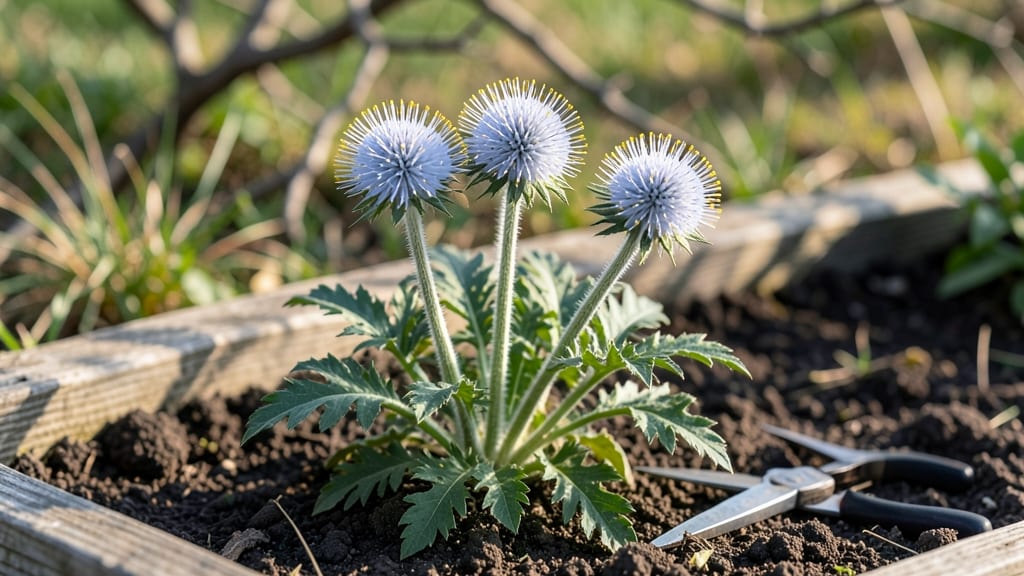
Planting eastern pasque flower in late summer means you’ll get a head start on spring’s most dramatic blooms—those fuzzy purple pompoms that appear when little else is in flower. ✨ I’ve grown them in rocky soil where nothing else would thrive, and they’ve rewarded me with years of effortless beauty.
The key is patience: these perennials take their time, but once established, they multiply and spread like wildflowers should.
They thrive in USDA zones 3-7, where cold winters and dry summers won’t bother them. Give them full sun to light shade and well-draining soil—even sandy or gravelly spots work, as long as water doesn’t pool.
The secret weapon? A thin layer of mulch in winter to protect those delicate stems from harsh winds. Plant seeds shallowly (just barely covered) in late summer or early fall for the best germination rates.
By late April or early May, you’ll see those iconic bell-shaped blooms nodding in the breeze, drawing bees and early pollinators before most other flowers even think about waking up. The plants stay low and tidy, making them perfect for rock gardens, meadows, or the front of borders.
Once they’re happy, they’ll naturalize and spread, creating a carpet of purple that lasts for weeks.
Fair warning: they’re slow to establish, so don’t expect instant drama. But give them 3-4 years, and you’ll have a self-sustaining colony that outshines any spring ephemeral. The trade-off? Zero fuss, zero competition, and zero need for deadheading—just pure, unapologetic beauty when your garden needs it most.
📚 In This Guide
- What you need
- Instructions
- Tips and common mistakes
- Wrapping up and next steps
What you need
- ● Seeds or Plants: 5–10 Eastern Pasque Flower seeds (for direct sowing) or
- ● 1–3 nursery-grown seedlings (for transplanting, ~6–12 inches tall).
- ● Soil: Well-draining, sandy loam or chalky soil (pH 6.0–7.5).
- ○ Optional: Mix in compost (20–30%) for fertility without heavy organic matter.
- ● Location: Full sun (6+ hours daily) in USDA Zones 3–6.
- ● Sheltered spot (e.g., near a fence or wall) to protect from strong winds.
- ● Gardening Tools: Hand trowel or small transplant spade
- ● Garden fork (for loosening soil)
- ● Watering can or hose with gentle spray nozzle
- ○ Optional (But Helpful): Mulch (thin layer of gravel or pine needles to retain moisture)
- ● Plant labels (to track varieties)
- ● Pruning shears (for deadheading spent blooms)
Step-by-step guide to growing eastern pasque flower
Here’s how to coax these striking woodland blooms into your garden.
🌱 Step 1: Choose the Perfect Planting Spot
Eastern pasque flowers thrive in dappled sunlight—think morning sun and afternoon shade—mimicking their native woodland understory. Avoid full sun, which can scorch their delicate petals, or deep shade, which stunts flowering. A spot near deciduous trees works well, as the canopy will shift with the seasons.
They prefer well-draining soil with a slightly acidic to neutral pH (6.0–7.5). If your soil is heavy clay, amend it with 2–3 inches of compost mixed into the top 12 inches of soil. Test drainage by digging a hole, filling it with water, and watching how quickly it drains—if water pools after 30 minutes, add more organic matter.
🌿 Step 2: Plant Seeds or Divide Clumps at the Right Time
Sow seeds in early fall (4–6 weeks before your first frost) for spring germination, or plant in late winter (just as shoots emerge). Press seeds ¼ inch deep—they need light to germinate, so don’t bury them too deeply. Space them 6–8 inches apart to allow room for their 3–6 inch tall basal rosettes.
For established plants, divide clumps in early spring or fall when growth slows. Dig up the plant, gently separate the roots, and replant divisions 1–2 inches deeper than they grew before. Water deeply after planting to help roots establish—soil should feel moist 2 inches down for the first week.
☀️ Step 3: Maintain Low-Maintenance Care for Stunning Blooms
Water moderately—about 1 inch per week—but avoid soggy soil. These plants are drought-tolerant once established, but wilting leaves signal it’s time to water. Mulch with 2–3 inches of organic mulch (like shredded leaves or pine needles) to retain moisture and suppress weeds. Replenish mulch annually in early spring.
Fertilize lightly in early spring with a balanced, slow-release fertilizer (10-10-10) at half strength. Over-fertilizing encourages leafy growth at the expense of blooms. Deadhead spent flowers to encourage a second, smaller flush, but avoid cutting back foliage until late summer—the leaves feed the plant for next year’s blooms.
✂️ Step 4: Protect and Prepare for Next Year’s Display
After flowering, let the foliage die back naturally. In late summer, cut back dead stems to 1–2 inches above the ground, but leave the basal rosette intact. This prevents disease and keeps the plant tidy. If pests like slugs or snails target young shoots, handpick them in the evening or use beer traps (bury a shallow dish filled with beer near plants).
In fall, add a 1–2 inch layer of compost around the base to replenish nutrients. Eastern pasque flowers are slow to establish but reward patience—full blooms appear in 2–3 years from seed. Mark their location well, as they’re easy to overlook until they burst into color.
Tips & tricks for perfect eastern pasque flower growth
These simple strategies will help you coax vibrant blooms from your woodland showstopper.
Lighting Insight: When choosing that perfect dappled sunlight spot, look for areas where sunlight filters through tree branches—this mimics their natural woodland habitat. I’ve found that planting near deciduous trees like maple or oak works best, as their leaves shift with the seasons to provide just the right balance of sun and shade. Avoid spots where afternoon sun would bake the soil, which can stress the delicate roots.
Soil Test Hack: Before planting, dig a small hole and fill it with water. If the water drains completely within 30 minutes, your soil is well-draining. If not, mix in 2-3 inches of compost into the top 12 inches of soil—this improves drainage while adding nutrients. I’ve seen pasque flowers struggle in clay-heavy soil, so this simple test saves headaches later.
Timing Secret: For fall planting, mark your calendar for 4-6 weeks before your first frost date. This timing ensures seeds get a natural cold stratification period, which helps break their dormancy for spring germination. If you’re dividing established plants, early spring or fall are ideal—just make sure the soil temperature is above 50°F to prevent shock.
Watering Wisdom: The 1-inch-per-week watering guideline works well, but check soil moisture by sticking your finger 2 inches down—if it feels dry, that’s your cue to water. I’ve learned the hard way that soggy soil leads to root rot, so always prioritize well-draining conditions. Mulching with 2-3 inches of organic material helps maintain consistent moisture levels without overwatering.
Pro Tips for Eastern Pasque Flower
- These simple strategies will help you coax vibrant blooms from your woodland showstopper.
- Lighting Insight: When choosing that perfect dappled sunlight spot, look for areas where sunlight filters through tree branches—this mimics their natural woodland habitat.
- Soil Test Hack: Before planting, dig a small hole and fill it with water.
Frequently asked questions
Got questions about the eastern pasque flower? You’re not alone—this striking early spring bloomer sparks curiosity! Here are answers to the most common queries to help you grow, care for, or simply admire these purple gems with confidence.
When is the best time to plant eastern pasque flowers?
The ideal time to plant eastern pasque flowers (Pulsatilla hirsutissima) is in early fall (September–October) or late winter (February–March) in USDA zones 3–7. Planting in fall gives roots time to establish before spring blooms. If you miss these windows, spring planting still works—just water deeply and mulch to retain moisture.
Why aren’t my pasque flowers blooming?
If your pasque flowers skip blooming, check these common culprits:
- Improper timing: They need cold stratification (6–8 weeks of winter chill). If planted too late, they may wait a year to bloom.
- Overcrowding: These plants prefer space—thin seedlings if needed.
- Poor soil: They thrive in well-draining, slightly alkaline soil. Amend heavy clay with sand or compost.
- Too much fertilizer: They’re low-maintenance perennials—avoid high-nitrogen feeds.
Patience is key: First blooms may take 2–3 years!
Can I grow eastern pasque flowers in containers?
Yes! They adapt well to large containers (12+ inches deep) with drainage holes. Use a mix of cactus/succulent soil and perlite for optimal drainage. Place pots in full sun and water sparingly—overwatering is their biggest enemy. Just note: Container-grown plants may bloom slightly later than ground-planted ones.
What can I plant with eastern pasque flowers for a stunning combo?
Pair them with early spring companions like:
- Dwarf iris (for height contrast and golden blooms)
- Creeping phlox (for ground cover and purple harmony)
- Alliums (to add vertical interest and late-spring blooms)
- Fern allies (like Osmunda cinnamomea) for texture
Avoid aggressive spreaders like mint or hostas—they’ll outcompete pasque flowers.
Are eastern pasque flowers toxic to pets or humans?
While not highly toxic, eastern pasque flowers contain alkaloids that can cause mild stomach upset if ingested in large quantities. Symptoms may include drooling, vomiting, or lethargy in pets. Keep them out of reach of curious pets and children, and avoid handling if you have sensitive skin (the fuzzy stems can irritate).
Wrapping up and next steps
The Eastern pasque flower is a true gem of early spring, bringing vibrant color and resilience to gardens when little else blooms. Whether you’re captivated by its delicate petals, eager to grow it yourself, or simply admiring its fleeting beauty, this flower reminds us to embrace nature’s quiet miracles. 🌸
Ready to welcome more of this purple magic into your life? Start by researching local nurseries, planning your planting spot, or even sketching a design for a pasque flower-inspired garden corner. Every small step brings you closer to a garden that sparkles with early spring charm!