Flowers
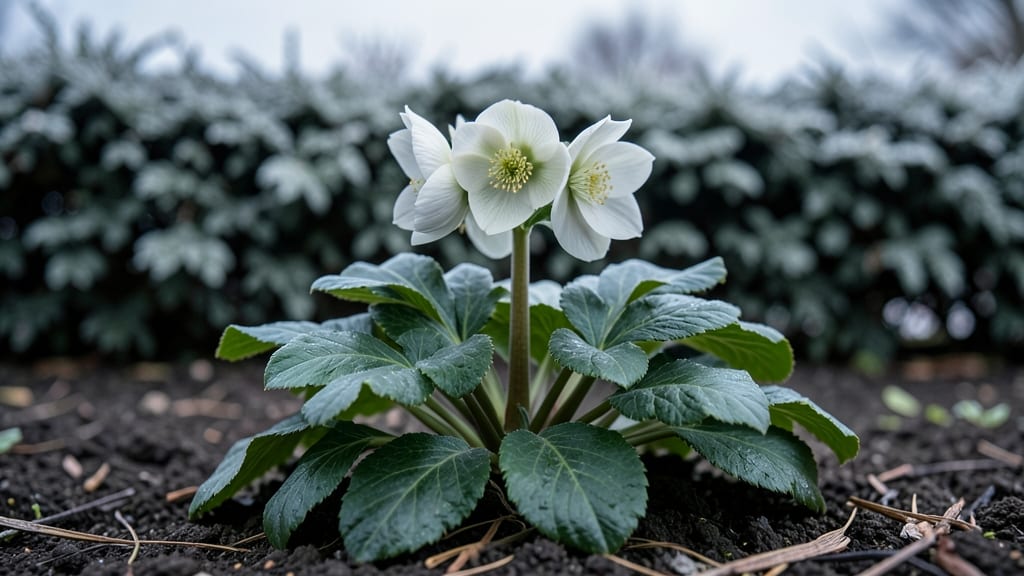
There’s magic in planting flower seeds that come back every year, and my first black-eyed Susan popping up through last year’s mulch proved it—some seeds just know how to return. 🌻 The secret lies in choosing the right self-sowing varieties and giving them the conditions they crave.
These hardy beauties thrive with minimal fuss: full sun, well-draining soil, and occasional watering after establishment. My go-to picks—coneflowers, coreopsis, and hollyhocks—spread effortlessly while demanding less care than annuals.
The key is letting some seed heads dry on the stems; nature handles the rest while you enjoy bold colors all season.
You'll wake up to fresh blooms each spring without replanting, and the garden fills with pollinators that return year after year too. The first year builds the soil bank, but by year two, you'll have a self-sustaining display that outshines any store-bought annual. Let's get those seeds in the ground!
Works in borders, meadows, or containers—just match the plant to your sun and space. The best part? These flowers improve with age, getting bigger and bolder each season. Here's how to make it happen without the guesswork.
📚 In This Guide
- What you need
- Instructions
- Tips and common mistakes
- Wrapping up and next steps
What you need
- ● Perennial flower seeds: Choose from varieties like Lupinus (lupine), Echinacea (coneflower), Rudbeckia (black-eyed Susan), or Nepeta (catmint). Aim for 1–2 packets (50–100 seeds each) to start.
- ● Well-draining potting mix: A 10–15 quart bag of high-quality seed-starting mix (e.g., Pro-Mix or Miracle-Gro). Avoid garden soil—it’s too dense for tiny seeds!
- ● Containers: Seed trays with cell inserts (72–128 cells) or biodegradable pots (2–3 inches deep).
- ● 1–2 quart-sized plastic or paper cups (for larger seeds like lupine).
- ● Watering can or spray bottle: A 16–32 oz. spray bottle (for gentle moisture) or a small watering can with a fine rose nozzle.
- ● Clear plastic wrap or humidity dome: A roll of plastic wrap or a seedling heat mat with dome to retain moisture.
- ● Hand trowel or spoon: For gently pressing seeds into soil (a small metal spoon works great!).
- ● Plant labels: 20–50 wooden or plastic labels (or make your own from popsicle sticks!).
- ● Grow lights or sunny windowsill: A LED grow light (12–18 inches above seedlings) or a south-facing window for 6–8 hours of light daily.
- ○ Fertilizer (optional): A balanced liquid fertilizer (5-5-5 or 10-10-10) diluted to half-strength for seedlings.
- ● Slow-release granules (e.g., Osmocote) for transplanting.
- ○ Pruning shears (optional): For deadheading spent blooms to encourage self-seeding (small bypass pruners work well).
How to grow and maintain perennial flower seeds that return year after year
These hardy beauties multiply on their own—just give them the right conditions.
🌱 Step 1: Choose the Right Perennial Seeds for Your Climate
Start with seeds labeled as "perennial" or "self-sowing" varieties like black-eyed Susan, poppies, lupines, or coreopsis. These thrive in your hardiness zone and bloom reliably each year. I always check the seed packet for zones—planting outside those ranges means weaker growth and fewer returns.
For first-time growers, I recommend starting with annuals that self-seed (like cosmos or sweet alyssum) to practice before committing to true perennials. These act as training wheels—they’ll reseed themselves but won’t overwinter in cold climates. True perennials, though, establish deep roots and bounce back year after year.
☀️ Step 2: Plant in Full Sun with Well-Draining Soil
Most perennial flowers need 6+ hours of direct sun daily. I dig a hole twice as wide as the root ball but only as deep as the container it came in. This prevents burying the crown too deeply, which can rot stems over winter. Amend heavy clay soil with 2 inches of compost to improve drainage—perennials hate soggy roots.
Test your soil’s moisture by squeezing a handful. If it forms a tight ball, add sand or perlite to loosen it. The goal is soil that crumbles when dry but holds moisture when wet. Plant in early spring or late summer for the best establishment—avoid planting in extreme heat or cold.
💧 Step 3: Water Deeply but Infrequently After Establishment
Water newly planted perennials once a week for the first month, then taper to every 10-14 days once established. Deep watering encourages roots to grow downward instead of staying shallow. Stick your finger 2 inches into the soil—if it’s dry, water; if damp, wait. Overwatering is the #1 killer of perennials.
After the first year, most perennials become drought-tolerant. You’ll see this when leaves stay crisp and upright instead of wilting. Mulch with 2-3 inches of shredded bark or straw around the base to retain moisture and suppress weeds. Just keep mulch 2 inches away from the stem to prevent rot.
✂️ Step 4: Deadhead and Prune for Continuous Blooms
Snip spent blooms back to the nearest set of leaves (or to the base if the plant is woody) to encourage more flowers. I use clean, sharp scissors to avoid tearing stems. This step is critical—if you skip it, the plant will focus energy on seed production instead of next year’s blooms. For poppies, cut stems at the base after flowering to prevent self-seeding where you don’t want it.
In late fall, cut back dead or damaged foliage but leave healthy stems intact. This protects overwintering perennials from harsh winds and frost. I mark plants with garden flags so I don’t accidentally trim them in early spring. Some perennials, like lupines, benefit from a light pruning in early spring to tidy up before new growth emerges.
🌿 Step 5: Let Nature Do the Work—Encourage Self-Sowing
Leave some seed heads on a few plants to dry naturally. When they split open, seeds will scatter and sprout in spring. I gently shake seed heads over bare soil in fall to create new clusters. For black-eyed Susans, this creates natural drifts that look stunning in meadow-style gardens.
Thin seedlings in spring to 6-12 inches apart, depending on the variety. Crowded plants compete for nutrients and produce weaker blooms. Watch for the first true leaves—these are your signal to thin. Pull unwanted seedlings at the base to avoid disturbing roots of the ones you’re keeping.
Tips & tricks for perfect self-sowing flower gardens
Here's what I've learned after years of growing perennials that keep coming back—these little tricks make all the difference.
Climate Matching: Always verify your hardiness zone on the seed packet before planting. I once planted poppies in the wrong zone and they barely survived the winter—now I double-check! For true perennials like black-eyed Susans, planting in the correct zone ensures they'll establish strong roots and return reliably for years. If you're unsure, ask your local nursery for zone-specific recommendations.
Soil Prep Secret: The 2 inches of compost mentioned in Step 2 is non-negotiable for heavy clay soils. I learned this the hard way when my lupines struggled in compacted soil. Mix in perlite or coarse sand if your soil forms tight clumps when squeezed. This creates that perfect crumbly texture that perennials crave—think of it as giving your plants a cozy, well-draining home from day one.
Watering Wisdom: That finger test in Step 3 is your best friend. I used to water on a strict schedule until I noticed my coreopsis wilting—turns out, my soil stayed damp longer than I thought. Now I check moisture levels before watering, especially after the first month when you should be spacing waterings to every 10-14 days. Remember, deep watering encourages those strong roots that make perennials so resilient.
Deadheading Technique: When you're snipping spent blooms in Step 4, use clean scissors and make cuts at a 45-degree angle just above a leaf node. This little detail prevents water from pooling on the stem, which can lead to rot. I also keep a small bucket nearby to collect the spent blooms—you can compost them or use them to make seed paper for crafts!
Pro Tips for Flower Seeds That Come Back Every Year
- Here's what I've learned after years of growing perennials that keep coming back—these little tricks make all the dif...
- Climate Matching: Always verify your hardiness zone on the seed packet before planting. I once planted poppies in the...
- Soil Prep Secret: The 2 inches of compost mentioned in Step 2 is non-negotiable for heavy clay soils. I learned this ...
Frequently asked questions
Got questions about perennializing flower seeds? You’re not alone! Here are some of the most common queries—plus straightforward answers to help you grow a garden that keeps coming back year after year.
What does "self-sowing" mean, and how does it work?
Self-sowing flowers produce seeds that naturally scatter and sprout in the next growing season. These seeds often germinate in late summer or fall, grow a little, then "sleep" through winter—only to bloom again in spring! Think of them as nature’s way of replanting your garden for free.
Do I need to do anything special to encourage them to return?
Not much! Just let the seed heads mature and dry on the plant before they release seeds. Avoid cutting them back too early in the season. For extra insurance, lightly rake seeds into the soil in fall or leave them where they drop—they’ll often sprout on their own. Pro tip: Deadhead spent blooms if you don’t want volunteers elsewhere!
Will these flowers survive winter in my climate?
Most perennializing flower seeds thrive in USDA Zones 3-10, but hardiness varies by species. Cold-hardy picks like cosmos or lupine handle frost, while tender annuals (e.g., zinnia) may not return. Check seed packets for zone info, and mulch lightly in fall for extra protection.
What if my flowers don’t come back the next year?
Don’t panic! Seeds need consistent conditions to germinate—try thinning crowded seedlings or watering during dry spells. If they still flop, replant a few extra seeds or swap in a true perennial (like black-eyed Susan) for guaranteed returns.
Can I use these seeds in containers or small gardens?
Compact self-sowers like nasturtium or calendula thrive in pots. Just ensure containers have drainage and replant seeds annually if they don’t overwinter well. For small spaces, choose dwarf varieties or deadhead to control spread.
| Quick Fixes for Common Issues |
|---|
| No seedlings? Check soil moisture and seed packet instructions for light requirements. |
| Too many volunteers? Snip seed heads before they release or relocate extras. |
| Leggy or weak plants? Thin seedlings to 6–12 inches apart for better airflow. |
Wrapping up and next steps
Discovering perennial flower seeds that return year after year is like unlocking a secret garden—effortless beauty without the annual replanting! 🌱 From vibrant Black-Eyed Susans to delicate Sweet Alyssum, these self-sowing stars bring joy with minimal effort.
Whether you’re a seasoned gardener or just starting, these hardy blooms prove that nature rewards patience and care.
Ready to transform your space? Start small—pick one or two varieties to test in your garden this spring. Soon, you’ll be surrounded by a self-sustaining paradise that grows bolder with each season. Happy planting! 🌸