Container Gardens
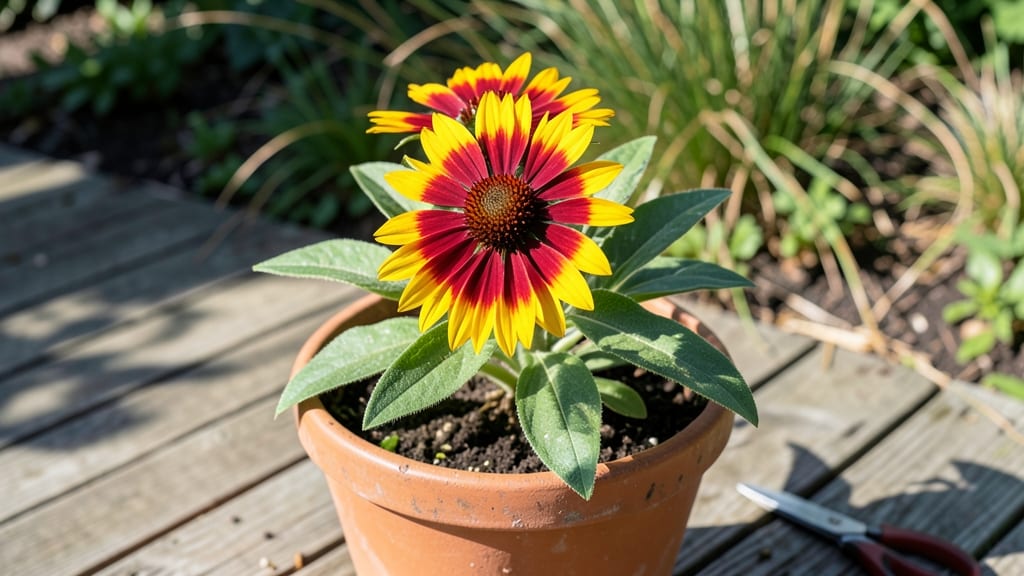
Growing blanket flowers in pots lets you enjoy their fiery blooms anywhere—balcony, patio, or windowsill—without compromising their love for space. 🌻 I’ve filled containers with these sun-loving perennials for years, and they thrive when you match their needs to the right pot, soil, and care routine.
The secret lies in drainage and sunlight, not fancy equipment.
Start with a pot at least 12 inches wide and deep—blanket flowers spread, and cramped roots mean fewer blooms. Use well-draining potting mix with perlite or sand to prevent soggy soil, their biggest enemy.
Place your pot where it gets 6+ hours of direct sun daily, and you’ll see those bold daisy-like flowers erupt by early summer.
Water when the top inch of soil feels dry, but don’t drown them—overwatering causes root rot faster than you’d think. A mulch layer keeps moisture steady, and deadheading spent blooms encourages nonstop color until frost.
With the right setup, your pots become a magnet for pollinators and a burst of color that lasts all season.
Pair them with lavender for height contrast or trailing lantana for a cascading effect—both love the same sunny conditions. If pests like aphids appear, a strong spray of water usually clears them out.
The key is consistency: once you nail the basics, these plants reward you with months of effortless beauty.
📚 In This Guide
- What you need
- Instructions
- Tips and common mistakes
- Wrapping up and next steps
What you need
- ● Blanket flower plants: 1–3 young plants (check for healthy foliage and buds). Pro tip: Choose varieties like Gaillardia 'Arizona Sun' or 'Mesa Red' for vibrant colors!
- ● Containers: 1–2 pots per plant (12–16 inches in diameter) with drainage holes. Options: Terracotta, ceramic, or fiberglass.
- ● Potting mix: 1–2 bags of well-draining, moisture-retentive mix (e.g., 60% garden soil + 40% perlite/sand).
- ● Slow-release fertilizer: 1–2 tbsp per pot (look for a balanced 10-10-10 or low-phosphorus option).
- ● Mulch: 1–2 inches of organic mulch (e.g., shredded bark or pine needles) to retain moisture.
- ● Gloves & trowel: For planting and soil prep.
- ● Watering can or hose: With a gentle spray nozzle.
- ○ Pruning shears: (Optional) For trimming spent blooms.
- ○ Sunlight meter: (Optional) To confirm your pot’s light exposure (6+ hours of sun/day is ideal!).
How to grow stunning blanket flowers in containers
Here's the foolproof method I use to keep these fiery blooms thriving in pots all season.
🪴 Step 1: Choose the Right Containers and Drainage
Blanket flowers need pots with drainage holes—no exceptions. I use 12-15 inch diameter containers for each plant since their roots spread fast. Terra cotta works best because it breathes, but plastic with drainage holes also works. Add a 2-inch layer of gravel at the bottom first to prevent root rot from sitting water.
Here's the thing—if your pot lacks drainage, you'll see yellowing leaves within weeks. The roots can't handle soggy soil, so always check before planting. I also like to use lightweight potting mix (never garden soil) to keep the roots aerated. Fill the pot ¾ full with mix, leaving room for the plant's root ball.
🌱 Step 2: Plant at the Correct Depth and Spacing
Dig a hole twice as wide as the root ball but no deeper. Blanket flowers hate being buried too deep—plant them so the top of the root ball sits just below the soil line. This prevents stem rot and encourages strong growth. Gently remove the plant from its nursery pot and tease the roots apart if they're circling.
Space your plants 12-18 inches apart in larger containers. If you're planting multiple in one pot, leave extra room—they spread wider than they look. Press the soil around the roots firmly but don't compact it. Water deeply right after planting to settle the soil and eliminate air pockets.
☀️ Step 3: Place in Full Sun and Water Consistently
Blanket flowers crave full sun—at least 6-8 hours daily. A south or west-facing spot is ideal. If your patio only gets partial sun, expect fewer blooms. You'll know the light is right when the leaves stay deep green and the stems stay sturdy. No pale, stretchy growth—that's a sign to move them closer to the sun.
Water when the top 1-2 inches of soil feel dry. I check this by sticking my finger in—if it comes out clean, it's time. Overwatering is the #1 killer, so let the soil dry slightly between waterings. During heatwaves, you might water every 2-3 days, but in cooler weather, once a week is plenty. Always water at the base, not over the leaves.
✂️ Step 4: Deadhead and Fertilize for Nonstop Blooms
Here's where it gets fun—deadheading keeps those flowers coming. Snip off spent blooms right at the base with clean scissors every 1-2 weeks. This prevents seed formation and redirects energy to new flowers. You'll see a fresh flush of blooms within 7-10 days if you're consistent.
Feed your plants once a month with a balanced liquid fertilizer (10-10-10 works great). I mix it at half-strength to avoid burning the roots. Stop fertilizing after mid-summer—too much late-season feeding can weaken the plant before winter. Prune back 1/3 of the plant in early spring to encourage bushier growth.
⏰ Step 5: Winter Care for Year-Round Pots
If you're keeping your blanket flowers in pots through winter, move them to a protected spot (like a garage or under an eave) before frost hits. They tolerate light freezes but not prolonged cold. I wrap the pots in burlap for extra insulation. Water sparingly in winter—just enough to keep the soil from drying out completely.
In early spring, bring them back outside and trim any dead growth. You'll see fresh shoots within 2-3 weeks if you've kept them alive. Here's the secret: don't rush—let them acclimate to outdoor temps gradually. A sudden warm spell can trick them into blooming too early, then they'll get shocked by cold again.
Tips & tricks for perfect container-grown blanket flowers
Real talk: Container gardening with blanket flowers is easier than you think once you know these game-changing details.
Container Selection: When choosing your 12-15 inch pots, prioritize materials that match your climate. Terra cotta breathes perfectly in hot, dry weather but can dry out too fast in humid conditions. For coastal areas, opt for plastic with drainage holes—they retain moisture better. Pro tip: Paint your terra cotta pots white if you're in a hot zone; they'll stay cooler and prevent heat stress on those delicate roots.
Root Health Secret: That 2-inch gravel layer at the bottom isn't just for drainage—it's your insurance against root rot. Pack it firmly but don't crush it. Think of it as creating a little air pocket where roots can breathe. I've seen plants saved from soggy soil just by adding this extra layer when repotting. And here's what nobody tells you—if you're using lightweight potting mix, mix in some perlite (about 20%) to improve aeration even more.
Sunlight Strategy: The 6-8 hours of sunlight requirement is non-negotiable, but there's a trick to maximize those blooms. Position your pots where they'll get morning sun and afternoon shade if you're in a very hot climate—this prevents leaf scorch while still giving them plenty of light. Watch for leaves that turn yellow or develop brown edges; that's your signal to adjust their sun exposure immediately.
Seasonal Transition: When moving your pots to winter protection, don't just wrap them in burlap—give them a good drink first. The soil should be moist but not soggy before you store them. I like to add a handful of slow-release fertilizer to the soil before winterizing; it gives them a little boost when they wake up in spring. And here's my personal trick: Place a small cup of water in the bottom of your storage area to maintain humidity—they'll thank you with fewer brown tips come spring.
Pro Tips for Blanket Flower In Pots
- Real talk: Container gardening with blanket flowers is easier than you think once you know these game-changing details.
- Container Selection: When choosing your 12-15 inch pots, prioritize materials that match your climate. Terra cotta br...
- Root Health Secret: That 2-inch gravel layer at the bottom isn't just for drainage—it's your insurance against root r...
Frequently asked questions
Got questions about growing blanket flowers in pots?
You’re not alone! Here are answers to the most common queries to help you keep your container garden thriving with bold, cheerful blooms.
How often should I water blanket flowers in pots?
Water when the top inch of soil feels dry—usually every 2-3 days in summer (more in extreme heat). Pots dry out faster than ground soil, so check frequently. Pro tip: Use well-draining soil and a pot with drainage holes to prevent root rot.
When is the best time to plant blanket flowers in containers?
Plant after the last frost in spring (April–May) for summer blooms. You can also start seeds indoors 6–8 weeks before the last frost. For year-round color, swap out spent plants in fall with cold-hardy varieties like Gaillardia aristata.
Can blanket flowers survive winter in pots?
Most varieties are tender perennials and won’t survive freezing temps in pots. Move containers to a sheltered spot (like a garage) or dig up plants, trim, and replant in spring. Alternative: Choose Gaillardia pulchella (annual) for seasonal color or overwinter in Zone 5+ with mulch.
Why are my blanket flower leaves turning yellow or wilting?
Yellow leaves often signal overwatering or poor drainage. Check for soggy soil and ensure your pot has drainage holes. Wilting? It could be underwatering or heat stress. Trim affected leaves, adjust watering, and provide afternoon shade in peak summer.
What’s the best pot size for blanket flowers?
Aim for pots at least 12–14 inches wide and deep to accommodate roots and prevent crowding. Smaller pots (6–8 inches) work for single plants but may need more frequent watering. Bonus: Group 3–5 plants in a large container for a fuller, showier display!
Can I grow blanket flowers indoors?
They thrive outdoors but can struggle indoors due to low light and humidity. If you must try, place near a bright window, use grow lights, and ensure high airflow. Better alternative: Grow them on a sunny patio or balcony—blanket flowers love the sun!
Wrapping up and next steps
Growing blanket flowers in pots is a rewarding way to bring bold, cheerful blooms to your space—whether you're a seasoned gardener or just starting out! 🌸 With the right container, soil, and care, these vibrant plants can thrive year-round, turning even small balconies or patios into a burst of color.
Now that you’re equipped with the how-to and answers to common questions, it’s time to roll up your sleeves and get planting!
Ready to take the next step? Start by selecting your pots—maybe even mix and match sizes for a dynamic look—and then watch your garden transform into a summer paradise. Happy gardening! 🌿✨