Flowers
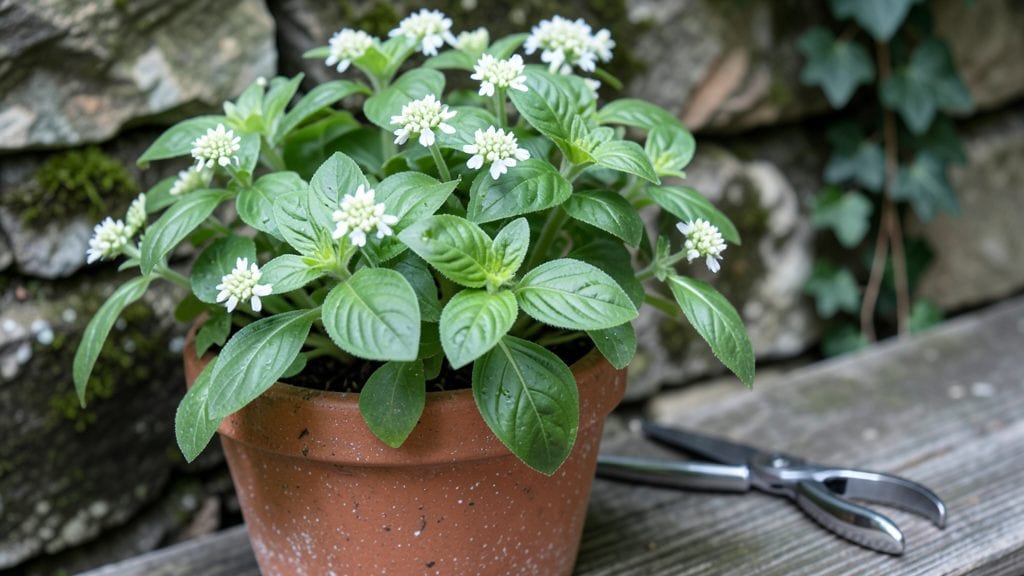
Should I cut the flowers off my basil? The answer might surprise you—it’s the key to keeping your plants thriving, flavorful, and productive all season long. 🌿 I’ve learned the hard way—when I let those delicate white blooms stay, my basil’s leaves turned bitter and sparse.
The flowers signal the plant to shift energy from leaves to seeds, which means fewer (and less tasty) harvests for you.
Here’s the good news: removing flowers is simple and takes just 2 minutes with clean pruning shears or your fingers. Start as soon as you spot buds—pinch them off at the stem base before they open.
This redirects the plant’s focus back to growing those big, fragrant leaves you love. The key is consistency: check your plants weekly during peak growing months (spring through early summer).
By mid-to-late summer, though, stop pruning flowers if you want seeds for next year’s plants. The trade-off? Your basil’s flavor may fade slightly as it matures, but you’ll still get a harvest—and the chance to grow new plants from those seeds for free.
The best part? Your pesto will taste bold and sweet, not woody or bitter, because the plant’s energy stays where it belongs: in the leaves.
This method works for both container-grown basil and in-ground plants, whether you’re growing Genovese, Thai, or purple basil varieties. The only real mistake? Waiting too long to prune—once flowers appear, the flavor shift happens fast. Grab those shears and give your basil the care it deserves!
📚 In This Guide
- What you need
- Instructions
- Tips and common mistakes
- Wrapping up and next steps
What you need
- ● Clean, sharp pruning shears or scissors – A pair with bypass blades (not anvil-type) ensures clean cuts without crushing stems. Size: Small handheld shears (4–6 inches) work best for basil.
- ● Rubbing alcohol (70% isopropyl) or bleach solution – To sterilize tools and prevent disease. Quantity: A small spray bottle or a few drops on a cotton swab.
- ○ Glove (optional but recommended) – Protects hands from sap (which can irritate skin) and keeps tools steady. Type: Lightweight gardening gloves with a tactile grip.
- ● Container or bucket for trimmings – A shallow tray or bucket to collect cut flowers and leaves. Size: At least 1-gallon capacity.
- ○ Water spray bottle (optional) – Helps rinse off sap or dust before trimming. Size: 8–16 oz with a fine mist nozzle.
- ● Pruning saw or razor blade – For stubborn, thick stems that shears can’t handle.
- ● Plant food or compost tea – A quick nutrient boost after pruning to encourage regrowth.
- ● Labeling tags or markers – If you’re propagating cuttings, label them with the date and variety.
- ● Hair dryer (low heat) – Speeds up drying of cuttings if you’re rooting them in water.
How to prune basil flowers for maximum leaf growth
Here’s the simple method I swear by to keep your basil lush and flavorful all season.
✂️ Step 1: Identify and Locate Flower Buds
Check your basil plants every 3-5 days for tiny flower buds—those little green or purple spikes that form where the leaves meet the stem. They’re sneaky at first, so run your fingers along the stems to feel for any bumps. Early detection means less work later.
Here’s the thing—once those buds appear, your basil shifts energy from leaves to flowers. If you let them grow, you’ll get seeds (and maybe a few flowers), but the leaves will turn bitter and small. I always say, “When in doubt, pinch it out.”
✂️ Step 2: Pinch Off Flowers Before They Open
Use clean, sharp scissors or your fingers to snip the flower buds right at the base, where they meet the stem. Don’t leave any stubs—they’ll just regrow. I like to pinch them off in the morning when the plant is hydrated, so it recovers faster.
Watch for new growth at the leaf nodes after pruning. That’s your basil telling you, “I’m back to making leaves!” If you see leggy stems or sparse foliage, you’ve waited too long—prune more aggressively next time.
🌿 Step 3: Encourage Bushier Growth After Pruning
After removing flowers, give your basil a little extra love. Water at the base until the soil feels moist 2 inches down, but not soggy. Overwatering now can cause root rot, and you’ll lose the plant entirely.
Place your basil in bright, indirect light (like a south-facing window with sheer curtains) for 6-8 hours daily. If you notice new leaves curling or yellowing, it’s getting too much direct sun—move it back a foot or two.
🌱 Step 4: Repeat Pruning for Continuous Harvests
Basil is a heavy producer, but it needs regular pruning to stay productive. Aim to remove flower buds every 2-3 weeks during the growing season. I set a reminder on my phone because, trust me, you’ll forget.
You’ll know you’re doing it right when your plant looks full and bushy, with 3-4 inches of new growth between prunings. Harvest leaves as needed, but always leave at least 2-3 sets of leaves on each stem so the plant keeps growing.
Tips & tricks for pruning basil flowers
These simple strategies will keep your basil thriving and full of flavor all season long.
Timing Secret: The 3-5 day check frequency in Step 1 is your best defense against bitter leaves. I’ve found that morning inspections work best because basil is fully hydrated after a night’s watering, making buds easier to spot. If you notice buds forming near the top of the plant, check the lower stems too—they can hide there for days.
Technique Tip: When pinching in Step 2, aim for the base where the bud meets the stem. I learned this the hard way—leaving even a tiny stub means those buds will grow back faster than you can say "pesto." Use your fingers for small plants and clean scissors for larger ones, but always sanitize your tools first to prevent disease.
Lighting Strategy: The 6-8 hours of bright, indirect light in Step 3 is non-negotiable. I’ve seen basil plants wilt dramatically when moved from windowsills to direct midday sun. Try placing your plant near an east-facing window or use sheer curtains on south-facing windows. If you notice yellowing leaves, it’s a clear sign of too much direct sunlight—move it back immediately.
Growth Monitoring: The 3-4 inches of new growth between prunings in Step 4 is your plant’s way of telling you it’s happy. If you’re not seeing this after pruning, you might be cutting too aggressively. Try leaving slightly more foliage next time, especially on young plants. For mature plants, you can be more aggressive—just don’t remove more than 1/3 of the plant at once.
Pro Tips for Should I Cut The Flowers Off My Basil
- These simple strategies will keep your basil thriving and full of flavor all season long.
- Timing Secret: The 3-5 day check frequency in Step 1 is your best defense against bitter leaves.
- Technique Tip: When pinching in Step 2, aim for the base where the bud meets the stem.
Frequently asked questions
Got questions about pruning basil flowers? Here are answers to the most common ones to help you keep your basil thriving!
Why does my basil grow more leaves when I cut off the flowers?
When basil blooms, it redirects energy from leaf production to flower and seed development. Cutting off flowers (called "pinching") signals the plant to focus on growing more leaves—resulting in bushier, more flavorful basil. Think of it like giving your plant a "reset" button for better growth!
When is the best time to cut basil flowers?
Remove flowers as soon as you spot them—ideally in the morning when the plant is hydrated. If you wait until flowers fully open, the plant may already be shifting energy away from leaves. Pro tip: Use clean scissors or fingers to snip just above a leaf node (where new growth emerges).
What if I don’t cut the flowers? Will my basil still be edible?
Yes, but it won’t be as flavorful or productive. Flowering basil tastes bitter and woody, and the leaves may become sparse. Plus, letting it go to seed can weaken the plant. If you love the flavor, pruning is a must—but if you’re growing basil just for blooms (like for pollinators), you can leave them!
How do I prune basil flowers without harming the plant?
Use these steps to prune safely:
- Wear gloves (basil sap can irritate skin).
- Cut just above a leaf node (the V-shaped junction where leaves grow) with clean scissors.
- Avoid cutting into the main stem—focus on side branches with flowers.
- Discard the flowers (or compost them) to prevent reseeding.
For large plants, aim to remove 1/3 of the flowers at a time to avoid shocking the plant.
What if my basil is already flowering heavily? Can I still save it?
Don’t panic! Even if your basil is flowering, you can still encourage leaf growth by:
- Pruning all visible flowers and some top leaves to redirect energy.
- Watering deeply but infrequently to avoid root stress.
- Fertilizing with a balanced, water-soluble fertilizer (like 10-10-10) to boost recovery.
- Moving the plant to partial shade if it’s in hot, direct sun.
With care, your basil can bounce back—though expect slower growth at first.
Wrapping up and next steps
Deciding whether to cut the flowers off your basil comes down to your goals: bigger leaves and richer flavor or harvesting seeds for new plants. If you’re growing basil for cooking, pruning those blooms keeps your plant lush and productive—just remember to do it early before flowers fully open.
You’ve got this! 🌱
Ready to take action? Grab your shears and give your basil a little trim—your future pesto (or caprese salad!) will thank you. Check out our step-by-step guide to make it easy.