Flowers
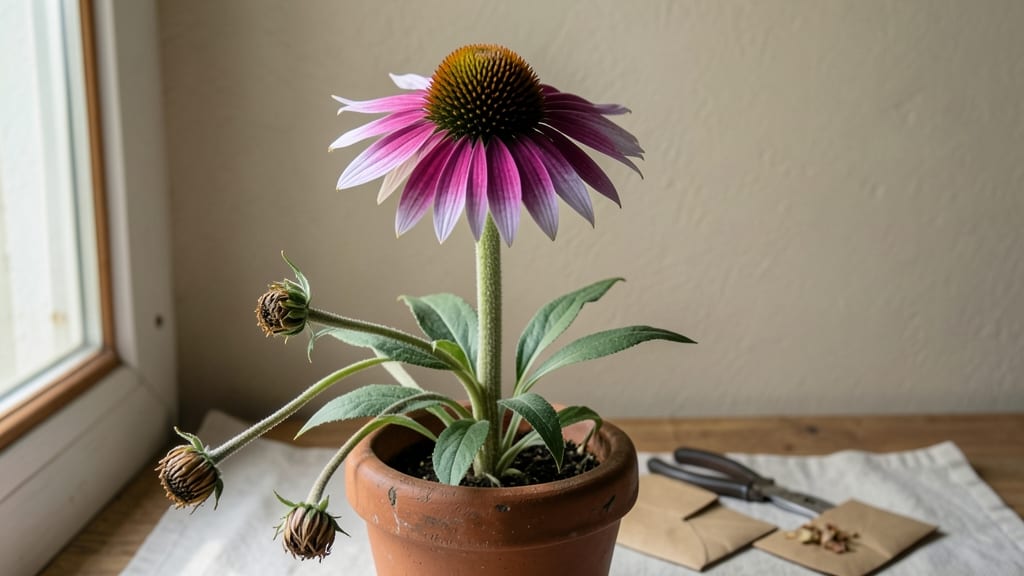
Storing flower seeds for next year means the difference between a thriving garden and a sad packet of dried-out scraps. 🌸 I’ve learned the hard way—last winter, I nearly lost my prized cosmos seeds to a damp basement corner, and this year, they’re ready for proper preservation.
The secret lies in dryness and cool temperatures, not fancy equipment. You’ll need airtight containers, silica gel packets (or even uncooked rice in a sock), and a dark spot like the back of your fridge or a cool pantry.
Label everything with the seed name and date—trust me, you won’t remember which packet is which by spring.
When stored right, your seeds can stay viable for 3-5 years, sometimes even longer. Picture opening that container next winter and seeing plump, firm seeds ready to bring back next summer’s blooms—zinnia frills, sunflower faces, or whatever you love best.
Just avoid the freezer unless you’re storing for decades, and never let moisture creep in.
Test a few seeds before planting to confirm they’re still good. A simple paper towel test (moisten, fold, wait) tells you if they’re ready to grow. Now let’s get those seeds tucked away safely—your future garden depends on it.
📚 In This Guide
- What you need
- Instructions
- Tips and common mistakes
- Wrapping up and next steps
What you need
- ● Paper envelopes or seed packets: 5x7-inch or larger, made of unbleached paper (avoid plastic or treated paper).
- ● Air-tight containers: Small glass jars with tight-sealing lids (like mason jars) or resealable plastic bags with zip locks.
- ● Desiccant packets: 2-3 silica gel packets (available at craft stores or online) to absorb moisture.
- ● Permanent marker or labels: For writing seed names, varieties, and harvest dates.
- ○ Small funnel (optional but helpful): To avoid spills when transferring seeds into containers.
- ● Cool, dark storage space: A refrigerator (crisper drawer works well) or a basement with stable humidity (40-50% ideal).
- ● Vacuum-seal bags: For long-term storage (up to 5 years) if you have a vacuum sealer.
- ● Humidity indicator cards: To monitor moisture levels in your storage containers.
- ● Seed catalog or digital tracker: To log seed details like germination rates and storage dates.
Step-by-step instructions for long-term flower seed storage
Here's the foolproof method I've used for years to keep seeds viable until next planting season.
🌱 Step 1: Harvest Seeds at Peak Ripeness
Collect seeds only when they're fully mature but still dry on the plant—waiting too long causes them to shatter or develop mold. For flowers like zinnias or marigolds, this means the seed heads have turned brown and papery, while the seeds inside rattle when shaken gently. Harvest on a dry morning after dew has evaporated to prevent moisture damage.
Use clean, dry scissors or your hands to snip seed heads and place them in a single layer on a baking sheet. Let them dry completely indoors for 3-5 days in a warm, dry spot with good air circulation. You'll know they're ready when the seed pods crumble easily between your fingers and seeds fall out without resistance.
⏰ Step 2: Clean and Dry Seeds Thoroughly
Spread the dried seed heads on a clean white towel or paper towel. Gently rub them between your palms to separate seeds from chaff and debris. For stubborn pods like those from delphiniums, place them in a paper bag and shake vigorously—seeds will fall to the bottom while lighter plant matter stays suspended. Remove any remaining plant material by hand.
Spread the cleaned seeds in a single layer on a fresh paper towel or mesh screen. Let them dry for an additional 2-3 days in a warm, dry place. Properly dried seeds should feel light in your hand and have a matte, non-sticky surface. If they still feel damp or clump together, extend drying time by another day.
🪴 Step 3: Choose and Prepare Storage Containers
Use airtight containers like glass jars with tight-sealing lids, small plastic bags with zip locks, or seed envelopes. For small quantities, I prefer small glass jars with desiccant packets—the desiccant absorbs any remaining moisture and helps maintain dry conditions. Label each container with the seed variety and harvest date using a permanent marker.
Add a desiccant packet (like those used for electronics) to each container to absorb moisture. If you don't have desiccant, place a small piece of uncooked rice in the container—it will absorb moisture over time. Fill the container no more than halfway to allow space for the seeds to spread out and prevent clumping.
☀️ Step 4: Store in Optimal Conditions
Place the sealed containers in a cool, dark location with consistent temperatures between 35-50°F. A refrigerator crisper drawer or basement works perfectly—avoid areas with temperature fluctuations like above the fridge or near windows. The goal is to mimic natural dormancy conditions where seeds remain viable for years.
Check seeds annually by testing a few in moist paper towels. Place them in a sealed bag with a damp paper towel, then store in a warm spot. After 7-10 days, check for sprouts—if they germinate, the remaining seeds are still viable. If not, it's time to collect fresh seeds for next year's garden.
Tips & tricks for perfect flower seed preservation
Real talk: Proper seed storage isn't just about tossing them in a jar—it's about creating the perfect conditions to keep them viable for years. Here's what I've learned the hard way after testing different methods.
Harvest Timing is Everything: Don't rush harvesting—wait until seed heads are completely dry and rattly. I've seen seeds harvested too early develop mold, while those left too long shatter and lose viability. For delicate flowers like cosmos, harvest when the seed pods start turning brown but before they split open. The 3-5 day drying period on the baking sheet is non-negotiable—this prevents moisture from getting trapped in the pods during storage.
Drying Secrets: The additional 2-3 days of drying after cleaning is where most people cut corners. I've had batches of seeds clump together because they weren't dry enough, which creates the perfect environment for mold. Spread seeds in a single layer on a mesh screen or paper towel—this allows air to circulate on all sides. If seeds still feel damp after 3 days, extend drying time by another day rather than risking moisture damage in storage.
Container Selection Matters: While glass jars are my go-to, small paper envelopes work beautifully for single varieties. The key is airtightness—even a tiny gap can let in moisture. I've had great success with resealable plastic bags with zip locks, but make sure to press out all air before sealing. Remember, you're aiming for that halfway fill level to prevent seeds from touching each other, which can cause clumping and reduce viability.
Temperature Control: The 35-50°F range isn't just arbitrary—it mimics natural dormancy conditions. I store my seed containers in the crisper drawer of my refrigerator, which maintains that perfect cool temperature. Avoid the freezer—temperature fluctuations from freezing to thawing can damage seed viability. If you don't have refrigerator space, a basement or root cellar works well, but avoid attics or garages where temperatures can swing dramatically.
Pro Tips for Store Flower Seeds For Next Year
- Real talk: Proper seed storage isn't just about tossing them in a jar—it's about creating the perfect conditions to keep them viable for years.
- Harvest Timing is Everything: Don't rush harvesting—wait until seed heads are completely dry and rattly.
- Drying Secrets: The additional 2-3 days of drying after cleaning is where most people cut corners.
Frequently asked questions
Got questions about storing flower seeds? You’re not alone—many gardeners want to ensure their seeds stay viable until planting season. Here are answers to some of the most common queries to help you succeed!
What’s the best way to tell if flower seeds are still good after storage?
Test viability by placing a few seeds in a damp paper towel, sealing them in a bag, and keeping them warm (around 70°F) for 7–10 days. If they sprout, they’re still good! For flowers like marigolds or zinnia, germination rates drop after 2–3 years, so check labels or test a few seeds if unsure.
Can I store flower seeds in the freezer instead of the fridge?
Yes! Freezing is a great alternative—it slows moisture loss and preserves viability even longer. Place seeds in a sealed, airtight container or bag (with a silica packet if extra dryness is needed) and store them at 0°F or below. Label them with the date and flower type for easy retrieval next spring.
Do I need to dry seeds completely before storing them?
Moisture is the enemy of seed storage. After harvesting, spread seeds in a single layer on a paper towel or mesh screen in a warm, dry place for 1–2 weeks. Stir them occasionally to ensure even drying. Once fully dry (they should feel brittle and break easily), transfer them to your storage container.
What if my seeds get moldy or smell bad during storage?
Discard them immediately—mold or off smells mean the seeds are compromised. To prevent this, always store seeds in a cool, dry place (like a fridge or freezer) and use airtight containers with desiccant packets. If humidity is high in your home, consider adding a small packet of silica gel to absorb excess moisture.
Can I store seeds from hybrid flowers for next year?
Probably not—and here’s why. Many hybrid flowers (like petunias or impatiens) won’t grow true to type from saved seeds. If you want next year’s blooms to match, buy fresh seeds or look for heirloom or open-pollinated varieties labeled for seed saving. Save your money (and time) for reliable performers!
Wrapping up and next steps
Storing flower seeds properly ensures a vibrant garden next spring—no guesswork, just homegrown blooms! With the right mix of dryness, cool temperatures, and airtight containers, you’ll keep viability high and waste low.
Whether you’re a seasoned gardener or just starting, these simple steps make seed-saving effortless and rewarding.
Now that you’re armed with the know-how, grab those dried seeds and give them the care they deserve. Ready to plant with confidence? Start organizing your seed stash today—your future garden will thank you! 🌱✨