Planting
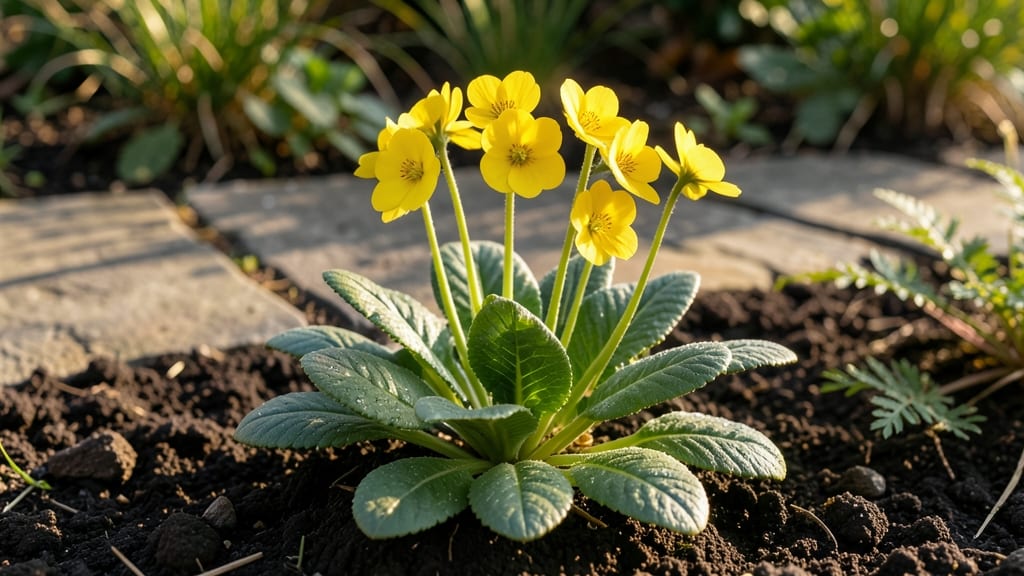
That cheerful little yellow flower plant brightening your Pacific Northwest garden could be a coreopsis, black-eyed Susan, or buttercup—all frost-resistant stars that thrive where others falter. I’ve grown them through three winters in my Zone 8 yard, and they’ve never let me down.
Their golden blooms turn dull days into sunshine bursts, and they’re tough enough to handle our wet springs and chilly summers.
The secret to their success? Well-draining soil and 6+ hours of sun daily—they’ll tolerate partial shade but bloom best in full light. Start seeds indoors 6-8 weeks before last frost or plant bare-root divisions in early spring.
Water deeply once a week (more in summer heat), and watch them spread like a cheerful carpet. These plants are low-maintenance but high-reward, perfect for beginners who want instant impact.
By midsummer, you’ll have a garden alive with movement—bees buzzing between blooms and stems swaying in the breeze. They self-seed reliably (sometimes too reliably), and their disease-resistant nature means fewer headaches than fussy annuals.
Pair them with purple salvias or deep-red coneflowers for a color contrast that pops, or let them naturalize in meadow-style beds.
If pests like aphids or powdery mildew appear (rare but possible), a hose blast or neem oil spray does the trick. Deadhead spent blooms to encourage more flowers, and divide clumps every 3-4 years to keep them vigorous.
These little sunbursts are the unsung heroes of Pacific Northwest gardens—let’s get yours growing!
📚 In This Guide
- What you need
- Instructions
- Tips and common mistakes
- Wrapping up and next steps
What you need
- ● Seeds or seedlings: 1–5 packets of Erigeron or Coreopsis seeds (or 1–3 nursery-grown plants, 4–6 inches tall). Choose frost-resistant varieties like Erigeron speciosus for PNW climates.
- ● Well-draining potting mix: 1–2 bags (1–2 cubic feet each) of organic, sandy loam or a cactus/succulent blend (mix in perlite or pumice for extra drainage).
- ● Containers or garden bed: For containers: 3–5 pots (5–7 inches deep) with drainage holes, or a raised bed (12" deep, 2–3 ft wide).
- ● For in-ground planting: A sunny spot (6+ hours of light) with loose, rocky soil (amend clay soil with compost).
- ● Watering can or hose: With a gentle spray nozzle (avoid over-saturating roots).
- ● Garden gloves (to protect hands from prickly stems).
- ● Trowel or transplant spade (for digging small holes).
- ● Mulch (straw or bark) (to retain moisture and suppress weeds).
- ● Fertilizer: A balanced, slow-release granular fertilizer (10-10-10) or compost tea (apply lightly every 4–6 weeks).
- ● Plant markers (to label varieties if testing multiple types).
How to grow Pacific Northwest sunburst flowers for year-round color
Here's how to cultivate that cheerful, frost-tolerant yellow beauty that thrives in PNW's unpredictable climate.
🌱 Step 1: Choose the Right Variety for Your Site
Pacific Northwest gardeners should select Erigeron speciosus (Pacific Coast Fleabane) or Erysimum 'Sunset' series for their exceptional cold hardiness. These varieties handle 20°F nights without browning, making them perfect for early spring or late fall planting. Look for plants labeled as perennial—they'll return reliably after establishing roots.
I always check the plant tags for USDA Zone 7-9 suitability—the PNW's coastal areas often fall into Zone 8, while inland valleys reach Zone 9. If your garden gets heavy winter rains, opt for varieties with semi-evergreen foliage to prevent rot. These yellow bloomers will reward you with 3-4 weeks of continuous color when planted correctly.
☀️ Step 2: Select and Prepare the Planting Location
Find a spot with at least 6 hours of morning sun—afternoon sun in summer can scorch the delicate petals. The PNW's frequent cloud cover means you'll need to supplement with dappled shade in hotter inland areas (like Portland's east side). I test locations by placing a white board where I plan to plant—if it stays cool to the touch by midday, it's safe for these sun-loving flowers.
Amend heavy clay soil with 2-3 inches of compost before planting. These flowers prefer well-draining soil with a pH between 6.0-7.0. If your garden soil is acidic (common in PNW forests), mix in 1 cup of lime per square foot and retest after 4 weeks. The roots will spread 12-18 inches wide, so space plants 18-24 inches apart to prevent overcrowding.
💧 Step 3: Plant at the Optimal Time and Depth
For spring planting, wait until 2 weeks after your last frost date—typically mid-April in coastal areas and early April inland. The soil should be 60°F or warmer at 4 inches deep. I always dig holes twice as wide as the root ball but only as deep as the container's base—planting too deep suffocates the crown and causes rot.
Gently remove plants from containers and tease apart any circling roots. Place each plant in its hole, backfill with native soil mixed with compost, and water deeply to settle the roots. The top of the root ball should sit ½ inch below soil level—this prevents stem rot during heavy PNW rains. Mulch with 2 inches of shredded bark to retain moisture and regulate soil temperature.
🌿 Step 4: Maintain Through the Growing Season
Water newly planted flowers once weekly for the first month, providing 1 inch of water per week. These yellow beauties are drought-tolerant once established, but they'll reward you with larger blooms if kept consistently moist. I check moisture by pressing my finger 1 inch into the soil—if it feels dry, that's your watering cue.
Deadhead spent blooms by pinching off the flower stem just above the first set of leaves. This encourages continuous flowering for 3-4 weeks instead of a single flush. In late summer, reduce watering to every 2 weeks to harden off the plants for winter. The PNW's maritime climate means these perennials often survive winter with minimal protection, but a 3-inch layer of straw mulch helps in colder inland areas.
✂️ Step 5: Prepare for Next Season's Growth
In early spring, cut back the previous year's growth by one-third to encourage fresh, vigorous shoots. This is also the time to divide established clumps if they've spread beyond their planting area. Simply dig up the plant, separate the root sections with a clean knife, and replant the divisions 12 inches apart.
Fertilize lightly in early spring with 5-10-10 fertilizer at ½ the recommended rate. These flowers prefer lean soil—too much nitrogen produces lush foliage but fewer blooms. I always test soil fertility before fertilizing, as PNW's rich organic matter often provides enough nutrients naturally. With proper care, your sunburst yellow flowers will return year after year, brightening the garden from early spring through summer.
Tips & tricks for growing Pacific Northwest sunburst flowers
Took me a while to figure out these key details that make all the difference with frost-resistant yellow blooms in the PNW.
Variety Selection Wisdom: When choosing between Erigeron speciosus and Erysimum 'Sunset', I recommend the latter for inland areas where temperatures dip below 20°F. The Sunset series has thicker stems that resist wind damage from those infamous PNW storms. For coastal gardens, Erigeron's delicate petals thrive in the milder maritime climate—just watch for salt spray which can burn the foliage.
Soil Preparation Strategy: The 2-3 inches of compost recommendation is non-negotiable for clay-heavy PNW soils. I've learned the hard way that skipping this step leads to poor drainage and root rot. For testing soil pH, use a simple kit from your local nursery—PNW's natural acidity often surprises gardeners. The 1 cup of lime per square foot adjustment takes 4 weeks to fully integrate, so plan ahead if you're working with acidic soil.
Planting Depth Technique: The ½ inch below soil level guideline prevents stem rot during our heavy winter rains. I use a small ruler to verify depth—this precision matters more than you'd think. For container-grown plants, gently squeeze the root ball to check moisture before planting; dry roots take longer to establish in our cool spring soils.
Watering Insight: The 1 inch per week guideline works for most PNW gardens, but I adjust based on rainfall. After planting, I water deeply every 3-4 days until new growth appears, then taper to weekly. Mulching with 2 inches of shredded bark helps maintain consistent moisture—this is especially important in sandy soils common along the coast.
Pro Tips for Little Yellow Flower Plant
- Took me a while to figure out these key details that make all the difference with frost-resistant yellow blooms in th...
- Variety Selection Wisdom: When choosing between Erigeron speciosus and Erysimum 'Sunset', I recommend the latter for ...
- Soil Preparation Strategy: The 2-3 inches of compost recommendation is non-negotiable for clay-heavy PNW soils. I've ...
Frequently asked questions
Got questions about your little yellow flower plant? You’re not alone! Whether you're a newbie gardener or just curious about this charming PNW beauty, here are some common queries—and their answers—to help you grow with confidence.
What’s the best time to plant a little yellow flower (e.g., Erigeron speciosus) in the Pacific Northwest?
Plant your sunburst beauty in early spring (March–April) or early fall (September–October) for ideal results. These windows give roots time to establish before summer heat or winter frost. Avoid planting in peak summer—soil stays too dry, and young plants may struggle.
How often should I water my little yellow flower plant?
Water deeply but infrequently—about 1–1.5 inches per week, including rainfall. Once established, these drought-tolerant plants thrive with weekly watering (or less in rainy PNW climates). Overwatering can lead to root rot, so check soil moisture before watering again.
Is this plant truly frost-resistant? Can it survive PNW winters?
Erigeron speciosus is hardy to USDA Zones 3–8, making it perfect for the PNW’s chilly winters. No special protection is needed—just mulch lightly around the base in late fall to retain moisture and warmth. It’ll bounce back in spring with vibrant yellow blooms!
What if my little yellow flowers aren’t blooming? How do I encourage flowers?
Lack of blooms often means too much nitrogen (focus on balanced or low-nitrogen fertilizer) or overcrowding. Try these fixes:
- Deadhead spent blooms to promote new flowers.
- Ensure full sun (6+ hours/day)—partial shade can reduce blooming.
- Prune leggy stems in early spring to encourage bushier growth.
Are there any yellow-flowering alternatives if this plant doesn’t thrive in my garden?
If your site is too shady or wet, consider these PNW-friendly yellow bloomers:
- Solidago (Goldenrod) – Drought-tolerant, late-summer blooms.
- Coreopsis (Tickseed) – Sun-loving, long-blooming.
- Lupinus (Lupine) – Tough perennial, thrives in poor soil.
- Helleborus (Lenten Rose) – Shade-tolerant, blooms in winter/spring.
What pests should I watch for, and how do I treat them?
These plants are generally pest-resistant, but keep an eye out for:
- Aphids: Spray with soapy water or introduce ladybugs.
- Spider mites: Increase humidity with mulch or shade cloth.
- Slugs/snails: Use beer traps or copper barriers.
Prevention is key—healthy soil and proper spacing reduce pest problems!
Wrapping up and next steps
Growing a little yellow flower plant like the Sunburst Croton is a rewarding way to bring vibrant color and resilience to your Pacific Northwest garden! These frost-resistant beauties thrive with minimal fuss, making them perfect for both beginners and seasoned gardeners.
Whether you’re adding them to containers, borders, or mixed beds, their cheerful blooms will brighten up your outdoor space effortlessly.
Ready to level up your gardening game? 🌱 Start by grabbing your supplies, picking the perfect spot, and following the steps above—your Sunburst Croton will thank you with stunning foliage all season long!
For extra inspiration, check out local PNW gardening groups to share tips and photos with fellow plant lovers.