Lawn
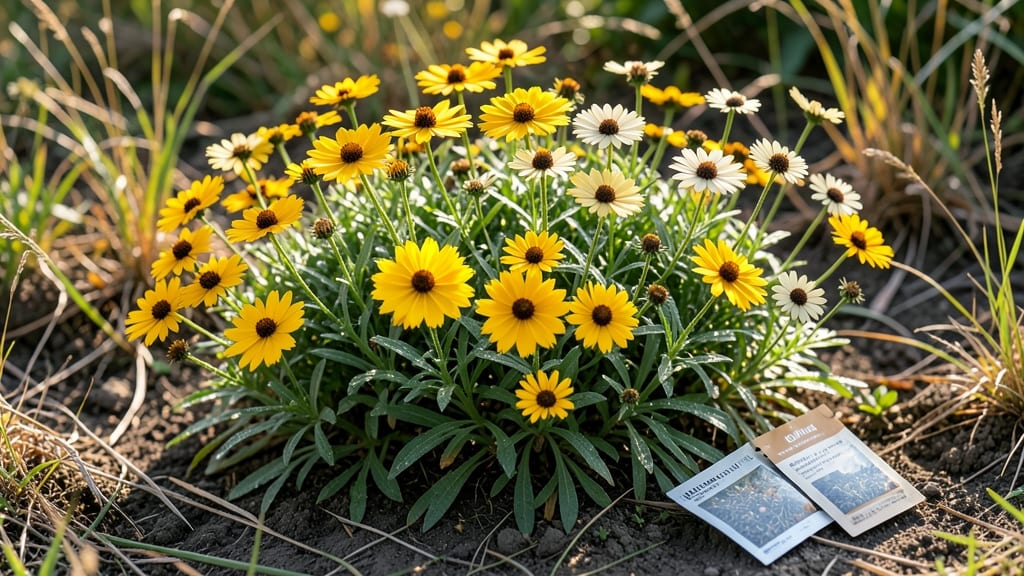
A Florida wildflower seed mix transforms your yard into a buzzing pollinator paradise without the fuss of manicured lawns. 🌸 I’ve planted mine along fence lines and in sunny patches where nothing else would grow—now it’s a riot of color that hummingbirds and butterflies can’t resist.
The key isn’t just throwing seeds on the ground; it’s letting nature do the heavy lifting once you set the stage right.
You’ll need well-draining soil (Florida’s sandy loam is perfect), full sun for most mixes, and minimal watering once established. The best time to plant is late summer or early fall, when summer heat has passed but winter rains haven’t yet arrived.
A light raking and occasional watering keeps seeds happy until they sprout in about 2-4 weeks—no fancy tools required.
What you end up with is a low-maintenance garden that blooms from spring through fall, supports local wildlife, and cuts down on water bills. The flowers might look wild, but they’re carefully chosen to thrive in Florida’s heat and humidity—no wilting, no fading, just relentless beauty.
Plus, you’ll spend less time mowing and more time watching fireflies dance at dusk.
Works in medians, rain gardens, or even between sidewalk cracks. The only real rule? Don’t overwater once they’re up, and let the native plants do their thing. Here’s how to get started without the guesswork.
📚 In This Guide
- What you need
- Instructions
- Tips and common mistakes
- Wrapping up and next steps
What you need
- ● Florida Native Wildflower Seed Mix: 1–5 lbs (depending on area size; 1 lb covers ~1,000 sq ft). Look for certified native seeds for best results!
- ● Soil: Well-draining, sandy, or loamy soil (typical of Florida’s native ecosystems). Test pH (ideal: 5.0–7.5).
- ● Water: Hose with a gentle spray nozzle or drip irrigation system.
- ● Sunlight: A full-sun location (6+ hours of direct sunlight daily).
- ● Garden Rake: For loosening soil and creating a fine seedbed.
- ○ Hoe or Broadfork: Optional, for breaking up compacted soil (especially in new planting areas).
- ● Straw or Mulch: Lightweight mulch (e.g., straw or pine straw) to retain moisture and protect seeds.
- ● Gloves & Knee Pads: For comfort during planting.
- ● Markers/Stakes: To label your wildflower area (helpful for future reference!).
- ● Soil Amendment: Compost or aged manure (mix sparingly—wildflowers thrive in lean soil!).
- ● Bird Netting: Temporary protection for seeds from hungry birds during germination.
- ● Wildflower Guidebook: For identifying species and care tips.
- ● Camera: To document your blooming paradise! 📸
Step-by-step guide to planting Florida wildflower seed mix
Here's how to create a vibrant pollinator garden that blooms effortlessly in Florida's climate.
🌱 Step 1: Prepare the Planting Site
Choose a sunny location that receives at least 6 hours of direct sunlight daily. Florida wildflowers thrive in full sun, so avoid shady spots where they'll grow leggy and sparse. Clear the area of weeds and debris, then loosen the top 4-6 inches of soil with a garden fork or tiller.
Wildflowers are drought-tolerant once established, so don't amend heavy clay soil—just break up compacted areas. If your soil is sandy, mix in 1-2 inches of compost to help retain moisture during germination. Test the soil pH—Florida wildflowers prefer slightly acidic to neutral soil, between 5.8 and 7.0.
🌿 Step 2: Scatter Seeds Evenly
Open the seed mix package and spread seeds by hand over the prepared area. Aim for a coverage rate of about 1/4 pound per 100 square feet—this ensures a natural, wildflower look without overcrowding. Walk lightly across the area to press seeds into the soil surface; they need light to germinate, so don't bury them.
For larger areas, use a broadcast spreader for even distribution. If planting near driveways or walkways, create a 1-foot border of mulch to prevent seeds from blowing away. Water the area lightly after scattering to settle the seeds without washing them away.
💧 Step 3: Water and Maintain Moisture
Keep the soil consistently moist but not soggy for the first 4-6 weeks—this is critical for germination. Water gently in the morning to allow the soil to dry slightly during the day. Use a sprinkler or hose with a fine mist setting to avoid dislodging seeds.
Once seedlings emerge, reduce watering to once every 5-7 days unless there's been recent rain. Florida wildflowers develop deep roots quickly, so deep watering encourages strong growth. Avoid overhead watering after germination to prevent fungal diseases like damping-off.
⏰ Step 4: Monitor Growth and Thin as Needed
Seedlings typically appear in 2-4 weeks, depending on temperature and moisture. Watch for the first true leaves—these will be small and round, not the initial seed leaves. Thin crowded seedlings to 6-12 inches apart once they reach 2-3 inches tall to give plants room to thrive.
Remove weaker seedlings by hand, leaving the strongest plants. This step prevents competition for nutrients and sunlight. After thinning, water deeply to help remaining plants establish. Mulch with 1 inch of organic mulch to retain moisture and suppress weeds without smothering young plants.
☀️ Step 5: Enjoy and Maintain the Wildflower Meadow
Once established, Florida wildflowers need minimal care. Water only during prolonged dry spells—mature plants are drought-tolerant. Deadhead spent blooms in late winter to encourage new growth, but leave some seed heads for wildlife and next year's flowers.
Mow the area once or twice a year in late winter or early spring, cutting back to 3-4 inches to promote fresh growth. Avoid fertilizers—wildflowers thrive in lean soil. In 3-4 months, you'll have a vibrant, pollinator-friendly garden that requires almost no maintenance.
Tips & tricks for planting Florida wildflower seed mix
Here's what nobody tells you about getting your wildflower garden off to the best start.
Sunlight Secret: That 6 hours of direct sunlight is non-negotiable for Florida wildflowers. If your yard has partial shade, consider creating a raised bed with at least 8 hours of sun exposure—this makes all the difference in how quickly and vigorously your flowers establish. I've seen gardens fail spectacularly when planted in shadier spots, even if they looked perfect at first.
Soil Prep Strategy: When loosening the top 4-6 inches of soil in Step 1, focus on breaking up any hardpan layers rather than turning the soil. Wildflowers thrive in well-drained soil, and excessive tilling can actually compact the soil again. For clay soils, use a broadfork to create channels rather than mixing everything up—this improves drainage without disturbing the soil structure too much.
Watering Wisdom: During those critical first 4-6 weeks, I've found that watering in the early morning (between 6-8 AM) gives seeds the best chance to absorb moisture without losing it to evaporation. Use a gentle rain setting on your hose or sprinkler to avoid creating mud puddles that can suffocate seeds. A light mist is all you need—think "dew level" moisture, not soaked ground.
Timing Tip: If you're planting in late summer or early fall, you might see germination in as little as 2 weeks—Florida's warm temperatures speed up the process. But if you plant in cooler months, those 2-4 weeks can stretch to 6 weeks. The key is consistency: keep that soil moist but never soggy during the entire germination period, no matter what time of year you plant.
Pro Tips for Florida Wildflower Seed Mix
- Here's what nobody tells you about getting your wildflower garden off to the best start.
- Sunlight Secret: That 6 hours of direct sunlight is non-negotiable for Florida wildflowers.
- Soil Prep Strategy: When loosening the top 4-6 inches of soil in Step 1, focus on breaking up any hardpan layers rather than turning the soil.
Frequently asked questions
Got questions about growing Florida wildflowers?
You’re in the right place! Here are answers to the most common questions about Florida wildflower seed mix—from planting tips to troubleshooting. Let’s dive in!
When is the best time to plant Florida wildflower seeds?
The ideal time to plant is late summer to early fall (August–October). This gives seeds time to germinate before winter, while avoiding the harshest summer heat. Pro tip: If planting in spring, water seeds daily until established to prevent drying out.
How much water do wildflower seeds need after planting?
Keep soil consistently moist (not soggy) for the first 2–3 weeks—water lightly daily or use a gentle mist. Once sprouted, reduce watering to 1–2 times per week (unless drought occurs). Native wildflowers thrive with less water once established!
Will wildflowers attract bees or other pests?
Yes! Wildflowers support pollinators like bees, butterflies, and hummingbirds—great for ecosystems. However, avoid planting near food sources if you have pest concerns. Most wildflowers are low-maintenance and won’t invite harmful insects like mosquitoes.
Can I mix wildflower seeds with grass seed?
A 50/50 mix of wildflower seeds and grass seed works well for sunny areas. For full sun, use 80% wildflowers and 20% grass to reduce mowing. Just ensure the grass is drought-tolerant (like Bahiagrass) to match wildflowers’ needs.
What if my wildflowers don’t grow?
Check these fixes:
- Sunlight: Ensure 6+ hours of direct sun daily.
- Soil: Wildflowers love well-draining soil—amend clay with compost.
- Timing: Replant in fall if spring planting failed.
- Patience: Some seeds take 2–3 weeks to sprout!
Wrapping up and next steps
Transforming your Florida landscape into a vibrant, low-maintenance wildflower haven is easier—and more rewarding—than you think! 🌸 With the right Florida wildflower seed mix, you’re not just planting seeds; you’re nurturing a thriving ecosystem that supports local wildlife while adding natural beauty to your yard.
Ready to see your space bloom with color and life?
Your next step? Take action! Research seed mixes tailored to your region, gather your tools, and start sowing—your future wildflower paradise awaits. Happy gardening! 🌿