Landscaping
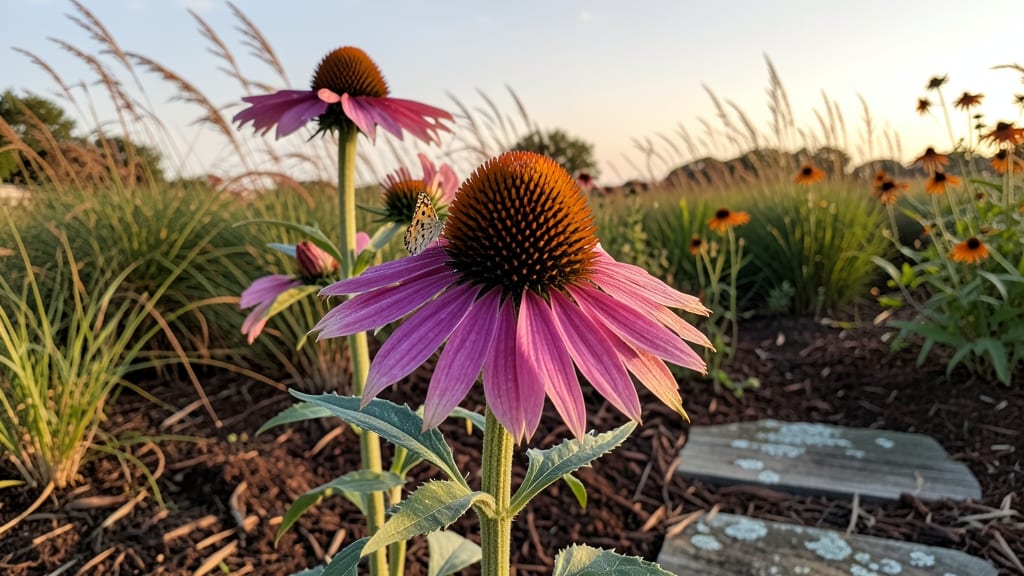
My first wildflower garden design started with a single seed packet and a stubborn patch of weeds—now it’s a buzzing, ever-changing paradise that blooms from spring through frost. 🌸 The key isn’t just throwing seeds everywhere; it’s layering plants by height, color, and bloom time to create depth and movement that keeps the garden alive all season long.
Begin with native perennials like black-eyed Susans and coneflowers for structure, then add annuals like cosmos and zinnias for color bursts. Mix in grasses like little bluestem for texture and late-season interest, and you’ll have a garden that thrives with almost no effort.
The best part? Every visit reveals something new—hummingbirds darting between blooms, bees packing pollen, or butterflies sipping nectar at dusk.
You’ll end up with a space that feels wild but intentional, where every season has its own personality. The early spring brings delicate violets and shooting stars, summer explodes with bold sunflowers and goldenrod, and fall lingers with asters and goldenrod.
Even winter offers seed heads for texture and birds to feast on.
This approach works for any size space—whether you’re transforming a corner of your yard or a small balcony planter. The principles stay the same: layer, repeat, and let nature do the rest. Ready to design your own pollinator paradise?
📚 In This Guide
- What you need
- Instructions
- Tips and common mistakes
- Wrapping up and next steps
What you need
- ● Seeds: Choose native wildflower seed mixes (1–3 lbs per 100 sq. ft.). Look for blends like Black-Eyed Susan, Coneflower, and Milkweed for pollinator appeal.
- ● Soil: Native soil or a mix of topsoil and compost (3–4 inches deep). Amend with sand or perlite if drainage is poor.
- ● Mulch: Straw or shredded leaves (1–2 inches thick) to retain moisture and suppress weeds.
- ○ Watering System: Drip irrigation or soaker hoses (optional but recommended for new gardens).
- ● Garden shovel or spade
- ● Rake (for leveling soil)
- ● Garden hose (with adjustable nozzle)
- ● Gloves (heavy-duty for seed handling)
- ● Wheelbarrow (for soil/compost transport)
- ○ Optional: Seed spreader (for large areas) or a tarp (to protect seeds from wind).
- ● Sunlight: Full sun (6+ hours/day) for most wildflowers. Partial shade works for some varieties.
- ● Location: Flat or gently sloped ground (avoid low spots where water pools).
- ● Soil Test: Check pH (most wildflowers prefer 6.0–7.5). Adjust with lime or sulfur if needed.
- ● Local Regulations: Verify if native plant sales are restricted in your area (some states prohibit non-native species).
How to design a layered wildflower garden for pollinators
Here’s how I create vibrant, low-maintenance gardens that bloom from spring through fall.
🌱 Step 1: Choose Your Planting Zones Based on Height and Season
Start by dividing your space into three distinct layers: tall backdrops, mid-height blooms, and low-growing ground covers. Tall perennials like Joe Pye weed or coneflowers (3–6 feet) anchor the back, while mid-height options like black-eyed Susans or beebalm (2–3 feet) fill the middle. For the front, use short wildflowers like lupine or purple coneflower (under 2 feet).
Here’s the thing—mix early, mid, and late-season bloomers so your garden never looks bare. For example, pair wild columbine (spring) with goldenrod (fall) and butterfly weed (summer). This ensures continuous nectar for pollinators all year. I sketch a rough layout first, marking sun exposure and moisture zones to avoid planting drought-sensitive species in dry spots.
☀️ Step 2: Select Native Wildflowers for Your Climate
Native plants thrive with minimal care and support local ecosystems. Check your USDA hardiness zone to pick species that naturally grow in your region. For example, in the Southeast, partridge pea and blanket flower are tough, while in the Northwest, yarrow and lupine dominate. Avoid non-native invasives—they crowd out native species and harm pollinators.
I always include a mix of single-bloom flowers (like lupine) for bees and double-bloom varieties (like black-eyed Susan) for butterflies. Pro tip: Group flowers by color to create visual impact—purples and blues attract bees, while yellows and whites lure butterflies. Plant in odd-numbered clusters (3, 5, or 7) for a natural, full look.
🪴 Step 3: Prepare the Soil and Plant in Clusters
Wildflowers love well-draining soil but don’t need rich amendments. Loosen the top 6 inches of soil with a garden fork, then scatter seeds or transplants in 3–5 plant clusters (not single rows). This mimics natural growth patterns and makes the garden look lush faster. Space clusters 12–18 inches apart for mature plants to fill in without overcrowding.
Water deeply after planting to settle the soil, then let nature take over. Wildflowers hate soggy roots, so avoid heavy mulch—just a thin layer of straw (if needed) to suppress weeds. I skip fertilizers entirely; wildflowers thrive in lean soil. Instead, add a light compost top-dressing in early spring to boost nutrients without overwhelming the plants.
✂️ Step 4: Maintain With Minimal Intervention
Once established, wildflower gardens need almost no upkeep. Deadhead spent blooms in early fall to encourage new growth, but leave seed heads over winter—they feed birds and add texture. Mow back brown stems in late winter (before new shoots appear) to tidy the space without harming dormant plants.
Water only during drought periods—wildflowers are drought-tolerant once rooted. If weeds pop up, pull them by hand or spot-treat with vinegar spray (1 gallon vinegar + 1 tablespoon dish soap) to avoid harming wildflowers. I’ve seen gardens thrive with zero pesticides—healthy soil keeps pests away naturally.
Tips & tricks for perfect wildflower garden design
These simple strategies will help you create a thriving pollinator haven that looks stunning year-round.
Layering Secret: When planning your three layers in Step 1, remember that mature heights matter most. The 3–6 feet tall backdrops should be placed against fences or walls, while the under 2 feet front layer should spill over edges naturally. I like to sketch a rough scale drawing first—this helps visualize how each plant will fill its space without overcrowding. The key is leaving room for growth while maintaining that natural, wild look.
Native Plant Pairing: In Step 2, focus on pairing plants with complementary bloom times but different heights. For example, I often combine black-eyed Susans (mid-height, summer) with goldenrod (tall, fall) and lupine (short, spring). This creates vertical interest while ensuring continuous blooms. Check your local native plant society's website for regional combinations that work best in your climate zone.
Soil Prep Shortcut: For Step 3's soil preparation, you don't need to till deeply—just break up the top 6 inches with a garden fork. This prevents disturbing soil organisms while improving drainage. I've found that adding a thin layer of compost (about 1 inch) right before planting gives plants a gentle nutrient boost without overwhelming them. This is especially helpful in urban areas where soil quality might be poor.
Maintenance Hack: In Step 4, I've discovered that the vinegar spray (1 gallon vinegar + 1 tablespoon dish soap) works wonders for spot-treating weeds, but apply it on calm days—wind can drift the spray onto your wildflowers. For larger areas, I use a hoe to cut weeds at the base rather than pulling them, which prevents disturbing wildflower roots. This method keeps your garden looking tidy with minimal effort.
Pro Tips for Wildflower Garden Design
- These simple strategies will help you create a thriving pollinator haven that looks stunning year-round.
- Layering Secret: When planning your three layers in Step 1, remember that mature heights matter most.
- Native Plant Pairing: In Step 2, focus on pairing plants with complementary bloom times but different heights.
Frequently asked questions
Got questions about creating your own wildflower garden design? You’re not alone—many gardeners want to know the best ways to make their space bloom with life while keeping it low-maintenance and pollinator-friendly. Here are answers to the most common queries!
When is the best time to plant wildflowers?
For most regions, late summer to early fall (August–September) is ideal—seeds germinate in cooler weather, giving roots time to establish before winter. Spring planting works too, but expect slower growth. If you’re in a warm climate, plant in winter or early spring to avoid summer heat stress. Pro tip: Check your seed packets for region-specific timing!
How much water do wildflowers need?
Wildflowers are drought-tolerant once established, but newly planted seeds or seedlings need regular watering (1–2 inches per week) for the first 2–3 weeks. After that, deep but infrequent watering (like nature provides) encourages strong root systems. Overwatering can cause rot, so let soil dry slightly between waterings.
Will wildflowers attract bees and butterflies—or pests?
Yes! Wildflowers are pollinator magnets (think milkweed for monarchs, coneflowers for bees). To minimize pests, avoid over-fertilizing (wildflowers thrive in lean soil) and plant native species, which support local ecosystems. If you spot unwanted visitors like aphids, a hose blast or neem oil spray usually does the trick without harming pollinators.
Can I mix wildflowers with other plants?
Wildflowers pair beautifully with perennials, shrubs, and even grasses for texture and year-round interest. For example, pair black-eyed Susans with ornamental grasses or lavender with sedum. Just ensure your other plants share similar sunlight and water needs. Pro tip: Leave some “bare” soil for self-seeding wildflowers to spread naturally!
What if my wildflowers don’t bloom the first year?
Don’t worry—many wildflowers, especially perennials and biennials, focus on root growth in their first year. Second-year blooms are often the most spectacular! If your garden stays barren, check for shade issues (most wildflowers need full sun) or overcrowding. Thin seedlings if needed, and add a light mulch to retain moisture.
How do I handle wildflowers in extreme heat or cold?
Wildflowers are resilient, but mulching (2–3 inches of straw or leaves) helps retain moisture in heat and insulate roots in cold. In drought-prone areas, group plants with similar water needs and water deeply at the base. For frost-sensitive species (like cosmos), plant them after the last frost date. Pro tip: Native wildflowers are your best bet—they’re already adapted to your climate!
Wrapping up and next steps
Creating a wildflower garden design that thrives year-round is not just about beauty—it’s about nurturing life and supporting pollinators while adding charm to your outdoor space. 🌸 By layering native plants, prioritizing pollinator-friendly blooms, and embracing seasonal interest, you’ve got a recipe for a vibrant, low-maintenance paradise.
The best part? Every step you take brings you closer to a garden that hums with activity and delights the senses.
Ready to bloom with confidence? Start small—plant a single pollinator patch or expand one section at a time. Before you know it, your garden will be a buzzing, colorful haven that brings joy (and bees!) all year long. Happy gardening! 🌿