Propagation
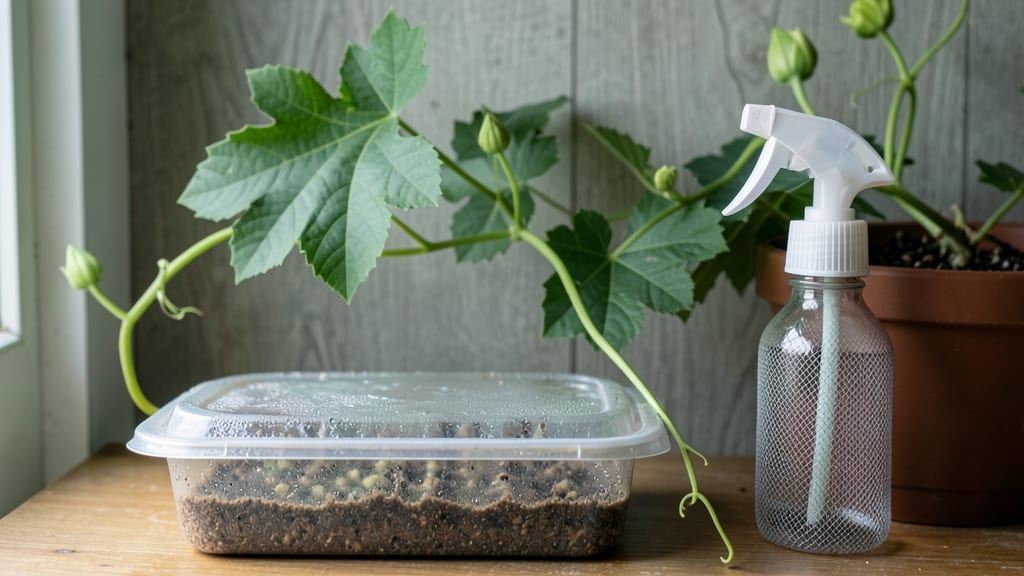
Germinating passion flower seeds feels like waiting for a slow-motion miracle—until you know the tricks to speed it up. 🌱 The key isn’t patience alone, but creating the exact warmth and moisture conditions these tropical seeds crave before they’ll even think about sprouting.
My first batch took three months; now, I’ve cut that time by half using simple pre-treatment methods that break through their stubborn dormancy.
You’ll need just four things: a heat mat or warm spot, a spray bottle, a clear plastic bag, and a pinch of patience. The soil mix should be light and airy—equal parts peat moss and perlite—so those tiny roots can stretch without fighting.
Most gardeners overlook the pre-soak step, but soaking seeds for 24 hours in warm water doubles your chances of success. Passion vines reward preparation with vigor.
Within 10-14 days, you’ll see the first green hooks breaking through the soil—tiny, delicate, and full of promise. The real magic happens when you maintain 75-80°F soil temps and keep the growing medium damp (not soggy).
Too cool, and they’ll stall; too dry, and they’ll give up entirely. This is where most beginners lose their nerve, but stick with it—those first leaves are just the beginning.
Once sprouted, transplant carefully into individual pots when they’ve got two true leaves. Here’s where it gets interesting: passion vines grow fast, but they need strong morning sun to keep up.
The biggest mistake? Moving them too soon. Give them 4-6 weeks of indoor nurturing before they meet the great outdoors—unless you’re in a frost-free zone, then they’ll thrive outside all year.
📚 In This Guide
- What you need
- Instructions
- Tips and common mistakes
- Wrapping up and next steps
What you need
- ● Passion flower seeds: Fresh or store-bought (preferably within 6 months of harvest for best viability). Aim for 5–10 seeds per batch.
- ● Seed-starting mix: Lightweight, sterile potting soil (e.g., cactus/succulent mix or a blend of 50% perlite + 50% peat moss). Use a small container (4–6 inches wide) with drainage holes.
- ● Spray bottle: With a fine mist setting to keep seeds moist without drowning them.
- ● Plastic wrap or humidity dome: To create a mini greenhouse effect (e.g., a clear plastic bag or seedling heat mat cover).
- ○ Heat source (optional but recommended): Seedling heat mat (70–85°F range) or
- ● Warm spot near a sunny window/south-facing wall (e.g., top of fridge or under grow lights).
- ● Small container or tray: For collecting condensation (e.g., a shallow dish or plastic lid).
- ● Pencil or toothpick: For gently pressing seeds into the soil (no deeper than ¼ inch).
- ● Grow lights: LED or fluorescent (12+ hours/day) if natural light is weak.
- ● Fungicide: A light dose of hydrogen peroxide (3%) or cinnamon powder to prevent mold.
- ● Label & marker: To track planting dates (passion flower seeds can take 2–4 weeks to sprout!).
- ● Fine mesh screen: For covering seeds if pests (like ants) are a concern.
Step-by-Step instructions for germinating passion flower seeds
Here's how I get these tricky seeds sprouting reliably—warmth and patience are your best tools.
🌱 Step 1: Pre-Treat Seeds for Faster Germination
Passion flower seeds have a tough outer shell that slows sprouting. To speed things up, soak the seeds in warm water for 12-24 hours before planting. Use a small bowl of water kept at 75-80°F—this mimics tropical conditions where these vines thrive naturally. I like to place the bowl in a sunny window or on a seedling heat mat to maintain that gentle warmth.
After soaking, you'll notice the seeds soften slightly and some may even crack open. This is your signal that germination is about to begin. Drain the water completely before moving to the next step—you don't want soggy seeds sitting in moisture overnight, which can cause rot.
💧 Step 2: Plant in Moist, Well-Draining Soil
Fill small pots or seed trays with a light, airy seed-starting mix—never garden soil, which compacts and holds too much moisture. Passion flower roots need room to breathe, so I avoid heavy mixes. Plant the soaked seeds ½ inch deep in the soil, spacing them 1 inch apart in their containers.
Water gently until the soil feels evenly moist but not waterlogged. You'll know it's right when water runs through the bottom of the pot without pooling. Cover the trays with clear plastic wrap or a humidity dome to trap warmth and moisture. This creates a mini greenhouse effect that passion flowers love—just like their native tropical habitats.
☀️ Step 3: Provide Warmth and Indirect Light
Place your seed trays in a warm spot with bright, indirect light—think 70-75°F and 6-8 hours of filtered sunlight daily. A south-facing window works well, but avoid harsh midday sun, which can overheat the seeds. If your home runs cooler, use a seedling heat mat underneath the trays to maintain consistent warmth.
Check the soil moisture daily—you'll see condensation on the plastic wrap, which is normal. If it starts to fog up heavily, that's your cue to lift the cover for 10-15 minutes to prevent fungal issues. Germination can take 2-4 weeks, so patience is key. Watch for tiny green sprouts pushing through the soil—this is when you'll know your moisture and warmth are just right.
⏰ Step 4: Transplant Seedlings to Larger Pots
Once seedlings develop 2-3 true leaves (not just the initial seed leaves), they're ready to move to 3-4 inch pots with fresh potting mix. Gently remove each seedling, being careful not to disturb the delicate roots. I use a small spoon to scoop around the base if needed—passion flower roots are tender and break easily.
After transplanting, water lightly to settle the soil around the roots, then place the pots in bright, indirect light again. Keep the soil consistently moist but never soggy—this is where many growers struggle. You'll see new growth within 1-2 weeks if conditions are right. This is the stage where passion flowers really start to show their potential!
Tips & tricks for germinating passion flower seeds
These small but powerful tricks will help you coax those stubborn passion flower seeds into sprouting like clockwork.
Soaking Strategy: For the 12-24 hour soak in Step 1, I've found that adding a few drops of liquid seaweed fertilizer to the warm water boosts germination rates. The natural plant hormones in seaweed help soften the seed coats faster while providing early nutrition. Just use a tiny amount—about ¼ teaspoon per quart of water—so you don't overpower the seeds. This is especially helpful if you're working with older seeds that might be more resistant.
Temperature Consistency: Maintaining that 75-80°F range during soaking is crucial, but here's a pro move: place your bowl of seeds on top of a refrigerator (not inside) to create a warm, stable environment. The top of most fridges stays around 80°F naturally, and this eliminates the need for extra equipment. If your home runs cooler, consider using a small aquarium heater set to 75°F—it's designed for maintaining precise temperatures in water, but works perfectly for your seed soaking bowl too.
Lighting Hack: When setting up your bright, indirect light in Step 3, I recommend using a simple LED grow light on a timer for 6-8 hours daily. These are affordable and provide the perfect spectrum for seedlings. Position it about 6 inches above your trays and set it to turn on in the morning and off in the evening to mimic natural daylight cycles. This consistency is what passion flower seedlings thrive on—especially important if you're growing during winter months when natural light is limited.
Transplanting Timing: In Step 4, when you're ready to transplant those precious seedlings, here's what I've learned: wait until you see the second true leaf fully unfurl before moving them. The first true leaves are often smaller and can be misleading about the plant's actual readiness. Also, handle the seedlings by their leaves rather than the stems—this helps prevent damaging the delicate root systems that are just beginning to establish themselves in their new pots.
Pro Tips for Germinate Passion Flower Seeds
- These small but powerful tricks will help you coax those stubborn passion flower seeds into sprouting like clockwork.
- Soaking Strategy: For the 12-24 hour soak in Step 1, I've found that adding a few drops of liquid seaweed fertilizer to the warm water boosts germination rates.
- Temperature Consistency: Maintaining that 75-80°F range during soaking is crucial, but here's a pro move: place your bowl of seeds on top of a refrigerator (not inside) to create a warm, stable environment.
Frequently asked questions
Got questions about germinating passion flower seeds?
You’re not alone! Here are answers to the most common queries—so you can grow those vibrant vines with confidence.
How long does it take for passion flower seeds to germinate?
Germination can take anywhere from 2 weeks to 3 months, depending on warmth and moisture. Most seeds sprout within 4–8 weeks if kept in a consistently warm (70–85°F) and humid environment. Patience is key—some stubborn seeds may need extra time!
Can I germinate passion flower seeds in cold weather?
Cold weather slows or stops germination. If your climate dips below 60°F, use a seedling heat mat or move pots to a sunny windowsill or greenhouse. Alternatively, start seeds indoors under grow lights until soil warms up in spring.
What if my passion flower seeds rot instead of sprouting?
Overwatering or poor drainage causes rot. To fix this:
- Use a well-draining mix (50% perlite/pumice + 50% peat or coco coir).
- Water only when the top inch is dry—keep soil moist, not soggy.
- Ensure pots have drainage holes to prevent waterlogging.
Do passion flower seeds need light to germinate?
No! Seeds germinate best in darkness—cover pots with a plastic bag or lid until sprouts appear (usually 2–4 weeks). Once seedlings emerge, move them to bright, indirect light (like a south-facing window) to prevent legginess.
What’s the best alternative if my seeds won’t sprout?
If germination fails, try:
- Scarification: Lightly sand or nick the seed coat to help water penetrate.
- Stratification: Chill seeds in a damp paper towel in the fridge for 2–4 weeks before planting.
- Buy seedlings: Local nurseries often sell young passion flower plants, saving you the wait!
Wrapping up and next steps
Germinating passion flower seeds is all about patience, warmth, and a little extra care—but the rewards are worth it! 🌱 With the right setup, you’ll soon watch those tiny seeds sprout into vibrant, climbing vines.
Remember, consistency in moisture and temperature is key, and don’t hesitate to troubleshoot if things stall.
Ready to take the next step? Once your seedlings are strong and sturdy, it’s time to transplant them into pots or your garden. Keep an eye on their progress, and soon you’ll be enjoying the stunning blooms and edible fruits of your passion flower plants! 🌸