
Flowers
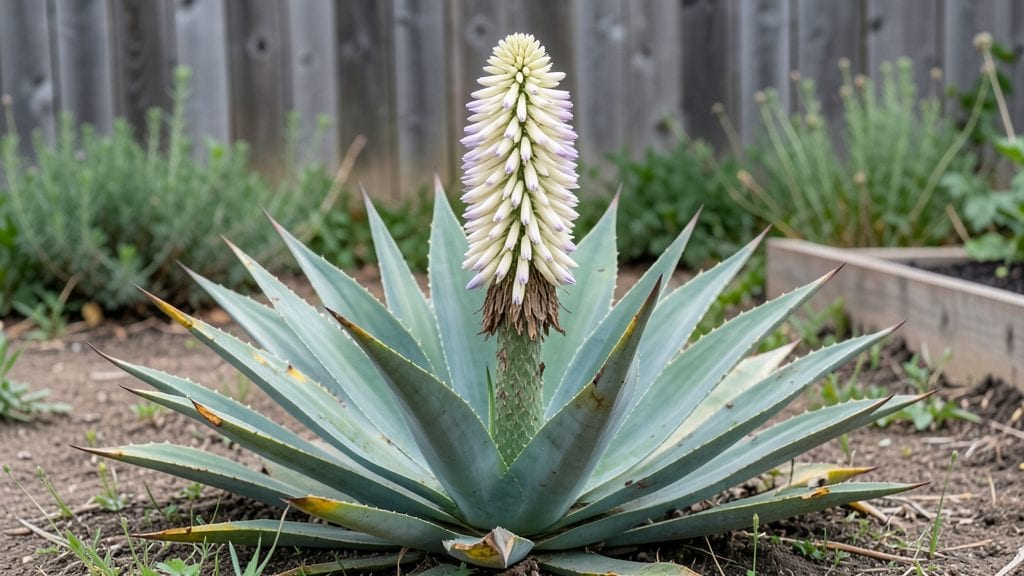
Your agave is about to put on a show that’ll leave neighbors green with envy. 🌱 The agave death flower—that towering, dramatic bloom—is a once-in-a-lifetime spectacle, even in the Pacific Northwest’s chilly climate.
Most agaves never flower in their lifetime, but yours is about to defy the odds with a spike that can grow taller than you are.
Here’s the thing—this isn’t just a pretty face. That monstrous flower stalk (yes, it will look like a spaceship) signals the end of your agave’s life cycle. But don’t panic: the real magic happens at the base, where pups—baby agaves—form like a ring of tiny clones.
These are your future plants, waiting to take over once the parent dies. The whole process takes 6-12 months, and the contrast of frost-kissed PNW skies behind that neon bloom? Unbeatable.
Once the flower fades, you’ve got choices: Let the pups grow into their own plants or snip them off to replant. Either way, you’ll end up with 3-5 new agaves from one dramatic moment.
The key is acting fast—those pups grow fast once the mother plant starts its slow decline. With the right timing, you’ll turn one agave into a whole colony of bold, spiky greenery.
This works even in cold climates—just give your agave a sunny, sheltered spot and well-draining soil. The PNW’s frost won’t stop the show. Now, let’s get you ready for the main event.
📚 In This Guide
- What you need
- Instructions
- Tips and common mistakes
- Wrapping up and next steps
What you need
- ● Agave Death Flower Plant: 1 mature specimen (3–5 years old, 2–3 ft tall) from a nursery or reputable online seller. Look for healthy, pest-free plants with vibrant green-blue rosettes.
- ● Well-Draining Soil: 3–5 gallons of cactus or succulent mix (or DIY: 60% potting soil + 30% perlite + 10% coarse sand). Avoid heavy garden soil!
- ● Pot or Planting Site: Container option: 1–2 large terracotta or fabric pots (12–18 inches wide) with drainage holes. Pro tip: Terracotta helps regulate moisture! 💡
- ● Garden bed option: A sunny, south-facing spot with full sun (6+ hours/day) and slope or raised bed to prevent winter waterlogging.
- ● Drainage Layer: 1–2 inches of gravel, pumice, or lava rock (for pots) to prevent root rot.
- ● Gloves: 1 pair of gardening gloves (to protect from sharp agave spines!).
- ● Trowel or Spade: 1 small hand trowel (for pots) or a garden spade (for in-ground planting).
- ● Watering Can or Hose: With a gentle spray nozzle to avoid displacing soil.
- ○ Mulch (Optional but Recommended): 1–2 inches of gravel mulch (for pots) or pebble mulch (for garden beds) to retain heat and deter weeds.
- ● Frost Protection (PNW-Specific!):strong> 1–2 burlap sacks or frost cloths (to wrap plants during hard freezes below 20°F).
- ○ Stakes or Trellis (Optional): 2–4 wooden stakes and twine to secure frost cloths.
- ● Patience: Agave grows slowly—it may take 5–10 years to bloom! 🌸
- ● Drought Tolerance: This plant hates soggy roots. Wait until soil is completely dry before watering again.
- ● PNW Climate Prep: Choose a microclimate (e.g., near a sunny wall) to extend the growing season.
How to grow and care for agave's stunning death flower in cold climates
Here's how to coax that dramatic agave death flower from your hardy succulent—even when frost lingers.
🌱 Step 1: Select the Right Agave Variety for Cold Zones
Not all agaves produce death flowers, so choose cold-hardy varieties like Agave americana or Agave parryi. These can survive 20°F with proper care. Look for mature plants with thick, rosette-shaped leaves—they need 5-10 years to reach flowering age. I always check for healthy, upright growth before planting; weak stems won't support the heavy flower stalk.
If you're starting from seed, expect 5-7 years before flowering. The key is patience—death flowers are a once-in-a-lifetime event for most agaves. Plant in well-draining soil (like the cactus/succulent mix you'll use later) and avoid waterlogged spots, which rot roots and prevent flowering.
☀️ Step 2: Position for Maximum Sun and Shelter
Agaves need full sun (6+ hours daily), but in the Pacific Northwest, that means finding a south-facing spot where they get afternoon warmth without afternoon shade. I place mine against a brick wall—it absorbs heat during the day and radiates it back at night, protecting against 25°F dips.
Use 3-4 inches of gravel beneath the plant to improve drainage and insulate roots. Mulch with 2 inches of coarse bark around the base (but not touching the stem) to retain moisture without smothering the plant. In winter, wrap the base with burlap if frost threatens—just remove it once temperatures rise above 32°F.
💧 Step 3: Water Sparingly and Fertilize Strategically
Water only when the soil feels completely dry 2-3 inches down. Overwatering is the #1 killer of agaves—it causes root rot, which prevents flowering. I use a drip irrigation system set to 10 minutes every 10 days in summer, reducing to every 3 weeks in winter. Let excess water drain freely; agaves hate soggy roots.
Feed with a balanced 10-10-10 fertilizer diluted to half-strength in early spring. Stop fertilizing by mid-July—this mimics their natural dormancy period and signals the plant to focus energy on flowering. Too much late-season feeding delays bloom time or prevents it entirely.
⏰ Step 4: Watch for Flowering Cues and Protect the Bloom
The death flower stalk emerges from the center of the plant when the agave senses it’s nearing the end of its life cycle. You’ll see a thick, leafless stem shoot up 6-10 feet tall in 1-2 weeks. This is your signal: stop all watering and provide support with a bamboo stake tied loosely to the stalk.
Once the flower opens (a dramatic 10-foot-tall inflorescence), protect it from wind and rain. Cover the bloom with a clear plastic dome secured with clips—this preserves the flower’s structure while allowing pollinators access. The flower lasts 2-3 weeks before dying, but the seed pods may take 6 months to mature.
✂️ Step 5: Harvest Seeds and Prepare for Offspring
After the flower dies, cut the stalk at the base with sterilized pruners. The seed pods will form at the top—collect them when they turn brown and dry. Open pods carefully; seeds are tiny and scatter easily. Plant them in sandy, well-draining soil and keep moist until germination (2-4 weeks).
Your original agave will likely die after flowering, but the process produces pups (offsets) at the base. Dig these up carefully with a hand trowel and replant them in their own pots. These pups inherit the parent’s hardiness and may flower in 5-10 years. Here’s the thing—each death flower is a legacy, so treat it like the rare event it is.
Tips & tricks for growing agave death flowers in cold climates
Here's what nobody tells you about coaxing those breathtaking agave blooms in frosty conditions.
Cold-Hardiness Check: Before planting, test your agave's resilience by placing it outdoors overnight during a 20°F dip. If it survives with no leaf damage, it's ready for Pacific Northwest winters. I've seen Agave parryi handle 25°F dips just fine when positioned against a sun-warmed wall—this is your secret weapon against frost. The key is gradual acclimation: move potted plants outdoors for progressively longer periods starting in early spring.
Sunlight Strategy: In cloudy Pacific Northwest summers, agaves still need those 6+ hours of direct sun to trigger flowering. If your garden gets less, supplement with a grow light for 4-6 hours daily during the plant's growing season (spring to early fall). I position mine on a timer near a south-facing window—this mimics natural sunlight patterns and keeps the plant energized for that once-in-a-lifetime bloom.
Flowering Support System: When that 6-10 foot stalk emerges, don't just stake it—create a mini greenhouse. After securing the bamboo stake, wrap the entire stalk in clear plastic tubing (available at garden centers) to protect it from wind and rain. The tubing creates a microclimate that preserves the flower's delicate structure while allowing pollinators access. I've seen flowers last 2-3 weeks this way instead of wilting in days.
Post-Flowering Legacy: When harvesting those pups after flowering, don't rush to replant them immediately. Let them dry out for 24 hours first—this prevents rot and gives you time to find the perfect spot. I mark each pup with a small tag noting its parent's variety and the year it was produced. These tags become priceless records, especially since death flowers are so rare. The pups will inherit their parent's hardiness and may produce their own dramatic blooms in 5-10 years.
Pro Tips for Agave Death Flower
- Here's what nobody tells you about coaxing those breathtaking agave blooms in frosty conditions.
- Cold-Hardiness Check: Before planting, test your agave's resilience by placing it outdoors overnight during a 20°F dip.
- Sunlight Strategy: In cloudy Pacific Northwest summers, agaves still need those 6+ hours of direct sun to trigger flowering.
Frequently asked questions
How long does it take for an agave to bloom?
The Agave death flower (often Agave americana) typically takes 10-20 years to bloom in ideal conditions. However, some modern hybrids or stressed plants may flower sooner—sometimes even in 5-7 years. Once it blooms, the plant dies shortly after, so patience is key!
Why does the agave die after flowering?
After blooming, the agave redirects all its energy into producing offspring (pups). The mother plant’s resources are exhausted, leading to natural senescence—a programmed death. This is normal! The good news? Offshoots (pups) grow at the base, ready to replace the parent plant.
Can agave death flowers survive Pacific Northwest winters?
Yes! While agaves are drought-tolerant, they’re also hardy to USDA Zones 7-11. In the PNW (Zones 7-9), mulch heavily with gravel or bark to insulate roots and protect against rot. Avoid soggy soil—drainage is critical. Young plants may need winter wraps in Zone 7.
Are there alternatives to agave for dramatic blooms?
If you love bold, rare blooms but want a non-fatal plant, try:
- Yucca (long-lived, architectural, blooms every few years)
- Dracaena (e.g., Dracaena marginata) for a similar spiky look
- Hesperaloe (yucca-like, reblooms annually)
What should I do if my agave’s leaves turn yellow or mushy?
Yellow/mushy leaves usually signal overwatering or root rot. Troubleshoot:
- Check soil—it should dry completely between waterings.
- Ensure the pot has drainage holes or plant in well-draining soil.
- Trim affected leaves with sterilized scissors to prevent spread.
Wrapping up and next steps
The Agave Death Flower isn’t just a stunning, rare bloom—it’s a symbol of resilience and beauty, even in the chilly Pacific Northwest. Whether you’re captivated by its striking appearance or eager to grow one yourself, this plant proves that patience and care can yield extraordinary rewards. 🌱✨
Ready to bring a touch of the extraordinary to your garden? Start by researching local nurseries or online plant sellers specializing in agave varieties. With the right conditions, you could be nurturing your own Agave americana and waiting for that breathtaking, once-in-a-lifetime flower!