
Flowers
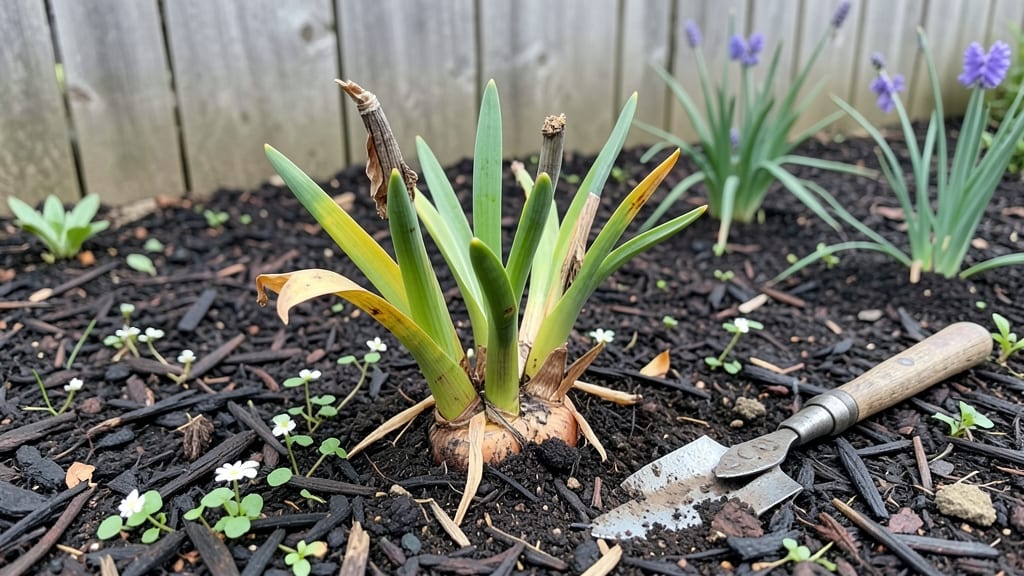
Don’t toss those drooping blooms—here’s what to do when hyacinth flower dies and your bulbs still thrive for next year’s show. ✨ you’ll get bold purple, pink, or white spikes again in just a few months.
The secret lies in leaving the foliage alone—don’t cut it back until it turns yellow and crispy on its own. This process feeds the bulb for next season’s blooms. Meanwhile, keep the soil lightly moist but well-drained, and avoid fertilizing (it encourages leaf growth over flower buds).
With just 6-8 weeks of proper care, your bulbs will recharge and produce even showier flowers next spring.
You’ll know you’ve done it right when you see fresh green shoots in early fall. The bulbs will multiply over time, giving you more blooms each year with minimal effort. Just remember: patience is key—hyacinths need 6-8 weeks of dormancy after flowering before they’re ready to bloom again.
Works for both in-ground plantings and containers, and the same care applies whether you have one bulb or a whole border. Here’s how to keep them thriving year after year without the guesswork.
📚 In This Guide
- What you need
- Instructions
- Tips and common mistakes
- Wrapping up and next steps
What you need
- ● Hyacinth bulbs: The star of the show! (Even if they’re shriveled or dormant, they’re still full of potential.)
- ● Well-draining potting mix: A blend of cactus/succulent mix (60%) and perlite or coarse sand (40%) for aeration. Quantity: Enough to fill your chosen container (e.g., 1–2 gallons per 2–3 bulbs).
- ● Pot or container: Choose one with drainage holes. Size: At least 6 inches deep and wide for 1–2 bulbs; larger for clusters. Material: Terracotta (breathable) or plastic (lightweight).
- ● Pruning shears or sharp scissors: For trimming dead foliage. Bonus: Disinfect with rubbing alcohol to prevent disease.
- ● Watering can with a rose attachment: For gentle, targeted watering. Avoid soaking the bulbs!
- ● Balanced fertilizer: A 10-10-10 or 5-10-10 granular formula. Quantity: 1–2 teaspoons per pot.
- ● Bulb fertilizer spikes: Slow-release nutrients for hassle-free feeding.
- ● Grow lights: If reviving bulbs indoors with 12–14 hours of light daily (LED or fluorescent, 4000–6500K).
- ● Mulch (e.g., pebbles or bark): To retain moisture in outdoor beds.
- ● Spray bottle: For misting bulbs during dormancy if humidity is low.
- ● Label markers: To track varieties (e.g., ‘Anna Marie,’ ‘Delft Blue’).
Step-by-Step guide to reviving dying hyacinth bulbs
Here's how to nurse your spent hyacinths back to health for another stunning spring show.
🌿 Step 1: Assess the Damage and Wait for Full Decline
Stop watering immediately when the flower stalks turn brown and crispy. This is nature's way of telling you the bulb is done for the season. Let the foliage yellow naturally—this process feeds stored energy back into the bulb for next year's blooms. You'll know it's time to act when the leaves turn completely brown and flop over, usually about 6-8 weeks after flowering.
Here's the thing—don't cut the leaves until they're fully brown and papery. I've learned the hard way that removing them too soon starves the bulb. The leaves are the bulb's solar panels, converting sunlight into stored nutrients. Even if they look ugly, leave them be until they're completely crisp.
✂️ Step 2: Trim and Store the Bulbs Properly
Once the foliage is completely brown and dry, use clean pruners to cut the leaves back to about 1 inch above the bulb. This prevents rot during storage while leaving enough stubble for the bulb to draw on its last reserves. Gently dig up the bulb using a fork or trowel, being careful not to pierce the bulb itself—hyacinths have delicate skins that bruise easily.
Shake off excess soil and let the bulbs dry in a shady, well-ventilated spot for 1-2 weeks. This curing process helps prevent mold. Store them in a paper bag or mesh container (never plastic) in a cool, dark place with temperatures between 50-60°F and good airflow. A garage or basement works perfectly—just keep them away from fruits and vegetables, which release ethylene gas that can harm the bulbs.
🪴 Step 3: Replant at the Right Time and Depth
Wait until 6-8 weeks before your first frost to replant—this gives the bulbs time to establish roots before winter. Choose a location with full sun to partial shade and well-draining soil. Hyacinths hate soggy roots, so amend heavy clay with 2-3 inches of compost mixed into the top 6 inches of soil.
Plant the bulbs 6 inches deep and 4-6 inches apart in rows. The rule of thumb is to bury them at a depth equal to three times their height. For most hyacinths, that means 6 inches deep. Space them properly now to avoid overcrowding—hyacinths multiply quickly, and you'll want room for next year's blooms to shine.
💧 Step 4: Water and Fertilize for Next Season's Growth
After planting, water thoroughly to settle the soil around the bulbs. Then, let nature take its course—hyacinths need very little water once established. Only water again when the top 2 inches of soil feel dry in spring. Overwatering in fall can cause rot, and you'll know you've got it right when the soil feels slightly damp but not soggy.
Apply a balanced bulb fertilizer (10-10-10) at planting time, following the package rate. In early spring, when you see the first signs of green shoots, give them another light feeding with the same fertilizer. This timing ensures they get the nutrients they need without encouraging excessive foliage at the expense of blooms. Real talk: Skip the high-nitrogen fertilizers—they'll give you leaves but few flowers.
Tips & tricks for reviving hyacinth bulbs
Common pitfalls—and how to sidestep every one—when bringing your hyacinths back from the brink.
Patience is Key: In Step 1, when you see those brown flower stalks, resist the urge to cut the foliage immediately. The leaves need that full 6-8 weeks to yellow naturally and feed nutrients back into the bulb. I've seen gardeners rush this step and end up with weak, non-flowering bulbs the next season. Trust the process—those ugly brown leaves are doing important work.
Storage Wisdom: The 1-2 week drying period in Step 2 is non-negotiable for preventing mold. I learned this after storing damp bulbs and waking up to fuzzy green growth—yuck! Place them in a single layer with good airflow, and avoid plastic containers entirely. A mesh bag or cardboard box works perfectly. Pro tip: Label your storage container with the variety name if you have multiple types.
Timing Secret: When replanting in Step 3, those 6-8 weeks before frost are critical. Check your local frost dates and mark your calendar—planting too early can encourage premature growth, while planting too late leaves bulbs vulnerable to winter cold. I always add a reminder note to my phone so I don't forget this crucial window. For northern climates, aim for mid-October planting.
Soil Savvy: The 2-3 inches of compost recommendation in Step 3 is your secret weapon for next year's blooms. Don't skip this if you have heavy clay soil—hyacinths absolutely hate soggy roots. I've seen them rot completely when planted in unamended clay. For sandy soils, you can reduce the compost to 1-2 inches, but never eliminate it entirely. The goal is well-draining soil that holds just enough moisture.
Pro Tips for What To Do When Hyacinth Flower Dies
- Common pitfalls—and how to sidestep every one—when bringing your hyacinths back from the brink.
- Patience is Key: In Step 1, when you see those brown flower stalks, resist the urge to cut the foliage immediately.
- Storage Wisdom: The 1-2 week drying period in Step 2 is non-negotiable for preventing mold.
Frequently asked questions
about reviving dying hyacinths—because even the toughest gardeners need a little guidance! Here are answers to the most common concerns to help you save your bulbs and welcome back those fragrant blooms next season.Can I save a hyacinth bulb after it dies back?
Hyacinths are perennial bulbs—they go dormant after blooming but store energy underground. Once the foliage turns yellow and wilts (usually 6–8 weeks after flowering), stop watering and let the soil dry out. The bulb will rest until fall, ready to bloom again with proper care. Just avoid digging it up unless pests or rot are suspected!
When is the best time to replant hyacinth bulbs?
Hyacinths thrive when planted in fall (6–8 weeks before the first frost). Aim for late September to early November in most U.S. zones. If your bulb survived in the ground, leave it be—digging too early can stress it. For potted hyacinths, replant after the foliage dies back completely, ensuring the bulb sits 3–4 inches deep in well-draining soil.
Why did my hyacinth flowers die early, and how can I prevent it?
Early death often signals overwatering, poor drainage, or pests (like squirrels or slugs). Ensure your hyacinth has well-draining soil and a pot with drainage holes if potted. Avoid fertilizing after blooming—this encourages foliage growth but weakens the bulb. For slugs, use organic barriers like crushed eggshells or diatomaceous earth.
What can I do with hyacinth bulbs that refuse to bloom?
Non-blooming hyacinths usually need a rest period or better conditions. Try these fixes:
- Chill them: Store bulbs in a cool (40–50°F), dark place for 8–12 weeks before replanting.
- Sunlight: Ensure they get full sun to partial shade (6+ hours of sun daily).
- Fertilizer: Use a balanced bulb fertilizer in early fall, but avoid high-nitrogen feeds.
- Check for crowding: Overcrowded bulbs bloom poorly—divide clumps every 3–4 years.
Are there alternatives to hyacinths for low-maintenance blooms?
If hyacinths feel too finicky, try these easy-care bulb alternatives with similar spring color:
- Daffodils (Narcissus): Pest-resistant, thrive in poor soil, and bloom reliably.
- Crocus: Early spring bloomers, drought-tolerant, and deer-resistant.
- Tulips: Classic choice—just plant in fall and deadhead spent blooms.
- Allium: Dramatic globe-shaped flowers with minimal upkeep.
Wrapping up and next steps
Don’t let a wilted hyacinth signal the end of its story—your bulbs are just taking a break for next season’s spectacular comeback! 🌱 With the right care, you can revive them and enjoy those fragrant blooms again.
Start by cleaning, storing, and nourishing your bulbs now, so they’re ready to thrive when spring rolls around.
Ready to give your hyacinths a second chance? Grab your gloves and get to work! Your future blooms will thank you.