
Flowers
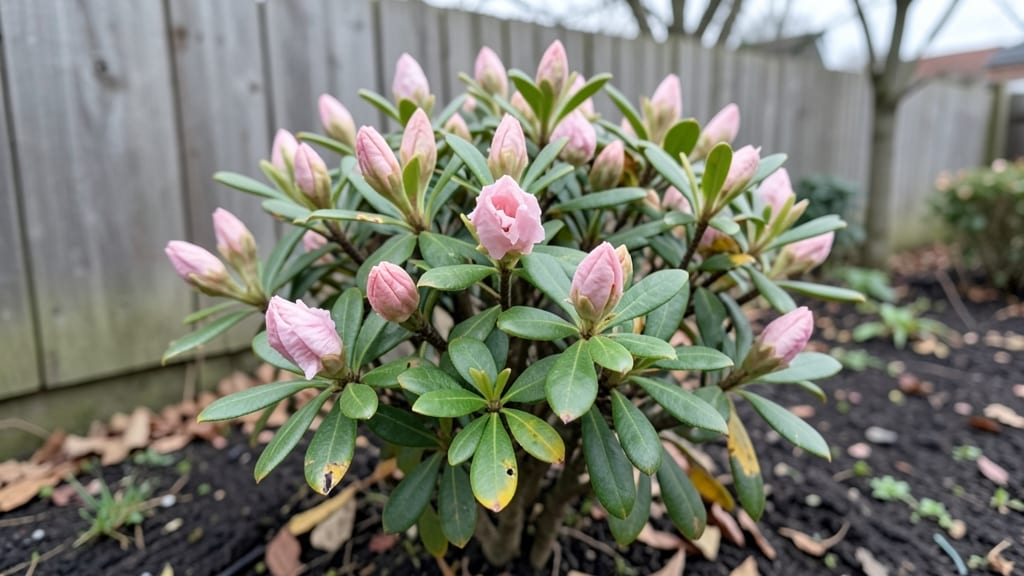
Your azalea flower buds are the promise of next spring’s showstopper blooms—if you prune them right this fall. 🌸 I’ve spent years watching Pacific Northwest azaleas recover from frost, and the secret to frost-resistant buds lies in timing, cuts, and a little winter prep work.
Most gardeners wait too late or cut too aggressively, and those delicate buds never open.
The key is pruning after blooms fade but before first frost, when buds form but haven’t hardened yet. You’ll need sharp shears, a pruning calendar (I’ll share mine), and an understanding of how azaleas store energy in their stems.
Over-pruning now means fewer buds next year—so we’ll focus on shaping, not thinning. Even in rainy PNW winters, these techniques keep buds safe until spring.
By following this method, you’ll see buds swell earlier, flowers last longer, and your azaleas bounce back from frost like they’re used to our damp, chilly winters. The payoff? Vibrant blooms that outshine neighbors’ plants by mid-May. Let’s get those shears ready—this is where the magic happens.
Works for both evergreen and deciduous azaleas, and adapts to container-grown plants too. Whether you’re dealing with a mature shrub or a young transplant, the principles stay the same. Here’s how to protect those buds through winter and beyond.
📚 In This Guide
- What you need
- Instructions
- Tips and common mistakes
- Wrapping up and next steps
What you need
- ● Azalea plants: Choose Rhododendron varieties hardy to USDA Zones 6-8 (e.g., 'Girard’s Pink', 'Enchantment', or 'Taff’s Light Pink'). Start with 3-5 mature plants (3-5 years old) for best results.
- ○ Well-draining acidic soil: Mix 50% peat moss or coconut coir + 30% pine bark fines + 20% perlite (pH 4.5–6.0). Test soil pH with a digital meter (optional but recommended).
- ● Pruning tools: Bypass pruners (for clean cuts on 1/4" stems)
- ● Loppers (for thicker branches, 3/8"–1" diameter)
- ● Sterilized rubbing alcohol (70% or higher) for tool disinfection
- ● Organic mulch: 3–4 inches of pine needles, wood chips, or shredded bark to retain moisture and acidity.
- ● Fertilizer: Slow-release acid-loving plant fertilizer (e.g., 10-10-10 or 8-3-9 with micronutrients). Apply once in early spring and again after blooming.
- ● Watering supplies: Hose with a gentle rain nozzle (avoid overhead spraying)
- ○ Drip irrigation kit (optional for large gardens)
- ● Soil amendments: Sulfur or iron sulfate to adjust pH if needed.
- ● Plant supports: Small stakes or rings for young plants in windy areas.
- ● Frost cloth: Lightweight 30–50 lb. test for late-season protection (Zones 6–7).
- ● Garden journal: To track pruning dates, bloom cycles, and plant health.
- ● Gloves: Heavy-duty gardening gloves to protect from thorns and sap.
Step-by-step guide for pruning azalea flower buds in the Pacific Northwest
Here's the method I've used for years to keep my azaleas blooming beautifully through PNW winters.
⏰ Step 1: Time Your Pruning to Flower Bud Development
Azaleas bloom on last year's growth, so timing is everything. Prune right after flowering—typically in late May to early June—when spent blooms drop but new buds haven't formed yet. This ensures you don't accidentally cut off next year's flowers.
Look for green, fuzzy flower buds along the stems. These are your signal to wait. If you prune too early, you risk removing potential blooms. If you wait too long, you'll encourage leggy growth that weakens the plant.
✂️ Step 2: Shape and Thin for Airflow
Use sharp, clean pruners to make 45-degree cuts just above a leaf bud or branch junction. Start by removing any dead, diseased, or crossing branches first. These cuts improve airflow and reduce winter moisture buildup that causes rot.
Thin out crowded areas by removing 1/3 of the oldest stems at the base. This encourages new growth from the center. For frost-resistant varieties, avoid heavy pruning—stick to light shaping. You'll see healthier foliage and stronger blooms next season.
☀️ Step 3: Adjust for Pacific Northwest Light Conditions
Azaleas in the PNW often grow in partial shade, but they still need 4-6 hours of morning sun for best bud development. After pruning, check if your plant is now getting too much direct afternoon sun—this can scorch leaves. If needed, thin nearby trees or shrubs to maintain dappled light.
Real talk: If your azalea gets too much hot sun after pruning, you'll notice leaves turning yellow or crispy edges. Move it to a spot with morning sun and afternoon shade immediately. This protects the plant while new growth hardens off for winter.
💧 Step 4: Water and Fertilize for Winter Hardiness
After pruning, water deeply to 12 inches down to help roots recover. Azaleas need consistent moisture, especially in the PNW's dry summers. Use acidic fertilizer (pH 5.0-6.0) in early July to support bud formation for next year's blooms.
Here's the thing—don't fertilize after mid-August. New growth won't harden off properly before winter, making buds more vulnerable to frost. Instead, add a 2-inch layer of pine bark mulch around the base to insulate roots.
Tips & tricks for perfect azalea pruning in the PNW
These are the hard-won lessons I've learned after years of pruning azaleas through PNW winters—tricks that make all the difference between a struggling shrub and one that bursts with color every spring.
Timing Secret: That late May to early June window is non-negotiable for PNW azaleas. I've learned the hard way that pruning too early can cut off next year's blooms, while waiting too long encourages weak, leggy growth. The key is watching for those green, fuzzy buds—when you see them forming, it's too late. Prune immediately after the last spent bloom falls, before you see any new buds appear. This timing ensures you're only removing old wood while preserving next season's potential.
Tool Technique: Your pruners make a bigger difference than you'd think. I use sharp, bypass pruners that cut cleanly without crushing stems. For thicker branches, I switch to loppers—just make sure they're clean and disinfected to prevent spreading disease. Here's what I do: make your cuts at a 45-degree angle just above a leaf bud or branch junction. This angle helps water run off the cut, preventing rot. And always cut back to an outward-facing bud to encourage the plant to grow away from the center, improving airflow.
Light Condition Rescue: After pruning, I always check the light exposure. PNW azaleas need 4-6 hours of morning sun but can't handle hot afternoon sun. If you notice leaves turning yellow or getting crispy edges after pruning, move your plant immediately to a spot with morning sun and afternoon shade. I've had to relocate plants twice because I underestimated how much sun they were getting after thinning the branches. A simple test: if you can see your shadow on the plant in the afternoon, it's getting too much direct sun.
Post-Pruning Care: The work doesn't end when you put down your pruners. After cutting, water deeply to 12 inches down—this helps roots recover from the stress. I use a soil probe to check moisture levels, especially in our dry PNW summers. And here's a pro move: add that 2-inch layer of pine bark mulch right after pruning. It helps retain moisture, regulates soil temperature, and insulates roots during our cold winters. Just keep the mulch 2 inches away from the trunk to prevent rot.
Pro Tips for Azalea Flower Buds
- These are the hard-won lessons I've learned after years of pruning azaleas through PNW winters—tricks that make all the difference between a struggling shrub and one that bursts with color every spring.
- Timing Secret: That late May to early June window is non-negotiable for PNW azaleas.
- Tool Technique: Your pruners make a bigger difference than you'd think.
Frequently asked questions
Got questions about azalea flower buds?
You’re in the right place! Here are answers to the most common ones—from timing to troubleshooting—so you can keep your Pacific Northwest azaleas thriving.
When do azalea flower buds appear, and how do I know they’re healthy?
Azalea flower buds typically form in late summer (August–September) and swell by winter. Healthy buds are firm, plump, and a vibrant green, pink, or red (depending on the variety). If they’re shriveled, mushy, or covered in mold, it may signal fungal issues like bud blight—prune affected branches and improve airflow.
Will frost damage my azalea buds in the PNW? How can I protect them?
Yes, late frosts (below 28°F) can harm buds, but PNW azaleas are generally resilient. To protect them:
- Cover plants with burlap or frost cloth before hard freezes.
- Avoid pruning in fall or winter—wait until after flowering (late spring/early summer).
- Mulch heavily (3–4 inches) with wood chips or straw to insulate roots.
Why aren’t my azalea buds opening into flowers?
Bud drop or failure to bloom often stems from:
- Over-fertilizing (especially with high nitrogen)—stick to acidic, balanced fertilizer (10-10-10) in early spring.
- Improper pruning—never trim flower buds (they form the year before blooming!).
- Stress (drought, transplant shock, or root damage)—water deeply 1–2x/week in dry PNW summers.
Can I force azalea buds indoors for early blooms? How?
Yes! To encourage indoor blooming:
- Select firm, unopened buds in late winter.
- Submerge the stem in lukewarm water (change daily) or use a flower preservative.
- Place in indirect sunlight (east-facing window) and keep humidity high (a pebble tray helps).
- Buds may take 1–3 weeks to open—patience pays off!
What’s a good alternative if my azalea buds keep failing?
If your azaleas struggle year after year, consider these PNW-friendly alternatives with similar beauty and care needs:
Plant
Why It Works
Rhododendron (e.g., ‘Catawbiense’)
Hardier buds, longer bloom seasons, and drought-tolerant once established.
Pieris Japonica (Andromeda)
Early spring blooms, frost-resistant, and thrives in acidic soil like azaleas.
Camellia (e.g., ‘Yuletide’)
Winter/early spring flowers, low-maintenance, and great for hedges.
Wrapping up and next steps
Growing azalea flower buds in the Pacific Northwest’s frosty climate is absolutely doable with the right care and timing! 🌸 By following a pruning calendar tailored to your region, you’ll encourage vibrant blooms year after year.
Whether you’re a seasoned gardener or just starting, these steps empower you to nurture healthy, frost-resistant azaleas that thrive in your unique landscape.
Ready to see your azaleas flourish? Start by marking your calendar—prune in early spring or late fall—and give your plants the love they deserve. Happy gardening! 🌿✨