
Blooming
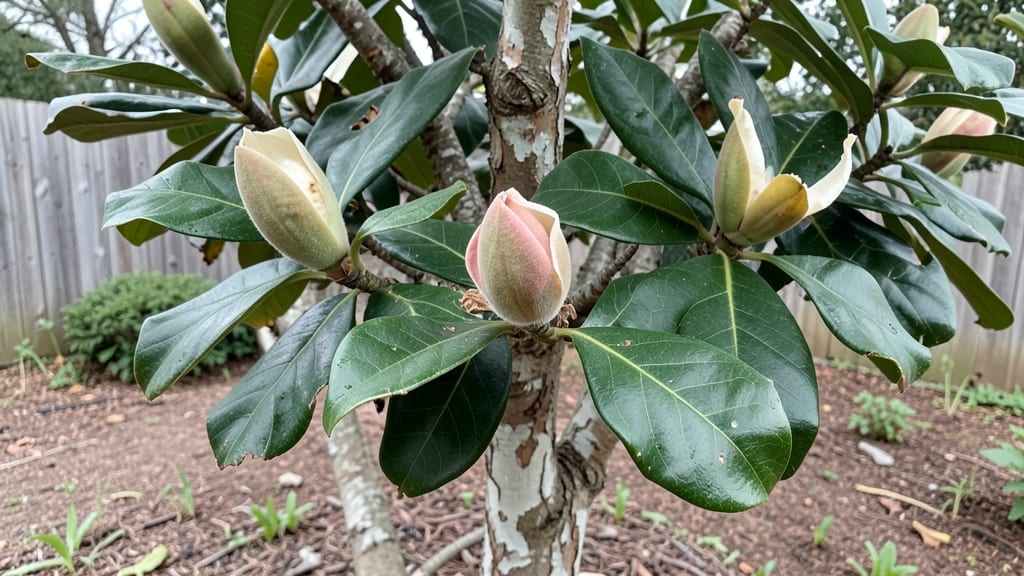
Your magnolia’s flower buds before blooming look like little green golf balls tucked among the leaves—tight, velvety, and packed with promise. I’ve spent years watching mine swell from summer’s end until spring, and the secret to keeping them healthy lies in knowing exactly when and how to prune.
Most gardeners wait until after blooming, but that’s when you miss the chance to shape next year’s flowers.
These buds form in late summer, growing slowly through fall and winter until they burst into color by spring. The key is pruning right after blooming—never in fall or winter when the buds are forming.
A sharp pair of pruners and a clear day are all you need, plus a little patience to watch those buds transform from fuzzy green to fragrant pink or white. My magnolia now blooms heavier every year because I learned to work with its natural cycle.
You’ll see the first signs of new buds as tiny bumps in early summer, and by late August, they’ll be the size of peas. Keep the soil moist but not soggy, and avoid heavy fertilizing—magnolias prefer a light hand.
The payoff? Buds that stay plump, flowers that last weeks, and a tree that feels like a living work of art. Prune correctly, and you’ll have blooms that make your neighbors jealous.
Works for both large magnolias and smaller varieties, though timing shifts slightly by climate. Southern gardeners prune a little earlier than those in cooler zones. The rest is just watching—and waiting for that magical moment when the first petals unfurl. Let’s get your magnolia ready for its close-up.
📚 In This Guide
- What you need
- Instructions
- Tips and common mistakes
- Wrapping up and next steps
What you need
- ● Pruning shears: Bypass pruners (sharp, clean, and rated for 2-3 inch branches—think Felco F-2 or similar). 1 pair is all you need!
- ● Loppers: For thicker branches (½ to 1½ inches in diameter). 1 pair with a 4-6 foot reach is ideal.
- ● Hand pruners: Anvil-style (budget-friendly) for tiny twigs under ½ inch. 1 pair for precision work.
- ● Pruning saw: Curved-tooth for branches over 1½ inches. 1 saw with a 10-12 inch blade.
- ● Disinfectant: 70% isopropyl alcohol or a 10% bleach solution (1 part bleach to 9 parts water) to sterilize tools between cuts. Small spray bottle for convenience.
- ● Garden gloves: Heavy-duty, cut-resistant (e.g., Mechanix or similar). 1 pair to protect your hands from thorns and sap.
- ● Ladder: Sturdy, extendable (reach at least 10 feet) if your magnolia is tall. 1 ladder with non-slip feet.
- ● Tarp or drop cloth: To catch debris. 1 large sheet (5x7 feet) or reusable canvas.
- ● Sealing wax: Pruning sealant (like Tanglefoot Tree Wound Pruning Seal) to coat cuts over ½ inch. Small tube for spot treatment.
- ● Marking twine: Colored string to tag branches for future reference.
- ● Magnifying glass: For close-up inspection of buds and small growth.
- ● Camera or phone: To document before/after progress—because magnolia magic deserves a snapshot!
- ● Know your magnolia: Identify whether it’s deciduous (loses leaves) or evergreen—pruning timing varies!
- ● Check the weather: Prune on a dry, overcast day (avoid frost or extreme heat).
- ● Safety first: Wear closed-toe shoes and avoid working alone if the tree is large.
How to prune magnolias for vibrant blooms and healthy growth
Pruning magnolias at the right time ensures they burst into stunning flowers year after year.
Time Your Pruning for Maximum Bloom Potential
Wait until late winter or early spring, just as buds begin to swell but before any leaves appear. This timing prevents removing next year's flower buds, which form on old wood. If you prune too early, you risk cutting off dormant buds that haven't yet developed. If you wait too long, you may encourage leggy growth and reduce flowering.
Look for plump, green buds along the branches—these are your signal to start. Avoid pruning after the tree flowers, as this removes the current season’s blooms and weakens the tree. For southern climates, prune in February or March; in colder regions, wait until March or April when frost danger has passed.
Remove Dead, Diseased, or Weak Branches First
Start by inspecting the tree for any dead, diseased, or crossing branches. Dead branches are brittle and snap easily when bent; diseased ones may have dark spots, oozing sap, or unusual growths. Crossing branches rub against each other, creating wounds that invite pests and disease. Use clean, sharp pruning shears to make 45-degree cuts just outside the branch collar—the swollen area where the branch meets the trunk.
Don’t leave stubs; these invite decay and weaken the tree. If a branch is thicker than ½ inch, use a pruning saw for a clean cut. Remove any branches growing inward toward the center of the tree, as these block airflow and sunlight, which can reduce flowering. Thin out crowded branches to improve light penetration and air circulation.
Shape the Tree for Balanced Growth and Blooms
Step back and assess the tree’s natural shape. Magnolias grow best when they retain their open, vase-like form. Focus on lightening the canopy by removing branches that grow too close together or upward. Aim to create an airy, balanced silhouette that allows sunlight to reach all parts of the tree, which encourages more flower buds.
For larger branches, make cuts just above an outward-facing bud or branch. Avoid cutting flush with the trunk or leaving large wounds. If you must remove a large branch, use the three-cut method: First, make an undercut about 12 inches out from the trunk, then an overcut about 6 inches farther out, and finally, remove the branch by cutting just outside the branch collar. This prevents tearing the bark.
Encourage New Growth with Strategic Pruning
To promote vigorous, flowering growth, prune back some of the longest, leggy branches by about ⅓ of their length. This encourages the tree to branch out and produce more flowers. Avoid heavy pruning—never remove more than 25% of the tree’s foliage in one season, as this stresses the magnolia and can reduce flowering.
Pay special attention to the lower branches. If they’re shading the trunk, remove them to improve airflow and reduce the risk of fungal diseases. However, avoid over-pruning the lower canopy, as magnolias often flower on older wood, and removing too many branches can limit bloom production. After pruning, clean up all fallen debris to prevent pests and diseases from taking hold.
Tips & tricks for perfect magnolia pruning
Timing and technique make all the difference when it comes to pruning magnolias for vibrant blooms.
Timing Secret: The late winter to early spring window is critical because that's when flower buds form on last year's wood. I always check for those plump, green buds—when they're visible but leaves haven't emerged yet, that's your cue. In my experience, pruning too early can remove next year's blooms before they've even formed, while waiting too long risks encouraging leggy growth that weakens the tree.
Tool Technique: Using the right tools makes all the difference. I've ruined cuts by using dull shears, which tear the bark instead of making clean cuts. Always use sharp, clean pruning shears for branches under ½ inch thick, and a pruning saw for thicker branches. The three-cut method for larger branches prevents tearing the bark—first undercut, then overcut, and finally remove the branch cleanly just outside the branch collar.
Visual Cues for Pruning: When shaping your magnolia, look for branches growing inward or crossing others—these are your targets for removal. The goal is to create an open, vase-like shape that allows sunlight to reach all parts of the tree. I like to step back every few cuts to visualize the tree's silhouette. Remember, you're not trying to create a formal shape, but rather an airy structure that encourages both airflow and flower production.
Strategic Pruning: The ⅓ rule is my go-to for leggy branches—never trim more than one-third of any branch's length in a single season. This encourages bushier growth and more flower buds. For lower branches shading the trunk, I remove them to improve airflow, but I'm careful not to over-prune the lower canopy since magnolias often flower on older wood. Always clean up all fallen debris after pruning to prevent pests and diseases from taking hold.
Pro Tips for Magnolia Flower Before It Blooms
- Timing and technique make all the difference when it comes to pruning magnolias for vibrant blooms.
- Timing Secret: The late winter to early spring window is critical because that's when flower buds form on last year's wood.
- Tool Technique: Using the right tools makes all the difference.
Frequently asked questions
Got questions about those lush magnolia flower buds before they bloom? You're not alone! Here are some of the most common queries—and their answers—to help you master pruning and care like a pro.
When is the best time to prune magnolia buds before they bloom?
Prune magnolia flower buds right after they bloom in late spring or early summer. Avoid pruning in fall or winter, as this can damage the plant and reduce next year’s blooms. If you must prune later, wait until the buds have fully formed but haven’t yet opened—usually in late winter or early spring.
How do I know if my magnolia buds are healthy before blooming?
Healthy buds are firm, plump, and green or reddish-brown, depending on the variety. If they’re shriveled, mushy, or covered in mold, it could signal fungal issues (like anthracnose) or pest damage. Prune affected buds immediately and treat with a fungicide if needed. Pro tip: Check for tiny holes or webbing—signs of magnolia scale!
Can I prune magnolia buds too aggressively?
Yes! Over-pruning can stress the plant and reduce flowering. Never trim more than 20-30% of the plant’s canopy in a single session. Focus on dead, diseased, or crossing branches—never cut into the buds themselves unless they’re damaged. Pro tip: Use sharp, sterilized shears to make clean cuts at a 45-degree angle!
What if my magnolia buds don’t bloom at all?
Several factors could be at play: over-pruning, poor nutrition, or environmental stress (like extreme heat/cold). First, ensure your magnolia gets 6+ hours of sunlight and well-draining soil. Fertilize in early spring with a balanced, acidic fertilizer (like 8-3-9). If buds form but drop, it might be due to late frosts—consider mulching for winter protection.
Are there any alternatives to pruning if I miss the window?
If you miss the ideal pruning window, don’t panic! You can still shape the plant lightly in late summer (after 50% of buds have bloomed) to encourage airflow. Avoid heavy cuts—focus on thinning out dense areas and removing suckers (shoots from the base). Pro tip: Water deeply after pruning to help the plant recover!
Wrapping up and next steps
The journey of a magnolia flower before it blooms is a testament to patience and care—and now, you’re equipped with the pruning secrets to nurture that beauty year-round! 🌿 From understanding the best times to trim to mastering the art of shaping, every step ensures your magnolia thrives.
Remember, confidence grows with practice, so don’t hesitate to roll up your sleeves and get hands-on.
Ready to see those stunning blooms unfold? Start small: pick one branch this week, apply what you’ve learned, and watch your magnolia transform. Happy pruning—your future floral masterpiece awaits! ✂️🌸