
Flowers
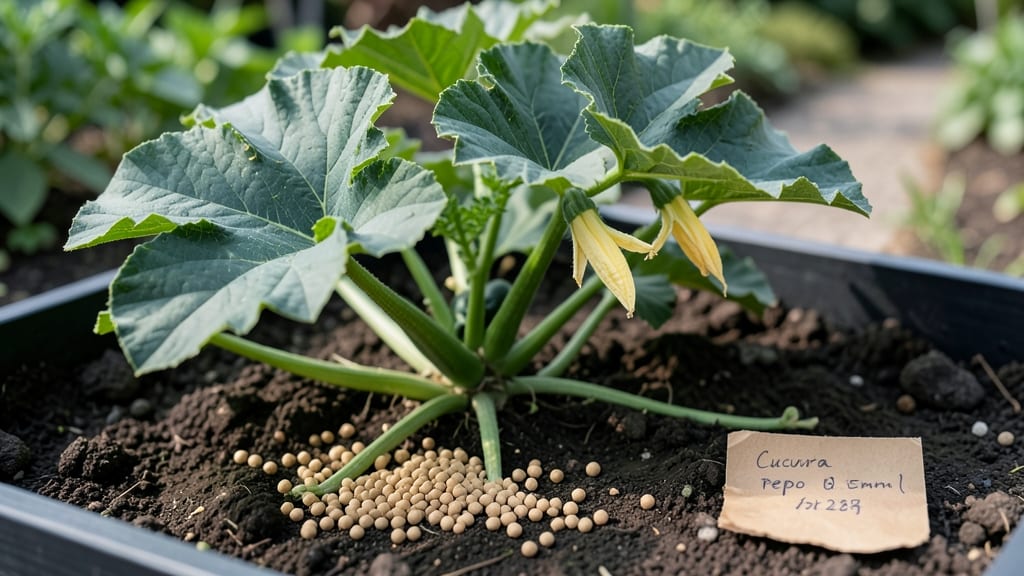
Producing more female zucchini flowers means more zucchini on your vine—no more sad, empty blossoms and tiny fruit. 🌱 I learned the hard way that male flowers are just nature’s way of distracting you from the real prize, and with a few simple tweaks, you can tip the balance in your favor.
The secret lies in giving your plants the right conditions: consistent watering, balanced fertilizer, and just enough pruning to encourage strong growth. Most gardeners overlook how stress—whether from drought or overcrowding—shifts flower production toward males. I’ve seen plants double their female blooms just by adjusting their care routine.
You’ll recognize female flowers by their tiny zucchini forming at the base of the blossom—these are your money-makers. Within weeks of making these adjustments, you’ll watch those flowers multiply, leading to a harvest that’ll have your neighbors asking for cuttings. The payoff is worth the effort.
This works for both bush and vining varieties, whether you’re growing in the ground or containers. Let’s get those vines producing like crazy—your kitchen (and your neighbors) will thank you.
📚 In This Guide
- What you need
- Instructions
- Tips and common mistakes
- Wrapping up and next steps
What you need
- ● Healthy zucchini plants: Choose disease-resistant varieties like Black Beauty or Eight Ball (1-3 plants per gardener, depending on space).
- ● Well-draining soil: Mix 60% topsoil with 30% compost and 10% perlite or sand (1 cubic yard per 10 sq ft of garden bed).
- ● Balanced fertilizer: 10-10-10 or organic options like fish emulsion (1 tbsp per plant every 2-3 weeks during blooming season).
- ● Watering can or hose with adjustable nozzle: For deep but gentle watering (1-2 inches per week, avoiding wetting leaves).
- ○ Handheld fan or small battery-operated fan: (Optional but helpful for pollination in greenhouses or windless days).
- ● Pruning shears: Sharp, clean pair for trimming excess male flowers (sterilize with rubbing alcohol between uses).
- ● Pollination aid: A soft paintbrush or cotton swab (for hand-pollinating flowers).
- ● Shade cloth (30-50% coverage): To protect plants from extreme heat (if temps exceed 90°F/32°C).
- ● Bee-friendly plants: Marigolds, borage, or nasturtiums (plant nearby to attract pollinators).
- ● Grow lights (LED full-spectrum): For indoor gardening or extending the growing season (12-16 hours/day).
- ● Soil pH tester: Aim for 6.0-7.0 (adjust with lime or sulfur if needed).
- ● Compost tea or microbial inoculant: Boosts soil health and plant resilience.
- ● Row covers (floating fabric): Protects young plants from pests while allowing light and water through.
Step-by-step guide to maximizing female zucchini flowers
Here's how to tip the balance in your favor—naturally and effectively.
🌱 Step 1: Optimize Plant Nutrition for Flower Production
Zucchini plants need consistent nutrients to prioritize female flowers over male blooms. Start by enriching the soil with a balanced 10-10-10 fertilizer (2 tablespoons per plant) at planting time. This ensures strong root development and energy reserves for flower production.
Once plants reach 12 inches tall, switch to a low-nitrogen, high-phosphorus fertilizer (like 5-10-10). Phosphorus directly stimulates flowering. Apply it every 2-3 weeks during the blooming season. You'll notice more compact plants with thicker stems—this is your cue that they're building energy for flowers instead of just leaves.
I always mix in 1 cup of compost around each plant's base at mid-season. The organic matter boosts microbial activity, which helps convert nutrients into forms the plant can use efficiently. Avoid over-fertilizing with nitrogen—too much leads to lush foliage but fewer flowers.
☀️ Step 2: Manage Light and Temperature for Pollination Success
Zucchini plants need full sun (6-8 hours daily) to produce female flowers consistently. If your garden gets less, supplement with a grow light for 14 hours per day during short-day seasons. The goal is to maintain daytime temperatures between 70-85°F—this range triggers more female blooms.
Watch for morning temperatures below 60°F—they delay flower opening. If this happens, cover plants with floating row covers until temps rise. You'll see flowers open more reliably when daytime warmth aligns with sunlight exposure. Mulch with 2-3 inches of straw to keep soil temperatures stable and reduce stress on the plant.
Here's the thing—zucchini flowers are sensitive to temperature swings. If nights dip below 55°F, female flowers may drop before pollination. A simple cloche over plants during cool evenings can make a dramatic difference in flower retention.
💧 Step 3: Water Strategically to Encourage Female Blooms
Consistent moisture is critical—water deeply 1-2 times per week (depending on heat) to keep soil evenly damp but not soggy. Female flowers develop best when plants experience minimal stress. Let soil dry slightly between waterings, but never to the point of wilting.
I water in the early morning to prevent fungal issues and ensure flowers stay dry overnight. Wet blossoms are more likely to drop, so avoid overhead watering when flowers are open. You'll notice healthier, longer-lasting blooms when the plant isn't fighting drought stress.
Watch for yellowing leaves—this often means inconsistent watering. Adjust your schedule so the top 2 inches of soil stay moist but not waterlogged. A moisture meter helps here, but even sticking your finger in the soil gives you the right feedback.
✂️ Step 4: Prune and Train for Better Flower Production
Remove all male flowers (the ones with long stems and no bulb at the base) for the first 2-3 weeks of flowering. This might seem counterintuitive, but it forces the plant to focus energy on producing female blooms. You'll see more female flowers appear within 7-10 days of this pruning.
Also, pinch off any fruit that develops from early female flowers. This might sound harsh, but it prevents the plant from diverting energy to fruit production before it's ready. Instead, let it build up 5-6 female flowers before allowing any to set fruit. This ensures larger, healthier harvests later.
Train vines along a trellis or cage if your variety tends to sprawl. This improves air circulation and makes it easier to monitor flower development. You'll spot female blooms more easily when they're not hidden under dense foliage.
🐝 Step 5: Enhance Pollination for Consistent Fruit Set
Hand-pollinate flowers by transferring pollen from male to female blooms using a small paintbrush in the morning. Focus on female flowers (the ones with tiny zucchinis forming at the base). Gently brush the male flower's center onto the female flower's stigma. Do this for 3-5 days until you see natural pollination take over.
Attract native bees by planting basil, marigolds, or dill nearby. These flowers provide nectar and encourage pollinators to visit your zucchini patch. You'll know pollination is working when flowers wilt and drop within 24-48 hours of opening—this means fertilization has occurred.
If you notice dropped flowers without fruit, it's often a sign of poor pollination. On cloudy days or when bees are scarce, give flowers a quick hand-pollination boost. This simple step can double your harvest when natural pollinators are unreliable.
Tips & tricks for maximizing female zucchini flowers
A few subtle adjustments can dramatically shift your zucchini plant's focus toward producing more female blooms. These are the game-changers I've tested in my own garden that make all the difference.
Nutrient Timing: The switch to low-nitrogen, high-phosphorus fertilizer at 12 inches is critical—this is when plants typically shift from vegetative growth to flowering. I've found that applying this fertilizer in the late afternoon helps prevent leaf burn from the phosphorus, which can stress the plant. Also, split that 1 cup of compost into two applications: half at mid-season and half when you first notice flowers forming. The second boost gives the plant an energy reserve when it's already working hard to produce blooms.
Light Supplement Strategy: If you're using a grow light for 14 hours per day, position it just 6-12 inches above the plant canopy. Too high and it won't be effective; too low and you risk burning leaves. I use a simple LED grow light on a timer, which automatically handles the 14-hour requirement without me having to remember to turn it on and off. For plants in containers, rotate them daily so all sides get equal light exposure—this prevents lopsided growth that can reduce flower production.
Temperature Buffering: Those 55°F nighttime warnings are serious—female flowers are particularly sensitive to cold stress. I've had the most success using mini hoop tunnels covered with lightweight row fabric during cool evenings. These create a microclimate that maintains temperatures above 55°F without overheating the plants. For individual plants, a simple plastic milk jug with the bottom cut out (like a cloche) works surprisingly well and is completely reusable.
Pruning Precision: When removing male flowers in Step 4, I recommend using sharp scissors to cut the stem about 1/4 inch above the leaf junction. This prevents tearing and reduces stress on the plant. For the female flowers you're allowing to develop, I've noticed that removing just the male flowers while leaving the female ones intact (even if they've already been pollinated) encourages the plant to produce more female blooms. It's like telling the plant, "You're doing great—keep it up!"
Pro Tips for Produce More Female Zucchini Flowers
- A few subtle adjustments can dramatically shift your zucchini plant's focus toward producing more female blooms.
- Nutrient Timing: The switch to low-nitrogen, high-phosphorus fertilizer at 12 inches is critical—this is when plants typically shift from vegetative growth to flowering.
- Light Supplement Strategy: If you're using a grow light for 14 hours per day, position it just 6-12 inches above the plant canopy.
Frequently asked questions
Got questions about maximizing female zucchini flowers?
You’re not alone! Here are answers to the most common queries—whether you’re troubleshooting a poor harvest or optimizing pollination for bigger yields.
Why does my zucchini plant have more male flowers than female?
Male flowers appear first (usually 3–4 weeks after planting) because they’re easier for the plant to produce. Female flowers follow as the plant matures—especially after 6–8 weeks and in warm, sunny conditions. If your plant is young or stressed (e.g., from drought or cold), it’ll prioritize male flowers. Focus on consistent care (water, sunlight, and nutrients) to shift the balance.
When is the best time to hand-pollinate zucchini flowers?
Hand-pollinate in the morning (6–10 AM) when flowers are fully open and bees are least active. Female flowers (with tiny zucchinis at their base) are ready for pollination when their petals unfurl but haven’t wilted. Use a soft brush or cotton swab to transfer pollen from male flowers (long stems, no zucchini) to female stigmas (the fuzzy center). Avoid evenings—humidity can promote rot.
Can I use beeswax or other DIY methods to attract pollinators?
Yes! While bees are ideal, you can boost pollination with:
- Beeswax rubs: Gently rub a beeswax-coated stick on male flowers, then transfer pollen to female flowers. (Avoid synthetic waxes—they can harm plants!)
- Vibrating tools: Use a small electric toothbrush or your finger to vibrate male flowers—this releases pollen onto nearby females.
- Plant companions: Grow basil, marigolds, or nasturtiums nearby to attract bees naturally.
What should I do if my female flowers aren’t producing fruit?
Check these troubleshooting steps:
- Pollination failure: Hand-pollinate or introduce more bees (e.g., plant bee-friendly flowers nearby).
- Overcrowding: Thin plants to 1–2 feet apart—competition for resources reduces female flower production.
- Nutrient deficiency: Yellowing leaves? Add phosphorus-rich fertilizer (like bone meal) to encourage fruiting.
- Temperature stress: Zucchini thrive in 70–90°F. Extreme heat (<95°F+) or cold (<50°F) can halt flower/fruit development.
Are there zucchini varieties that produce more female flowers?
Some hybrids are bred to favor female flowers earlier and more consistently. Try these high-yielding varieties:
Variety
Key Trait
‘Eight Ball’
Compact bush type; produces 80%+ female flowers in warm climates.
‘Black Beauty’
Classic but reliable—female flowers dominate after 4–6 weeks.
‘Gold Rush’
Disease-resistant; early female bloom (ideal for short seasons).
‘Patio Star’
Bush-type; great for containers; balanced male/female ratio but prolific.
Wrapping up and next steps
Producing more female zucchini flowers is all about understanding your plants, optimizing their environment, and giving them the right care at the right time. With proper pruning, balanced fertilization, and strategic pollination techniques, you’ll soon see a surge in those prized female blooms—and a harvest to match! 🌸
Ready to put these tips into action? Start by monitoring your plants weekly and adjusting care as needed. Before you know it, your zucchini patch will be bursting with flowers—and your kitchen with delicious, homegrown squash. Happy gardening! 🌱✨