
Flowers
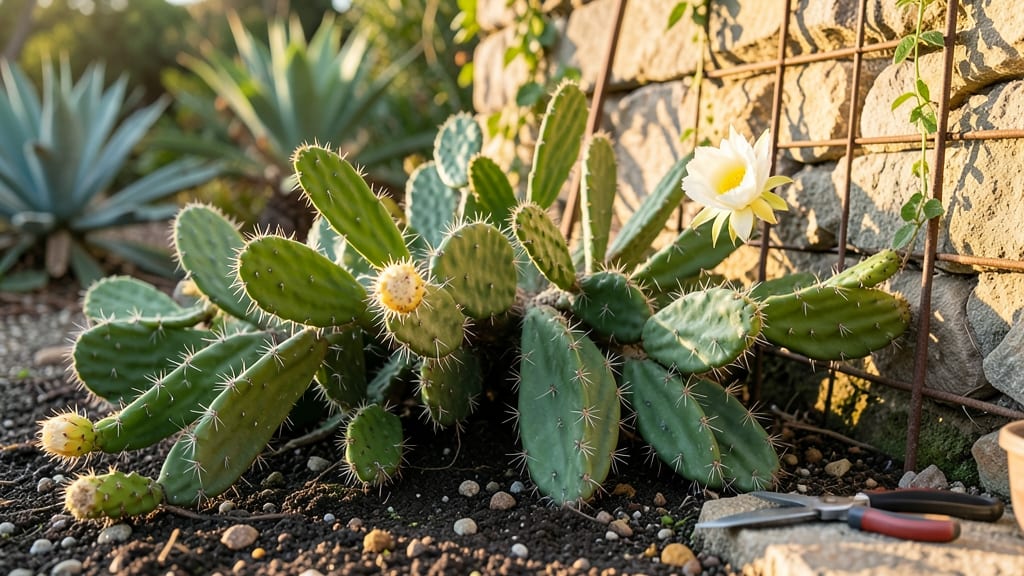
The yellow dragon fruit flower unfurls like a neon sunset in your garden—vibrant, unexpected, and impossible to ignore. 🌺 I’ve grown these tropical beauties for years, and the secret to those stunning blooms isn’t just heat and humidity, but the right balance of light, soil, and a little patience.
Most people assume dragon fruit needs a greenhouse, but with the right container setup, you can coax these bold flowers to life even in warmer climates.
Start with a 5-gallon container filled with fast-draining cactus mix, and place it where it gets 6+ hours of sunlight daily. Water only when the top inch of soil feels dry—overwatering is the fastest way to kill these drought-loving plants.
Once established, your dragon fruit will reward you with 3-4 foot vines and those signature yellow blooms that open at night, attracting moths for pollination. The first flowers appear after 12-18 months, so consistency is key.
📚 In This Guide
- What you need
- Instructions
- Tips and common mistakes
- Wrapping up and next steps
What you need
- ● Ready to grow your own yellow dragon fruit flower? Here’s everything you’ll need to get started—whether you’re a seasoned gardener or a beginner with a green thumb! 🌱✨
- ● Pro tip: 💡 If starting from seeds, pre-soak them for 24 hours to boost germination! For cuttings, let them dry for 2–3 days before planting to prevent rot.
Step-by-step guide to cultivating yellow dragon fruit flowers in containers
Here’s how to coax vibrant yellow dragon fruit blooms indoors—tropical beauty doesn’t need a greenhouse.
🌱 Step 1: Select the Right Container and Drainage
Yellow dragon fruit vines (Hylocereus undatus) need 5-gallon or larger containers with multiple drainage holes. I use terracotta pots because they wick moisture away, preventing root rot—a common killer of tropical plants. If your pot lacks holes, drill 2-3 additional ones along the bottom edge.
Fill the pot with well-draining cactus/succulent mix (never garden soil—it compacts and suffocates roots). Add a 1-inch layer of perlite or pumice at the bottom to boost aeration. This layer prevents waterlogging while allowing roots to breathe.
☀️ Step 2: Position for Maximum Light Exposure
Dragon fruit flowers demand bright, indirect light—think east or west-facing windows with 6+ hours of filtered sunlight daily. If your space lacks natural light, supplement with a full-spectrum LED grow light positioned 12-18 inches above the plant. Keep it on for 14-16 hours daily to mimic tropical daylight.
Watch for leggy growth (stems stretching toward light) or pale leaves—these are red flags. Rotate the pot quarter-turn weekly so the vine grows evenly. Yellow dragon fruit vines are epiphytic, meaning they naturally cling to trees in the wild. Mimic this by training them along a trellis or sturdy wire frame as they grow.
💧 Step 3: Master Watering for Desert-Like Conditions
Overwatering is the #1 killer of dragon fruit plants. Let the top 2-3 inches of soil dry completely between waterings—stick your finger in to check. In summer, this might mean watering every 5-7 days; in winter, every 2-3 weeks. Always water at the base, avoiding leaves to prevent fungal spots.
Yellow dragon fruit flowers thrive in dry air, so humidity isn’t critical. If your home runs dry (below 40% humidity), a pebble tray with water beneath the pot helps slightly—but don’t drown the roots. Fertilize monthly in spring/summer with a balanced 10-10-10 liquid fertilizer diluted to half-strength. Skip fertilizer in fall/winter when growth slows.
✂️ Step 4: Prune and Encourage Blooming
Pruning isn’t just for shaping—it triggers flowering. In late winter or early spring, cut back overgrown stems to 6-8 inches from the base. This shock encourages new, vigorous growth and sets the stage for blooms. Remove dead or yellowing leaves immediately to redirect energy to healthy growth.
Dragon fruit flowers bloom only on new wood, so never prune after summer. If your plant flowers but doesn’t set fruit, it may need more sunlight or a slight temperature drop (down to 55-60°F at night) to stimulate pollination. Hand-pollinate by gently brushing stamens with a paintbrush if no bees visit your indoor blooms.
🪴 Step 5: Repot and Overwinter for Long-Term Success
Repot every 2-3 years or when roots circle the pot. Choose a container 2 inches larger in diameter and refresh the top 50% of soil with fresh cactus mix. This prevents root-bound stress, which stunts flowering. Spring is the best time—March or April—when the plant emerges from dormancy.
In winter, reduce watering and move the plant to a cooler spot (60-65°F) if possible. Dragon fruit vines go semi-dormant in cooler months, so don’t fertilize until you see new growth in late winter. With patience, your container-grown vine will reward you with stunning yellow blooms by summer—proof that tropical gardening thrives even indoors.
Tips & Tricks for cultivating vibrant yellow dragon fruit flowers
Here's what nobody tells you about growing these tropical beauties—lessons I learned after watching three vines struggle before finally getting it right.
Container Material Matters: While terracotta is ideal for moisture control, plastic pots can work too if you drill extra drainage holes. The key is aeration—roots need oxygen to thrive. I've seen growers use fabric pots (optional) for even better airflow, though they require more frequent watering. If using plastic, add 2-4 extra holes along the sides to compensate for poor breathability.
Lighting Strategy for Small Spaces: That 14-16 hour grow light schedule is non-negotiable for indoor blooms. I use a full-spectrum LED bulb on a timer to automate this—no need to remember to turn it on/off. For plants showing leggy growth, switch to a high-intensity LED (5000-6500K) and reduce height to 6-12 inches above the plant to prevent stretching. The goal is to mimic morning sun intensity without burning delicate leaves.
Pruning Precision: When cutting back stems to 6-8 inches in Step 4, make clean cuts just above a leaf node using sterilized pruners. The angle matters—cut at a 45-degree angle to increase surface area for faster healing. I've found that pruning in early spring (March) yields the most vigorous regrowth for summer blooms. Save cuttings in a dry, shaded spot for 24 hours before propagating in fresh cactus mix.
Temperature Tricks: Those 55-60°F nighttime temps for fruit set might seem tricky indoors, but a simple trick works: Place your plant near a cool window at night or use a small fan on low to circulate cooler air. If your home stays above 70°F consistently, consider moving the plant to a basement or garage during evenings in late spring when blooms appear. This mimics the natural tropical night cooling that triggers pollination.
Pro Tips for Yellow Dragon Fruit Flower
- Here's what nobody tells you about growing these tropical beauties—lessons I learned after watching three vines struggle before finally getting it right.
- Container Material Matters: While terracotta is ideal for moisture control, plastic pots can work too if you drill extra drainage holes.
- Lighting Strategy for Small Spaces: That 14-16 hour grow light schedule is non-negotiable for indoor blooms.
Frequently asked questions
Got questions about growing yellow dragon fruit flowers? You’re not alone! Here are some of the most common queries—and their answers—to help you cultivate these stunning tropical blooms with confidence.
How long does it take for a yellow dragon fruit plant to flower?
A healthy yellow dragon fruit (Hylocereus undatus) plant typically takes 18–24 months to produce its first flowers, assuming it’s grown from a cutting and provided with optimal care. Patience is key—ensure it gets full sun (6+ hours/day), well-draining soil, and regular watering to speed up the process. Cold snaps or poor light can delay blooming, so keep it cozy in containers!
Can yellow dragon fruit flowers survive frost or cold weather?
Nope! These tropical beauties are not frost-tolerant—even a light freeze (below 32°F/0°C) can damage or kill the plant. If you live in a colder climate, grow it in containers and move it indoors or to a greenhouse when temperatures dip. A sunny windowsill or grow light works in winter. Pro tip: Use a heat mat if your home runs chilly!
What should I do if my yellow dragon fruit plant only has leaves and no flowers?
Don’t panic! Common reasons include insufficient light, lack of nutrients, or immaturity. Try these fixes:
- Boost sunlight: Move it to a sunnier spot (or use a grow light for 12+ hours/day).
- Fertilize properly: Use a balanced fertilizer (10-10-10) or one high in phosphorus (for blooms) every 4–6 weeks in spring/summer.
- Check temps: Dragon fruit thrives in 70–90°F (21–32°C). Cooler temps can stall flowering.
Are there any alternatives to yellow dragon fruit flowers for container growing?
If you love vibrant, low-maintenance tropical flowers for containers, consider:
- Bird of Paradise (Strelitzia reginae): Bold orange-and-blue blooms; thrives in pots.
- Bromeliads (e.g., Aechmea or Guzmania): Colorful, long-lasting flowers with minimal care.
- Orchids (e.g., Phalaenopsis): Easy to grow indoors; produces frequent blooms.
- Passionflower (Passiflora): Exotic flowers (and edible fruit!) that climb or trail.
Why are my yellow dragon fruit flowers dropping before opening?
Dropping buds are usually a sign of stress. Common culprits include:
- Overwatering: Dragon fruit hates soggy roots. Let soil dry 50% between waterings.
- Temperature swings: Avoid drafts or sudden cold snaps (e.g., near AC vents).
- Nutrient deficiency: A lack of calcium or boron can cause bud drop. Try a flower-specific fertilizer.
- Pests: Check for spider mites or aphids on buds—spray with neem oil if needed.
Wrapping up and next steps
The yellow dragon fruit flower is a stunning, low-maintenance addition to any container garden, bringing vibrant tropical beauty with minimal effort. Whether you're drawn to its fragrant blooms or the promise of sweet fruit, growing this plant is a rewarding journey—perfect for both beginners and seasoned gardeners. 🌺
Now that you’re equipped with the right knowledge, why not take the next step? Start with a single plant, experiment with containers, and watch your space transform into a lush, sunlit oasis. Share your progress with fellow plant lovers—your yellow dragon fruit could inspire someone else’s green thumb adventure!