
Planting
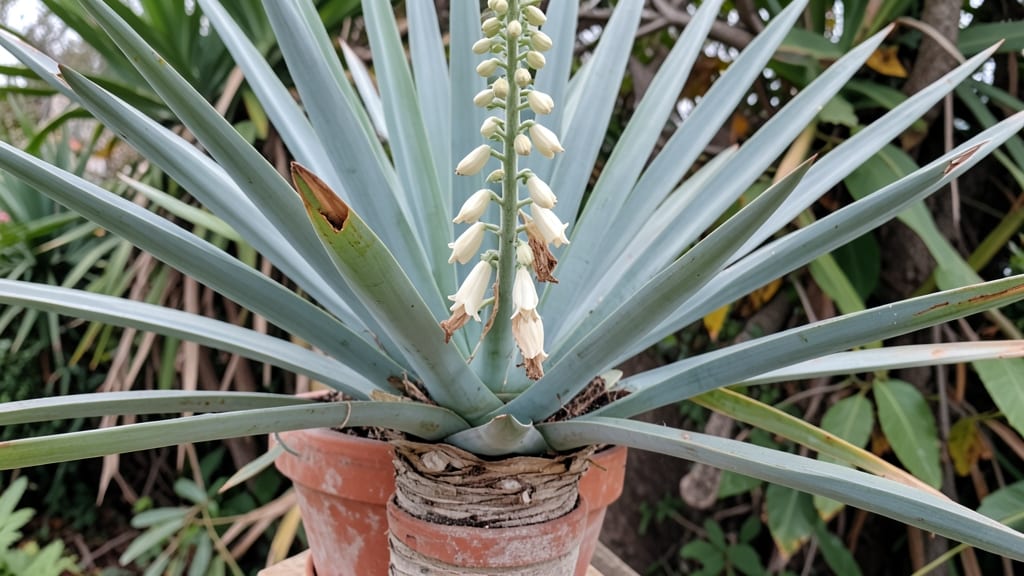
Yucca plants burst into dramatic flower spikes that look like they belong in a desert oasis—yet they grow effortlessly in my Zone 7 garden. 🌵 The secret to those towering, candle-like blooms isn’t complicated: it’s about light, patience, and letting the plant focus on roots before flowers.
My first yucca took five years to bloom, but now it’s a showstopper every spring.
These drought-tolerant plants thrive in full sun and well-draining soil, making them perfect for low-maintenance gardens. Overwatering is the fastest way to kill them, but once established, they’ll survive on occasional deep watering.
The key to encouraging flowers is giving them space—crowded roots mean no blooms, while mature plants reward you with 3- to 6-foot-tall flower stalks.
You’ll know you’re doing it right when you see that first flower spike emerge in late spring or early summer. The blooms may last only a few weeks, but the architectural drama they create is worth the wait.
Even better? The plant’s sword-like foliage stays striking year-round, adding texture to any landscape.
Whether you’re growing yucca in containers or in the ground, the same rules apply: full sun, minimal fuss, and a little extra space. Once you’ve got one thriving, you’ll want to add more—just don’t expect instant blooms. Patience pays off with these desert survivors.
📚 In This Guide
- What you need
- Instructions
- Tips and common mistakes
- Wrapping up and next steps
What you need
- ● Yucca plant: 1 nursery-grown yucca (e.g., Yucca rostrata, Yucca filamentosa, or Yucca gloriosa), 1–3 feet tall, depending on variety.
- ● OR 1–3 yucca offsets (pups) from an established plant (ensure they’re at least 6 inches tall).
- ● OR Seeds (if starting from scratch—requires patience! ~10–20 seeds per pot).
- ● Well-draining soil: 1–2 bags (5–10 gallons) of cactus/succulent mix or a blend of: 60% potting soil
- ● 30% coarse sand or perlite
- ○ 10% compost (optional, for nutrient boost).
- ● Container or planting site: For pots: 1–2 containers (12–18 inches in diameter) with drainage holes.
- ● For ground planting: A sunny, well-draining spot (full sun, 6+ hours/day).
- ○ Gravel or rocks: 1–2 pounds for mulching (optional but recommended for drainage).
- ● Watering can or hose: With a gentle spray nozzle.
- ● Gloves & pruners: (For handling offsets or trimming spent blooms).
- ● Fertilizer: 1–2 applications of low-nitrogen, balanced fertilizer (e.g., 5-5-5 or 10-10-10) during growing season (spring/summer).
- ● Slow-release granules: Mix 1–2 tbsp into soil at planting for a nutrient boost.
- ● Plant support: (For tall varieties like Yucca elephantipes—1 bamboo stake or trellis).
- ● Pest control: Neem oil or insecticidal soap (preemptive measure for mealybugs or scale).
- ● Decorative stones: For a polished, desert-inspired look around the base.
How to encourage yucca plants to bloom year after year
Here's how to coax those dramatic flower spikes from your tough-as-nails yucca plants.
🌱 Step 1: Position for Maximum Light Exposure
Yuccas demand full sun—at least 6-8 hours daily—to trigger flowering. I place mine in the sunniest spot possible, often against a south-facing wall where they get unfiltered light. If you notice leaves yellowing or stretching toward the light, your plant needs more sun immediately.
In containers, rotate the pot quarter-turn weekly so all sides receive even light. This prevents lopsided growth and ensures the plant directs energy toward its center where flower buds form. Watch for the first signs of flower stalks emerging from the crown—this usually happens in late spring or early summer after a full winter of dormancy.
☀️ Step 2: Mimic Seasonal Temperature Shifts
Yuccas need a cool winter period to break dormancy and prepare for flowering. During winter months, let nighttime temperatures drop to 40-50°F—this chilling period is what signals the plant to produce flower buds. If you're in a warm climate, move potted yuccas to a shaded, cooler location for 6-8 weeks during winter.
Here's the thing—your yucca won't bloom if it stays warm all year. I've seen plants in heated greenhouses produce leaves but never flowers because they lacked this critical cold period. Once spring arrives and temperatures consistently stay above 60°F, you'll see new growth and eventually those dramatic flower spikes.
💧 Step 3: Water Strategically to Stress Just Enough
Yuccas thrive on neglect, but you need to water them just enough to encourage flowering. Water deeply only when the soil is completely dry—stick your finger 3-4 inches deep into the soil to check. Overwatering prevents flowering by keeping the plant in a constant growth phase instead of triggering dormancy and bloom cycles.
When you see the first flower stalk emerge, reduce watering slightly. The plant will naturally use more moisture as it develops the heavy flower spike. Watch for the stalk to reach 3-4 feet tall before it opens—this can take 4-6 weeks depending on your climate. The blooms themselves will last 2-3 weeks before fading, but the plant will often produce multiple stalks over time.
✂️ Step 4: Prune and Feed for Next Year's Blooms
After the flowers fade, cut the spent stalk down to the base with clean pruners. Don't worry—this won't harm your yucca. In fact, removing dead flower stalks redirects the plant's energy toward next year's growth. I like to fertilize lightly with a balanced 10-10-10 fertilizer after pruning to support new foliage development.
Yuccas are slow growers, so they don't need frequent feeding. Once new growth appears in spring, you can apply fertilizer again—but only if you notice the plant looking a bit lackluster. The key is to avoid heavy feeding in late summer, as this can prevent the plant from entering its necessary dormancy period for next year's blooms.
Tips & tricks for encouraging yucca flowers to bloom
Here's what nobody tells you about getting those showstopping yucca blooms—trust me, these details make all the difference.
Light Exposure Secret: Those 6-8 hours of daily sun aren't just about leaves—they're what trigger the flower bud formation deep in the plant's center. I've seen yuccas in bright shade produce leaves but never bloom. If your plant starts stretching toward the light (a sign called etiolation), it's desperate for more sun. Move it immediately to prevent energy waste on weak growth. For containers, that quarter-turn weekly rotation isn't just about even growth—it's about ensuring all sides get equal light exposure to prevent one-sided flower bud development.
Temperature Strategy: The 40-50°F winter chill is non-negotiable for flower bud formation, but here's the catch: it needs to be consistent. I've had yuccas in greenhouses where daytime temps hit 70°F but nights stayed warm, and they never bloomed. If you're in a warm climate, that 6-8 week cool period should have nights below 55°F—daytime warmth doesn't count. Once spring hits and temps stay above 60°F consistently, that's when you'll see the magic happen with new growth and flower spikes emerging.
Watering Wisdom: The 3-4 inch soil dryness check is crucial, but here's what I learned the hard way: yuccas need even drier soil in late summer to trigger dormancy. Start reducing water by half beginning in August, even if the soil isn't completely dry. This mimics natural seasonal changes and signals the plant to prepare for winter and next year's blooms. When that flower stalk finally appears, you can ease back into normal watering—but don't overdo it, as the heavy flower spike can topple if the soil's too saturated.
Pruning Payoff: That spent flower stalk might look dead, but cutting it down to the base isn't just cleanup—it's redirecting the plant's energy toward next year's growth. I've seen yuccas produce multiple flower stalks in the same season when given this energy boost. After pruning, that light 10-10-10 fertilizer application gives the plant just enough nutrients to recover without overstimulating new growth that would prevent dormancy. Think of it as giving your yucca a gentle nudge toward next season's blooms rather than a heavy push that would delay them.
Pro Tips for Yucca Plant Flowers
- Here's what nobody tells you about getting those showstopping yucca blooms—trust me, these details make all the difference.
- Light Exposure Secret: Those 6-8 hours of daily sun aren't just about leaves—they're what trigger the flower bud formation deep in the plant's center.
- Temperature Strategy: The 40-50°F winter chill is non-negotiable for flower bud formation, but here's the catch: it needs to be consistent.
Frequently asked questions
When do yucca plants typically flower?
Yucca flowers usually bloom in late spring or early summer, though timing depends on your climate and plant maturity. Mature yuccas (3–5 years old) are most likely to flower. If yours isn’t blooming, check for adequate sunlight (6+ hours daily) and well-draining soil—these are key triggers!
Why isn’t my yucca flowering?
Common culprits include insufficient sunlight, overwatering, or lack of nutrients. Yuccas thrive in full sun and dry conditions. Try moving your plant to a sunnier spot, reducing water, and fertilizing lightly in spring with a low-nitrogen, high-phosphorus blend to encourage blooms.
Can I grow yucca flowers indoors?
While possible, yuccas are outdoor specialists needing bright light and space. If you must grow them indoors, place them near a south-facing window and supplement with grow lights. Expect slower growth and fewer (or no) flowers without direct sunlight. A sunny patio or greenhouse is a better bet!
How long do yucca flowers last?
Yucca blooms typically last 1–2 weeks per stalk, but the plant may produce multiple flower spikes over the season. To prolong their beauty, deadhead spent blooms (trim faded flowers at the base) and avoid overwatering—stress can shorten their lifespan.
Are there non-flowering yucca varieties?
Yes! Some ornamental yuccas, like Yucca filamentosa ‘Color Guard’ or Yucca rostrata, focus on foliage and architectural form rather than flowers. If you love the look but not the blooms, these varieties are perfect for low-maintenance, year-round interest in gardens or containers.
Pro Tip:
For yucca plant flowers that rebloom annually, give your plant a winter rest (reduce water in cooler months) and prune old flower stalks after they die back. This encourages healthier regrowth and bigger blooms next season!
Wrapping up and next steps
Growing yucca plant flowers is a rewarding journey that brings bold, architectural beauty to your garden or indoor space—even in cooler climates! 🌿 With the right care, these drought-tolerant plants thrive year-round, offering striking blooms and minimal fuss.
Whether you’re a beginner or a seasoned gardener, their resilience and versatility make them a fantastic addition to any landscape.
Ready to level up your green thumb?
Start by selecting the perfect yucca variety for your climate, then give it the sunlight and well-draining soil it craves. Next step: Share your progress with fellow plant lovers or explore creative ways to showcase your yucca’s dramatic flowers—like pairing them with succulents or using them as a bold focal point! 🌸