
Flowers
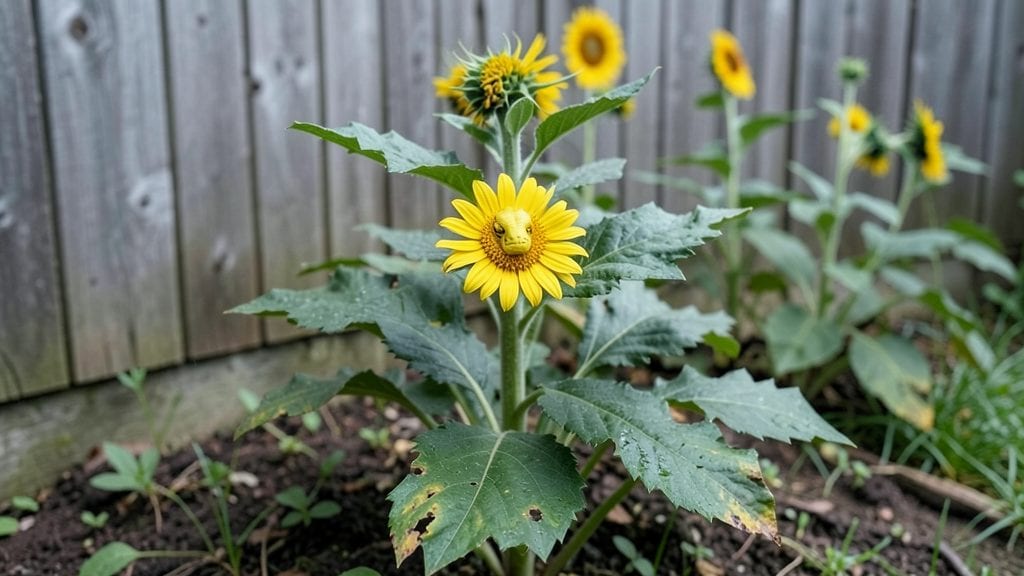
Growing yellow dragon lilies in your garden means year-round blooms that hummingbirds can't resist. 🌸 I learned the hard way that these dramatic flowers need specific conditions to thrive, but once you nail the basics, they reward you with bold, trumpet-shaped blooms from summer through fall—and sometimes even winter in mild climates.
The secret starts with well-draining soil and a sunny spot that gets at least 6 hours of direct sunlight daily. These lilies hate soggy roots, so amend heavy clay with compost or plant them on a slight mound.
Spacing matters too—give each plant 12-18 inches of room to prevent crowding, which leads to fewer blooms and more floppy stems.
You'll love how easy they are to care for once established: water deeply once a week (more in extreme heat), fertilize lightly in spring, and deadhead spent blooms to encourage more flowers. The real magic happens when hummingbirds start visiting—your garden will feel alive with their buzzing energy.
Perfect for borders, cottage gardens, or even as dramatic cut flowers. Just be ready for their 6-foot-tall stems to need staking in windy areas. Let's get those bulbs in the ground so you can enjoy the show!
📚 In This Guide
- What you need
- Instructions
- Tips and common mistakes
- Wrapping up and next steps
What you need
- ● Yellow Dragon Flower Bulbs: 3–5 bulbs (choose high-quality, disease-free bulbs from a reputable nursery).
- ● Well-draining potting mix or garden soil: 5–10 gallons (amend with compost for richer nutrients).
- ● Organic fertilizer: Balanced 10-10-10 or bulb-specific fertilizer (follow package instructions).
- ● Mulch: 2–3 inches of organic mulch (e.g., wood chips or straw) to retain moisture.
- ● Watering can or hose with a gentle spray nozzle.
- ● Garden trowel or bulb planter.
- ○ Gloves (optional but recommended).
- ● Pruners (for trimming dead foliage).
- ○ Stakes or supports (optional, for taller varieties).
- ○ pH testing kit (optional, to check soil acidity—ideal range: 6.0–7.0).
- ● Sunlight: A location with full sun (6+ hours daily) or partial shade (for hotter climates).
- ● Climate: Hardy in USDA Zones 3–8 (adjust planting time for your region).
- ● Space: Minimum 12–18 inches between bulbs (or 2–3 feet for clumping varieties).
- ● Patience: Bulbs may take 1–2 years to establish and bloom fully!
Step-by-Step instructions for cultivating yellow dragon flower
This vibrant perennial thrives with the right balance of sun, soil, and patience.
🌱 Step 1: Choose and Prepare the Planting Site
Yellow dragon flower—Ligularia dentata—loves rich, moist soil and partial shade. Select a spot with morning sun and afternoon shade (at least 4-6 hours of light daily). If your garden gets intense afternoon sun, provide afternoon shade with a nearby tree or lattice.
Here's the thing—this plant hates soggy roots but won't tolerate dry soil either. Amend your soil with 3-4 inches of compost before planting to improve drainage while retaining moisture. I like to dig in a handful of well-rotted manure too—it gives the plant a nutrient boost without burning the roots.
🪴 Step 2: Plant at the Right Depth and Spacing
Dig a hole twice as wide as the root ball but only as deep as the container it came in. The top of the root ball should sit just below soil level—burying it too deep can suffocate the plant, while planting too shallow exposes roots to drying out.
Space plants 2-3 feet apart—they grow wide and leafy, so crowding leads to poor air circulation and fungal issues. Gently loosen the roots if the plant looks root-bound, then place it in the hole. Backfill with soil, firming lightly around the base to eliminate air pockets. Water deeply right after planting to settle the soil.
☀️ Step 3: Water and Mulch for Consistent Moisture
Water deeply once a week (or more often in hot weather) until the top 2 inches of soil feel damp. Yellow dragon flower wilts dramatically when thirsty—it’s a clear signal to water. But don’t let it sit in standing water; soggy soil causes root rot.
Spread 2-3 inches of mulch (like shredded bark or straw) around the base, keeping it 2 inches away from the stem. Mulch locks in moisture, keeps roots cool, and suppresses weeds. Replenish it annually—it breaks down faster than you’d think.
✂️ Step 4: Prune and Deadhead for Longer Blooms
After the first flush of blooms fades, cut back spent flower stalks to the nearest leaf pair with clean, sharp shears. This encourages a second round of blooms later in the season. I always sterilize my pruners with rubbing alcohol between cuts to prevent disease spread.
In early spring, trim back any dead or yellowed leaves to 6 inches above the ground. This boosts fresh growth and keeps the plant tidy. Avoid heavy pruning in fall—it stresses the plant before winter dormancy.
🌿 Step 5: Overwinter for Year-Round Color
Yellow dragon flower is hardy in USDA zones 4-9, but it needs winter protection in colder climates. Once frost hits, cut back the foliage to 3-4 inches tall and mound 4-6 inches of mulch around the base. This insulates the roots from freezing temperatures.
In spring, remove the mulch and check for new growth. If your plant looks dormant but the roots are still firm, wait a few more weeks—it often pops back to life once soil warms to 50°F. Patience pays off with bold, early-season blooms.
Tips & tricks for perfect yellow dragon flower cultivation
Between us, the difference between a thriving yellow dragon flower and one that struggles often comes down to these small but critical details.
Light Balance: In Step 1, pay close attention to that "morning sun and afternoon shade" rule. I've seen plants wilt from too much afternoon heat—if your garden gets intense sun, use a temporary shade cloth (50% block) during peak hours. The 4-6 hours of light should be gentle morning rays, not harsh afternoon glare. Trust me on this: a plant that gets too much midday sun will show stress within weeks.
Soil Science: When amending soil with 3-4 inches of compost in Step 1, don't just dump it in. Work it into the top 6-8 inches of soil to create a proper moisture-retaining layer. I like to mix in a handful of well-rotted manure for extra nutrients, but only if your soil isn't already rich. Over-fertilizing can burn delicate roots—better to underdo it than overdo it.
Watering Wisdom: The "deeply once a week" guideline in Step 3 is your best friend, but here's what nobody tells you: use a moisture meter or your finger to check those top 2 inches of soil. If it feels dry, water again—don't wait for wilting. And always water at the base, not overhead. Wet leaves invite fungal problems, especially in humid climates. A drip irrigation system makes this effortless.
Pruning Precision: In Step 4, when cutting back spent flower stalks, look for that "nearest leaf pair" below the bloom. This is where new growth will emerge. I've made the mistake of cutting too close to the base—now I mark the spot with a small flag during the first bloom cycle so I know exactly where to cut back later. It saves time and prevents accidental damage to next year's blooms.
Pro Tips for Yellow Dragon Flower
- Between us, the difference between a thriving yellow dragon flower and one that struggles often comes down to these small but critical details.
- Light Balance: In Step 1, pay close attention to that "morning sun and afternoon shade" rule.
- Soil Science: When amending soil with 3-4 inches of compost in Step 1, don't just dump it in.
Frequently asked questions
Got questions about cultivating yellow dragon flower (also known as Rigelsum or Gomphrena globosa)? You’re not alone! Here are answers to the most common queries to help you grow this vibrant, hummingbird-loved plant with ease.
What’s the best time of year to plant yellow dragon flower?
Plant yellow dragon flower seeds or transplants after the last frost when soil temperatures reach at least 60°F (15°C). In warm climates (Zones 9-11), you can start them in early spring for year-round blooms. In cooler regions, wait until mid-to-late spring to avoid frost damage.
How often should I water yellow dragon flower?
Water yellow dragon flower moderately—about 1 inch (2.5 cm) per week, keeping soil evenly moist but not soggy. Once established, they’re drought-tolerant but may drop buds if thirsty. Mulch around the base to retain moisture and reduce weeds.
Why aren’t my yellow dragon flowers blooming?
Lack of blooms often stems from over-fertilizing (too much nitrogen = leafy growth, not flowers) or poor sunlight. Ensure your plant gets full sun (6+ hours daily) and use a low-nitrogen, high-phosphorus fertilizer (like 5-10-10) every 4-6 weeks. Deadhead spent blooms to encourage more flowers!
Can I grow yellow dragon flower in containers?
Yellow dragon flower thrives in containers 12+ inches deep with drainage holes. Use a well-draining potting mix and place pots in full sun. Choose compact varieties like ‘Fireworks’ for smaller spaces. Repot every 1-2 years to refresh nutrients.
Are there alternatives if I can’t find yellow dragon flower?
If yellow dragon flower is hard to source, try these hummingbird-friendly alternatives with similar vibrant blooms:
- Zinnias (easy to grow, long-lasting)
- Mexican Sunflower (Tithonia rotundifolia)
- Bee Balm (Monarda)
- Portulaca (Moss Rose)
Wrapping up and next steps
The yellow dragon flower isn’t just a stunning addition to your garden—it’s a hummingbird magnet and a year-round bloomer that brings joy with minimal fuss! 🌸 With the right soil, sunlight, and care, you’ll enjoy vibrant blooms that attract pollinators and brighten your space effortlessly.
Ready to transform your garden? Grab your supplies, follow the steps, and watch your yellow dragon flower thrive. Start planting today—your future hummingbird visitors will thank you! 🐦⬛💛