Flowers
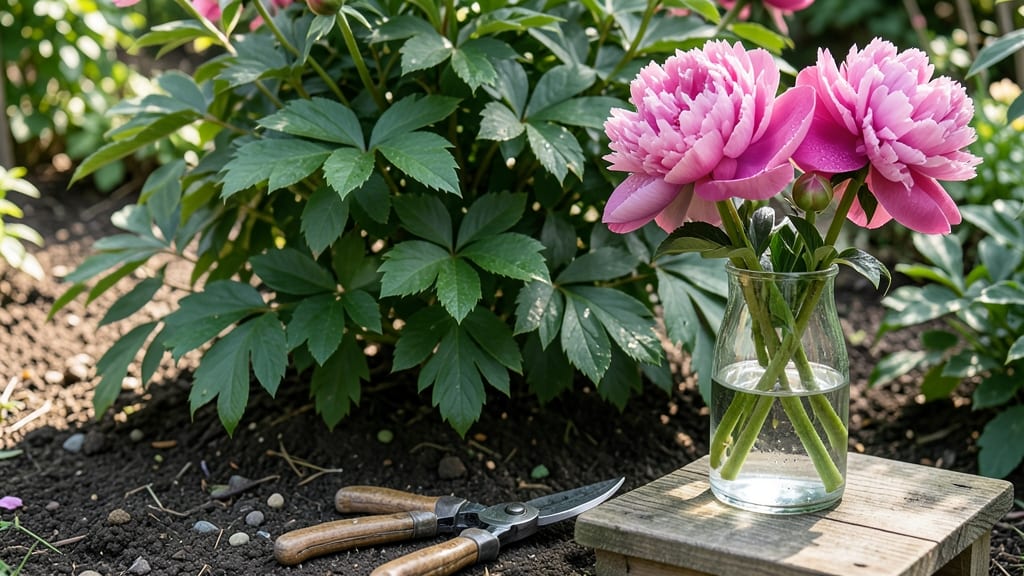
Peony cut flowers deliver luxurious, long-lasting blooms that rival any florist arrangement—right from your own yard. 🌸 I learned the hard way that not all peonies make good cut flowers, but the right varieties (like 'Sarah Bernhardt' or 'Bowl of Beauty') produce stems thick enough to hold their own in a vase for nearly two weeks.
The secret isn't complicated: these frost-hardy perennials thrive with minimal fuss once planted correctly.
You'll need full sun, well-draining soil, and patience—peonies take 2-3 years to establish before their first big bloom. The payoff comes when you snip stems at the right moment: just as the buds begin to swell but before they fully open.
That's when their natural sweet fragrance peaks and the petals stay velvety soft for days in water. Most gardeners over-prune, but peonies actually bloom better with barely any trimming—just deadheading spent blooms and cutting back foliage in late fall.
What you end up with is a low-maintenance cut-flower garden that outperforms annuals. Imagine arranging your own bouquets in June when everything else is still struggling to emerge. The stems hold up better than roses or dahlias, and the blooms stay fresh longer—even in warm rooms.
Plus, peonies multiply over time, giving you more stems each year without extra work.
This method works in zones 3-8, from cold mountain gardens to mild coastal climates. The key adjustments are timing (plant in early fall for best root establishment) and variety selection (tree peonies handle heat better than herbaceous types). Let's get those first cuttings ready for next spring!
📚 In This Guide
- What you need
- Instructions
- Tips and common mistakes
- Wrapping up and next steps
What you need
- ● Peony tubers: Disease-free, Paeonia lactiflora or Paeonia officinalis (10–20 tubers, depending on desired coverage)
- ● Well-draining soil: Mix of garden soil, compost, and perlite/sand (equal parts, ~5–10 gallons total)
- ● Sunlight: Full sun (6+ hours daily) or light shade in hot climates
- ● Watering can or hose: With a gentle spray nozzle (1–2 gallons per watering session)
- ● Mulch: Organic (straw, wood chips) or inorganic (gravel) to retain moisture and regulate temperature
- ● Pruning shears: Sharp, clean pair for trimming stems (sterilize with rubbing alcohol)
- ● Flower food: Commercial preservative for cut stems (1 packet or liquid formula)
- ● Support stakes: 3–4 ft tall for tall varieties (e.g., Paeonia ‘Sarah Bernhardt’)
- ● pH test kit: Ideal soil pH: 6.0–7.5 (peonies thrive in slightly acidic to neutral soil)
- ● Fertilizer: Low-phosphorus, high-potassium (e.g., 5-10-10 NPK ratio) for blooms
Step-by-step guide to growing peony cut flowers
Here's how to cultivate these lush, long-lasting blooms with minimal fuss.
🌱 Step 1: Choose the Right Location and Plant Bare-Root Peonies
Peonies thrive in full sun—at least 6-8 hours daily. I dig a hole 2 feet wide and deep (that's twice as wide as the root system) to encourage spreading roots. The key here is planting depth: position the eyes—the swollen buds on the roots—just 2 inches below soil level. Too deep and they won't bloom; too shallow and they'll flop.
Mix the excavated soil with 2 inches of compost to improve drainage and fertility. Peonies hate soggy roots, so if your soil drains poorly, add a handful of perlite to the mix. Place the roots gently in the hole, spreading them out naturally, then backfill with the amended soil. Water deeply right after planting to settle everything in place.
☀️ Step 2: Provide Consistent Care Through the Growing Season
Water peonies 1-2 times per week during the first growing season, keeping the soil evenly moist but never soggy. You'll know it's right when the top 2 inches of soil feel damp to touch. Overwatering causes root rot, which is fatal. After the first year, peonies develop deep roots and become drought-tolerant—just water during prolonged dry spells.
Fertilize lightly in early spring with a balanced 10-10-10 fertilizer at half strength. Too much nitrogen makes them grow leaves instead of blooms. I skip fertilizer after mid-June to encourage flower buds for next year. Mulch around the base with 2-3 inches of organic mulch to retain moisture and protect roots from winter freeze-thaw cycles.
✂️ Step 3: Prune Strategically for Longer-Lasting Cut Flowers
The secret to stunning cut flowers is pruning at the right time. Wait until the foliage turns yellow in late fall—usually 6-8 weeks after blooming—then cut back stems to 2 inches above ground level. Never prune in early fall; the plant needs those leaves to photosynthesize and store energy for next year's blooms.
When harvesting cut flowers, choose fully opened buds that are just starting to unfurl. Cut stems at a 45-degree angle with clean shears, leaving 2-3 inches of stem attached. Remove lower leaves that would sit in water. Peony blooms last 7-10 days in a vase—longer than most cut flowers—because their thick stems conduct water efficiently.
⏰ Step 4: Protect Through Winter for Reliable Spring Blooms
Peonies are famously cold-hardy, but young plants need extra protection. After the ground freezes, mound 4-6 inches of straw or leaves around the base. This insulation prevents root heaving—when soil freezes and thaws, lifting roots out of the ground. In extremely cold climates (below 0°F), add a 12-inch layer of mulch for extra protection.
Remove the winter mulch in early spring when new shoots appear. Here's the thing—peonies bloom on old wood, meaning the flower buds formed last summer. Don't rush to prune or fertilize early; let the plant focus on pushing up those established buds. You'll see the first shoots emerge in late April or early May, depending on your climate.
Tips & tricks for perfect peony cut flowers
Real talk: these tips will help you avoid the most common peony pitfalls—and get those showstopping blooms every season.
Planting Depth Matters: The 2-inch depth for those swollen buds (the eyes) is non-negotiable. I learned this the hard way after planting too deep one spring—no blooms that year. Use a ruler to measure from the crown to ensure consistency. If your soil settles after watering, add a little more soil to maintain that 2-inch depth.
Sunlight Secret: That 6-8 hours of full sun is a minimum—more is better for vibrant blooms. I've noticed my peonies in the sunnier part of the yard produce buds that are 20% larger than those in partial shade. If your yard has limited sun, choose a location where they'll get the most light possible, even if it means moving them after a few years.
Pruning Timing: The 6-8 week window after blooming for fall pruning is critical. Mark your calendar when you harvest your first cut flowers—this gives you a clear starting point. I set a reminder in my phone for "Peony Prune Check" to avoid cutting too early. Waiting until the foliage yellows ensures the plant has stored enough energy for next year's blooms.
Winter Protection: For areas below 0°F, that extra 6-inch mulch layer makes all the difference. I've seen roots heave right out of the ground in harsh winters without proper insulation. Use straw instead of leaves—it breaks down slower and provides better insulation. In extremely cold zones, consider adding a layer of bubble wrap over the mulch for extra protection.
Pro Tips for Peony Cut Flowers
- Real talk: these tips will help you avoid the most common peony pitfalls—and get those showstopping blooms every season.
- Planting Depth Matters: The 2-inch depth for those swollen buds (the eyes) is non-negotiable. I learned this the hard...
- Sunlight Secret: That 6-8 hours of full sun is a minimum—more is better for vibrant blooms. I've noticed my peonies i...
Frequently asked questions
Got questions about peony cut flowers? You’re not alone—these stunning blooms spark curiosity! Below, we’ve answered the most common questions to help you grow and enjoy them with confidence.
How do I know when peonies are ready to be cut for flowers?
Peonies are best cut when half to three-quarters of their buds have opened—this ensures a longer vase life. Aim for early morning on a cool day for the freshest stems. Avoid cutting fully open blooms, as they’ll wilt faster. Look for buds that feel firm but slightly soft at the base.
How long do peony cut flowers last in a vase?
With proper care, peony cut flowers typically last 5–7 days in a vase. To maximize their lifespan:
- Trim stems at a 45-degree angle before placing them in water.
- Change the water every 2–3 days and add a flower food packet to prevent bacterial growth.
- Keep them in a cool spot (60–65°F) away from direct sunlight or heat sources.
Can peonies survive frost, and how does it affect cut flowers?
Peonies are frost-resistant perennials, thriving even in cold climates! However, frost can slightly shorten the vase life of cut flowers if harvested too early. Wait until after the last frost in spring for the best quality. If you must cut post-frost, give stems a quick rinse to remove any ice or debris before arranging.
What’s the best way to store peony cut flowers if I can’t arrange them right away?
Store peony cut flowers in a cool, dark place (like a refrigerator) with stems submerged in 1–2 inches of water. Wrap them loosely in a damp paper towel to retain moisture. They’ll stay fresh for 24–48 hours this way—perfect for overnight storage before gifting or arranging!
Are there any alternatives to peonies for long-lasting cut flowers?
If you love peonies but want longer-lasting cut flowers, consider these alternatives:
- Delphiniums: Tall, dramatic spikes that last 7–10 days in a vase.
- Ranunculus: Delicate, layered blooms with a 10–14 day lifespan.
- Hydrangeas: Bold clusters that thrive in water for 5–10 days.
- Dahlias: Versatile and long-lasting (up to 2 weeks with care).
Wrapping up and next steps
Peonies are a gardener’s dream—easy to grow, stunningly beautiful, and packed with personality! With just a little patience and minimal pruning, you’ll enjoy lush, frost-hardy blooms that bring joy for decades.
Whether you’re a beginner or a seasoned green thumb, these resilient flowers reward effort with breathtaking cut arrangements and effortless charm.
Ready to transform your garden? Start by selecting the perfect variety, prepping your soil, and giving your peonies the love they deserve. Next, grab those shears and get ready to harvest the most romantic cut flowers you’ve ever grown! 🌸✨