
Flowers
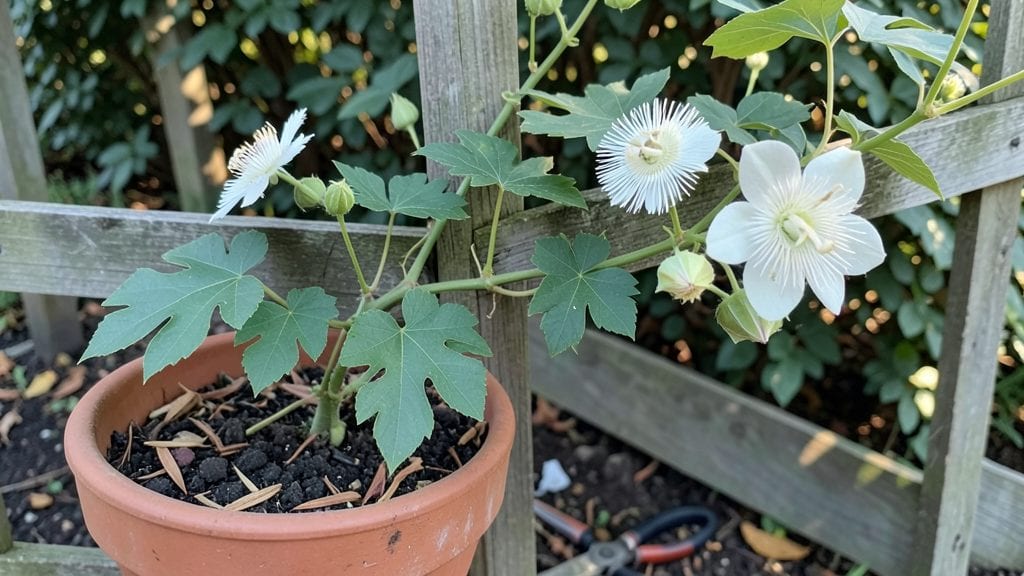
Growing white passion flower in the Pacific Northwest feels like taming a tropical dream—its delicate, ghostly blooms and sprawling vines prove that even cooler climates can host this exotic beauty. 🌿 I’ve watched mine climb a trellis in Portland, thriving where most gardeners assume it would freeze.
The secret isn’t forcing it to behave like a desert plant; it’s giving it the right balance of warmth, shelter, and patience.
The plant craves 6-8 hours of morning sun and afternoon shade, making it perfect for patios or against north-facing walls.
Well-draining soil mixed with compost keeps roots happy, and a 5-gallon container works if your winters dip below 20°F. Mulch heavily in fall to protect the roots—this is where most gardeners give up, but with the right prep, your vine will bounce back each spring.
By midsummer, you’ll be rewarded with 3-inch-wide white flowers that look like they belong in a rainforest, not your backyard. The vines grow aggressively (up to 20 feet in a season), so plan for support.
Prune back in early spring to encourage bushier growth, and you’ll have blooms from June through frost—long after most annuals have quit.
Even better? Some varieties produce edible fruit—sweet, citrusy passionfruit that’s a hit in smoothies. The key is protecting young plants from slugs and ensuring consistent moisture without waterlogging. With these adjustments, your white passion flower won’t just survive the PNW—it’ll become the star of your garden.
📚 In This Guide
- What you need
- Instructions
- Tips and common mistakes
- Wrapping up and next steps
What you need
- ● White passion flower seeds or young plants: Choose Passiflora caerulea (blue passionflower) or Passiflora edulis (white passionfruit) varieties. Start with 1–3 plants for small gardens or up to 5 for larger spaces.
- ● Well-draining potting mix or garden soil: A blend of 60% compost, 30% coconut coir or peat moss, and 10% perlite/sand for optimal drainage. Avoid heavy clay soils.
- ○ Large containers or raised beds (optional but recommended): 5–7 gallon pots with drainage holes or a raised bed at least 12 inches deep.
- ● Slow-release fertilizer: A balanced 10-10-10 or organic option like fish emulsion (apply at planting and mid-season).
- ● Mulch: 2–3 inches of wood chips or straw to retain moisture and regulate soil temperature.
- ● Support structure: A trellis, arbor, or sturdy fence (passion vines can grow 10–20 feet!).
- ● Hand trowel or transplanting shovel for planting.
- ● Pruning shears (sterilized with rubbing alcohol) for trimming.
- ● Watering can or hose with a gentle spray nozzle (passion flowers hate soggy roots!).
- ● Sunlight access: At least 6–8 hours of direct sun daily (use a greenhouse or shade cloth in hot PNW summers if needed).
- ○ Frost protection (optional for early spring/fall): Row covers or a cold frame for tender young plants.
- ● 🌡️ Test your soil: Passion flowers thrive in slightly acidic to neutral pH (6.0–7.0). Adjust with lime or sulfur if needed.
- ● ✨ Warmth matters: Start seeds indoors 8–10 weeks before last frost or buy nursery-grown plants for faster results.
- ● 🎯 Feed & water: Water deeply 2–3 times weekly (more in summer) and fertilize every 4–6 weeks during growing season.
Step-by-Step guide to cultivating white passion flower in the Pacific Northwest
Here’s how to coax this lush vine into thriving even with our region’s damp, mild winters.
🌱 Step 1: Select the Perfect Location for Your Vine
White passion flowers (Passiflora caerulea or Passiflora alata) crave bright, indirect light—think dappled shade in summer and full sun during cooler months. In the PNW, a south- or west-facing wall works best, where they get morning sun and afternoon shade from trees or buildings. Avoid deep shade; stems will stretch weakly and flowers will pale.
I’ve found that sheltered spots—like near a fence or trellis—protect the delicate blooms from our frequent wind and rain. The vine’s tendrils need something sturdy to cling to, so install a 4-6 foot trellis now. A metal or wooden lattice works best; the vine’s weight can bend flimsy supports over time.
🪴 Step 2: Plant with Proper Soil and Support
Use well-draining, slightly acidic soil (pH 6.0-7.0). Mix 2 parts potting soil with 1 part perlite or coarse sand to prevent root rot—a common issue in our wet climate. Amend the soil with compost for fertility, but avoid fresh manure, which can burn tender roots.
Dig a hole twice as wide as the root ball but only as deep as it was in its container. Gently remove the plant, loosen the roots if they’re circling, and place it in the hole so the top of the root ball sits just below soil level. Backfill with your amended mix, pressing lightly to eliminate air pockets. Water deeply to settle the soil.
☀️ Step 3: Water and Fertilize for Optimal Growth
Keep the soil consistently moist but never soggy. In our rainy climate, mulch heavily (2-3 inches of shredded bark or wood chips) to retain moisture and protect roots from temperature swings. Water at the base, avoiding leaves to prevent fungal diseases like powdery mildew, which thrives in our damp air.
Feed with a balanced, water-soluble fertilizer (10-10-10) every 4-6 weeks during spring and summer. Reduce feeding in fall—this encourages the vine to harden off for winter. I’ve seen vines grow 10-15 feet in a season with proper care, but growth slows dramatically if nutrients are lacking.
✂️ Step 4: Prune and Train for Healthy Blooms
Prune in early spring before new growth starts. Cut back one-third of the previous year’s growth to encourage bushier, more productive vines. Remove any dead, diseased, or crossing stems—this improves airflow and reduces pest issues. Leave 3-4 strong canes to climb; more than that will overcrowd and weaken the plant.
Train the vine by tying new shoots to the trellis with soft twine or plant clips. Avoid metal ties, which can cut into the stems as they thicken. Here’s the thing—pruning after flowering reduces blooms for next year, so save heavy cuts for winter if you’re in a milder PNW zone.
⏰ Step 5: Protect from Winter and Encourage Repeat Blooms
In zones 7-9 (most of the PNW), white passion flowers are semi-evergreen but need winter protection. Once temperatures drop below 20°F, wrap the trellis and vine in burlap or frost cloth, securing it tightly. Remove the covering in early spring when new growth appears—usually by late March or April in our region.
To extend blooming, deadhead spent flowers regularly. This redirects the plant’s energy into producing more blooms rather than seed pods. In warmer microclimates (like near heat-retaining walls), you might even see year-round blooms with consistent care.
Tips & tricks for perfect white passion flower cultivation
Here's what I've learned after years of growing these stunning vines in our damp PNW climate—tricks that'll make all the difference between a struggling plant and a thriving tropical beauty.
Location Selection: That south- or west-facing wall is your golden ticket. In Step 1, when choosing your spot, pay special attention to morning sun exposure—this is when passion flowers photosynthesize most efficiently. I've noticed that vines placed against brick walls actually bloom 2-3 weeks earlier than those in regular garden beds because the wall retains heat. For container growing, use large pots with wheels so you can rotate them toward morning sun daily.
Soil Preparation: The 2:1 ratio of potting soil to perlite in Step 2 is non-negotiable for our rainy climate. I've found that adding 1 cup of worm castings to the planting hole gives an extra boost of beneficial microbes that help roots establish faster. For containers, mix in 1 part coconut coir instead of sand—it holds moisture better while still providing excellent drainage. The key is preventing that dreaded root rot while keeping roots happy in our wet winters.
Winter Protection: When wrapping your vine at 20°F in Step 5, don't just throw on any old blanket—use burlap or frost cloth that allows some airflow. I learned this the hard way when my first attempt with plastic sheeting led to mold issues. Leave the bottom of the trellis uncovered to prevent heat buildup at the base. For containers, move them to an unheated garage or protected corner of your patio where temps stay above 15°F—this gives you more flexibility in our variable PNW winters.
Pruning Strategy: The early spring pruning in Step 4 is your chance to shape the vine for maximum blooms. When cutting back one-third of last year's growth, look for stems that are pencil-thick or larger—these are your powerhouses for next year's flowers. I've found that making cuts just above a leaf node (where leaves grow out) encourages stronger regrowth. For established vines, you can actually do a second light pruning in early summer to remove any leggy growth that's not flowering.
Pro Tips for White Passion Flower
- Here's what I've learned after years of growing these stunning vines in our damp PNW climate—tricks that'll make all the difference between a struggling plant and a thriving tropical beauty.
- Location Selection: That south- or west-facing wall is your golden ticket.
- Soil Preparation: The 2:1 ratio of potting soil to perlite in Step 2 is non-negotiable for our rainy climate.
Frequently asked questions
Got questions about growing white passion flower in your Pacific Northwest garden? Here are some of the most common ones—and their answers!
Can white passion flower survive the rainy Pacific Northwest climate?
Yes! While it thrives in tropical conditions, white passion flower (Passiflora caerulea) is surprisingly hardy for the PNW. Choose a sheltered spot, improve drainage, and mulch well to protect roots from excess moisture. A microclimate near a south-facing wall can extend its growing season.
How long does it take for white passion flower to bloom?
With patience, you’ll see flowers in 2–3 years for container-grown plants or 3–5 years when planted in the ground. Young vines focus on root and vine growth first—provide support (like a trellis) early to encourage upward energy and faster blooming.
What’s the best way to overwinter white passion flower in cold PNW winters?
Cut back vines to 1–2 feet in late fall, mulch heavily with straw or leaves, and wrap the base with burlap for extra insulation. In Zone 8 or colder, dig up potted plants and store them in a cool, dark garage until spring. Pro tip: Avoid pruning too early—wait until after the first frost!
Are white passion flowers prone to pests in the Pacific Northwest?
They’re relatively pest-resistant, but watch for aphids (spray with soapy water) and spider mites (increase humidity). Slugs may nibble on young leaves—use beer traps or copper barriers. Healthy soil and regular pruning reduce stress, making vines less attractive to pests.
Can I grow white passion flower in a container, or does it need ground planting?
Containers work great for PNW climates! Use a 15–20 gallon pot with drainage holes, fill it with well-draining soil, and place it near a sunny wall. Just remember to move pots indoors or under cover when temps drop below 20°F. Dwarf varieties like Passiflora ‘Constance Elliott’ are ideal for containers.
Why isn’t my white passion flower blooming?
Common culprits include lack of sunlight (6+ hours daily), over-fertilizing (too much nitrogen = leafy growth, not flowers), or young age. Prune leggy vines in early spring to encourage new growth, and feed lightly with a low-nitrogen, high-phosphorus fertilizer in early summer.
Wrapping up and next steps
Growing white passion flower in the Pacific Northwest isn’t just achievable—it’s a rewarding adventure that brings bold, exotic beauty to your garden! 🌿 With the right care, patience, and a few clever tricks (like winter protection and strategic pruning), you’ll soon be enjoying fragrant blooms and lush vines that thrive even in cooler climates. Remember, every gardener starts somewhere—your passion flower’s journey is just beginning!
Ready to take the next step? Start small—plant a single vine, experiment with supports, and observe what works best in your microclimate. Before you know it, you’ll be sharing your success (and maybe even cuttings!) with fellow gardeners. Happy growing! 🌸