Flowers
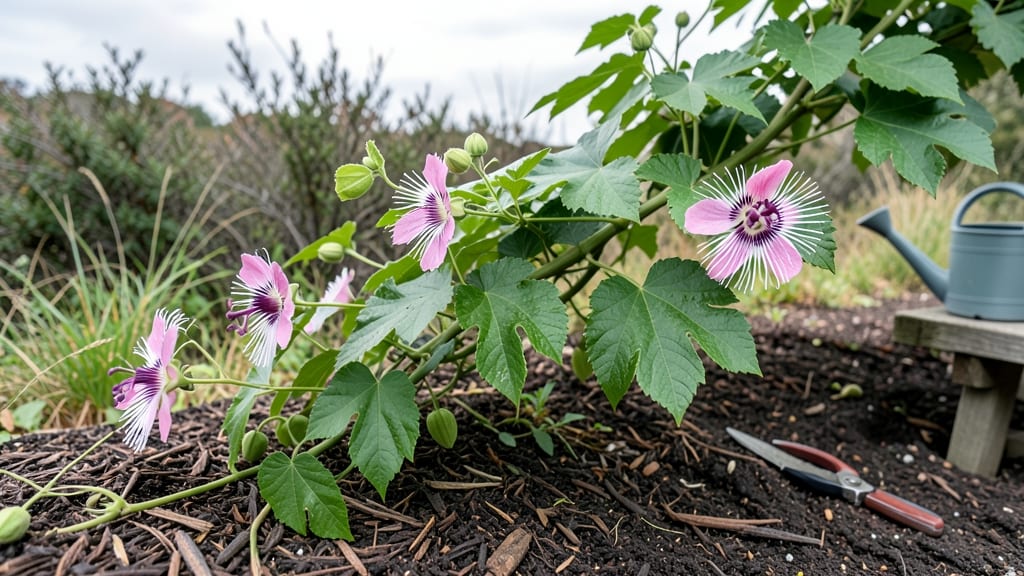
Growing pink passion flowers means inviting hummingbirds to your garden while enjoying exotic blooms that last all year. 🌸 I’ve watched these vines transform my yard from a quiet corner to a buzzing, fragrant paradise—each flower a tiny, delicate masterpiece that hummingbirds can’t resist.
The key starts with the right spot: bright, indirect light and a trellis that lets them climb without fighting for space.
These tropical beauties thrive in well-draining soil and need consistent moisture, but they’re tougher than they look. I’ve had mine survive summer heat and even a few winter freezes with just a little extra care.
The secret? Pruning in late winter to encourage new growth, which is when those first blush-pink flowers start appearing. Once established, they’re almost impossible to kill.
You’ll end up with vines that burst into bloom from spring through fall, their fragrant flowers attracting hummingbirds that hover like living jewels. The foliage stays lush and vibrant, and the more you prune, the more flowers you’ll get—it’s a self-rewarding cycle.
Even in cooler climates, with the right protection, they’ll keep you in blooms for months longer than most flowers.
Whether you’re a beginner or a seasoned gardener, pink passion flowers bring drama and life to any space. The best part? They grow fast, they’re low-maintenance once established, and they make your garden feel like a secret tropical escape. Let’s get those vines climbing!
📚 In This Guide
- What you need
- Instructions
- Tips and common mistakes
- Wrapping up and next steps
What you need
- ● Pink passion flower plants (Passiflora incarnata): 1–3 mature plants or seeds (start seeds indoors 8–10 weeks before last frost).
- ● Well-draining potting mix (for containers): 5–10 gallons, amended with perlite or sand (1:1 ratio for aeration).
- ● Garden soil (for in-ground planting): Loamy, slightly acidic (pH 6.0–7.0), enriched with compost (2–3 inches mixed into topsoil).
- ● Support structure: 6–8 ft trellis, arbor, or stakes (metal or wooden) for climbing vines.
- ● Organic mulch: Shredded bark or straw (2–3 inches) to retain moisture and suppress weeds.
- ● Garden tools: Trowel or hand shovel
- ● Pruning shears (sterilized)
- ● Gloves (gardening or work gloves)
- ● Watering supplies: Hose with adjustable nozzle or watering can (1–2 gallons capacity)
- ○ Drip irrigation kit (optional, for consistent moisture)
- ● Fertilizer: Balanced organic fertilizer (10-10-10 or 5-5-5 NPK ratio)
- ● Compost tea or worm castings (for organic boost)
- ● Hummingbird feeder (to attract pollinators while plants establish).
- ● Copper tape or mesh (to deter slugs/snails from young vines).
- ● Shade cloth (30–50%) for seedlings if planting in hot climates.
- ● Slow-release fertilizer tablets (for container gardens).
Step-by-step guide to planting and caring for pink passion flower vines
Here’s how to get those stunning pink blooms thriving—and hummingbirds visiting daily.
🌱 Step 1: Choose the Perfect Planting Spot
Pink passion flowers need full sun to partial shade—at least 6 hours of direct sunlight daily for best blooms. I always pick a spot with morning sun and afternoon shade if summers are scorching in your area. The vine will climb, so position it near a trellis, fence, or arbor (3-6 feet tall) where it can sprawl upward.
Check the soil drainage—these vines hate soggy roots. If your soil drains poorly, amend it with 2-3 inches of compost mixed into the top 12 inches of soil. The ideal spot is slightly elevated, like a small mound, to prevent water pooling around the base.
☀️ Step 2: Plant at the Right Time and Depth
Plant in early spring after the last frost, when soil temperatures reach at least 60°F. Dig a hole twice as wide as the root ball but only as deep—the top of the root ball should sit 1 inch above ground level. This prevents rot from sitting too low in damp soil.
Gently loosen the roots if they’re tightly bound, then place the vine in the hole. Backfill with native soil, pressing lightly to remove air pockets. Water deeply right after planting—1 gallon per plant—to help roots settle. Mulch around the base with 2-3 inches of organic mulch (like shredded bark) to retain moisture and regulate soil temperature.
💧 Step 3: Water and Fertilize for Strong Growth
Keep the soil evenly moist but not soggy for the first 4-6 weeks after planting. Water deeply 2-3 times per week, adjusting based on rainfall. You’ll know it’s right when the top 1-2 inches of soil feel dry to the touch before the next watering. Overwatering causes yellow leaves, while underwatering leads to drooping vines.
Feed with a balanced, slow-release fertilizer (10-10-10) in early spring and mid-summer. Sprinkle 1 tablespoon per plant around the base, then water thoroughly to activate the granules. Avoid high-nitrogen fertilizers—they promote leafy growth over flowers. Pink passion flowers reward patience with year-round blooms if fertilized correctly.
✂️ Step 4: Prune for Health and More Blooms
Prune in late winter or early spring before new growth starts. Remove dead, damaged, or crossing branches first—these compete for energy. Then, trim back overly long vines to encourage bushier growth. Cut just above a leaf node (the bump where leaves attach) to promote new shoots.
After flowering, lightly prune again in early fall to shape the vine and remove spent blooms. This encourages more flowers next season. Never prune more than one-third of the vine at once—passion flowers are sensitive to heavy cuts. Wear gloves; the tendrils can be sharp!
🪴 Step 5: Support and Protect for Long-Term Success
Train the vine onto its trellis or support structure gently but firmly as it grows. Wrap young stems loosely with soft plant ties (not wire) to guide them upward. Avoid tying too tightly—you want to encourage natural climbing, not strangle the stems.
Watch for aphids or spider mites, which love passion flowers. Spray infested areas with neem oil or a soapy water solution (1 tablespoon mild dish soap per gallon of water) if you spot sticky residue or tiny webs. Healthy vines attract hummingbirds and butterflies, so keep pests in check for a thriving ecosystem.
Tips & tricks for perfect pink passion flower growth
Real talk: These simple tricks will help your pink passion flowers thrive—and keep those hummingbirds coming back for more.
Sunlight Strategy: Those 6 hours of direct sunlight are non-negotiable for vibrant blooms, but here's the thing—morning sun paired with afternoon shade works best in hot climates. I've seen vines wilt under harsh afternoon rays, so if your area gets scorching summers, consider a partially shaded spot during peak heat hours. A simple shade cloth (30-50%) can work wonders for afternoon protection while still letting in plenty of morning light.
Soil Prep Secret: Before planting, I always mix in 2-3 inches of compost into the top 12 inches of soil to improve drainage. The key is creating that slightly elevated mound—this prevents water from pooling around the roots, which these vines absolutely hate. If your soil is naturally heavy clay, add some perlite or coarse sand to help with drainage. Think of it as giving your vine a spa treatment for its roots!
Watering Wisdom: The 4-6 week even moisture period is critical, but here's what nobody tells you—check soil moisture by sticking your finger 1-2 inches deep. If it feels dry, water deeply until it's moist through. I've learned the hard way that surface watering leads to shallow roots. Use a soaker hose or drip irrigation to deliver water right at the base without wetting the leaves, which helps prevent fungal issues.
Pruning Pro Tip: When pruning in late winter, focus on removing those dead or crossing branches first—they're energy vampires. Then cut back long vines to about 1/3 of their length to encourage bushier growth. Always cut just above a leaf node, and wear gloves because those tendrils can be surprisingly sharp! I've found that a clean cut with sharp pruners makes all the difference in how quickly new growth appears.
Pro Tips for Pink Passion Flower
- Real talk: These simple tricks will help your pink passion flowers thrive—and keep those hummingbirds coming back for more.
- Sunlight Strategy: Those 6 hours of direct sunlight are non-negotiable for vibrant blooms, but here's the thing—morning sun paired with afternoon shade works best in hot climates.
- Soil Prep Secret: Before planting, I always mix in 2-3 inches of compost into the top 12 inches of soil to improve drainage.
Frequently asked questions
Got questions about growing pink passion flower? You’re not alone! Here are answers to the most common queries—from planting to troubleshooting—to help you cultivate this stunning hummingbird favorite with confidence.
How fast does pink passion flower grow, and when will it bloom?
Pink passion flower (Passiflora incarnata) is a vigorous vine that can grow 10–20 feet per year with ideal care. With proper sunlight (6+ hours daily) and well-draining soil, you’ll see first blooms in late spring to early summer of the first year, followed by year-round flowers in warmer climates (Zones 6–10). Patience pays off—full maturity (and peak blooms) typically takes 2–3 years.
Why aren’t hummingbirds visiting my pink passion flower?
Hummingbirds love pink passion flower, but a few factors might deter them:
- Lack of nectar: Ensure blooms are fully open (they produce nectar in the morning).
- Pesticides: Avoid chemicals—hummingbirds are sensitive to them.
- Location: Plant near feeders or in sunny, sheltered spots (they avoid windy areas).
- Timing: Blooms last 1–2 days; plant multiple vines for continuous nectar.
Can pink passion flower survive winter in cold climates?
Yes! While it’s hardy to Zone 6, cold climates require protection. Here’s how:
- Cut back vines to 6–12 inches in late fall after leaves drop.
- Mulch heavily around the base with straw or leaves (4–6 inches).
- Cover with burlap or frost cloth in extreme freezes (<10°F).
- Plant in sheltered spots (e.g., near south-facing walls).
What’s the best way to prune pink passion flower for more blooms?
Pruning encourages healthier growth and abundant flowers. Follow these steps:
- Spring (early March): Trim dead or weak stems back to healthy buds.
- After blooming (late summer): Cut back 1/3 of the oldest vines to stimulate new growth.
- Avoid over-pruning: Never remove more than 30% of the vine at once.
- Shape it! Train vines on a trellis or arbor for better airflow (reduces disease).
What are common pests/diseases, and how do I treat them?
Pink passion flower is generally tough, but watch for:
Pest/Disease
Signs
Solution
Aphids
Sticky residue, curled leaves
Spray with soapy water or introduce ladybugs.
Spider mites
Yellowing leaves, fine webbing
Blast off with water; use neem oil if severe.
Fungal leaf spot
Brown spots, wilting
Improve airflow; remove infected leaves; fungicide if needed.
Root rot
Yellowing, mushy stems
Ensure well-draining soil; repot if overwatered.
Wrapping up and next steps
Growing pink passion flower is a rewarding journey that brings vibrant blooms, hummingbird visitors, and year-round beauty to your garden. With the right soil, sunlight, and care, you’ll enjoy a thriving vine that’s as stunning as it is low-maintenance.
Now that you’re armed with the how-to, why not take the next step? 🌸 Plant your seeds or cuttings this season and watch your garden transform into a lively, buzzing paradise!
Ready to dive in? Start small—even a single vine can make a big impact! Happy gardening! 🌿