
Flowers
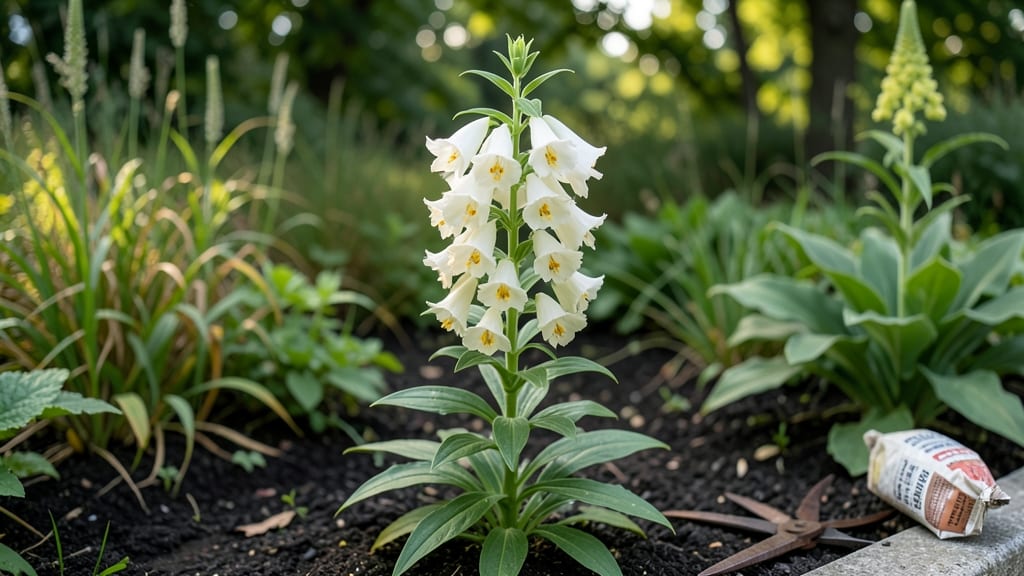
The white cardinal flower (Lobelia cardinalis 'White Cardinal') transforms shady spots into hummingbird havens with its striking bright white trumpet-shaped blooms—and I’ve learned the exact conditions to make it thrive. 🌿 Unlike its red cousin, this variety stands out against dark foliage, creating a dramatic contrast that gardeners can’t resist.
The secret lies in its love for moisture, rich soil, and partial shade, making it perfect for woodland gardens or under trees where other flowers struggle.
You’ll need a moist, well-draining spot with dappled shade or morning sun—think under tall trees or along a north-facing fence. Amend heavy clay soil with compost to keep roots happy, and water consistently, as this plant loves its feet damp but hates soggy conditions.
Plant in early spring or fall, spacing them 12–18 inches apart for that lush, layered look that hummingbirds adore.
By mid-summer, you’ll be rewarded with tall spikes of blooms that hummingbirds can’t resist, plus deep green, lance-shaped leaves that add texture. Prune back spent flowers in early fall to encourage a second flush, and protect the base with mulch in winter if your zone dips below 20°F.
The payoff? A garden that feels alive with movement and color, even in shady corners.
Works beautifully in container gardens (use a large pot) or as a backdrop for perennials. Pair it with ferns or hostas for a woodland escape, or let it naturalize along a stream for a wild, romantic look. Here’s how to make it your garden’s star attraction—without the fuss.
📚 In This Guide
- What you need
- Instructions
- Tips and common mistakes
- Wrapping up and next steps
What you need
- ● Seeds: 10–20 white cardinal flower seeds (ensure they’re labeled for shade tolerance).
- ● Seed-starting mix: 1 small bag (1–2 quarts) of high-quality, well-draining potting soil.
- ● Containers: 2–4 small pots (3–4 inches deep) for seedlings or a seed tray with cells.
- ● Garden soil: 1–2 cubic feet of rich, moist, and slightly acidic soil (pH 5.0–6.5).
- ● Watering can or spray bottle: For gentle hydration (avoid oversaturating seeds!).
- ● Fertilizer: Balanced liquid fertilizer (10-10-10) or organic compost (e.g., worm castings).
- ● Mulch: 1–2 inches of organic mulch (e.g., shredded bark or leaves) to retain moisture.
- ● Hand trowel: For transplanting seedlings into the garden.
- ● Gloves: To protect hands while handling soil or seedlings.
- ● Plant labels: 5–10 labels to track seedling progress.
- ○ Hummingbird feeder (optional): Place near mature flowers to entice pollinators!
- ○ Shade cloth (optional):strong> Lightweight fabric (30–50% shade) if your garden gets partial sun.
Step-by-step guide to cultivating white cardinal flower in shade
Here's my foolproof method for growing this striking shade-loving perennial that hummingbirds adore.
🌱 Step 1: Select the Perfect Planting Location
White cardinal flower thrives in partial to full shade, making it ideal for woodland gardens or under deciduous trees. Choose a spot receiving 2-4 hours of morning sun and afternoon shade—too much direct sun causes leaves to scorch. The soil should stay consistently moist but never waterlogged, so avoid low-lying areas where water pools.
I dig a hole twice as wide as the root ball but only as deep as the container it came in. This prevents burying the crown too deeply, which can rot the plant. Amend the native soil with 2-3 inches of compost to improve drainage and fertility, then mix it thoroughly with the surrounding earth.
💧 Step 2: Plant and Water Deeply for Establishment
Gently remove the plant from its container and loosen any circling roots with your fingers. Place it in the hole so the top of the root ball sits just below soil level. Backfill with the amended soil, pressing lightly to eliminate air pockets while avoiding compaction. Water immediately after planting to settle the soil and eliminate gaps.
For the first 2-3 weeks, keep the soil evenly moist—not soggy, but never allowed to dry out completely. You'll know it's right when the surface feels damp to the touch but doesn't glisten with excess water. Mulch with 2-3 inches of organic mulch (like shredded bark) to conserve moisture and suppress weeds, keeping it 6 inches away from the stem to prevent rot.
☀️ Step 3: Provide Support and Prune for Full Blooms
White cardinal flower grows 3-5 feet tall and often needs staking, especially in windy locations. Install 2-3 stakes around each plant at planting time, securing them with soft garden twine. This prevents leaning stems and broken flowers later in the season. I like to use bamboo stakes because they're sturdy yet flexible enough to accommodate growth.
Deadhead spent blooms regularly to encourage continuous flowering. Simply pinch off the faded flowers just above the next set of leaves. Avoid cutting into the stem—this prevents disease entry and promotes bushier growth. In late fall, cut back the foliage to 6 inches tall to tidy the plant and prepare it for dormancy.
🌿 Step 4: Maintain Soil Moisture and Fertility
This shade lover demands consistent moisture—never let the soil dry out completely between waterings. During hot, dry spells, water every 2-3 days, checking the soil 1 inch below the surface with your finger. If it feels dry, it's time to water. Early morning is best to reduce evaporation and fungal risks.
Feed lightly once in early spring with a balanced, water-soluble fertilizer (10-10-10) diluted to half strength. Too much fertilizer promotes leafy growth at the expense of flowers. I also top-dress with 1 inch of compost in early spring to replenish nutrients naturally. Avoid fertilizing after mid-summer to encourage blooming rather than new foliage.
Tips & tricks for perfect white cardinal flower cultivation
Real talk: These shade-loving beauties reward patience with spectacular blooms—but only if you get the details right. Here's how to set your white cardinal flower up for success.
Soil Preparation Secret: The 2-3 inches of compost I recommend isn't just about nutrients—it's about creating the perfect moisture-retaining environment. For heavy clay soils, mix in additional perlite or coarse sand to improve drainage while maintaining that critical moisture retention. I've seen cardinal flowers struggle in pure native soil because it either drains too quickly or stays too soggy. Test your soil's moisture by squeezing a handful—it should hold together but not be dripping wet.
Staking Strategy: Those 2-3 bamboo stakes aren't just decorative—they're essential for preventing stem breakage, especially in windy areas. Install them at planting time (as the instructions say) but angle them slightly outward from the plant to create a natural support system. I've had plants lean dangerously after storms when stakes were installed too late or weren't angled properly. For extra security, tie the twine in a loose figure-eight pattern rather than a tight knot that could girdle the stem as it grows.
Watering Wisdom: The "evenly moist" requirement during those first 2-3 weeks is non-negotiable. I've learned this the hard way—letting the soil dry out completely can cause transplant shock, while soggy conditions invite root rot. Use your finger to check moisture 1 inch below the surface (as mentioned) but also observe the plant's leaves. Slightly wilting leaves signal it's time to water, while yellowing indicates overwatering. For container-grown plants, water when the top inch feels dry, but remember they dry out faster than in-ground plantings.
Deadheading Technique: When you're pinching off those spent blooms regularly, focus on removing the entire flower cluster down to the first set of healthy leaves. This isn't just about looks—it redirects the plant's energy toward producing more blooms rather than setting seed. I've noticed plants that aren't deadheaded regularly produce fewer flowers and put more energy into seed development. For late-season blooms, cut back the entire stem to 6 inches in fall, but leave some foliage to protect the crown over winter.
Pro Tips for White Cardinal Flower
- Real talk: These shade-loving beauties reward patience with spectacular blooms—but only if you get the details right.
- Soil Preparation Secret: The 2-3 inches of compost I recommend isn't just about nutrients—it's about creating the perfect moisture-retaining environment.
- Staking Strategy: Those 2-3 bamboo stakes aren't just decorative—they're essential for preventing stem breakage, especially in windy areas.
Frequently asked questions
Got questions about growing white cardinal flowers?
You’re not alone! Here are answers to the most common queries to help you nurture these stunning, hummingbird-loved blooms with confidence.
How long does it take for white cardinal flowers to bloom after planting?
White cardinal flowers (Lobelia cardinalis) typically take 60–90 days to bloom from seed, depending on temperature and soil conditions. If you start seeds indoors (4–6 weeks before the last frost), you’ll often see flowers by mid-to-late summer. Pro tip: Use a heat mat to speed up germination if your climate is cool!
Why aren’t hummingbirds visiting my white cardinal flowers?
Hummingbirds adore cardinal flowers, but a few factors might deter them: low nectar production (ensure full sun or partial shade), lack of other food sources nearby, or overly crowded plants blocking access. Try thinning seedlings and adding a shallow dish of sugar water (1:4 ratio) as a backup. Bonus: Plant near other hummingbird favorites like bee balm or fuchsia!
Can white cardinal flowers survive winter in cold climates?
These perennials are hardy to USDA zones 3–9, but they may die back in harsh winters. In colder zones, mulch heavily (3–4 inches of straw or leaves) and cut back foliage in fall to protect the crown. They’ll often resprout in spring! Note: If your winters are extreme, treat them as annuals for guaranteed blooms.
What’s the best alternative if my cardinal flowers flop over or look leggy?
White cardinal flowers can get tall and top-heavy (up to 4 feet!). For sturdier options, try:
- Dwarf varieties: ‘Compliment’ or ‘Crystal Palace’ (2–3 ft tall).
- Staking: Use tall bamboo stakes or a tomato cage for support.
- Container growing: Plant in deep pots with a cage or trellis for vertical growth.
My white cardinal flowers have brown edges—what’s wrong?
Brown, crispy edges usually signal underwatering or salt buildup from tap water. These plants thrive in consistently moist (not soggy) soil. Try:
- Watering at the base (avoid wetting leaves to prevent fungal issues).
- Using rainwater or distilled water if your tap water is hard.
- Adding peat moss to improve moisture retention.
Wrapping up and next steps
The white cardinal flower isn’t just a stunning addition to your shade garden—it’s a hummingbird haven and a symbol of resilience! With the right care, you’ll enjoy its vibrant blooms year after year, even in less-than-sunny spots. 🌿
Ready to transform your garden? Start by gathering your supplies, then plant with confidence—your feathered friends (and your neighbors!) will thank you. Next steps:
- Mark your calendar for fall planting—it’s the perfect time to get started!
- Share your progress with fellow gardeners (or tag us—we love seeing your blooms!).
Now grab those gloves and get growing—your white cardinal flower dream garden awaits! ✨