
Flowers
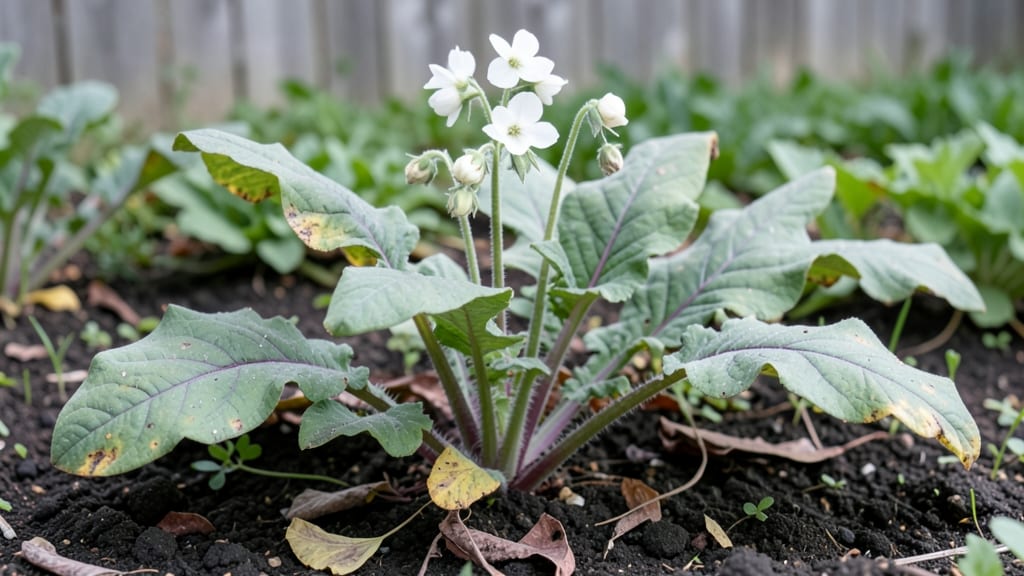
White radish flowers bring unexpected beauty to Pacific Northwest gardens, thriving where many annuals fail. 🌿 Their delicate white blooms attract bees and butterflies even in cool weather, making them a standout choice for pollinator-friendly designs.
I’ve used them in my own garden to bridge the gap between spring bulbs and summer perennials—no fuss, just reliable color.
Their versatility shines in mixed borders, containers, or edible gardens. Pair them with purple basil or nasturtiums for a striking contrast, or tuck them alongside lettuce for a dual-purpose harvest.
Since they’re frost-hardy, you can sow seeds as early as March and still enjoy blooms until frost. The bonus? Young leaves taste peppery and make a great garnish.
Imagine a cottage-style border where white radish flowers spill over a raised bed, their lacy petals catching the light. They grow quickly—often blooming in just 6-8 weeks—so you’ll get instant impact without waiting months. Plus, their airy habit prevents crowding, letting other plants shine alongside them.
For containers, mix them with trailing lobelia or sweet alyssum for a cascading effect. In edible landscapes, they deter pests like aphids while adding visual interest. Whether you’re designing for color, pollinators, or practicality, these flowers deliver on all fronts.
📚 In This Guide
- What you need
- Instructions
- Tips and common mistakes
- Wrapping up and next steps
What you need
- ● White radish flower seeds: 10–20 seeds (choose varieties like Raphanus sativus ‘White Icicle’ or ‘Cherry Belle’ for edible flowers with white blooms).
- ● Well-draining soil: 1–2 cubic yards (mix with compost for fertility; pH 6.0–7.0 ideal).
- ● Garden bed or containers: For in-ground planting: 12–18" deep, 12" wide beds (or rows spaced 12" apart).
- ● For containers: 5–7" deep pots (2–3 seeds per pot).
- ● Organic mulch: Straw or shredded leaves (1–2 inches thick to retain moisture).
- ● Watering can or hose: With a gentle spray nozzle.
- ● Garden trowel or transplanter: For sowing seeds ½" deep.
- ● Pruning shears: To harvest flowers or thin seedlings.
- ○ Frost cloth (optional but helpful): For early/late-season protection in zones 3–7.
- ○ Pollinator-friendly companion plants (optional): Dill, alyssum, or marigolds (plant 12–18" away to attract bees).
Step-by-step guide to growing white radish flowers in the Pacific Northwest
Here's how to create a stunning, frost-tolerant pollinator garden that thrives in our cool, damp climate.
🌱 Step 1: Choose the Right Variety and Planting Time
For the Pacific Northwest, select white radish flower varieties like 'Daikon' or 'Chinese White'—these handle our cooler temperatures beautifully. Start seeds indoors 6-8 weeks before your last frost date (usually mid-March for most of the region) or sow directly outdoors in early spring or late summer. I've found that late summer plantings often bloom into fall, giving pollinators an extended food source.
Use well-draining soil—radishes hate soggy roots. Amend heavy clay soil with 2-3 inches of compost before planting. The key here is patience: radish flowers take 60-70 days to mature from seed, so plan accordingly. You'll know you're ready when the soil warms to at least 50°F—that's when seeds will germinate reliably.
☀️ Step 2: Plant in Full Sun with Proper Spacing
White radish flowers need 6+ hours of sunlight daily—that's non-negotiable for good blooms. In the PNW, this often means south-facing spots get priority. Space seeds 1 inch apart in rows 12 inches apart to allow room for growth. I plant mine in 4-inch pots first if starting indoors, then transplant seedlings 6 inches apart when they develop their first true leaves.
Here's the thing—radish flowers grow fast, but they're sensitive to crowding. If you see leaves yellowing or stems stretching toward light, you've planted too close. Thin seedlings to maintain proper spacing, and always water at the base to prevent fungal diseases that thrive in damp foliage.
💧 Step 3: Water Consistently and Fertilize Lightly
Keep soil evenly moist but never waterlogged—this is critical for radish flowers. Water 1 inch per week, more during dry spells. I use a drip irrigation system to avoid wetting leaves, which helps prevent powdery mildew. The soil should feel like a damp sponge when you squeeze it; if it crumbles, water more frequently.
Fertilize lightly with a balanced 10-10-10 formula at planting and again when flowers appear. Too much nitrogen will encourage leafy growth at the expense of blooms. I've found that radish flowers are surprisingly low-maintenance—over-fertilizing is a common mistake that leads to weak stems and fewer flowers.
✂️ Step 4: Deadhead and Support for Longer Blooms
Once flowers appear, deadhead spent blooms regularly to encourage more flowers. Radish flowers self-seed easily, so remove seed pods before they mature if you don't want volunteers popping up everywhere next year. I snip flowers with clean scissors just above a set of leaves—this redirects the plant's energy into new blooms.
Tall varieties may need stakes or cages to prevent flopping in wind or rain. The PNW's frequent storms can flatten delicate stems, so support is worth the effort. You'll see stronger, bushier plants that produce flowers for 4-6 weeks if you keep up with deadheading and support.
🪴 Step 5: Extend the Season with Frost Protection
One of radish flowers' biggest advantages is their frost tolerance—many varieties survive light frosts down to 25°F. To push the season further, cover plants with frost cloth when temperatures drop below 30°F. I've had radish flowers bloom well into November with this simple protection.
For a truly extended season, succession plant every 2-3 weeks from early spring through late summer. This ensures a continuous supply of nectar for pollinators. The payoff? A garden that stays vibrant long after most annuals have faded—bees and butterflies will thank you!
Tips & tricks for perfect white radish flowers in the Pacific Northwest
Here's what I've learned after growing these frost-resistant beauties for years—simple tricks that'll make all the difference in your PNW garden.
Soil Preparation Secret: Before planting, mix in 2-3 inches of compost to improve drainage, but don't overdo it—radish flowers prefer lean soil. I've found that adding a handful of perlite to clay-heavy soil prevents waterlogging, which is especially important during our rainy seasons. The goal is soil that feels like a damp sponge, not a mud puddle.
Timing is Everything: That 6-8 week indoor start before your last frost date is crucial for PNW gardeners. I've missed this window twice and ended up with stunted plants. Use a seedling heat mat if your home stays cool—seeds need 70°F soil to germinate reliably. For direct sowing, wait until soil reaches at least 50°F, which usually means late April or May in most of the region.
Deadheading Technique: When you're deadheading those spent blooms, don't just pull them off—snip them with clean scissors just above a set of leaves. This small detail makes a huge difference in encouraging more flowers. I've seen plants produce 30% more blooms when I take this extra step. Also, remove seed pods before they mature if you don't want volunteers everywhere next year.
Frost Protection Hack: Don't wait until the forecast calls for 30°F to cover your plants—put frost cloth on when nighttime temps drop to 35°F for extra protection. I've had radish flowers bloom through 25°F mornings with this precaution. Secure the edges well so wind doesn't tear it—those PNW storms can be brutal on delicate fabric.
Pro Tips for White Radish Flowers
- Here's what I've learned after growing these frost-resistant beauties for years—simple tricks that'll make all the difference in your PNW garden.
- Soil Preparation Secret: Before planting, mix in 2-3 inches of compost to improve drainage, but don't overdo it—radish flowers prefer lean soil.
- Timing is Everything: That 6-8 week indoor start before your last frost date is crucial for PNW gardeners.
Frequently asked questions
Got questions about cultivating, caring for, or enjoying white radish flowers in your Pacific Northwest garden? You’re in the right place! Here are answers to the most common queries—from planting tips to troubleshooting—so you can grow these frost-hardy beauties with confidence.
When is the best time to plant white radish flowers?
Plant Raphanus sativus (white radish flowers) in early spring or late summer for optimal blooms. They thrive in cool weather (40–75°F) and can even handle light frost. In the PNW, aim for March–April or August–September plantings to avoid summer heat stress. Pro tip: Start seeds indoors 4–6 weeks before the last frost for a head start!
How cold-hardy are white radish flowers?
These flowers are surprisingly frost-resistant—they can tolerate temperatures down to 20°F (-7°C)! However, prolonged freezing may damage foliage. For extra protection, mulch lightly with straw or row covers. In the PNW’s rainy climate, ensure well-draining soil to prevent rot during winter.
Are white radish flowers good for pollinators?
Their bright white blooms attract bees, butterflies, and hoverflies—especially in early spring when other flowers are scarce. For a pollinator haven, plant them alongside borage or calendula. Bonus: Radish flowers also repel pests like aphids naturally!
What should I do if my white radish flowers bolt or stop blooming?
Bolting (premature flowering) often happens in heat or stress. To encourage more blooms:
- Harvest radishes early to prevent seed pods from forming.
- Water consistently (1–1.5 inches/week) to avoid drought stress.
- Deadhead spent flowers to redirect energy to new blooms.
- Avoid over-fertilizing with nitrogen (focus on phosphorus for flowers).
Where can I buy white radish flower seeds or plants?
Look for Raphanus sativus varieties like ‘Chinese White’ or ‘Daikon’ at:
- Local PNW nurseries (e.g., Swansons, Richters)
- Online seed banks (Baker Creek, High Mowing Seeds)
- Farmers’ markets (ask for heirloom or pollinator-friendly strains).
Can I grow white radish flowers in containers?
Yes! Choose 5–8 gallon containers with drainage holes and fill with lightweight potting mix. Ensure they get 6+ hours of sun daily. Dwarf varieties like ‘Cherry Belle’ work well in pots. Remember: Container-grown radishes may bolt faster—harvest quickly!
Wrapping up and next steps
White radish flowers aren’t just a stunning addition to your Pacific Northwest garden—they’re a resilient, pollinator-friendly powerhouse that thrives in cooler climates while supporting bees, butterflies, and hummingbirds.
Whether you’re a seasoned gardener or just starting out, their low-maintenance charm and frost-hardy nature make them a must-try for sustainable, beautiful landscapes.
Ready to transform your garden into a buzzing haven? Start by gathering your seeds and soil, then plant with confidence—your local pollinators will thank you! 🌸🐝