
Flowers
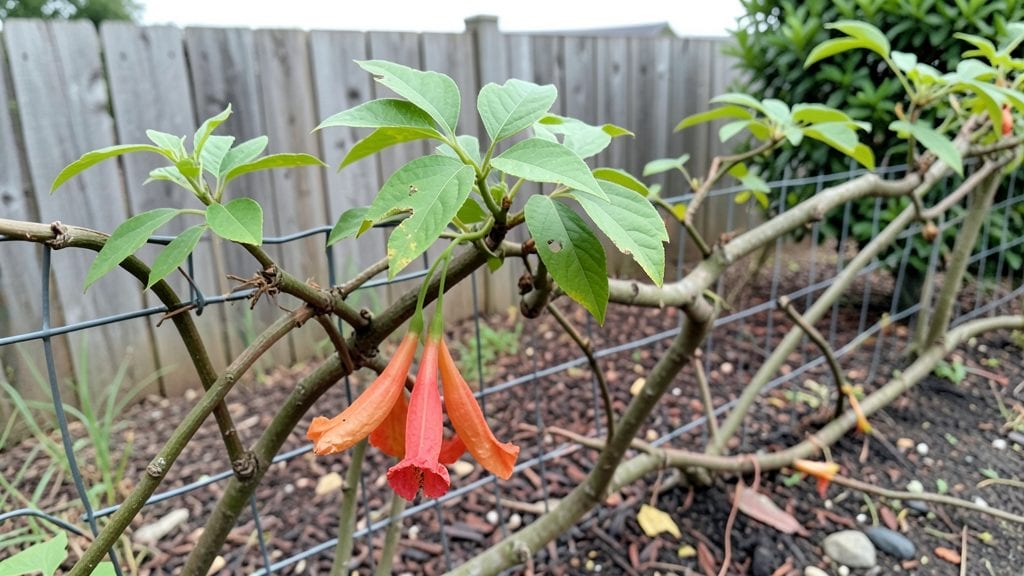
Mastering trumpet flower care in the Pacific Northwest means you can finally grow those bold, fiery blooms without frost wiping them out—here’s how I’ve done it through damp Seattle winters. 🌿 thriving when others give up—starting with the right variety for your climate.
The secret lies in matching their needs to your space: Campsis radicans climbs like a vine, while Allamanda cathartica stays compact as a shrub. Both love morning sun and afternoon shade, well-draining soil, and regular watering—though they’ll tell you when they’re thirsty by drooping those trumpet-shaped blooms.
Pruning in late winter (after frost risk passes) keeps them bushy and encourages nonstop summer-long flowers.
You’ll end up with a plant that blooms from June until frost, covered in bright orange or yellow flowers that hummingbirds can’t resist. The foliage stays lush even in our rainy summers, and with the right care, these plants outlast most annuals—sometimes for decades.
The key is consistency: feed them lightly in spring, protect young plants from cold snaps, and watch them reward you with drama you won’t find in any nursery pot.
Works equally well in containers on patios or trained against fences—just avoid heavy clay soil. Here’s how to set yours up for that showstopping, frost-tough performance we all dream of.
📚 In This Guide
- What you need
- Instructions
- Tips and common mistakes
- Wrapping up and next steps
What you need
- ● Trumpet flower plants: 1-3 young, healthy nursery-grown plants (ensure they’re labeled as frost-tolerant or hardy varieties like Allamanda cathartica cultivars).
- ● Well-draining potting mix: 5-10 gallons (depending on pot size). Look for a blend with 30-40% perlite or pumice to mimic sandy soil.
- ● Containers (if not planting in-ground): 1-2 10-15 gallon pots with drainage holes (for each plant).
- ○ Grow bags (optional alternative, 15-20 gallons each).
- ● Slow-release fertilizer: 1-2 cups of balanced 10-10-10 or 14-14-14 granules (or organic options like composted manure).
- ● Mulch: 2-3 inches of pine bark fines or straw to insulate roots in winter.
- ● Support structure: 1-2 bamboo stakes or trellises (4-6 ft tall) per plant for climbing vines.
- ● Pruning shears: Sharp, sterilized shears for trimming (avoid dull blades to prevent tearing).
- ● pH testing kit: To check soil acidity (ideal range: 6.0-7.0).
- ● Garden hose with spray nozzle: For gentle watering (avoid overhead soaking).
- ○ Frost cloth or row covers: Lightweight fabric to protect young plants during late frosts (optional but highly recommended for PNW winters).
- ● Epsom salt (magnesium sulfate): 1 tbsp per gallon of water for monthly foliar sprays (boosts blooms!).
- ● Compost tea or mycorrhizal inoculant: To enhance soil microbial life (especially for in-ground planting).
- ● Gloves & knee pads: For comfortable handling during planting and maintenance.
How to cultivate hardy trumpet flowers in the Pacific Northwest
Here's the straightforward method I've used for years to grow thriving trumpet flowers that survive our damp winters.
🌱 Step 1: Choose the Right Location and Soil Prep
Trumpet flowers (Campsis radicans) need 6-8 hours of sunlight daily—pick a spot that gets morning sun and afternoon shade if summers run hot. In the Pacific Northwest, they'll tolerate partial shade, but you'll get fewer blooms. I always test the soil first by digging down 6 inches—if it feels compacted, mix in 2-3 inches of compost to improve drainage.
These vines love rich, slightly acidic soil with a pH between 6.0-7.0. If your soil tests higher, work in 1-2 pounds of peat moss per 10 square feet to lower the pH. The key is loose, well-draining soil—they hate soggy roots. Amend heavy clay by adding equal parts compost and perlite to the top 12 inches of soil.
☀️ Step 2: Plant at the Right Time and Depth
In the Pacific Northwest, plant trumpet flowers in early spring after the last frost date (typically mid-April to early May). If you're using bare-root plants, soak the roots in lukewarm water for 1-2 hours before planting to revive them. Dig a hole twice as wide as the root ball but only as deep—the top of the root ball should sit 1 inch below soil level. This prevents stem rot from sitting too low.
Spread the roots out gently in the hole—don't bend them. Fill the hole with soil and water deeply to settle everything. You'll see new growth appear within 2-3 weeks if conditions are right. Here's the thing—these vines grow fast, so don't plant them too close to structures or other plants. Give them at least 10 feet of space to climb and spread.
💧 Step 3: Water and Fertilize for Strong Growth
Water trumpet flowers deeply once a week during the first growing season to establish roots. You'll know you're doing it right when the top 6 inches of soil feel dry before watering again. After the first year, they become quite drought-tolerant once established. I always water at the base—never overhead—to prevent fungal diseases that thrive in our damp climate.
Feed them with a balanced 10-10-10 fertilizer in early spring when new growth appears, then again in early summer after blooming. Use ½ cup per plant—don't overdo it, as too much nitrogen encourages leafy growth at the expense of flowers. Mulch around the base with 2-3 inches of wood chips to retain moisture and regulate soil temperature.
✂️ Step 4: Prune for Health and Better Blooms
Prune trumpet flowers in late winter or early spring before new growth starts. Remove dead, diseased, or crossing branches first—this improves airflow and prevents fungal issues. Then cut back last year's growth by about one-third to encourage new, vigorous growth. You'll see fresh, green shoots emerge within 2-3 weeks of pruning.
After the first flush of blooms in mid-summer, trim back spent flower clusters to encourage a second blooming cycle. Never cut into old wood—always prune just above a leaf node. In the Pacific Northwest, you can leave the vines up through winter—they're hardy to USDA Zone 4 and will regrow in spring. Just remove any dead wood in early spring before new growth starts.
Tips & tricks for perfect trumpet flower cultivation
These are the little details that'll make your trumpet flowers thrive in our Pacific Northwest climate—no guesswork, just proven results.
Sunlight Strategy: While trumpet flowers tolerate partial shade, you'll get the most vibrant blooms when they receive at least 6 hours of sunlight daily. In our region, I've found that morning sun with afternoon shade works perfectly—it prevents the leaves from scorching during our hot summer afternoons while still giving them enough energy for blooming. If you're planting near trees, choose a spot where the canopy opens up during peak sunlight hours.
Soil Test Tip: Before amending your soil, grab a handful and squeeze it—if it stays compacted when you release it, you definitely need to add compost. I always mix in 2-3 inches of compost to the top 6 inches of soil, which improves drainage and provides essential nutrients. For heavy clay soils, the equal parts compost and perlite mix makes a world of difference—your plants will thank you with stronger growth and better disease resistance.
Planting Depth Secret: That 1-inch depth guideline for planting is critical—any deeper and you risk stem rot, any shallower and the roots won't establish properly. I use a level to check the depth after backfilling, and always make sure the top of the root ball sits exactly 1 inch below soil level. This small detail prevents one of the most common early failures with trumpet flowers.
Fertilizer Timing: The two feeding times—early spring and early summer—are non-negotiable for our climate. Too much nitrogen later in the season will encourage leafy growth at the expense of flowers, which is the last thing you want when you're aiming for those dramatic trumpet-shaped blooms. I always use exactly ½ cup of 10-10-10 fertilizer per plant, following the instructions precisely.
Pro Tips for Trumpet Flower Care
- These are the little details that'll make your trumpet flowers thrive in our Pacific Northwest climate—no guesswork, just proven results.
- Sunlight Strategy: While trumpet flowers tolerate partial shade, you'll get the most vibrant blooms when they receive at least 6 hours of sunlight daily.
- Soil Test Tip: Before amending your soil, grab a handful and squeeze it—if it stays compacted when you release it, you definitely need to add compost.
Frequently asked questions
Got questions about keeping your trumpet flower thriving in the Pacific Northwest? You’re not alone! Here are answers to the most common concerns—from frost prep to troubleshooting—so your Allamanda cathartica stays vibrant and healthy year-round.
How cold can trumpet flowers tolerate before frost damage occurs?
Trumpet flowers (Allamanda cathartica) are tender perennials and typically struggle below 30°F (-1°C). In the PNW, they’re best grown as annuals or overwintered indoors/potted and brought inside before frost. If temperatures dip lower, expect leaf drop or stem dieback—though roots may survive with protection.
When is the best time to prune trumpet flowers for PNW winters?
Prune after the first frost (late fall) or early spring (March) to remove dead growth. For container plants, cut back by ⅓ to encourage bushier regrowth. Avoid heavy pruning in summer—it can stress the plant and delay blooming. Pro tip: Wear gloves—sap can irritate skin!
Why are my trumpet flower leaves yellowing, even with consistent watering?
Yellowing leaves often signal overwatering or nutrient deficiencies. Check soil moisture—trumpet flowers prefer well-draining soil and moderate water (let top 1–2 inches dry out). Yellow edges? Likely chlorosis (iron deficiency)—amend soil with chelated iron or use a balanced fertilizer. Bonus: Mulch helps retain moisture without soggy roots.
Can I grow trumpet flowers from seed, or should I stick to cuttings?
While seeds are possible, they’re slow and finicky—germination can take weeks to months, and seedlings may not inherit parent traits. Cuttings (4–6 inches) root best in water or perlite. For PNW growers, buy healthy nursery starts or propagate via cuttings in spring/summer for faster, more reliable results.
What pests should I watch for on trumpet flowers in the PNW?
Keep an eye out for:
- Spider mites (tiny webs on undersides of leaves—spray with water to deter).
- Aphids (sticky residue; blast off with water or use neem oil).
- Whiteflies (common in greenhouses; use yellow sticky traps).
- Mealybugs (cottony clusters; wipe off with alcohol-soaked cotton swabs).
Prevention tip: Encourage ladybugs and lacewings—natural predators that love these pests!
Wrapping up and next steps
Caring for your trumpet flower in the Pacific Northwest doesn’t have to be daunting—it’s all about patience, preparation, and a little love. 🌱 With the right soil, sunlight, and frost-resistant strategies, you’ll enjoy vibrant blooms year after year.
Whether you’re a seasoned gardener or just starting out, these tips make the process rewarding and stress-free.
Now that you’re armed with the knowledge, roll up your sleeves and get planting! 🌸 Start by picking a spot in your garden, and soon, you’ll be basking in the beauty of these stunning flowers. Happy gardening!