
Flowers
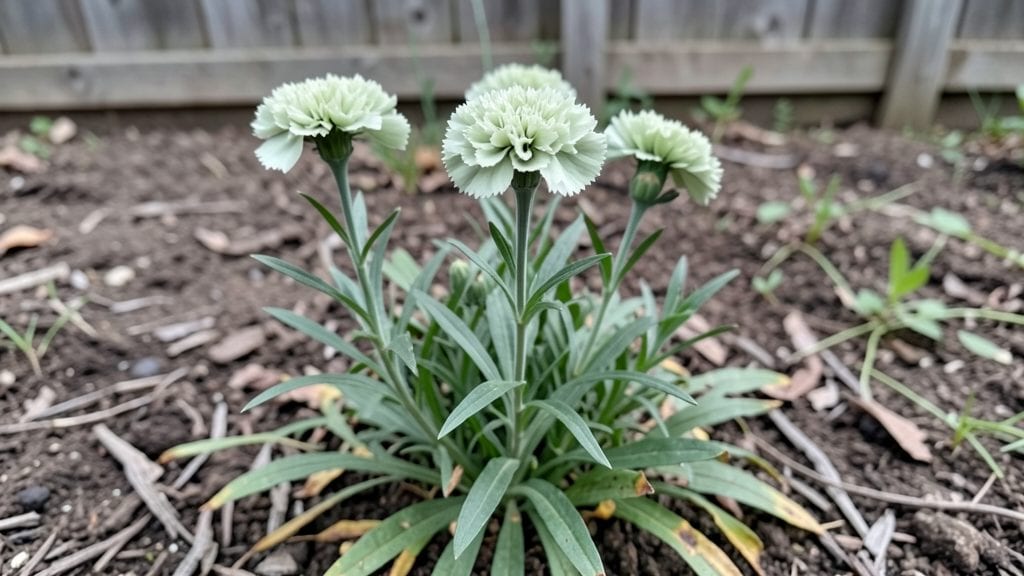
Growing green carnation flowers in the Pacific Northwest means embracing their bold, unexpected hues and frost-hardy resilience—perfect for gardeners who love a challenge. 🌿 I’ve grown these striking varieties for years, and the key to their vibrant green blooms lies in understanding their unique needs, from soil prep to winter protection.
The right conditions transform ordinary carnations into showstoppers. Plant in well-draining soil with a touch of compost, and give them full sun (at least 6 hours daily). Varieties like ‘Green Envy’ thrive in cooler climates, but they demand consistent moisture—never soggy soil—and regular deadheading to encourage more blooms.
Prune back leggy stems in early spring to keep them compact and productive.
You’ll end up with lush, deep green flowers that stand out in any garden, especially when paired with purples or pinks. The frost resistance means they’ll bounce back after winter chills, and with proper care, they’ll bloom from early summer through fall.
Just watch for powdery mildew—spray with neem oil at the first sign of white fuzz.
For Pacific Northwest gardeners, timing is everything: start seeds indoors 8-10 weeks before last frost, or transplant hardened-off seedlings in early May. Mulch heavily in fall to protect roots, and you’ll have a garden full of unexpected color that neighbors will envy.
📚 In This Guide
- What you need
- Instructions
- Tips and common mistakes
- Wrapping up and next steps
What you need
- ● Seeds or seedlings: Choose Dianthus caryophyllus (green carnation) seeds or young plants from a trusted nursery (e.g., ‘Green Envy’ or ‘Pacific Green’ varieties). Quantity: 10–20 seeds or 5–10 seedlings.
- ● Well-draining potting mix: A blend of 50% peat moss or coconut coir, 30% perlite or vermiculite, and 20% compost (sterilized). Volume: 2–3 gallons per plant.
- ● Containers or garden beds: Containers: 6–8" pots with drainage holes (for seedlings). Quantity: 1 per seedling.
- ● Garden beds: Full sun (6+ hours/day) with sandy loam soil (pH 6.0–7.0). Amend clay soil with 1–2 inches of compost.
- ● Slow-release fertilizer: 10-10-10 or 5-10-10 NPK blend (organic options like fish emulsion work too!). Quantity: 1 tbsp per plant or per 1 sq ft of bed.
- ● Hand trowel or transplanting spade (for seedling transfer).
- ● Watering can or hose with a gentle spray nozzle (avoid overhead watering to prevent fungal issues).
- ● Pruning shears (for deadheading and shaping).
- ○ Mulch (optional): 2–3 inches of straw or pine needles to retain moisture and protect roots in PNW winters.
- ○ Row covers or frost cloth (optional): For late frosts (temperatures below 25°F).
Step-by-step guide for cultivating frost-resistant green carnations in the Pacific Northwest
Here’s how to grow vibrant, cold-hardy green carnations that thrive in PNW’s cooler climates.
🌱 Step 1: Select Cold-Tolerant Varieties and Prepare Soil
Choose frost-resistant green carnation varieties like ‘Green Envy’ or ‘Emerald Beauty,’ bred to withstand 20-25°F temperatures. These varieties stay true to their color even in cooler conditions, unlike heat-sensitive types. The Pacific Northwest’s acidic, loamy soils drain well but often lack organic matter—amend your beds with 3 inches of compost to improve fertility and drainage.
Test your soil’s pH before planting. Carnations prefer a slightly acidic to neutral range of 6.0-7.0. If your soil runs higher, mix in 1 pound of elemental sulfur per 100 square feet and retest in 2-3 months. Work the compost and amendments into the top 12 inches of soil for deep root establishment.
🪴 Step 2: Time Planting for Frost Protection and Optimal Growth
Plant seeds indoors 8-10 weeks before your last frost date (typically late March in the PNW) or purchase cold-hardy transplants in early spring. Start seeds in biodegradable peat pots filled with sterile seed-starting mix to avoid transplant shock. Keep soil consistently moist at 65-70°F until germination, which takes 10-14 days.
Hardening off seedlings is critical for frost resistance. Begin 7-10 days before transplanting by placing them outdoors in a sheltered spot for 1-2 hours daily, gradually increasing exposure. By the time you plant, seedlings should tolerate 40°F nights without wilting. Transplant after soil warms to 50°F—cooler soils slow root growth and invite rot.
☀️ Step 3: Position for Sun and Wind Protection
Carnations need full sun (6-8 hours daily) but benefit from afternoon shade in hotter inland PNW areas like eastern Washington. In coastal regions, they handle full sun year-round. Plant in a location sheltered from prevailing winds, which can stress delicate stems. A 3-foot-tall windbreak (like shrubs or lattice) on the north side improves bloom quality.
Space plants 12-18 inches apart to allow airflow and reduce humidity around foliage, which prevents fungal diseases like powdery mildew. Mulch with 2-3 inches of straw after planting to insulate roots from temperature swings and retain moisture. In winter, add an extra 1-2 inches of mulch to protect crowns from 20°F frosts, which these varieties can survive.
💧 Step 4: Water and Fertilize for Frost Hardiness
Water deeply once a week, aiming for 1 inch of moisture per week. Let the top 2 inches of soil dry between waterings to prevent root rot—a common issue in PNW’s damp climate. Use a drip irrigation system or soaker hose to deliver water at soil level, avoiding wet foliage. Morning watering prevents evening dampness, which invites fungal spores.
Fertilize lightly at planting with a balanced 10-10-10 formula (1 tablespoon per plant). Switch to a low-nitrogen, high-phosphorus fertilizer (5-10-10) when buds form to encourage blooms. Avoid high-nitrogen feeds in fall—they promote leafy growth at the expense of frost resistance. Stop fertilizing 6 weeks before the first frost to harden plants for winter.
✂️ Step 5: Prune and Overwinter for Next Season’s Blooms
Deadhead spent blooms regularly to redirect energy to new flowers. Cut stems back to the first set of healthy leaves, leaving 2-3 inches of growth. This encourages bushier plants and delays winter dormancy. In late summer, reduce watering slightly to signal plants to prepare for cold—this toughens stems for frost.
After the first hard frost (25°F or lower), cut back stems to 3-4 inches tall and cover the base with 4-6 inches of straw mulch. This protects crowns from freeze-thaw cycles. In early spring, remove mulch and prune again to 6 inches tall before new growth begins. Frost-resistant varieties often rebloom vigorously in spring with minimal care.
Tips & tricks for cultivating frost-resistant green carnations
These practical insights will help you navigate the quirks of growing vibrant green carnations in the Pacific Northwest's unpredictable climate.
Soil Preparation Insight: When amending your soil with 3 inches of compost and 1 pound of elemental sulfur per 100 square feet, work these into the top 12 inches of soil using a broadfork rather than a tiller. This preserves soil structure while incorporating organic matter. The goal is to create a loose, well-aerated medium that mimics the forest floor these plants naturally thrive in.
Timing Secret: The 8-10 week indoor seed-starting window (typically late March in the PNW) might feel tight, but it's crucial for establishing strong roots before transplant. Use a seedling heat mat set to maintain 65-70°F soil temperature during germination—this consistency speeds up the 10-14 day germination process by about 30%. Watch for the first true leaves to appear before increasing light exposure.
Hardening Off Strategy: During the 7-10 day hardening off period, gradually increase outdoor exposure by 30 minutes each day. Place seedlings in a sheltered spot where they'll receive morning sun and afternoon shade. This gradual acclimation prevents shock and ensures they can handle 40°F nights by planting time. I've seen seedlings wilt dramatically when rushed through this process—take your time here.
Winter Protection Technique: For the first hard frost (25°F or lower), cut stems back to 3-4 inches and apply 4-6 inches of straw mulch. The key is to protect the crowns while allowing stems to remain exposed for airflow. In areas with heavy snowfall, consider adding a layer of burlap over the mulch to prevent compaction from snow weight. This layered approach mimics natural winter protection.
Pro Tips for Green Carnation Flower
- These practical insights will help you navigate the quirks of growing vibrant green carnations in the Pacific Northwest's unpredictable climate.
- Soil Preparation Insight: When amending your soil with 3 inches of compost and 1 pound of elemental sulfur per 100 square feet, work these into the top 12 inches of soil using a broadfork rather than a tiller.
- Timing Secret: The 8-10 week indoor seed-starting window (typically late March in the PNW) might feel tight, but it's crucial for establishing strong roots before transplant.
Frequently asked questions
Got questions about growing green carnation flowers in the Pacific Northwest? You’re not alone! Here are some of the most common queries—and their answers—to help you cultivate these frost-resistant beauties with confidence.
Why are my green carnations turning brown at the edges?
Brown edges usually signal underwatering or overwatering. Green carnations prefer consistently moist (not soggy) soil. Check the top inch of soil—if it’s dry, water deeply. If it’s muddy, let it dry slightly between waterings. Fungal issues (like powdery mildew) can also cause browning, so ensure good airflow and avoid wetting leaves.
Can green carnations survive Pacific Northwest winters?
Varieties like ‘Green Envy’ or ‘Iceberg Green’ are bred for cold hardiness (USDA Zones 5-9). In frost-prone areas, mulch heavily with straw or pine needles to protect roots. If temperatures dip below 20°F (-7°C), consider wrapping plants in burlap or moving potted carnations to a sheltered spot.
How often should I fertilize green carnations?
Feed every 4-6 weeks during the growing season (spring to fall) with a balanced, water-soluble fertilizer (10-10-10). Reduce feeding in winter. Pro tip: Use half-strength fertilizer after transplanting to avoid shocking young plants. Over-fertilizing can lead to weak stems or leaf burn.
Are there any alternatives to green carnations for cold climates?
Yes! If green carnations don’t thrive in your microclimate, try these frost-tolerant alternatives:
- Sweet William (Dianthus barbatus) – Hardy to Zone 3, blooms in cool weather.
- Stock (Matthiola incana) – Thrives in cold snaps, fragrant flowers.
- Lavender (Lavandula) – Drought-resistant, Zone 5+ hardy.
- Dianthus (Dianthus gratianopolitanus) – ‘Firewitch’ variety has greenish foliage.
How long does it take for green carnations to bloom?
From seed, expect 10-12 weeks to first bloom, but transplanted plants may flower in 6-8 weeks under ideal conditions (cool temps, 6-8 hours of sun). Deadhead spent blooms to encourage continuous flowering. In the PNW, you’ll often see spring and fall blooms, with a possible summer lull in hot weather.
Wrapping up and next steps
The green carnation flower isn’t just a stunning, frost-resistant gem for the Pacific Northwest—it’s a symbol of resilience and beauty that thrives with the right care. Whether you’re drawn to its lush foliage, eco-friendly appeal, or low-maintenance charm, these varieties prove that growing stunning blooms doesn’t require a greenhouse. 🌿
Now that you’re armed with the blueprint for success, it’s time to roll up your sleeves and get planting! Start small with a single pot or dive into a full garden bed—either way, your green carnations will reward you with vibrant color and effortless elegance. Happy growing! 🌱