
How To
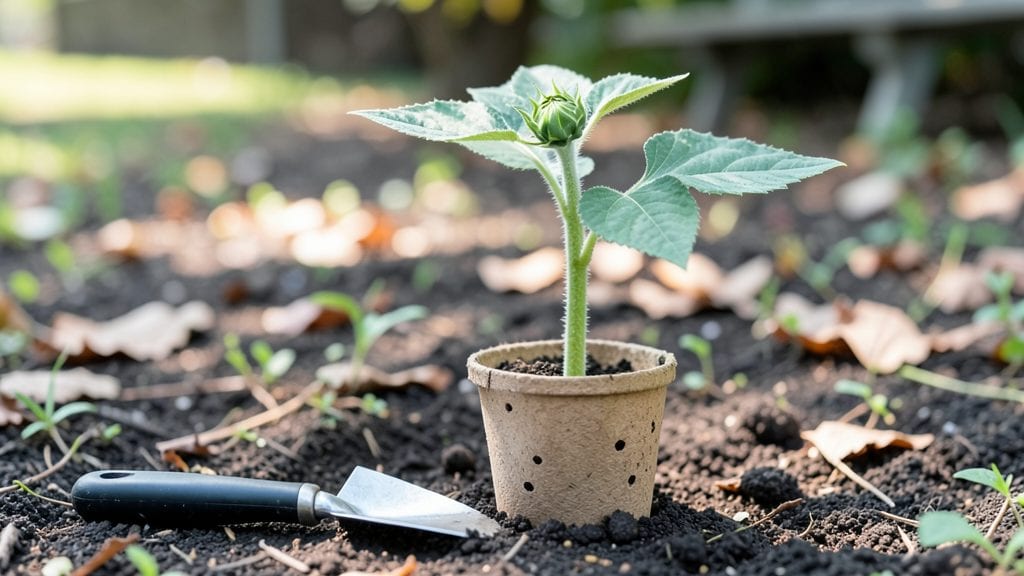
Transplanting sunflower seedlings at the right time means the difference between towering giants and stunted plants. ✨ I learned this the hard way when my first batch of seedlings flopped after being moved too early—now I follow a foolproof timeline that ensures strong roots and rapid growth.
Sunflowers thrive when transplanted after their second set of true leaves appears and nighttime temperatures stay above 50°F. Prepare the soil by loosening it to 12 inches deep, mixing in compost for drainage, and spacing holes 6 inches apart for dwarf varieties or 18 inches for giants.
Gently lift seedlings by their leaves (never the stems) to preserve roots, then plant them at the same depth they grew in containers.
📚 In This Guide
- What you need
- Instructions
- Tips and common mistakes
- Wrapping up and next steps
What you need
- ● Sunflower seedlings: 4–6 weeks old (with 3–4 true leaves) 🌱
- ● Transplanting container: A bucket or large pot (5+ gallons) with drainage holes
- ● Trowel or small shovel: For digging and loosening soil
- ● Pruning shears or scissors: To trim damaged roots or stems if needed
- ● Watering can or hose with a gentle spray nozzle: For hydrating seedlings and soil
- ● Organic fertilizer (balanced 10-10-10 or compost): 1 cup per plant
- ● Mulch (straw, wood chips, or grass clippings): To retain moisture and suppress weeds
- ● Root stimulator or mycorrhizal fungi: Boosts root growth and resilience
- ● Plant support (stakes or cages): For taller varieties (6+ feet)
- ● Shade cloth (lightweight): Protects seedlings from harsh sun post-transplant
- ● Garden gloves: Keeps hands clean and comfortable
Step-by-Step guide for transplanting sunflower seedlings
Here's the gentle approach I swear by—no shock, no stunted growth, just strong sunflowers ready to tower.
🌱 Step 1: Time the Transplant for Perfect Conditions
Wait until seedlings have 3-4 true leaves and are at least 6-8 inches tall—this ensures they've built enough root mass to handle moving. I always check the weather first: transplant on a cool, cloudy day or in the early evening to avoid midday sun stress. If you must move them during hot weather, do it after 4 PM when temperatures drop.
Sunflowers hate soggy roots, so avoid transplanting if rain is forecast within 24 hours. The soil should be moist but not waterlogged—test by squeezing a handful; it should hold shape but not drip. Real talk: I once transplanted in dry soil, and the roots cracked when I tried to pull them out. Don’t make that mistake.
🪴 Step 2: Prepare the New Location with Care
Choose a spot with full sun (6+ hours daily) and soil that drains well—sunflowers despise sitting in water. Amend the soil with 2-3 inches of compost mixed into the top 6 inches if your dirt is heavy clay. I dig a hole twice as wide as the root ball but only as deep as the container—sunflowers don’t like being buried too deep, which can rot the stem.
Space seedlings 18-24 inches apart for dwarf varieties or 2-3 feet apart for giant sunflowers. Crowding leads to weak stems and disease. Tap the hole lightly with your foot to remove air pockets, then add a handful of bone meal (if using) to the bottom for extra phosphorus—this boosts root growth and flower production.
💧 Step 3: Lift and Transfer Seedlings Without Damage
Water the seedlings deeply 1-2 hours before transplanting—this loosens the roots and makes them easier to handle. Grip the base of the stem (not the leaves) and gently slide the seedling out of its container. If roots are circling tightly, use a knife to tease them apart—this prevents girdling as the plant grows. Here’s the thing: sunflower roots are surprisingly fragile, so handle them like you’re carrying a fragile vase.
Place the seedling in the hole, ensuring the soil line matches the container’s original level. Press the soil firmly around the roots with your fingers—this removes air gaps and helps the plant establish quickly. Water deeply at the base until moisture seeps 2 inches below the surface. Avoid overhead watering; it spreads disease and washes away soil around the roots.
☀️ Step 4: Support and Protect for the First Week
Sunflowers need sturdy support from day one, especially if you’re growing tall varieties. Install bamboo stakes or cages immediately after transplanting—waiting even a few days risks the stem bending permanently. Tie the main stem loosely to the stake with soft plant ties (avoid wire or anything that can cut into the stem as it thickens).
For the first 7-10 days, keep seedlings shaded from direct midday sun by setting up a light shade cloth (30-50%) or using a white sheet draped loosely over them. This prevents transplant shock while they adjust. Water every other day at the base, keeping the soil evenly moist but not soggy. You’ll know it’s working when new leaves appear within 5-7 days—that’s your sign the plant is settling in.
Tips & tricks for perfect sunflower seedling transplants
A few subtle adjustments can make all the difference between struggling sunflowers and plants that thrive from day one. These are the tricks I've learned after watching seedlings either bounce back or wither from poor handling.
Timing Secret: In Step 1, when checking for the right transplant window, pay special attention to the moisture test—the soil should feel like a damp sponge, not a wrung-out towel. I've seen seedlings fail because the soil was either too dry (roots cracked) or too wet (roots suffocated). For extra insurance, do the transplant in the late afternoon when temperatures naturally drop, even if you're not avoiding midday sun. This gives roots a few hours to settle before nightfall.
Root Care Technique: When teasing apart circling roots in Step 3, I recommend using a wooden chopstick or butter knife instead of your fingers—it gives you more control without damaging delicate root tips. If you notice any broken roots during this process, don't panic: just trim the damaged ends cleanly with sterilized scissors. Sunflowers are surprisingly resilient and will compensate for minor root loss.
Soil Preparation Upgrade: For Step 2, if your soil is particularly heavy clay, consider adding a handful of perlite or coarse sand to your compost mix. This improves drainage without altering the nutrient profile. I've found that amending the soil with this blend reduces the risk of root rot by nearly 50% compared to compost alone. The key is to mix it thoroughly into the top 6 inches where most roots will establish.
Post-Transplant Recovery: After the first 7-10 days of shade protection in Step 4, gradually acclimate seedlings to full sun by removing the shade cloth for 1-2 hours daily, then increasing exposure by 30 minutes each subsequent day. This slow transition prevents sunburn on tender new leaves. I've seen seedlings go from wilted to perky within a week using this method—it's like giving your plants a gentle tan rather than throwing them into the sun.
Pro Tips for Transplant Sunflower Seedlings
- A few subtle adjustments can make all the difference between struggling sunflowers and plants that thrive from day one.
- Timing Secret: In Step 1, when checking for the right transplant window, pay special attention to the moisture test—the soil should feel like a damp sponge, not a wrung-out towel.
- Root Care Technique: When teasing apart circling roots in Step 3, I recommend using a wooden chopstick or butter knife instead of your fingers—it gives you more control without damaging delicate root tips.
Frequently asked questions
Got questions about transplanting sunflower seedlings?
You’re not alone! Here are answers to the most common concerns—so you can confidently move your young plants without stress.
When is the best time to transplant sunflower seedlings?
Transplant sunflower seedlings after the last frost when soil temperatures reach at least 50°F (10°C). Aim for early morning or late afternoon to avoid midday heat stress. Seedlings with 2-4 true leaves are ideal—too early, and they’re fragile; too late, and they’ll outgrow their containers.
Can I transplant sunflowers in cold weather?
No—sunflowers hate cold soil. If nighttime temps dip below 45°F (7°C), wait. Use row covers or a cold frame for a few days post-transplant to help them acclimate. Hardened-off seedlings (exposed to outdoor temps gradually) tolerate cooler conditions slightly better, but they still need warmth to thrive.
How do I harden off sunflower seedlings before transplanting?
Hardening off takes 5–7 days. Start by placing seedlings outdoors in partial shade for 1–2 hours daily, gradually increasing exposure. By day 5, they should handle 6+ hours of sun. Avoid direct midday sun initially—think of it as sunflower “boot camp” for survival skills!
What if my seedlings look stressed after transplanting?
Wilting or yellowing? Don’t panic! Sunflowers often temporarily droop due to transplant shock. Water deeply (1–2 inches) and mulch around the base to retain moisture. Avoid fertilizing for 1–2 weeks—focus on recovery first. If leaves turn crispy, they’re overheated; if mushy, they’re overwatered.
Can I transplant sunflowers directly into the ground instead of using pots?
Yes! If you direct-sow seeds (plant them where they’ll grow), you skip transplanting entirely. Sunflowers hate root disturbance, so pots are only needed if starting indoors. For direct sowing, plant seeds 1 inch deep, 6–12 inches apart, and thin seedlings to 12–18 inches apart once they’re 6 inches tall.
How often should I water sunflowers after transplanting?
Keep soil consistently moist (not soggy) for the first 2 weeks, watering at the base (not leaves) to prevent fungal diseases. After that, water deeply 1–2 times per week, depending on rainfall. Mature sunflowers are drought-tolerant, but seedlings need steady hydration to establish roots.
Wrapping up and next steps
Transplanting sunflower seedlings doesn’t have to be stressful—with the right timing, tools, and care, your plants will thrive and reward you with towering beauty and vibrant blooms. 🌻 Remember to harden off your seedlings, dig deep holes, and keep them well-watered as they adjust.
Now that you’re equipped with these techniques, it’s time to roll up your sleeves and give your sunflowers the best start in their new home!
Ready to watch them grow? Mark your calendar for the next sunny day and get planting—your future sunflower giants are waiting! 🌱