
Flowers
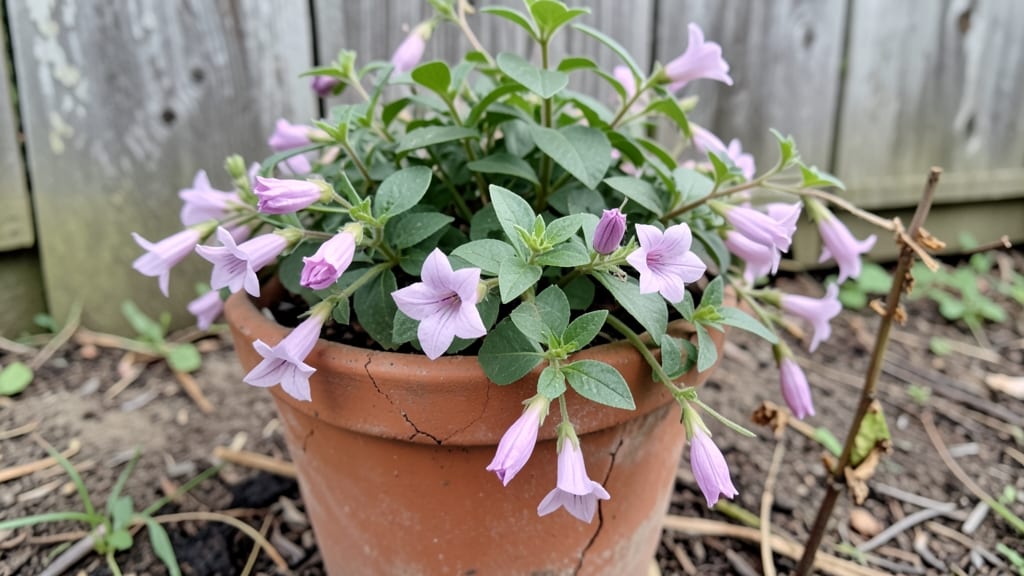
Mastering calibrachoa flowers care is easier than you think—these petunia-like cascaders flourish even in the Pacific Northwest’s cooler, wetter climate with a few clever tricks. 🌿 I’ve grown them for years here, and the secret isn’t just frost resistance; it’s about mimicking their natural tropical habitat while working with our region’s damp, mild winters.
Their care routine is simpler than you’d think: bright, indirect light (morning sun, afternoon shade), well-draining soil (add perlite or sand to prevent soggy roots), and consistent moisture—never soggy, never dry.
Feed them every 2-3 weeks with a balanced fertilizer during spring and summer, and prune leggy stems in early spring to encourage bushier growth. The key? Don’t let them dry out, even in winter.
By late spring, you’ll see those vibrant blooms spilling over containers or filling garden beds with color from June through frost. They’re disease-resistant when happy, and with the right setup, they’ll outperform even petunias in our climate. The payoff? A garden that stays lively when others fade.
Works for balconies, hanging baskets, or garden beds—just adjust watering if you’re growing them indoors near a sunny window. Let’s get those calibrachoas thriving all season long.
📚 In This Guide
- What you need
- Instructions
- Tips and common mistakes
- Wrapping up and next steps
What you need
- ● Calibrachoa seeds or seedlings: Choose frost-tolerant varieties like 'Pacifica Series' or 'Superbells'. Start with 5-10 seeds/seedlings for a small container or 20+ for a garden bed.
- ● Well-draining potting mix: 10-20 lbs (depending on container size). Opt for a blend with 50% peat moss or coco coir and 50% perlite or vermiculite for aeration.
- ● Containers or garden bed: Containers: 5-7 inch pots (1 plant per pot) or hanging baskets (3-5 plants per basket). Ensure they have drainage holes.
- ● Garden beds: Full sun exposure (6+ hours/day) with loamy, slightly acidic soil (pH 5.8-6.2).
- ● Slow-release fertilizer: 10-15-10 NPK ratio, 1 tbsp per plant mixed into the soil at planting.
- ● Mulch: 1-2 inches of organic mulch (e.g., shredded bark or straw) to retain moisture and insulate roots.
- ● Hand trowel or small shovel for transplanting.
- ● Watering can or hose with a gentle spray nozzle (avoid overhead watering).
- ● Pruning shears (sterilized with rubbing alcohol) for deadheading and shaping.
- ○ pH test kit (optional but helpful for adjusting soil acidity).
- ● Frost cloth or row covers (lightweight, 30-40% shade) for early/late-season protection.
- ○ Cold frames or mini greenhouses (optional) for extending the growing season in USDA Zones 7-9.
- ● Heat mats or seedling trays (if starting indoors 8-10 weeks before last frost).
- ● Windbreaks (e.g., lattice screens) to shield plants from Pacific Northwest winds.
How to care for calibrachoa in the Pacific Northwest climate
These trailing beauties thrive with the right PNW adjustments—here's how to keep them blooming strong through cooler seasons.
🌱 Step 1: Select the Right Varieties for Cold Tolerance
Not all calibrachoa varieties handle Pacific Northwest conditions equally. Look for frost-resistant cultivars like 'Superbells Frostproof' or 'Pacifica Series'—these can withstand temperatures down to 25°F with proper protection. Start with 4-6 plants spaced 10-12 inches apart to create a lush, cascading effect while allowing airflow between stems.
I always check the seed packet for cold-hardiness ratings—this single detail prevents winter losses. The key is choosing plants bred for USDA Zone 5-9 compatibility, since PNW winters dip below 30°F regularly. Plant in late spring after your last frost date (typically May 15-June 1 in most PNW regions) to avoid early-season chills.
☀️ Step 2: Position for Maximum Sunlight and Shelter
Calibrachoa needs 6-8 hours of direct sunlight daily, but PNW's intense afternoon sun can scorch leaves. Place containers on a patio or deck where they receive morning sun and afternoon shade from nearby structures. A 50% shade cloth during peak summer hours (12-4 PM) extends the blooming season by preventing heat stress.
Here's the thing—calibrachoa hates wind. In exposed PNW locations, I use terracotta pots with saucers to create microclimates that trap warmth. Elevate containers on pot feet to improve airflow underneath, which prevents root rot during our damp springs. Watch for leaves curling toward the light—this means reposition your plants or supplement with a grow light for 2-3 hours daily if natural light drops below 4,000 lux.
💧 Step 3: Master the PNW Watering Balance
Overwatering kills calibrachoa faster than cold snaps. In the PNW's humid climate, let the top inch of soil dry between waterings—stick your finger in the mix to check. Use well-draining potting soil (I mix 50% professional blend with 30% perlite and 20% coconut coir) to prevent soggy roots. Water in the early morning to allow foliage to dry before evening dew sets in.
Real talk: PNW's frequent drizzle makes it easy to skip watering. But calibrachoa's shallow roots need consistent moisture. I set a reminder alarm for every 3-4 days during dry spells (June-August) and reduce to every 5-7 days when skies open up. Yellowing leaves usually mean overwatering, while crispy edges signal underwatering—both are easy to fix by adjusting your schedule.
✂️ Step 4: Prune and Feed for Continuous Blooms
Deadheading spent flowers isn't just cosmetic—it triggers more blooms. Pinch off faded blooms with your fingers (no need for shears) twice weekly during peak season. I also trim back leggy stems to half their length in early summer to encourage bushier growth. This pruning shock actually boosts flowering by redirecting energy to new buds.
Feed with a balanced 20-20-20 fertilizer every 2-3 weeks starting in early June. Switch to a low-phosphorus formula (10-10-10) in late summer to prevent excessive foliage at the expense of flowers. In the PNW, I always apply fertilizer after watering to prevent root burn—calibrachoa's delicate roots are sensitive to salt buildup from concentrated nutrients.
🪴 Step 5: Protect from Frost and Extend the Season
When nighttime temps drop below 35°F, move containers to a protected location like a sunroom or under an eave. I wrap pots in burlap and place them on insulated saucers filled with 2 inches of straw to insulate roots. For severe cold snaps (below 28°F), cover plants with frost cloth secured with clips—never plastic, which traps moisture and causes rot.
To extend blooms into fall, I use grow lights for 14 hours daily starting in September. This mimics longer daylight and keeps calibrachoa flowering until first hard frost (typically October 15-November 1 in PNW). Harvest spent blooms for drying or bring pots indoors before temps drop below 20°F—calibrachoa won't survive freezing, but with these protections, you'll enjoy them for 3-4 months longer than average.
Tips & tricks for perfect calibrachoa care in the Pacific Northwest
Between us, the PNW's unpredictable weather can make calibrachoa care feel like a guessing game—but these tricks will help you turn those guesses into guaranteed blooms.
Variety Selection: When choosing your 4-6 plants, prioritize those labeled "frost-resistant" or "Zone 5-9 hardy." I've found that 'Superbells Frostproof' not only survives 25°F dips but actually produces more vibrant blooms in cooler conditions. The key difference? These varieties have thicker stems that resist wind damage—a common issue in exposed PNW locations. Check for plants with compact growth habits too; they'll handle our windy conditions better than leggy varieties.
Light Management: That 6-8 hours of sunlight requirement becomes tricky when PNW afternoons bring intense heat. My solution? Position containers where they get morning sun (when temperatures are cooler) and afternoon shade from nearby structures or a 50% shade cloth between 12-4 PM. For indoor growers, supplement with a grow light for 2-3 hours daily if natural light drops below 4,000 lux—this mimics summer conditions and prevents etiolation (those sad, stretched stems).
Soil Science: The 50% professional blend with 30% perlite and 20% coconut coir mix isn't just about drainage—it's about creating the perfect air-to-moisture ratio. I add a handful of worm castings to this mix for extra nutrients, especially important during PNW's nutrient-leaching rainy seasons. For containers, always use pots with drainage holes and elevate them on pot feet—this prevents water pooling that leads to root rot, a common killer in our damp climate.
Frost Protection: When temps approach 35°F, I start my frost protection routine: wrap pots in burlap (not plastic!) and place them on insulated saucers filled with 2 inches of straw. The straw acts as an insulator while the burlap allows air circulation—critical for preventing condensation that causes fungal issues. For 28°F snaps, add a layer of frost cloth secured with clips, leaving a small gap at the bottom for airflow. This simple layering can extend your blooming season by 3-4 months compared to unprotected plants.
Pro Tips for Calibrachoa Flowers Care
- Between us, the PNW's unpredictable weather can make calibrachoa care feel like a guessing game—but these tricks will help you turn those guesses into guaranteed blooms.
- Variety Selection: When choosing your 4-6 plants, prioritize those labeled "frost-resistant" or "Zone 5-9 hardy."
- Light Management: That 6-8 hours of sunlight requirement becomes tricky when PNW afternoons bring intense heat.
Frequently asked questions
Got questions about growing Calibrachoa flowers in the Pacific Northwest? You’re not alone!
Here are answers to the most common ones—from frost prep to troubleshooting—so you can keep your petunia cousins thriving year-round.
Can calibrachoa survive frost in the PNW?
Most calibrachoa varieties are not frost-tolerant (they prefer 50°F+), but some cold-hardy hybrids (like Calibrachoa × hybrid ‘Superbells’) can handle brief dips to 28°F if mulched heavily. In zones 7-9, grow them in containers and move indoors or under cover when temps drop below 35°F.
When is the best time to plant calibrachoa in the PNW?
Wait until after the last frost (typically mid-May to early June in the PNW) to plant outdoors. Start seeds 6-8 weeks before your last frost date (indoors, under grow lights) for a head start. For winter interest, use annual calibrachoa in containers—bring them inside when nights turn chilly! →
Why aren’t my calibrachoa flowers blooming?
Underwatering, overcrowding, or low light (they need 6+ hours of sun/day) are top culprits. Deadhead spent blooms regularly to encourage more flowers. If using fertilizer, opt for a balanced 10-10-10 or bloom booster (like 7-9-5) every 2-3 weeks. Pro tip: Pinch back leggy stems to promote bushier growth!
What pests commonly attack calibrachoa, and how do I prevent them?
Watch for aphids, spider mites, and whiteflies—they love calibrachoa’s tender leaves! Spray plants with neem oil or insecticidal soap at the first sign of pests. Preventative tip: Space plants 12-18 inches apart for airflow, and avoid overhead watering to deter fungus gnats.
Are there frost-resistant alternatives to calibrachoa for the PNW?
Yes! Try these cold-tolerant annuals for similar trailing blooms:
- Lobelia (zones 2-11; thrives in 40°F+)
- Petunia ‘Wave’ series (hardier than calibrachoa; handles 30°F with protection)
- Bacopa (zones 3-11; tender perennial in mild winters)
- Dianthus ‘Sweet William’ (zones 3-9; frost-tolerant and fragrant!)
Wrapping up and next steps
Caring for calibrachoa flowers in the Pacific Northwest is totally doable—even with cooler climates! 🌸 With the right frost-resistant tips, well-draining soil, and consistent moisture, you’ll enjoy vibrant blooms all season long. Whether you’re a gardening newbie or a seasoned pro, these easy-care strategies will help your calibrachoas thrive.
Ready to transform your garden? Grab your tools, pick a sunny spot, and start planting—your future floral display is just weeks away! 🌱