
Flowers
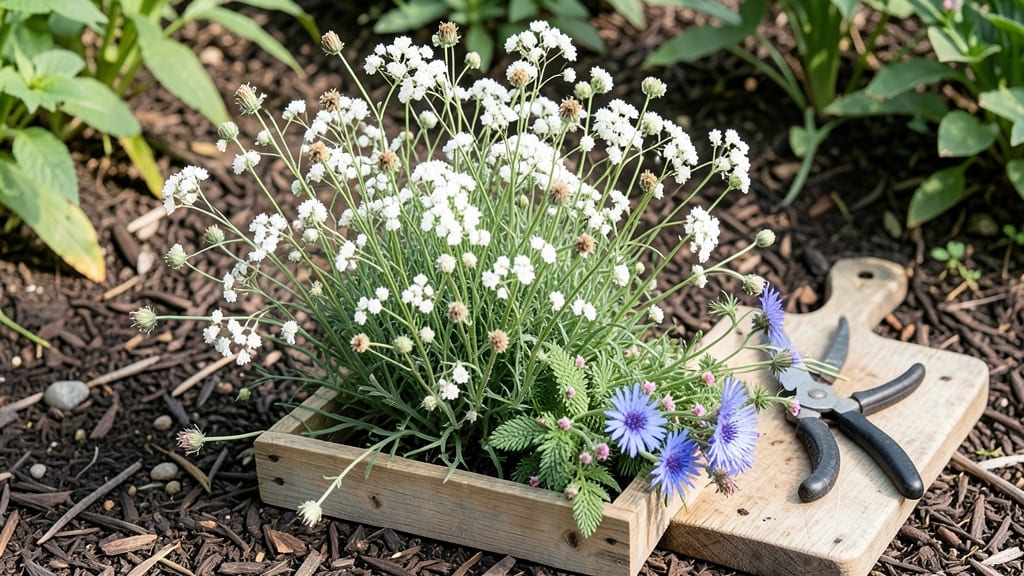
The secret to bouquets that look like fresh snowfall lies in tiny white flowers—delicate, abundant, and impossible to resist. 🌸 Sweet alyssum, baby’s breath, and gypsophila transform arrangements into clouds of texture, adding volume and softness that last through every cut.
These flowers aren’t just pretty; they’re the backbone of weddings, gift bouquets, and everyday decor that feels effortlessly elegant.
What makes them special? Their fragrant charm (in some varieties) and long-lasting stems—many hold up for a full week or more with proper care. Alyssum’s honey-like scent and gypsophila’s airy plumes create contrast when paired with bold blooms like roses or dahlias.
The best part? They thrive in spring, summer, and even fall, giving you year-round versatility without breaking the bank.
You’ll create bouquets that feel like a hug—lightweight yet striking, with layers of tiny blooms that catch the light. Whether you’re crafting a bridal bouquet or a simple centerpiece, these flowers add ethereal depth that other filler flowers can’t match.
The key is balancing their delicate forms with bolder stems for structure, and I’ll show you how.
From weddings to weekend gifts, these tiny white flowers bring timeless romance to any arrangement. Let’s dive into the best varieties, how to pair them, and the tricks to keep them looking fresh for days.
📚 In This Guide
- What you need
- Instructions
- Tips and common mistakes
- Wrapping up and next steps
What you need
- ● Tiny white flowers: 10–20 stems (e.g., baby’s breath, sweet alyssum, or white carnations). Choose fresh, firm blooms with vibrant green foliage.
- ● Filler flowers: 5–10 stems of complementary colors/textures (e.g., greenery like eucalyptus or ferns, or pops of blush roses for contrast).
- ● Floral foam or chicken wire: A small block (6"x6"x3") or a 6-inch wire frame for structure.
- ● Floral preservative: 1 packet or 1 tbsp of powdered preservative to extend vase life.
- ● Scissors or floral shears: Sharp, clean tools for trimming stems at a 45° angle.
- ● Vase or container: A narrow-necked vase (8–12 inches tall) or a rustic pitcher for a cozy look.
- ● Water: Fresh, room-temperature water to keep stems hydrated.
- ● Ribbon or twine (thin satin or jute) for wrapping stems or adding a bow.
- ● Dried flowers (e.g., white statice or dried lavender) for texture and longevity.
- ● Spritz bottle with water to refresh blooms mid-arrangement.
- ● Floral tape or hot glue gun for securing tricky stems.
- ● Small pebbles or moss to line the vase base for a natural look.
How to create lasting bouquets with tiny white flowers
Here's my method for arranging delicate white blooms that stay fresh for weeks.
🌿 Step 1: Select the Right Flowers for Longevity
Start with white flowers known for their vase life: ranunculus, sweet peas, or baby's breath. I avoid heavy-headed blooms like gardenias—they wilt faster. Choose buds just opening rather than fully bloomed flowers; they'll last longer in the arrangement. Look for stems with fresh green leaves and crisp, unblemished petals.
For bouquets that last, select flowers with sturdy stems—ranunculus and sweet peas hold up beautifully. Avoid anything with soft, hollow stems like some varieties of white lilies, which collapse quickly. The key is selecting flowers that are firm to the touch but not rock-hard.
💧 Step 2: Prepare Flowers for Maximum Freshness
Trim stems at a 45-degree angle using sharp floral shears—this increases water absorption. I like to make the cut just above a leaf node, which encourages new growth. Place stems immediately in lukewarm water (never cold) with a floral preservative. Let them sit for 30 minutes before arranging.
For white flowers, I add a splash of white vinegar to the water—it helps prevent bacterial growth. Avoid tap water with high chlorine levels; let it sit out overnight if possible. The goal is to hydrate the stems thoroughly before they even hit the vase.
☀️ Step 3: Arrange for Balance and Airflow
Fill your vase with room-temperature water and add floral preservative. Start with the largest stems first, placing them at a 45-degree angle against the vase's edge. Work your way inward with medium stems, then fill gaps with smaller flowers. Leave space between stems for airflow—this prevents overheating and wilting.
For tiny white flowers, I often use a foam block in the vase to support stems without crowding. Arrange them in an asymmetrical pattern—this creates visual interest while keeping the bouquet light and airy. Avoid packing stems too tightly; white flowers need room to breathe.
⏰ Step 4: Maintain Freshness Daily
Change the water every 2-3 days and trim stems by ½ inch each time. White flowers are particularly sensitive to ethylene gas, so remove any wilted leaves or blooms immediately. I like to add a fresh floral preservative with every water change—it extends vase life significantly.
Keep bouquets away from direct sunlight, heat sources, or drafts. A cool spot (around 65-70°F) is ideal. Mist the blooms lightly with water daily to maintain hydration. Tiny white flowers often look delicate, but with proper care, they'll stay fresh for 10-14 days—sometimes even longer.
Tips & tricks for perfect tiny white flower arrangements
Took me years of trial-and-error to perfect these bouquets—here's what actually makes them last.
Selection Secret: In Step 1, when choosing ranunculus or sweet peas, look for buds that are just starting to open. Fully bloomed flowers may look pretty now, but they'll wilt within 48 hours. The tiny white petals of baby's breath should be crisp and slightly curled at the edges—this indicates freshness. I always avoid stems with yellowing leaves or soft spots, as these are early signs of decay.
Hydration Hack: The 30-minute soak in Step 2 is non-negotiable for tiny white flowers. After trimming at a 45-degree angle, I add a floral preservative with a splash of white vinegar to the lukewarm water. This acidic mix prevents bacterial growth that causes premature wilting. Pro tip: If you're using tap water, let it sit out overnight to reduce chlorine levels—this simple step can add days to your bouquet's life.
Arrangement Technique: When arranging in Step 3, use the foam block to create a "floating" effect with your tiny white flowers. This prevents stems from touching the vase bottom, which can cause rot. I like to place the largest stems first at a 45-degree angle, then weave smaller stems through the gaps. The asymmetrical pattern creates visual interest while maintaining that light, airy look that tiny white flowers deserve.
Maintenance Must-Know: The 2-3 day water change in Step 4 is crucial, but don't forget to trim stems by ½ inch each time. This exposes fresh cells that can absorb water. I also keep a spray bottle nearby to mist the blooms daily—tiny white flowers respond well to this extra hydration. The ideal temperature of 65-70°F is perfect for preventing ethylene gas buildup, which is particularly harmful to delicate white varieties.
Pro Tips for Tiny White Flowers In Bouquets
- Took me years of trial-and-error to perfect these bouquets—here's what actually makes them last.
- Selection Secret: In Step 1, when choosing ranunculus or sweet peas, look for buds that are just starting to open.
- Hydration Hack: The 30-minute soak in Step 2 is non-negotiable for tiny white flowers.
Frequently asked questions
Got questions about tiny white flowers in bouquets? You’re not alone! Here are some of the most common queries—plus quick, helpful answers to keep your arrangements fresh and stunning.
What are the best tiny white flowers for long-lasting bouquets?
For durability, opt for statice, pansies, or gypsophila. These flowers hold up well in arrangements and resist wilting. Pair them with greenery like eucalyptus or baby’s breath for extra staying power. Avoid delicate blooms like baby’s breath alone—they dry out faster unless preserved properly.
How do I keep tiny white flowers fresh longer in a bouquet?
Start by trimming stems at an angle and changing the water every 2–3 days. Add a flower food packet (or a mix of sugar + bleach) to the vase. Store bouquets away from direct sunlight and drafts. For dried flowers, place them in a cool, dry spot with silica gel to preserve their shape.
Can I mix tiny white flowers with other colors in a bouquet?
Tiny white flowers act as a neutral canvas, letting bolder colors pop. Try pairing them with soft pinks, deep purples, or even metallic gold accents. For a romantic look, add blush roses or lavender. For contrast, mix in bold blooms like calla lilies or ranunculus. Just balance the textures—delicate whites pair well with feathery or spiky flowers.
What’s the best filler for tiny white flowers in bouquets?
Use greenery like eucalyptus, asparagus fern, or hypericum berries to add volume and texture. For a whimsical touch, sprinkle in dried wheat stalks or lace leaf. Avoid overcrowding—tiny flowers need breathing room to shine. Pro tip: Mix in a few dried flowers (like babies breath) for a longer-lasting, layered effect.
Where can I buy affordable tiny white flowers for bouquets?
Check local flower markets or farmers’ markets for bulk deals. Online retailers like Etsy, Amazon, or ProFlowers offer dried and fresh options. For DIYers, grow your own pansies or sweet alyssum—they’re budget-friendly and thrive in containers. Join Facebook groups or subreddits for flower swaps to score free or discounted blooms!
Wrapping up and next steps
Tiny white flowers in bouquets aren’t just a fleeting trend—they’re a timeless way to bring effortless elegance and natural beauty into any space.
Whether you’re crafting a centerpiece for a wedding, brightening up your home, or gifting a heartfelt arrangement, these delicate blooms prove that small details make the biggest impact. Now that you’re armed with the best varieties, care tips, and creative ideas, it’s time to let your creativity bloom!
🌸 Next step: Grab your favorite tiny white blooms, pick a design, and start arranging—your future bouquets (and admirers!) will thank you. Happy floristry!