
Flowers
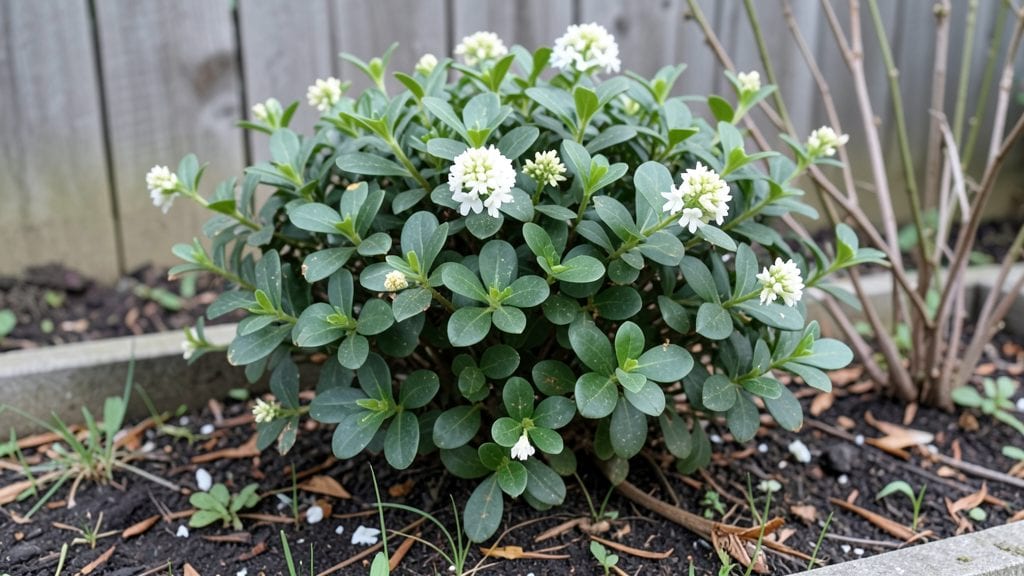
When Ligustrum ovalifolium flowers transform your yard into a fragrant white cloud, you'll know you've hit gardening gold. 🌿 I remember the first time I walked past mine in late spring—the sweet, jasmine-like scent lingered long after I passed, and the glossy leaves provided perfect privacy year-round.
This isn't just a shrub; it's a multi-season workhorse that thrives with minimal fuss once established.
The secret to those abundant blooms starts with the right conditions: well-draining soil, full sun to partial shade, and consistent moisture during its first growing season.
My plants now need watering only when the top inch of soil feels dry, and they reward me with three to four weeks of fragrant flowers every spring and summer. The key? Pruning after flowering to maintain shape and encourage next year's blooms.
You'll end up with a lush, dense privacy screen that stays green even in winter, plus those intoxicating flowers that attract bees and hummingbirds. The glossy foliage resists pests better than many shrubs, and once mature, it handles drought surprisingly well.
My neighbors still ask how I keep my yard smelling so fresh—now you can too.
Works beautifully as a hedge, foundation planting, or even a standalone specimen. The only real challenge is keeping it from outgrowing its space—so plan accordingly. Let's get those fragrant blooms growing strong in your yard!
📚 In This Guide
- What you need
- Instructions
- Tips and common mistakes
- Wrapping up and next steps
What you need
- ● Ligustrum ovalifolium plants: 1–3 nursery-grown shrubs (3–6 ft tall, mature size 6–10 ft) OR
- ● Seeds (if starting from scratch—germination can be slow!)
- ● Well-draining potting mix or garden soil: 1–2 bags (50 lb each) with compost (20–30% organic matter)
- ● Fertilizer: Balanced 10-10-10 or 20-20-20 granular fertilizer (1 lb for planting, ½ lb mid-season)
- ○ Slow-release organic fertilizer (optional, for long-term growth)
- ● Mulch: 2–3 bags of wood chips or pine straw (to retain moisture and suppress weeds)
- ● Garden trowel or shovel (for transplanting)
- ● Pruning shears (sharp, sterilized—disinfect with rubbing alcohol)
- ● Gloves (heavy-duty for handling thorny stems)
- ● Watering can or hose with soaker nozzle (for deep watering)
- ● Measuring tape (to space plants 6–10 ft apart)
- ○ Stakes & twine (optional, for young plants in windy areas)
- ● Sunlight: Full sun to partial shade (6+ hours of direct sun daily)
- ● Climate: USDA Zones 7–10 (hardy to 10°F)
- ● Soil pH: Slightly acidic to neutral (6.0–7.5)
- ● Water access: Drip irrigation or consistent watering (avoid soggy soil!)
How to plant and maintain Ligustrum ovalifolium for year-round privacy
Here's how I grow these fragrant evergreens—fast-growing, low-maintenance, and perfect for hedges.
🌱 Step 1: Choose the Perfect Planting Spot
Ligustrum ovalifolium thrives in full sun to partial shade, but for maximum flowering and dense growth, aim for at least 6 hours of direct sunlight daily. I always pick a location with well-draining soil—these plants hate soggy roots. If your soil is heavy clay, amend it with 2-3 inches of compost before planting.
Here's the thing—this shrub grows 3-5 feet tall and wide over time, so space your plants 4-6 feet apart for a tight, natural hedge. Dig a hole twice as wide as the root ball but only as deep. The top of the root ball should sit just above ground level—burying too deep suffocates the plant.
🪴 Step 2: Plant with Proper Spacing and Support
Remove the plant from its container and gently loosen the roots if they're circling. Place it in the hole so the root flare (where roots meet the trunk) sits at soil level. Backfill with native soil, tamping lightly every 2 inches to eliminate air pockets. Water deeply to settle everything.
For the first year, I stake taller plants with 2-3 inch diameter bamboo stakes tied loosely with soft fabric strips. This prevents wind rock while roots establish. Mulch around the base with 2-3 inches of shredded bark mulch, keeping it 3 inches away from the trunk to prevent rot.
☀️ Step 3: Water and Fertilize for Strong Growth
Water newly planted ligustrum once a week for the first month, then taper to every 2 weeks once established. You'll know it's getting enough water when the soil feels 2-3 inches dry at the surface. Overwatering is the biggest killer—these shrubs prefer dry spells between waterings.
Feed in early spring with 10-10-10 fertilizer at half-strength, following package rates. I skip fall feeding—too much nitrogen then encourages tender growth that won't survive winter. Prune back any dead or crossing branches with clean, sharp shears in late winter before new growth begins.
✂️ Step 4: Prune for Shape and Flowering
The key to fragrant blooms is pruning after flowering. Once the white blossoms fade in late spring, trim back 1/3 of the previous year's growth to encourage dense new blooms. Use bypass pruners for clean cuts just above a leaf node—never leave stubs.
For shaping, I do a light trim in early summer to maintain the hedge's form. Here's what I do: Step back and look at the plant from all sides, then cut to create a natural, tapered shape. Avoid heavy pruning in fall—it stresses the plant before winter. Always sterilize your tools with rubbing alcohol between cuts to prevent disease spread.
Tips & tricks for perfect Ligustrum ovalifolium privacy screens
These simple strategies will help you grow a thriving, fragrant hedge that lasts all year.
Sunlight Strategy: While ligustrum tolerates partial shade, I've found that plants in full sun (those 6 hours daily) produce noticeably more blooms and denser foliage. If your location gets less than 6 hours, consider supplementing with a grow light during winter months when daylight is shortest. The difference in growth between sun and shade plants is dramatic after just one season.
Root Establishment Secret: In Step 2, when you're backfilling the planting hole, mix in a handful of mycorrhizal fungi with the native soil. This natural soil amendment helps roots absorb nutrients more efficiently, especially during that critical first year. You can find it at garden centers or online—it's worth the small investment for faster establishment.
Watering Wisdom: The 2-3 inches dry soil test is your best guide, but I've learned to adjust for seasonal changes. In summer heat, check moisture every 2 weeks—sometimes even established plants need that extra water. In winter, you can stretch watering to 3 weeks unless you're in a particularly dry climate. Always water deeply rather than giving frequent light drinks.
Pruning Pro Tip: When you're trimming back 1/3 of last year's growth in late spring, look for stems that are woody and no longer producing leaves. These old stems should be removed completely to encourage fresh, flowering growth. I like to use a small notepad to mark which branches I've pruned so I don't accidentally cut the same ones again next year.
Pro Tips for Ligustrum Ovalifolium Flowers
- These simple strategies will help you grow a thriving, fragrant hedge that lasts all year.
- Sunlight Strategy: While ligustrum tolerates partial shade, I've found that plants in full sun (those 6 hours daily) produce noticeably more blooms and denser foliage.
- Root Establishment Secret: In Step 2, when you're backfilling the planting hole, mix in a handful of mycorrhizal fungi with the native soil.
Frequently asked questions
Got questions about Ligustrum ovalifolium flowers? Here are some common ones—and their answers!
When do Ligustrum ovalifolium flowers bloom, and how long do they last?
The fragrant white flowers of Ligustrum ovalifolium typically bloom in late spring to early summer (May–June). With proper care, they can last 2–3 weeks, filling your garden with a sweet, jasmine-like scent. Pruning after flowering encourages healthier blooms the following year.
How fast does Ligustrum ovalifolium grow, and when can I expect privacy?
This shrub grows at a moderate rate of 12–24 inches per year. With consistent care, it can reach 10–15 feet tall in 3–5 years, providing a lush, year-round privacy screen. Planting multiple shrubs close together speeds up the process!
Are Ligustrum ovalifolium flowers toxic to pets or children?
Yes, Ligustrum ovalifolium (including its flowers, leaves, and berries) is toxic to pets and humans if ingested. It contains compounds that can cause vomiting, diarrhea, or lethargy. Keep it away from curious pets and small children, and wear gloves when pruning.
Can I grow Ligustrum ovalifolium in containers, or does it need to be planted in the ground?
While it prefers ground planting, you can grow Ligustrum ovalifolium in large containers (at least 24-inch diameter) for 2–3 years. Use well-draining soil and ensure the pot has drainage holes. However, it thrives best when planted in the ground for long-term growth.
Why aren’t my Ligustrum ovalifolium flowers blooming this year?
Missing blooms could mean over-pruning (cut back only after flowering), poor sunlight (needs full sun to partial shade), or nutrient deficiencies. Try fertilizing in early spring with a balanced 10-10-10 formula and ensure it gets at least 6 hours of sunlight daily.
Wrapping up and next steps
Growing Ligustrum ovalifolium flowers is a rewarding way to enjoy year-round privacy and fragrant beauty in your garden! 🌸 With the right care—well-drained soil, pruning know-how, and patience—you’ll be greeted by lush greenery and sweet white blooms season after season.
Whether you’re a beginner or a seasoned gardener, this versatile shrub is a fantastic addition to any landscape.
Ready to transform your outdoor space? Start by selecting the perfect spot and gather your supplies—then dive in! Plant your first Ligustrum ovalifolium today and watch your garden flourish with elegance and charm.