
Flowers
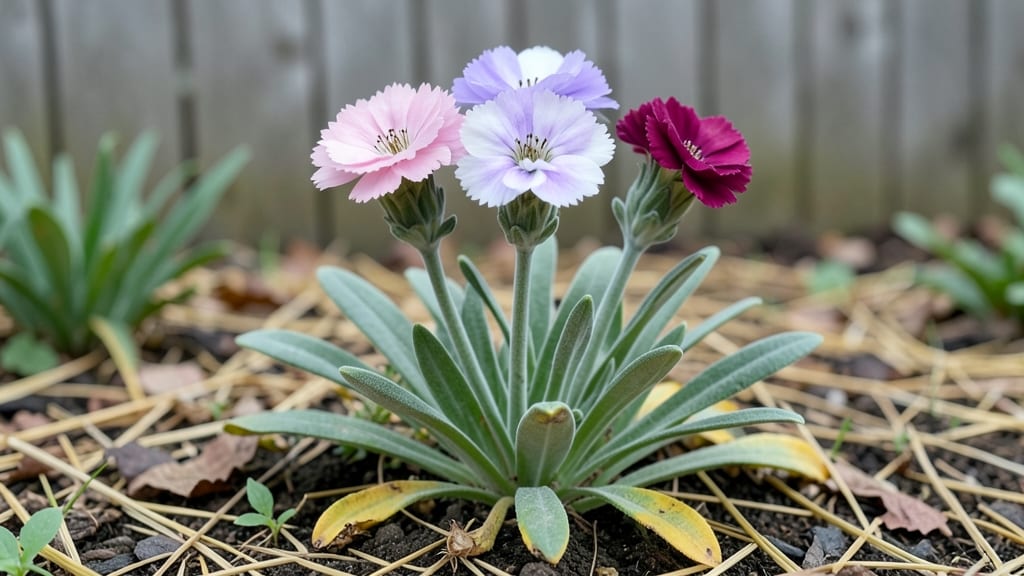
Sweet william cut flowers bring that clutchable charm to bouquets—frost-resistant blooms that thrive even in Pacific Northwest winters. 🌿 I’ve grown them for years, and the secret to long-lasting stems lies in treating them like the hardy annuals they are.
They don’t just survive cold snaps; they come back stronger, producing those signature clusters of ruffled petals in shades of pink, purple, and white.
The trick starts with soil that drains like a dream—sandy loam mixed with compost keeps roots happy without soggy roots. Plant them in full sun (at least 6 hours daily) and space them 8-12 inches apart for airflow.
Water deeply once a week, letting the top inch dry between sessions, and watch them reward you with nonstop blooms from spring through fall.
When it’s time to harvest, snip stems just as buds begin to open—this ensures 3-5 days of vase life with minimal fading. Deadhead spent blooms regularly to coax more flowers, and pinch back leggy stems to keep plants bushy.
The result? A steady supply of fragrant, long-stemmed blooms perfect for cutting, even when frost paints the garden silver.
This method works for containers or beds, and the flowers hold up beautifully in mixed bouquets. Whether you’re a PNW gardener or just love resilient blooms, sweet williams deliver—without the fuss of finicky cut flowers. Let’s get those seeds in the ground!
📚 In This Guide
- What you need
- Instructions
- Tips and common mistakes
- Wrapping up and next steps
What you need
- ● Sweet William seeds or bare-root plants: Choose Dianthus barbatus varieties like 'Black Magic,' 'Red Velvet,' or 'White Swan' (10–20 plants for a small bouquet, 50+ for bulk harvest).
- ● Well-draining soil: Mix 1 part compost with 2 parts garden soil (pH 6.0–7.0). Add perlite or coarse sand (1 cup per 5 gallons of soil) for PNW’s wet climates.
- ● Organic fertilizer: 5-10-10 NPK (1 tbsp per plant at planting) or fish emulsion (2 tbsp per gallon of water) for slow-release nutrients.
- ● Mulch: Straw or shredded leaves (2–3 inches thick) to retain moisture and insulate roots from frost.
- ● Garden trowel or transplant spade (for planting seeds/roots).
- ● Pruning shears (sharp, bypass-style for clean cuts; sterilize with rubbing alcohol between cuts!).
- ● Watering can or hose with adjustable nozzle (gentle spray to avoid damaging delicate stems).
- ○ Buckets or containers (5–7 gallon size) for seed-starting (optional but helpful for PNW’s cool springs).
- ● Frost cloth or row covers (lightweight, breathable fabric) for overwintering or early-season protection.
- ● Sunlight: Full sun (6+ hours/day)—stake a spot near a south-facing window or fence for winter blooms!
- ● Watering schedule: 1–1.5 inches/week (daily misting for seeds; deep watering for established plants).
- ● Deadheading: Snip spent blooms just above the first set of leaves to encourage non-stop reblooming!
- ● Pest watch: Keep an eye out for slugs/snails (use beer traps or copper tape) and aphids (spray with soapy water).
Step-by-step instructions for growing sweet william cut flowers
Here's how I grow these cheerful blooms reliably—even through our damp Pacific Northwest winters.
🌱 Step 1: Start Seeds Indoors for Early Blooms
Fill 4-inch seedling trays with moistened seed-starting mix and press seeds ¼ inch deep—they're tiny, so I use a toothpick to handle them. Cover with a humidity dome or plastic wrap to retain warmth. Sweet Williams germinate best at 65-70°F, so a seedling heat mat helps if your home runs cooler.
Keep the soil consistently moist but never soggy—you'll see germination in 10-14 days when the first true leaves appear. Here's the thing—these seedlings grow fast, so don't let them get leggy. If they stretch toward the light, move them within 2 inches of a grow light immediately.
☀️ Step 2: Harden Off and Transplant After Frost
Once seedlings have 3-4 sets of leaves, start hardening them off by placing them outdoors in a sheltered spot for 1 hour daily. Gradually increase exposure over 7-10 days until they can handle full sun. Sweet Williams are frost-tolerant, so I transplant them outdoors 4-6 weeks before last frost—they'll even bloom through light freezes.
Space plants 12-18 inches apart in well-draining soil with full sun to partial shade. I always add a handful of compost to each planting hole—they reward rich soil with longer stems and more blooms. Water deeply after transplanting to help roots establish.
💧 Step 3: Water and Feed for Long-Lasting Stems
Water at the base 1-2 inches deep whenever the top inch of soil feels dry. Sweet Williams hate wet foliage, so water in the morning to let leaves dry before evening. I mulch with 2 inches of straw mulch to retain moisture and keep roots cool—critical in our hot summer afternoons.
Feed with a balanced liquid fertilizer every 3-4 weeks once blooms appear. Deadhead spent flowers regularly to encourage continuous blooming. The key to long stems is consistent care—you'll get 18-24 inch stems with proper watering and feeding.
✂️ Step 4: Harvest and Preserve Blooms
Cut stems in the morning when buds are just opening but before they fully bloom. Use sharp shears to make clean cuts at a 45-degree angle just above a leaf node. Remove lower leaves that would sit in water—this keeps stems fresh longer.
Place cuttings immediately in lukewarm water and recut stems every 2-3 days to encourage uptake. Sweet Williams last 7-10 days in a vase with proper care. For longer vase life, add a drop of bleach or floral preservative to the water.
Tips & tricks for perfect sweet william cut flowers
Between us, these cheerful blooms reward attention to detail—here's how to get the most from your Pacific Northwest garden.
Germination Secret: Sweet Williams need that 65-70°F warmth to sprout reliably. If your home runs cooler, prop your seed trays on a seedling heat mat or place them on top of your fridge. I've seen germination drop by half when seeds sit in cooler spots—don't let that happen to you! The 10-14 day window can feel like forever, so mark your calendar when you plant.
Lighting Strategy: That 2-inch distance from grow lights is critical for preventing leggy seedlings. I use a simple LED grow light on a timer for 14 hours daily—it's the perfect balance of light and darkness. If you notice seedlings stretching toward the light, immediately move them closer or add a second light source. The goal is compact, sturdy stems that won't flop when you transplant.
Transplant Timing: The 4-6 weeks before last frost window gives Sweet Williams time to establish roots before our Pacific Northwest rains arrive. I always check the local frost date and add 2 extra weeks as a buffer—our coastal areas can have unexpected cold snaps. Plant in the late afternoon when temps are cooling to reduce transplant shock.
Watering Wisdom: Those 1-2 inches deep waterings make all the difference. I use a rain gauge to measure exactly how much water penetrates the soil—Sweet Williams hate soggy roots but need consistent moisture. Watering in the morning gives foliage time to dry completely, preventing fungal issues that thrive in our damp climate. The 2 inches of straw mulch helps maintain even moisture without smothering the plants.
Pro Tips for Sweet William Cut Flower
- Between us, these cheerful blooms reward attention to detail—here's how to get the most from your Pacific Northwest garden.
- Germination Secret: Sweet Williams need that 65-70°F warmth to sprout reliably.
- Lighting Strategy: That 2-inch distance from grow lights is critical for preventing leggy seedlings.
Frequently asked questions
Got questions about growing and caring for sweet william cut flowers? You’re in the right place! Whether you're a beginner or a seasoned gardener, these answers will help you cultivate vibrant blooms all year—especially in the Pacific Northwest’s frosty climate.
How do I prepare sweet william cut flowers for long vase life?
Trim stems at a 45-degree angle just before arranging, then place them in lukewarm water with a floral preservative (like sugar + bleach). Change the water every 2–3 days and snip stems again if they wilt. For extra freshness, keep them in a cool spot away from direct sunlight.
When is the best time to plant sweet william in the Pacific Northwest?
Sweet william thrives in spring (March–April) or early fall (September–October) for frost-resistant growth. In the PNW’s mild winters, you can even plant in late winter (Jan–Feb) under frost cloth. Avoid planting in summer heat—it stresses the roots!
Can I grow sweet william from seed, or should I buy seedlings?
Both work! Seeds take 8–12 weeks to sprout (start indoors in early spring), while seedlings give you blooms in 60–90 days. For PNW gardeners, seedlings are easier—especially if you’re short on time or dealing with unpredictable frost. Pro tip: Soak seeds overnight to speed germination!
What pests or diseases should I watch for with sweet william?
Keep an eye out for aphids (use neem oil) and powdery mildew (improve airflow). Overwatering can cause root rot, so ensure well-draining soil. In the PNW’s damp climate, space plants 12–18 inches apart to prevent fungal issues.
Are there sweet william varieties that do well in cold climates?
Yes! Look for ‘Applause’ (deep pink, heat-tolerant) or ‘Salmon Beauty’ (frost-hardy). For PNW gardens, ‘Black Prince’ (dark burgundy) and ‘White Queen’ are excellent choices—they bloom earlier and survive light frosts better than tropical varieties.
Wrapping up and next steps
Sweet Williams are a delightful addition to any Pacific Northwest garden, offering vibrant blooms and year-round interest with minimal fuss. Their frost-resistant nature and easy-care requirements make them perfect for both novice and experienced gardeners—plus, their cut flowers bring joy to any bouquet! 🌸
Ready to transform your garden? Start by selecting a sunny spot, gathering your supplies, and planting your Sweet Williams this season. Watch as they thrive, and soon, you’ll be harvesting stunning cut flowers to share with loved ones—or simply enjoy their beauty in your own space.