
Planting
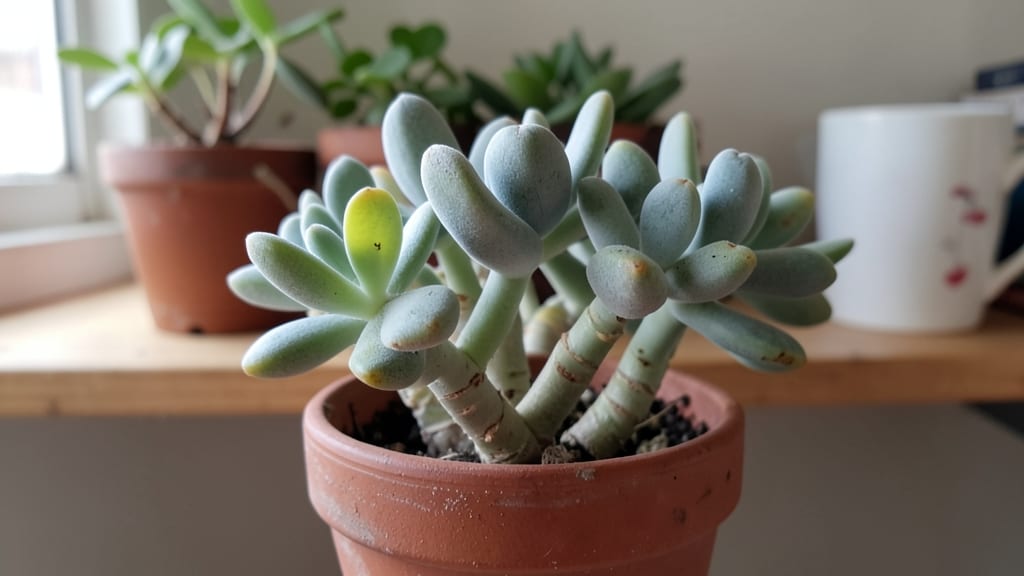
Growing elephant plant flowers from seed means you’ll soon have frost-tolerant blooms thriving in your Pacific Northwest garden—even when temperatures dip. 🌱 I’ve watched these drought-loving succulents push through cold winters with barely a wilt, their tiny pink or white flowers adding unexpected charm to shady corners.
The secret isn’t fancy soil or constant watering; it’s patience and knowing exactly when to coax those first blooms.
You’ll need well-draining soil (mix in sand or perlite if yours is heavy), a sunny spot that gets at least 4 hours of light daily, and a watering routine that mimics their desert roots—deep but infrequent.
Pruning isn’t just for shape; it’s how you encourage more flowers by promoting bushier growth. And yes, these plants will outgrow their pots, but that’s when the real magic happens.
By late summer, you’ll be rewarded with clusters of delicate flowers that last for weeks, their scent faint but sweet—like a whisper of the Mediterranean in your own backyard.
The best part? These plants keep flowering year after year with minimal effort, making them the perfect low-maintenance star for PNW gardens.
Whether you’re starting seeds indoors in early spring or planting mature cuttings in early fall, the key is consistency. Let’s get those roots established so you can enjoy blooms that defy the chill.
📚 In This Guide
- What you need
- Instructions
- Tips and common mistakes
- Wrapping up and next steps
What you need
- ● Elephant plant seeds: 1 packet (approx. 50-100 seeds) – choose frost-resistant or early-blooming varieties if possible.
- ● Seed-starting trays or small pots: 2-4 (3-4 inches deep) with drainage holes.
- ● High-quality seed-starting mix: 2-3 quarts – lightweight and well-draining (avoid garden soil).
- ● Grow lights or sunny windowsill: For seedlings (6-8 hours of light daily).
- ● Plastic wrap or humidity dome: To retain moisture while germinating.
- ● Watering can with a fine rose: For gentle watering (avoid oversaturating).
- ○ Fertilizer (optional but helpful): A balanced liquid fertilizer (5-10-5) or slow-release granules.
- ● Trowel or small shovel: For transplanting seedlings.
- ○ Gloves: To protect hands from prickly stems (optional but handy!).
- ● Mulch (straw or shredded leaves): To insulate roots in cooler PNW nights.
- ○ Cold frame or cloche: Optional for extending the growing season in frost-prone areas.
- ● Pruning shears: For deadheading spent blooms to encourage more flowers.
- ● A sunny spot (6+ hours of direct sunlight daily) – even in the PNW!
- ● Well-draining soil (amend with sand or perlite if your soil is heavy).
- ● Patience! Seeds germinate in 7-14 days, and flowers may take 6-8 weeks to bloom.
Step-by-Step guide to growing elephant plant flowers from seed
Here's how to coax these striking blooms from tiny seeds—perfect for PNW gardeners.
🌱 Step 1: Start Seeds Indoors at the Right Time
Elephant plant (Portulaca grandiflora) seeds need warmth to germinate, so begin them indoors 6-8 weeks before your last frost date. I like to use small seed trays with sterile seed-starting mix—this prevents damping-off, which can wipe out seedlings overnight. Fill the trays to within ¼ inch of the top and gently press the soil surface to create a firm but not compacted bed.
Sow seeds ⅛ inch deep—they're tiny, so I use a toothpick to make individual holes. Place 2-3 seeds per cell since germination rates can be inconsistent. Lightly cover with a fine mist of water until the soil looks evenly damp. Here's the thing—these seeds need consistent warmth to sprout. I place the tray on a seedling heat mat set to 75-80°F and cover it with clear plastic wrap to retain moisture. Check daily for condensation—if you see water droplets, remove the wrap for 30 minutes to prevent fungal issues.
☀️ Step 2: Provide Bright Light and Prevent Leggy Growth
Once seedlings emerge—usually within 7-14 days—remove the plastic wrap immediately. You'll notice the first true leaves appear as tiny, rounded shapes (not the initial seed leaves). At this stage, move the tray to a south-facing window or under grow lights for 14-16 hours daily. Without enough light, seedlings stretch toward the window, becoming weak and leggy.
I keep my grow lights 2-3 inches above the seedlings and raise them gradually as the plants grow. Watch for deep green color and compact spacing between leaves—these are signs of strong, healthy growth. If stems look thin and leaves pale, your light source is too far away. Water from the bottom now to encourage root development—just place the tray in ½ inch of water for 10 minutes, then drain excess.
🪴 Step 3: Harden Off and Transplant After Frost Danger Passes
When seedlings have 4-6 true leaves and are 3-4 inches tall, it's time to harden them off. Start by placing them outside in a sheltered spot for 1-2 hours the first day, gradually increasing exposure over 7-10 days. Real talk: I've seen gardeners rush this step and end up with crispy leaves from sudden cold snaps. The PNW's unpredictable spring weather means taking it slow.
Transplant after the last frost when soil temperatures reach at least 60°F. Space plants 8-12 inches apart in well-draining soil—elephant plants hate soggy roots. I dig holes slightly deeper than the root ball and mix in a handful of compost to give them a nutrient boost. Water deeply right after planting to settle the soil and encourage root spread. Here's where it gets fun—watch the flowers pop in 6-8 weeks if conditions are right!
✂️ Step 4: Maintain Blooms Through Summer and Fall
Elephant plants thrive in full sun and dry, sandy soil—they're drought-tolerant once established. Water deeply 2-3 times weekly during hot spells, but let the soil dry out between waterings. You'll see flowers open in the morning and close by afternoon, so deadhead spent blooms daily to encourage more production. I use clean fingers to pinch off faded flowers—this prevents seed formation and redirects energy to new blooms.
These plants are frost-tolerant but may need protection if temperatures drop below 25°F. I've covered mine with frost cloth in past winters and still seen blooms through early spring. In the PNW's mild climate, they often self-seed, so you might find volunteers popping up next season. Just thin them out to give established plants room to thrive.
Tips & tricks for growing elephant plant flowers
These simple tricks will help you grow vibrant, frost-resistant blooms that thrive in Pacific Northwest conditions.
Warmth is Key for Germination: Those 75-80°F temperatures on your seedling heat mat are non-negotiable for consistent germination. If your home stays cooler, consider using a small greenhouse or placing the tray on top of your fridge (not inside) to maintain warmth. I've seen germination rates drop dramatically when seeds sit in temperatures below 70°F—don't let that happen to you!
Lighting Strategy for Strong Seedlings: The 14-16 hours of daily light in Step 2 is crucial, but placement matters just as much. If using a south-facing window, rotate your trays quarter-turn daily so all seedlings get even exposure. For grow lights, LED bulbs with a color temperature of 6500K mimic sunlight perfectly—just remember to keep them 2-3 inches away as your plants grow. I've had seedlings stretch like noodles when lights were too far!
Harden Off Gradually: That 7-10 day hardening process in Step 3 is where many gardeners trip up. Start with just 1-2 hours of outdoor exposure on day one, then increase by 1 hour each day. Watch for wilting—this is your plant's way of saying "too much, too soon." In the PNW's unpredictable spring, I've had plants that made it through hardening only to get fried by a sudden heatwave, so keep a close eye on weather forecasts.
Soil Temperature Matters: Don't transplant until soil reaches at least 60°F—cold soil can shock roots and stunt growth. Test your soil temperature with a simple thermometer (they're cheap and worth it!). If you're in a cooler microclimate, consider using black plastic mulch a few days before transplanting—it warms the soil faster than bare ground. Your plants will thank you with bigger, brighter blooms!
Pro Tips for Elephant Plant Flower
- These simple tricks will help you grow vibrant, frost-resistant blooms that thrive in Pacific Northwest conditions.
- Warmth is Key for Germination: Those 75-80°F temperatures on your seedling heat mat are non-negotiable for consistent germination.
- Lighting Strategy for Strong Seedlings: The 14-16 hours of daily light in Step 2 is crucial, but placement matters just as much.
Frequently asked questions
Got questions about growing and caring for your elephant plant (Portulacaria afra) flowers in the Pacific Northwest? You’re not alone! Here are some of the most common queries—and their answers—to help you nurture vibrant blooms even in frosty climates.
How do I encourage my elephant plant to flower?
Elephant plants (Portulacaria afra) are more often grown for their lush foliage, but with the right care, they can produce small, star-shaped flowers in spring or early summer. To trigger blooms, provide bright, indirect light (6+ hours daily), well-draining soil, and a slightly drier period in winter. Prune leggy growth in early spring to promote bushier, flower-ready foliage. Pro tip: A light fertilizer (half-strength, balanced formula) in early spring can boost flowering potential!
Can elephant plants survive Pacific Northwest winters?
Yes! While they’re semi-tropical, elephant plants are surprisingly frost-resistant—they can tolerate temperatures down to 20°F (-7°C) if protected. In the PNW, grow them in containers and move them to a sheltered spot (like a garage or under eaves) before hard freezes. If planted in the ground, mulch heavily around the base for insulation. Hardier varieties or hybrids may handle colder snaps better, so check labels when shopping.
Why isn’t my elephant plant flowering?
If your plant is thriving but not flowering, it’s likely due to overly rich soil or lack of light. Elephant plants flower best when slightly stressed (like drought or cooler temps). Try these fixes:
- Move to a sunnier spot (even filtered light is better than shade).
- Let the top 1–2 inches of soil dry out between waterings.
- Reduce fertilizer—too much nitrogen = leafy growth, not flowers.
What do elephant plant flowers look like?
Elephant plant flowers are tiny, star-shaped, and delicate, typically pink, white, or pale yellow, with 5 petals and a bright yellow center. They grow in clusters at the tips of stems and bloom for 1–2 weeks per flush. While not showy like roses, their subtle charm adds a whimsical touch to succulent gardens. Bonus: The flowers are edible (mild, slightly tangy) and can garnish salads or cocktails!
Can I grow elephant plant flowers from seed?
Yes, but it’s slow and tricky—most gardeners prefer cuttings or nursery plants for faster results. If you’re seed-starting:
- Sow seeds in spring (after last frost) in well-draining mix (cactus/succulent soil works).
- Keep soil barely moist (not soggy) and in bright, indirect light.
- Germination takes 2–4 weeks—be patient!
Wrapping up and next steps
Growing elephant plant flowers in the Pacific Northwest is not only rewarding but also a fantastic way to add vibrant, frost-resistant blooms to your garden! 🌸 With the right soil, timing, and care, you can enjoy these striking flowers year after year.
Whether you're a seasoned gardener or just starting, the key is patience and attention to their unique needs.
Ready to dive in? Start by gathering your supplies, following the steps outlined, and don’t forget to join gardening communities for tips and inspiration. Happy planting—your future blooms will thank you! 🌱