
Flowers
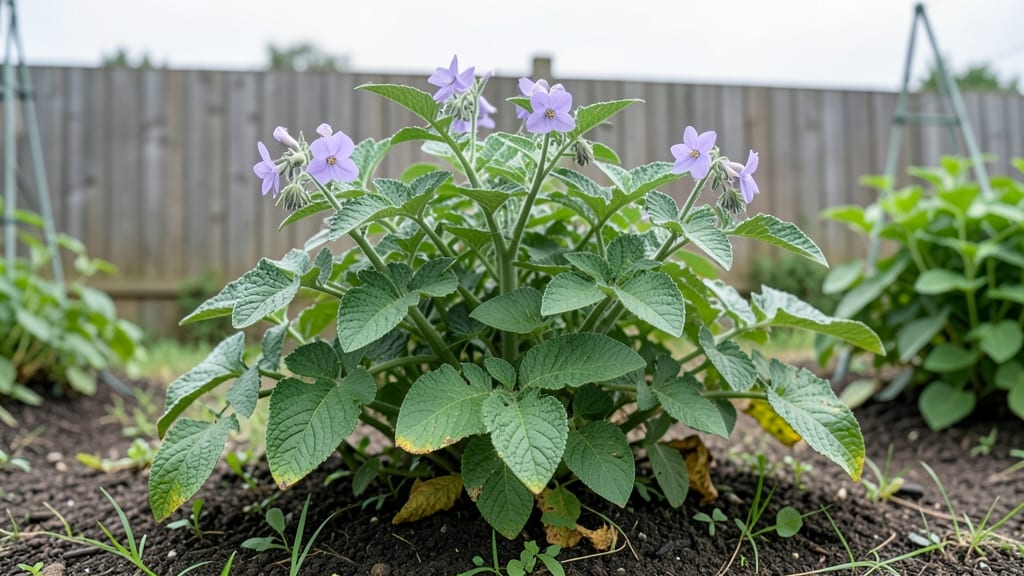
Those delicate purple potato flowers are the secret to a thriving harvest in damp Pacific Northwest gardens. 🌿 I’ve grown potatoes here for years, and the key to both beautiful blooms and abundant tubers is understanding how to encourage them—especially when the weather tries to work against you.
The flowers appear mid-season, signaling the plant’s shift from leafy growth to tuber production. In our cool climate, they’re more than just pretty—they’re a sign your plants are healthy and ready to focus on what matters underground.
You’ll need well-draining soil, consistent moisture, and a spot with at least six hours of sunlight daily to coax those vibrant blooms.
What you’ll end up with is a plant that handles our rainy springs and chilly summers with ease, producing both striking flowers and a bumper crop of tubers. The blooms even attract pollinators, giving your garden a little extra life during the growing season.
Whether you’re growing in containers or straight in the ground, these tips will help you get the most out of your potato plants—both above and below the soil. Let’s get those purple blooms thriving!
📚 In This Guide
- What you need
- Instructions
- Tips and common mistakes
- Wrapping up and next steps
What you need
- ● Purple potato flower seeds: 10-20 seeds (or a small potted plant if starting with a nursery-grown specimen). Choose organic or heirloom seeds for best results.
- ● Well-draining potting mix: 5-10 gallons (or enough to fill your chosen containers). A blend of 50% peat moss, 30% perlite, and 20% compost works wonders.
- ● Containers or garden beds: For containers: 5-10 gallon pots with drainage holes (1-2 plants per container). Opt for terracotta or fabric grow bags for better airflow.
- ● For in-ground planting: A sunny spot with at least 6 hours of direct sunlight daily. Amend soil with compost if it’s heavy or clay-like.
- ● Slow-release fertilizer: 1-2 cups of balanced 10-10-10 or 5-10-10 granules. Sprinkle lightly over the soil before planting.
- ● Garden trowel or hand shovel (for transplanting seedlings).
- ● Watering can or hose with a gentle spray nozzle (to avoid disturbing seeds).
- ○ Gloves (optional but recommended—purple potato flowers can irritate skin for some folks!).
- ● Pruning shears (for trimming dead foliage or shaping plants later).
- ○ pH testing kit (optional): Aim for a soil pH of 6.0–7.0 for optimal growth.
- ● Best planting time: Start seeds indoors 8–10 weeks before your last frost date (typically late winter/early spring for the PNW). Transplant outdoors after all frost risk has passed.
- ● Hardiness: Purple potato flowers are USDA Zones 8–11, but they’re surprisingly frost-tolerant (surviving light frosts!). In colder PNW zones, grow them as annuals or bring pots indoors in winter.
- ● Sunlight: Full sun (6+ hours/day) is a must—these beauties thrive in bright, open spaces.
Step-by-Step instructions for growing purple potato flowers
Here’s how to coax those striking blooms from seed in your Pacific Northwest garden.
🌱 Step 1: Start Seeds Indoors 8-10 Weeks Before Last Frost
Fill small seed trays with sterile seed-starting mix and moisten until evenly damp. Press the mix down lightly to remove air pockets, then scatter seeds on the surface—don’t bury them. These flowers need light to germinate, so only cover them with a thin layer of mix, roughly ¼ inch deep.
Place the trays in a warm spot, ideally 65-75°F, and keep the soil consistently moist. A humidity dome or plastic wrap helps retain warmth and moisture until germination. You’ll see tiny sprouts in 10-20 days, but don’t be surprised if it takes longer in cooler Pacific Northwest homes.
Once seedlings emerge, remove the cover immediately to prevent damping-off. Keep them under grow lights or a sunny windowsill for 12-14 hours of light daily. Weak, leggy seedlings mean your light isn’t strong enough—adjust the distance so leaves don’t touch the light.
☀️ Step 2: Harden Off and Transplant After Frost Risk Passes
When seedlings have 3-4 true leaves and are about 3-4 inches tall, it’s time to harden them off. Start by moving them outside for 1-2 hours daily in a sheltered spot, gradually increasing their time outdoors over 7-10 days. This prepares them for the cooler Pacific Northwest nights.
Choose a planting site with full sun to partial shade—these flowers tolerate a bit of shade but bloom best with at least 4-6 hours of direct sunlight. Space plants 12-18 inches apart in well-draining soil. If your garden soil is heavy clay, mix in 2-3 inches of compost to improve drainage.
Transplant on a cool, overcast day to reduce stress. Water deeply after planting to settle the soil around the roots. Avoid fertilizing at this stage—purple potato flowers thrive in lean soil and may rot if overfed.
💧 Step 3: Water and Maintain Through the Growing Season
Water deeply once weekly, allowing the top 2 inches of soil to dry out between waterings. These plants are drought-tolerant once established, but consistent moisture encourages stronger blooms. In the Pacific Northwest’s rainy season, ensure containers have drainage holes to prevent waterlogging.
Deadhead spent blooms regularly to encourage more flowers. Simply pinch off faded flowers with your fingers or snip them with clean scissors. This redirects the plant’s energy toward new growth instead of seed production.
Mulch around the base with 2-3 inches of organic mulch to retain moisture and protect roots from temperature swings. Purple potato flowers are frost-resistant, but mulching helps them overwinter in milder Pacific Northwest winters.
✂️ Step 4: Divide and Share in Early Spring
In early spring, when new growth appears, gently dig up clumps and divide them into sections with 3-5 stems each. Replant the divisions 12-18 inches apart in the same well-draining soil. This keeps the plants vigorous and prevents overcrowding.
Share divisions with fellow gardeners—purple potato flowers spread easily and make great gifts. They’re also excellent for pollinators, so you’ll see bees and butterflies flocking to your garden as they bloom.
With minimal care, these frost-resistant beauties will reward you with vibrant purple blooms from early summer through fall. Enjoy the show!
Tips & tricks for growing purple potato flowers
Here's what I've learned from years of growing these hardy bloomers in the Pacific Northwest—tricks that'll help you avoid common pitfalls and get the most stunning display.
Light Matters: In Step 1, when you're keeping seedlings under grow lights or a sunny windowsill, pay close attention to distance. I've found that maintaining 6-8 inches between seedlings and lights prevents leggy growth. If you notice seedlings stretching toward the light, they're not getting enough intensity—adjust immediately. These flowers need strong light to develop their vibrant purple hue.
Harden Off Gradually: During the 7-10 day hardening off period in Step 2, I recommend increasing outdoor time by 30 minutes each day rather than doubling exposure. This slow adaptation helps prevent shock when transplanting. On windy days, provide extra shelter—these plants are tough but don't appreciate sudden gusts during their adjustment period.
Soil Preparation Insight: When amending heavy clay soil with 2-3 inches of compost, mix it thoroughly into the top 6 inches of soil, not just on the surface. This creates better drainage throughout the root zone. I've seen purple potato flowers struggle in compacted soil, so don't skip this step—it's worth the extra effort for stronger plants.
Deadheading Technique: For maximum blooms in Step 3, I've found that pinching off spent flowers at the base (not just the stem) encourages more vigorous regrowth. Use clean scissors or your fingers—just be gentle. This simple habit can double your flower production throughout the season, especially in our long Pacific Northwest growing season.
Pro Tips for Purple Potato Flower
- Here's what I've learned from years of growing these hardy bloomers in the Pacific Northwest—tricks that'll help you avoid common pitfalls and get the most stunning display.
- Light Matters: In Step 1, when you're keeping seedlings under grow lights or a sunny windowsill, pay close attention to distance.
- Harden Off Gradually: During the 7-10 day hardening off period in Step 2, I recommend increasing outdoor time by 30 minutes each day rather than doubling exposure.
Frequently asked questions
Got questions about growing purple potato flower (also called Solanum rantonnetii)? You’re not alone!
Here are answers to the most common queries from gardeners in the Pacific Northwest and beyond.
When is the best time to plant purple potato flower in my region?
The ideal planting window is late spring to early summer (May–June), once soil temperatures reach at least 55°F (13°C). Since this frost-resistant plant thrives in zones 7–10, wait until after the last frost date in your area. For a head start, sow seeds indoors 6–8 weeks before the last frost using seed-starting mix.
How cold can purple potato flower handle? Will it survive PNW winters?
This hardy perennial tolerates light frosts down to 20°F (-7°C), making it perfect for the Pacific Northwest’s mild winters. However, heavy snow or prolonged sub-freezing temps may damage foliage. Mulch with straw or leaves in winter to protect roots. In colder microclimates (zone 6), grow it as an annual or overwinter indoors.
Why aren’t my purple potato flowers blooming? Troubleshooting tips?
Non-blooming plants often need more sunlight (6+ hours daily) or balanced fertilizer (10-10-10). Prune leggy stems to encourage bushier growth. Overwatering or poor drainage can also stress the plant—ensure well-draining soil. If blooms appear but drop quickly, check for aphids or spider mites and treat with neem oil.
Can I grow purple potato flower from seed, or should I buy transplants?
Both work! Seeds are budget-friendly but slower (60–90 days to bloom). Start them indoors for faster results. Transplants (available at specialty nurseries) give you an instant head start and may bloom the first year. For PNW gardeners, transplants are ideal if you’re short on time.
Are there any plants similar to purple potato flower for my garden?
If you love its vibrant purple blooms and tuberous roots, try:
- Blackberry Lily (Belamcanda chinensis) – Drought-tolerant with striking orange blooms.
- Canna Lily (Canna spp.) – Bold foliage and tropical flowers (great for containers).
- Purple Coneflower (Echinacea purpurea) – Native PNW perennial with long-lasting blooms.
- Sweet Potato Vine (Ipomoea batatas) – Fast-growing, trailing foliage (non-flowering but colorful).
Wrapping up and next steps
Growing purple potato flower in your Pacific Northwest garden isn’t just rewarding—it’s a celebration of resilience and beauty! These frost-hardy blooms bring vibrant color and easy-care charm to your outdoor space, proving that stunning flowers don’t need complicated conditions.
Whether you’re a seasoned gardener or just starting, their adaptability makes them the perfect addition to your green thumb adventures.
Ready to bloom with confidence? Start by gathering your supplies, choosing the right spot, and giving these flowers the love they deserve. Soon, your garden will be bursting with purple potato flower magic—one petal at a time! 🌸💜