
Flowers
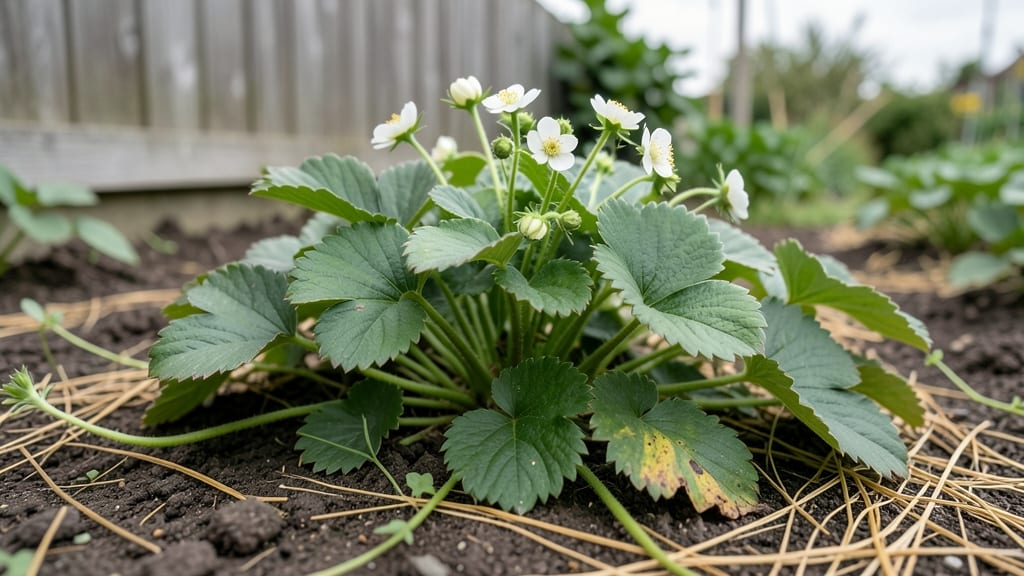
Strawberries with red flowers aren’t just fruit—they’re the star of your garden’s spring show. 🌸 Those delicate blossoms transform any bed into a romantic cottage scene while still delivering juicy harvests. I’ve designed my front border around them, and neighbors now ask which "fancy flowers" I planted every year.
The secret to their double appeal lies in variety selection and placement. Try June-bearing types like 'Seascape' or everbearing 'Albion' for continuous blooms and berries. Edge them with salvia or columbine to extend the color show—both thrive in the same sunny spots.
You’ll get fragrant flowers from late spring through summer, followed by sweet fruit.
Imagine a red-flowered strawberry arch over a patio or a mixed border where their white-and-red blooms contrast with purple clematis. The plants stay compact enough for containers too, letting you tuck them into balcony gardens. Every bite of fruit feels like a reward for the beauty you’ve grown.
Works in full sun to partial shade, and they’re drought-tolerant once established. Perfect for cutting gardens, pollinator-friendly borders, or even as edible ground cover under fruit trees. Let’s make your garden both beautiful and bountiful!
📚 In This Guide
- What you need
- Instructions
- Tips and common mistakes
- Wrapping up and next steps
What you need
- ● Strawberry plants with red flowers: 3–5 bare-root or potted plants (look for varieties like Albion, Seascape, or Chandler, which often produce red-tinted blooms).
- ● Well-draining soil: 2–3 cubic yards (for in-ground planting) or 1–2 bags of high-quality potting mix (for containers). Mix in 1 part compost per 2 parts soil to boost fertility.
- ● Container or garden bed: For containers: 5–7 gallon pots (minimum 12 inches deep) with drainage holes. Pro tip: Use black pots to absorb heat and speed up fruiting! 🌡️
- ● For in-ground planting: A sunny spot (6+ hours of sunlight daily) with loose, fertile soil (pH 5.5–6.8).
- ● Organic mulch: Straw, shredded leaves, or pine needles (2–3 inches thick) to retain moisture and suppress weeds.
- ● Basic gardening tools: Trowel or small shovel
- ● Garden gloves (to protect from thorns!)
- ● Pruning shears (for trimming runners or dead leaves)
- ● Watering can or hose with a gentle spray nozzle: Strawberries need 1–1.5 inches of water per week (more in hot climates).
- ○ Balanced fertilizer (optional but helpful): 10-10-10 or organic options like fish emulsion or compost tea. Apply every 4–6 weeks during growing season.
- ○ Row covers or bird netting (optional): To protect flowers/fruit from pests like birds or bees (if you’re not aiming for pollination).
- ● Cold frame or greenhouse: Extends the growing season in cooler climates.
- ● Epsom salt (magnesium sulfate): 1 tablespoon per plant monthly to prevent yellowing leaves.
- ● Beneficial insects: Ladybugs or lacewings to control aphids naturally.
How to grow vibrant red-flowering strawberries for year-long beauty
Here's the method I've perfected for growing strawberries with striking red blooms that keep your garden colorful and productive.
🌱 Step 1: Select and Prepare Your Strawberry Varieties
Choose everbearing or day-neutral varieties like 'Seascape' or 'Alpine'—these produce red flowers and fruit continuously. I always start with bare-root plants in early spring or late fall, giving them time to establish before blooming. Soak the roots in lukewarm water for 30 minutes before planting to rehydrate them. This jumpstarts growth and prevents transplant shock.
If using potted plants, inspect the roots for any that look mushy or brown—these won't survive. Healthy roots should be firm and white. Plant in well-draining soil with a pH of 5.5-6.5, as strawberries are acid-loving. Amend your soil with compost if it's heavy clay or sandy, as neither holds moisture or nutrients well enough for consistent blooms.
☀️ Step 2: Position for Optimal Sun and Airflow
Strawberries need 6-10 hours of sunlight daily for vibrant red flowers and sweet fruit. A south-facing spot gets the most light, but west-facing works too. I avoid east-facing beds because morning sun can leave plants damp too long, inviting fungal diseases like gray mold. Space plants 18-24 inches apart in rows 3-4 feet apart—this ensures airflow and prevents mildew.
Here's the thing—mulch heavily with straw or pine needles (about 4 inches deep) after planting. This keeps roots cool in summer and warm in winter, encouraging continuous blooming. Mulch also suppresses weeds, which compete for nutrients that could otherwise fuel those red flowers. Check mulch thickness yearly and refresh if it decomposes below 3 inches.
💧 Step 3: Water Deeply and Fertilize for Blooms
Water deeply once a week (about 1 inch total) rather than daily shallow watering. This encourages deep root growth, which supports stronger stems and more vibrant red flowers. I water in the early morning to let foliage dry before evening, reducing disease risk. You'll know you're watering right when the soil feels moist 2 inches down but not soggy.
Feed plants with a balanced fertilizer (10-10-10) at half-strength when flowers appear, then switch to a low-nitrogen, high-phosphorus formula (5-10-10) to boost blooming. Over-fertilizing with nitrogen makes plants leafy but flower-sparse. I also side-dress with compost tea every 4 weeks during the growing season—this adds microbes that help roots absorb nutrients for those showstopping red blooms.
✂️ Step 4: Prune and Maintain for Continuous Blooms
Remove old leaves and runners in early spring to redirect energy to new growth. I use clean, sharp pruners to snip runners at the base—this prevents the plant from wasting energy on propagation. Leave 6-8 healthy leaves per plant to ensure photosynthesis fuels flower production. Real talk: If you skip this, your strawberries will spread everywhere but produce fewer red blooms.
Deadhead spent flowers after fruiting to encourage new blooms. This keeps plants productive year-round, especially for everbearing varieties. In late fall, cut back foliage to 1 inch above the crown and add 6 inches of mulch to protect roots through winter. The red flowers you see in spring will be even more vibrant because the plant wasn't stressed by cold.
🌿 Step 5: Protect and Extend the Blooming Season
Use floating row covers in early spring or late fall to protect flowers from frost. Strawberries can tolerate light frosts, but red blooms will blacken if hit by 28°F or below. I also place black plastic mulch in summer to keep roots cool—this prevents heat stress, which causes flowers to drop. Remove the mulch in fall to let soil temperatures moderate naturally.
For year-round red flowers, stagger planting: Install new plants every 6 weeks from spring to early summer. This ensures a continuous display of blooms and fruit. Harvest berries when fully red and slightly soft to touch, then enjoy the show of new flowers emerging within 2-3 weeks. The key is balance—remove old fruit to encourage new blooms, but don't over-prune or you'll sacrifice next year's harvest.
Tips & tricks for perfect red-flowering strawberry growth
These garden-tested strategies will help you coax the most vibrant red blooms from your strawberries while keeping them productive all year.
Root Revival Technique: That 30-minute soak for bare-root plants in Step 1 is non-negotiable for everbearing varieties. I learned this the hard way after planting dry roots that took weeks to recover. For potted plants, trim any mushy roots immediately—healthy ones should spring back when gently squeezed. The goal is to establish strong roots that support those showstopping red flowers within weeks.
Sunlight Optimization: The 6-10 hours of daily sunlight in Step 2 is your color secret weapon. If your garden gets less, supplement with a portable grow light for 2-3 hours in the afternoon—this mimics the intensity strawberries crave for deep red pigment. I've seen blooms fade to pale pink when light is insufficient, so don't skimp here.
Fertilizer Timing: When you switch to that 5-10-10 formula after flowers appear, apply it right at the base of the plant—not on leaves. The phosphorus boost encourages root development that supports those vibrant red blooms, but too much nitrogen (from 10-10-10) can actually make flowers sparse. Think of it as feeding the roots to fuel the flowers.
Winter Protection: That 6-inch mulch in late fall is your insurance policy for next spring's blooms. I've seen plants survive 20°F winters with this protection, though the 28°F threshold is when you'll start seeing frost damage. For extra caution, wrap young plants with burlap after the first frost—it's like giving them a cozy blanket while still allowing airflow.
Pro Tips for Strawberries With Red Flowers
- These garden-tested strategies will help you coax the most vibrant red blooms from your strawberries while keeping them productive all year.
- Root Revival Technique: That 30-minute soak for bare-root plants in Step 1 is non-negotiable for everbearing varieties.
- Sunlight Optimization: The 6-10 hours of daily sunlight in Step 2 is your color secret weapon.
Frequently asked questions
Got questions about growing strawberries with red flowers? We’ve got answers!
Whether you’re curious about care, timing, or troubleshooting, here’s what you need to know to keep your edible garden thriving.
Can strawberries with red flowers grow in containers?
These strawberries thrive in containers as long as the pot is at least 12–16 inches deep with drainage holes. Use well-draining soil and a mix of compost to ensure healthy roots. Just keep them in a sunny spot (6+ hours of light) and water consistently. Pro tip: Elevate containers slightly to prevent rot from excess moisture.
How long does it take for strawberries with red flowers to produce fruit?
Patience is key—most varieties take 6–12 months to bear fruit after planting. June-bearing types fruit once a year (late spring/early summer), while everbearing varieties produce two smaller harvests (spring and fall). Red-flowering strawberries follow similar timelines but may bloom slightly later. Pro tip: Prune old leaves after harvest to encourage new growth!
Why aren’t my strawberries flowering or fruiting?
Common culprits include insufficient sunlight (they need 6+ hours daily), over-fertilizing with nitrogen (which promotes leaves, not flowers), or temperature stress (below 50°F or above 90°F can halt blooms). Check soil pH too—aim for 5.5–6.5. If flowers drop off, it might be blossom end rot (calcium deficiency). Try a balanced fertilizer and mulch to stabilize temps.
Are red-flowering strawberries as sweet as regular strawberries?
Yes! The red flowers are purely ornamental—the fruit’s flavor depends on the variety, not the blooms. Some red-flowering types (like ‘Mignonette’ or ‘Seascape’) are just as sweet and aromatic as traditional strawberries. For extra sweetness, plant in full sun, water deeply, and avoid overcrowding. Bonus: Their vibrant flowers add beauty to salads or desserts!
What’s the best companion plant for strawberries with red flowers?
Pair them with basil, thyme, or lettuce to deter pests and improve growth. Avoid planting near potatoes or brassicas (like broccoli), as they compete for nutrients. Strawberries also love marigolds (repel nematodes) or spinach (shade-sensitive crops). Just keep companions at least 12 inches away to prevent disease spread.
Wrapping up and next steps
Growing strawberries with red flowers is a rewarding way to blend beauty and bounty in your garden—no green thumb required! These vibrant plants offer year-round interest, from delicate blooms to juicy fruit, while attracting pollinators and adding charm to any space.
Whether you’re a novice gardener or a seasoned pro, their resilience and versatility make them a must-have for both aesthetics and harvest.
Ready to dive in? Start small with a few plants, experiment with companion pairings, and soon you’ll be enjoying both the flowers and the fruit—nature’s perfect duo! 🌸🍓