
Pruning
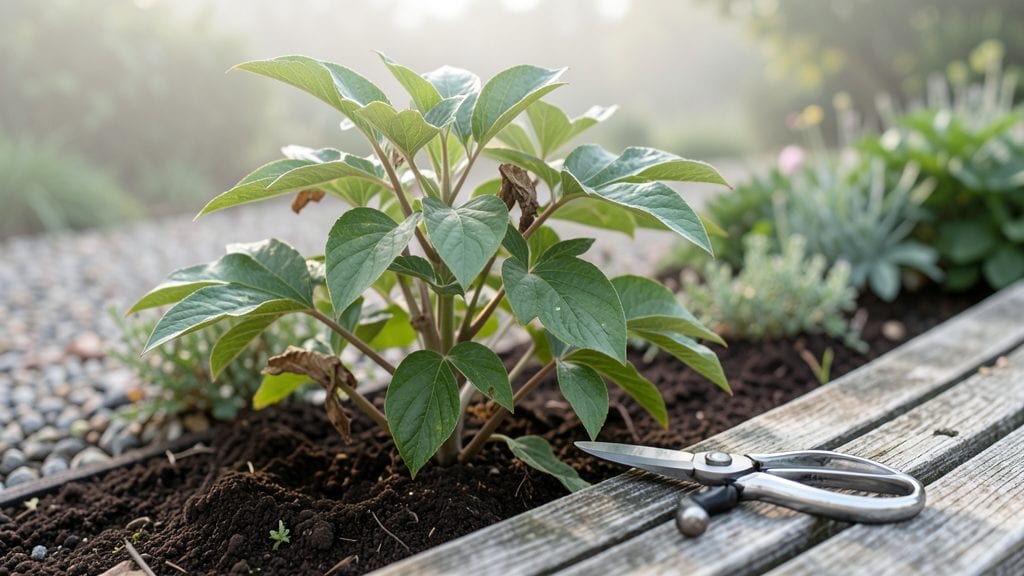
Pruning peonies after flowering isn’t just about tidying up—it’s the secret to next year’s showstopping blooms. I’ve watched my own peony bushes go from sparse, weak stems to lush, heavy-blooming giants just by mastering this one step. The key? Timing and technique matter more than you’d think.
You’ll need clean pruners, a pair of gloves, and a clear day when the foliage has started yellowing—usually late September to early October in most zones. Cut stems down to 2 inches above the ground, but never the green buds at the base.
This small detail makes all the difference in how the plant stores energy for spring.
What you’ll end up with is a garden bed that looks neater now and produces twice as many blooms next summer. The plants stay healthier, resist disease better, and put all their effort into those iconic, fragrant flowers instead of weak, floppy stems.
Just avoid the urge to prune too early—wait until the leaves naturally fade.
This method works for herbaceous peonies (the ones that die back in winter) and even tree peonies with slight adjustments. Once you’ve done it once, you’ll wonder why you ever hesitated—it’s that simple, that effective. Let’s get those blooms growing bigger every year.
📚 In This Guide
- What you need
- Instructions
- Tips and common mistakes
- Wrapping up and next steps
What you need
- ● Bypass pruners – Sharp, clean pruners (4-6" blades) for precise cuts. Pro tip: Disinfect with rubbing alcohol before and after use to prevent disease spread! 💡
- ○ Garden shears or loppers – For thicker stems (optional, if peonies are bushy or overgrown).
- ○ Gloves – Heavy-duty gardening gloves (optional but recommended to protect hands from thorns and sap).
- ○ Pruning sealant (optional) – A natural sealant (like beeswax or pruning paste) to prevent moisture loss on larger cuts.
- ● Compost or mulch – To replenish the soil after pruning (1-2 inches of organic mulch works well).
- ● Trash bag or bucket – For collecting pruned stems and debris.
- ● Garden hose or watering can – To clean tools and rinse off sap/residue.
- ● Wait until after the peony foliage turns brown and crispy (usually late fall or early winter).
- ● Check the weather—prune on a dry, overcast day or early morning to reduce stress on the plant.
- ● Wear comfortable clothing (long sleeves/pants) to protect from thorns and sap.
Step-by-Step guide to pruning peonies after flowering
Timing and technique make all the difference—here's how to rejuvenate your peonies for next season's showstopper blooms.
Wait Until Flowers Fully Fade
Never prune while buds are still green or flowers are open. Instead, wait until the blooms have completely browned and wilted back into the foliage—this usually takes 2-3 weeks after peak flowering. You'll know it's time when the spent blossoms look crispy and the stems feel dry to the touch.
Cutting too early removes the plant's energy reserves stored in the seed pods (follicles) that form after flowering. These pods are crucial for next year's blooms. If you're impatient, mark the stems with a small flag or ribbon once they're fully faded to avoid accidental pruning.
Deadhead Spent Blooms at the Right Spot
Use clean, sharp pruners to cut the entire spent flower stem back to the first set of healthy leaves below the bloom. This is typically 3-5 inches below the flower head. Avoid cutting into the thick, woody stems—you want to remove only the leafless, flower-bearing stem.
Here's the thing—peony stems have a distinctive "knee" where the flower stem meets the foliage. Cut just above this junction to prevent disease from entering the plant through open wounds. If you're unsure, look for the small buds where next year's flowers will form; these will appear just below the dead bloom.
Thin Overcrowded Foliage for Airflow
After deadheading, assess the plant's overall health. Peonies can become overcrowded, which reduces both bloom size and vigor. Use your pruners to remove 1-2 of the oldest, thickest stems at the base where they emerge from the ground. These are easily identifiable as the largest, most woody stems.
Thinning prevents fungal diseases by improving airflow and sunlight penetration to the center of the plant. You'll notice the remaining stems will have more space to grow stronger. Never remove more than one-third of the stems in a single season—this shocks the plant and can reduce next year's flowering.
Clean Up Debris and Fertilize Lightly
Rake up all the fallen leaves and spent stems from around the plant's base. This removes potential disease organisms and prevents pests from overwintering in the garden. Dispose of the debris in the trash—not the compost pile—to avoid spreading any hidden pathogens.
Apply a balanced, slow-release fertilizer (10-10-10 or similar) around the plant's root zone. Use about 1 tablespoon per plant, working it gently into the top 2 inches of soil. Water thoroughly to help the granules dissolve and reach the roots. Avoid heavy fertilizers high in nitrogen—they encourage leafy growth at the expense of blooms.
Mulch and Prepare for Dormancy
Spread a 2-3 inch layer of organic mulch (like shredded bark or straw) around the plant, keeping it 6 inches away from the stems to prevent rot. This insulates the roots during winter and retains moisture during dry spells. Choose a mulch that breaks down slowly to provide long-term benefits.
Peonies are hardy perennials that thrive with minimal winter care, but this final step ensures they'll bounce back stronger in spring. Avoid piling mulch against the stems—this can cause them to rot over winter. Instead, create a donut-shaped ring of mulch around the plant's base.
Tips & tricks for pruning peonies after flowering
Timing and precision are everything when it comes to reviving your peonies—here's how to avoid common pitfalls and maximize next year's blooms.
Timing Secret: The 2-3 week waiting period after flowering isn't just about patience—it's about allowing those crucial seed pods (follicles) to fully develop. These pods store energy for next year's buds, so cutting too soon deprives your plant of its future blooms. I've learned this the hard way after accidentally pruning too early and seeing smaller flowers the following spring. Mark stems with a colored ribbon if you're unsure when they've fully faded.
Cutting Technique: When deadheading in Step 2, look for that distinctive "knee" where the flower stem meets the foliage—this is your target cut point. Using clean, sharp pruners at this junction prevents disease entry and preserves the plant's energy reserves. If you're hesitant about where to cut, examine the stem closely for the small buds that will form next year's flowers; these appear just below the dead bloom.
Thinning Strategy: In Step 3, focus on removing only the oldest, most woody stems at the base—never more than one-third of the total stems. These mature stems compete with younger growth for nutrients, so their removal actually strengthens the remaining stems. I recommend thinning in late summer after the main flowering cycle to give the plant time to recover before winter.
Fertilizer Wisdom: The balanced 10-10-10 fertilizer mentioned in Step 4 should be applied lightly—just 1 tablespoon per plant worked into the top 2 inches of soil. Over-fertilizing, especially with nitrogen-heavy mixes, will produce lush foliage at the expense of those showstopper blooms we're all after. Think of it as giving your peonies a gentle energy boost rather than a heavy dose of stimulants.
Pro Tips for Prune Peonies After Flowering
- Timing and precision are everything when it comes to reviving your peonies—here's how to avoid common pitfalls and maximize next year's blooms.
- Timing Secret: The 2-3 week waiting period after flowering isn't just about patience—it's about allowing those crucial seed pods (follicles) to fully develop.
- Cutting Technique: When deadheading in Step 2, look for that distinctive "knee" where the flower stem meets the foliage—this is your target cut point.
Frequently asked questions
Got questions about pruning peonies after they’ve finished blooming? You’re not alone! Here are some of the most common concerns—and clear answers to help you prune like a pro.
When is the exact best time to prune peonies after flowering?
Prune peonies only after their foliage turns brown and dies back naturally—typically late fall to early winter (November–January, depending on your climate). Cutting too early can stress the plant, while waiting too long may leave it vulnerable to disease.
What if I skip pruning peonies altogether?
Peonies can survive without pruning, but deadheading spent blooms and trimming foliage boosts next year’s blooms and keeps the plant healthy. Over time, unpruned peonies may become overcrowded or produce fewer flowers. A little effort now = bigger blooms later!
My peony leaves look yellow or spotted—did I prune wrong?
Yellowing or spotted leaves often signal fungal diseases (like botrytis) or over-pruning. Always use sterilized shears and avoid cutting into woody stems. If disease is suspected, remove affected foliage immediately and treat with fungicide.
Can I prune peonies in spring instead of fall/winter?
Spring pruning is not recommended—it removes next year’s flower buds, which form on the previous season’s growth. If you must prune in spring, do so very lightly (just remove dead stems) and avoid cutting into green growth. Patience pays off!
What if I accidentally cut into the peony’s “eyes” (buds) while pruning?
Don’t panic! Peonies are hardy and can recover from minor cuts. Just sterilize the wound with pruning paint or cinnamon powder to prevent infection. The plant may produce fewer blooms that year, but it’ll bounce back stronger.
Wrapping up and next steps
Pruning peonies after flowering is your secret to vibrant, long-lasting blooms year after year! By deadheading spent flowers and trimming back foliage at the right time, you’re not just tidying up—you’re inviting next season’s showstopper blooms.
Remember, patience and precision are key: avoid cutting into the eyes (buds) and always use sharp tools for clean cuts. 🌸
Now that you’re armed with the know-how, roll up your sleeves and give your peonies the care they deserve. Grab those shears, step outside, and watch your garden thrive—your future blooms will thank you!
For extra peace of mind, check out our FAQs or explore more pruning guides to keep your garden in tip-top shape.