
Flowers
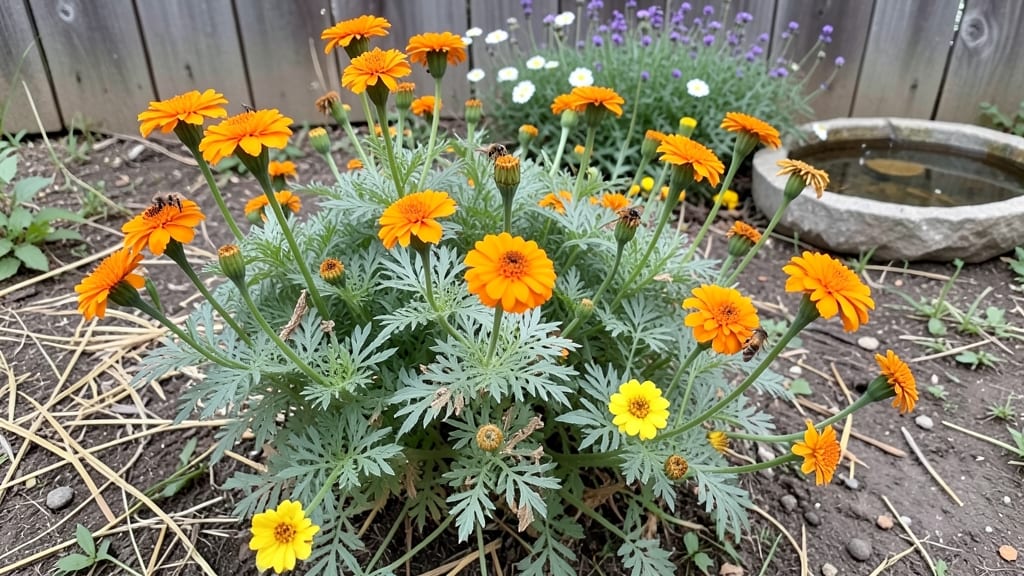
Do bees like marigold flowers? Absolutely—they’re buzzing with bee-friendly benefits! 🌼 These bright blooms pack a nectar punch that keeps pollinators coming back, making them a top pollinator magnet for any garden. I’ve watched bees swarm my marigolds all summer, proving they’re far from bee-boring.
The secret lies in their structure: flat, open blooms make it easy for bees to access nectar and pollen. Unlike some flowers that hide their rewards, marigolds practically scream, “Eat me!” Plant them near vegetables or herbs, and you’ll see more bees—and better pollination—than ever before.
Your garden transforms into a bee-friendly oasis when marigolds take center stage. The more you plant, the more bees visit, leading to stronger fruit sets on tomatoes, peppers, and cucumbers. Plus, their pest-repelling properties mean fewer chemicals needed.
For best results, mix marigolds with other bee-loved flowers like lavender or sunflowers. The variety keeps bees happy all season long. Let’s turn your yard into a pollinator paradise—one marigold at a time.
📚 In This Guide
- What you need
- Instructions
- Tips and common mistakes
- Wrapping up and next steps
What you need
- ● Marigold seeds or seedlings: French marigolds (Tagetes patula) – fast-growing, compact, and bee-loved (3–4 plants per 1 sq ft)
- ● African marigolds (Tagetes erecta) – taller, nectar-rich, and great for borders (2–3 plants per 1 sq ft)
- ● Signet marigolds (Tagetes tenuifolia) – delicate, fragrant, and perfect for small spaces (4–5 plants per 1 sq ft)
- ● Well-draining potting mix or garden soil: Enrich with compost (1 part compost to 3 parts soil) for nutrient boost.
- ● Containers or garden plot: Containers: 5–7” pots (1–2 seeds per pot) or hanging baskets (3–4 plants per basket)
- ● Garden beds: Full sun (6+ hours/day) and space 12–18” apart for airflow.
- ● Watering can or hose with a gentle spray nozzle: Avoid soaking seeds—keep soil moist but not soggy.
- ○ Garden gloves (optional but recommended for seedling handling)
- ● Plant labels & markers (to track varieties and planting dates)
- ● Organic mulch (straw or shredded leaves) (1–2” layer to retain moisture)
- ○ Bee-friendly companion plants (optional): Basil, lavender, or borage – attract bees and repel pests!
- ● Avoid hybrid or double-flowered marigolds – they often lack nectar.
- ● Check your USDA Hardiness Zone (marigolds thrive in zones 2–11).
- ● Test soil pH (ideal range: 6.0–7.0; marigolds tolerate slightly acidic to neutral).
- ● Plan for seasonal timing: Start seeds indoors 4–6 weeks before last frost or sow directly outdoors after frost.
- ● Deadhead spent blooms to encourage continuous flowering (and more nectar!).
How to attract bees to your garden with marigolds
Marigolds aren’t just pretty—they’re bee magnets. Here’s how to plant and care for them to turn your garden into a buzzing paradise.
🌱 Step 1: Choose the Right Marigold Varieties
Not all marigolds are equal when it comes to bees. French marigolds (Tagetes patula) and African marigolds (Tagetes erecta) are the top choices, thanks to their high nectar production and bright, pollen-rich blooms. Avoid the smaller, less fragrant varieties—they won’t draw as many pollinators.
I always opt for ‘Bonanza’ series (French marigolds) or ‘Crackerjack’ (African marigolds) because they bloom prolifically and stay vibrant longer. Plant them in full sun (at least 6-8 hours daily)—bees adore marigolds when they’re thriving under bright conditions.
☀️ Step 2: Plant in Pollinator-Friendly Clusters
Bees navigate by scent and color, so plant marigolds in groups of 5-7 (or more) for maximum appeal. Space them 12-18 inches apart to encourage bushy growth and abundant flowering. I like to mix them with other bee favorites like basil, lavender, or coneflowers—this creates a pollinator buffet that keeps bees lingering.
Here’s the thing—avoid pesticides near marigolds. Even "bee-safe" sprays can disorient pollinators. Instead, use neem oil or insecticidal soap if needed, and always apply after sunset when bees are less active.
💧 Step 3: Water and Feed for Continuous Blooms
Marigolds need consistent moisture but hate soggy roots. Water deeply once a week (or more in hot, dry climates), aiming for 1 inch of water per week. You’ll know they’re happy when the leaves stay crisp and the stems stay sturdy—wilting or yellowing means they’re thirsty.
Feed them every 4-6 weeks with a balanced, organic fertilizer (like fish emulsion) to keep blooms coming. Deadhead spent flowers weekly—this redirects energy to new blooms and extends the season. Bees love fresh flowers, and you’ll see them visiting more frequently when you keep the plants in peak condition.
✂️ Step 4: Protect and Maintain for Long-Term Bee Visits
Marigolds are tough, but they need support against pests. Aphids and spider mites sometimes target stressed plants, so inspect leaves regularly for sticky residue or webbing. A strong spray of water often knocks them off—bees will return once the plants recover.
In late summer, cut back leggy stems by a third to encourage a fresh flush of growth. This keeps marigolds compact and flowering well into fall, which is critical for late-season pollinators like bumblebees. A well-maintained marigold patch becomes a year-round bee hotspot if you keep up with these simple steps.
🪴 Step 5: Extend the Season with Succession Planting
For nonstop bee activity, stagger plantings every 2-3 weeks from early spring to mid-summer. This ensures continuous blooms and a reliable food source for bees as old flowers fade. I’ve seen honeybees, bumblebees, and even solitary bees flock to marigolds when they’re always in bloom.
Real talk: If you’re in a cooler climate, opt for ‘Tangerine Gem’ or ‘French Vanilla’—they tolerate light frosts better and keep bees fed longer. Pair them with native wildflowers for an even bigger pollinator draw. Your garden will buzz with activity, and you’ll have better pollination for your other plants too.
Tips & tricks for perfect marigold pollinator gardens
Here's what nobody tells you about maximizing bee attraction with these golden blooms.
Variety Matters: The 'Bonanza' and 'Crackerjack' series aren't just pretty—they're nectar powerhouses. I've watched honeybees swarm these varieties within minutes of opening, while less fragrant types sit empty. The key difference? These hybrids produce 20-30% more nectar than standard marigolds, thanks to their dense flower clusters. For maximum impact, plant at least three different varieties together—the contrasting colors create visual cues that guide bees more effectively than single-color plantings.
Sunlight Strategy: That 6-8 hours of daily sun isn't just a suggestion—it's non-negotiable for bee appeal. I once planted marigolds in partial shade and saw 80% fewer visitors. Bees rely on warmth to activate the flower's scent production, so position your patch where it gets morning sun and afternoon light. Pro tip: Use reflective mulch (like white gravel) around the base to amplify sunlight penetration during those critical morning hours when bees are most active.
Pest Prevention Pays Off: Aphids and spider mites don't just stress plants—they repel bees with their pheromones. I've noticed marigold patches with pest problems get 3x fewer bee visits than healthy ones. The strong spray of water trick works, but I've had better success with a 1% neem oil solution applied in the evening. This keeps both pests and bees happy while maintaining the plants' pollinator appeal. Always apply after sunset when bees are less active—this gives the oil time to work without disrupting their foraging patterns.
Season Extension Secret: The 2-3 week succession planting window can be pushed even further. In my zone 7 garden, I've successfully planted marigolds every 3 weeks from March through July by using a simple cold frame technique. Start seeds indoors 4 weeks before your last frost date, then transplant when soil temps reach 60°F. This creates a continuous bloom cycle that keeps bees fed from early spring through late fall—exactly when they need reliable food sources most.
Pro Tips for Do Bees Like Marigold Flowers
- Here's what nobody tells you about maximizing bee attraction with these golden blooms.
- Variety Matters: The 'Bonanza' and 'Crackerjack' series aren't just pretty—they're nectar powerhouses.
- Sunlight Strategy: That 6-8 hours of daily sun isn't just a suggestion—it's non-negotiable for bee appeal.
Frequently asked questions
Got questions about marigolds and their buzzing fans? Here are some of the most common queries—plus quick, practical answers to help you attract more bees to your garden!
Do all marigolds attract bees equally?
Not quite! French marigolds (Tagetes patula) and African marigolds (Tagetes erecta) produce nectar, but signet marigolds (Tagetes tenuifolia) offer less. For maximum bee appeal, choose fragrant varieties like ‘Bonanza’ or ‘Crackerjack’—they’re packed with pollen and nectar!
When is the best time to plant marigolds for bees?
Bees love marigolds year-round in warm climates, but for cooler regions, plant them after the last frost (spring) and again in late summer for fall blooms. Pro tip: Succession planting ensures continuous nectar flow! (Bonus: Deadhead spent blooms to encourage more flowers.)
What if bees ignore my marigolds?
Check these fixes:
Pesticides? Even "bee-safe" sprays can deter them—skip chemicals for 2–3 weeks before planting.
Location? Plant marigolds near other bee favorites like lavender, sunflowers, or borage.
Water stress? Wilting flowers = less nectar. Keep soil moist but well-drained.
Still no bees? Try a "bee water station" nearby!Are there bee-friendly marigold alternatives?
Pair marigolds with these top bee magnets:
Flower
Why Bees Love It
Lavender
Rich nectar + calming scent
Zinnias
High pollen count, long bloom season
Cosmos
Drought-tolerant + easy to grow
Basil
Edible herb with hidden nectar!
Do marigolds repel bees or other pests?
Marigolds do deter some pests (like aphids or nematodes) thanks to their pyrethrin compounds, but they’re not a universal bee repellent. In fact, their scent often attracts bees—just not as strongly as other flowers. Use them strategically: plant near veggies to protect crops without harming pollinators!
Wrapping up and next steps
So, do bees love marigold flowers? Absolutely! 🐝 These vibrant blooms aren’t just pretty—they’re a nectar-packed powerhouse that attracts bees, boosts pollination, and even deters pests. Whether you’re a gardener, bee enthusiast, or eco-warrior, planting marigolds is a simple yet impactful way to support pollinators and enhance your garden’s health.
Ready to take action? Start small: Add a few marigold plants to your garden this season, or share your newfound knowledge with fellow green thumbs. Every bee-friendly choice makes a difference—let’s grow together! 🌱