
Flowers
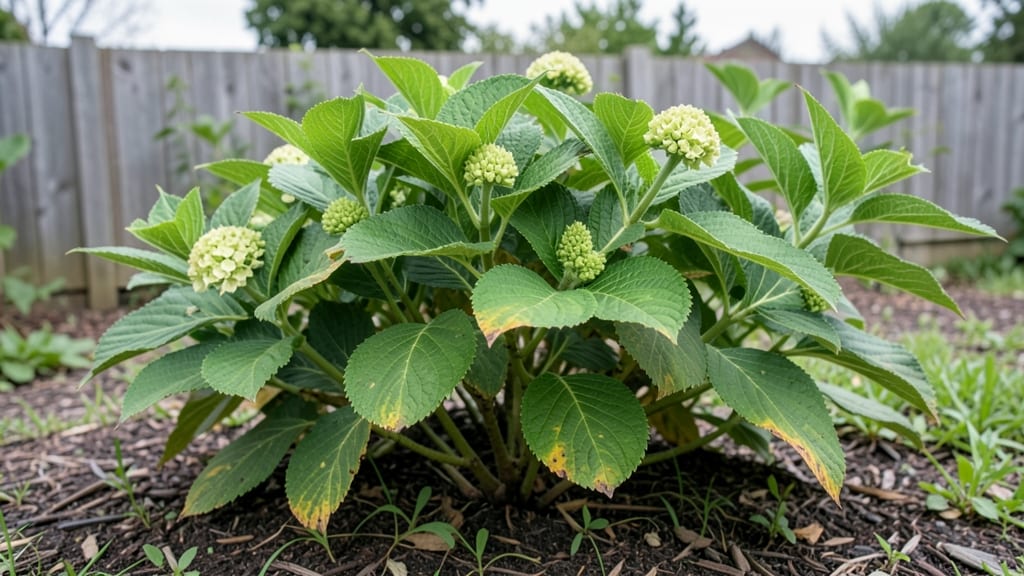
Starting to flower is the moment you’ve waited for—but if your tomatoes and zinnias keep throwing out leaves instead of blooms, you’re missing the subtle cues that’ll finally trigger those showstopping blossoms. of blooms, until I realized it wasn't just water or soil.
Light hours and temperature shifts actually act like a switch, and once you learn how to flip it at the right time, flowers arrive reliably every season.
The two biggest factors are light exposure (12+ hours for most bloomers) and chill requirements (some plants need winter cold to trigger spring flowers). Annuals like marigolds need consistent sunlight, while perennials like peonies often require 6-8 weeks of temperatures below 50°F before they'll burst into bloom.
Even vegetables like basil and lettuce follow these same rules—get the timing wrong, and you'll end up with leafy monsters instead of the flowers (or fruit) you're after.
What you'll notice first are buds forming at leaf junctions—tiny green bumps that swell into color over days. Proper pruning (removing spent blooms) and balanced fertilizer (higher phosphorus for flowers) keep this process going, while too much nitrogen sends plants into leaf-producing overdrive.
The result? A garden that doesn't just survive summer but thrives with continuous blooms from spring to fall.
Works for everything from container petunias to backyard roses—just adjust for your climate. Here's how to troubleshoot when flowers flake out, plus the exact timing for your zone. Let's get those buds popping!
📚 In This Guide
- What you need
- Instructions
- Tips and common mistakes
- Wrapping up and next steps
What you need
- ● Grow lights: Full-spectrum LED (1200–2000 lumens) or high-intensity discharge (HID) lights for 12–16 hours/day during flowering.
- ● Timer: Digital or smart plug-in timer (accurate to ±5 minutes) for precise light cycles.
- ● Thermometer/hygrometer: Dual-sensor unit to monitor temperature (60–75°F) and humidity (40–60%).
- ● Reflective material: Mylar or white foam board (for light efficiency in small spaces).
- ○ Cooling system (optional but helpful): Oscillating fan (for airflow and temp regulation).
- ● Air conditioner or swamp cooler (for larger setups).
- ● Mature plants: Vegetative growth phase completed (4–8 weeks, depending on variety).
- ● Healthy roots: No signs of root rot or nutrient deficiencies (test soil pH: 5.8–6.8).
- ● Nutrient switch: Transition to flower-specific nutrients (high phosphorus/potassium ratio, e.g., 5-10-10 or 7-9-5).
- ● Space planning: Ensure plants have 12–18 inches of space between stems for airflow.
- ● CO₂ monitor: For advanced growers (target 800–1200 ppm during flowering).
- ● Chill-proofing: Insulated grow tent or greenhouse (if extending chill hours naturally).
- ● Bloom boosters: Organic additives like kelp meal or humic acid for stress resilience.
- ● Journal/notebook: To track light cycles, temps, and bloom progress!
How to trigger flowering in plants using light and chill
Mastering these two key factors will transform your leafy greens into blooming beauties.
☀️ Step 1: Understand Your Plant's Photoperiod Requirements
Most flowering plants fall into two categories: short-day plants (like chrysanthemums) that bloom when daylight shortens, or long-day plants (like spinach) that need extended light to flower. First, identify which type you're working with—this determines your light strategy. For example, poinsettias need just 12 hours of light daily to trigger blooms, while lettuce requires 14+ hours to form flower stalks.
If you're growing under artificial lights, use a timer to maintain precise light durations. I've seen beginners leave grow lights on 24/7, which actually prevents flowering in long-day plants. Instead, set your timer for the exact photoperiod your plant needs—no more, no less. For short-day plants, you might need to use blackout curtains to reduce light exposure to 10-12 hours during critical periods.
⏰ Step 2: Apply the Proper Chill Period
Many flowering plants require a cold stratification period—typically 4-8 weeks at 35-45°F—to break dormancy and initiate flower buds. This is why spring-blooming bulbs need winter's chill. For potted plants, move them to an unheated garage, basement, or outdoor cold frame during winter months. If your climate doesn't get cold enough naturally, use a refrigerator set to 40°F for the required period.
Here's the thing—don't skip this step. I once grew a beautiful peony bush that never bloomed because I forgot to give it the proper winter chill. The foliage looked perfect, but those buds never formed. For tropical plants like orchids, the chill period might be shorter (2-4 weeks), but it's still essential. After the chill period, gradually reintroduce warmth to simulate spring conditions—this triggers the final push toward flowering.
🌱 Step 3: Adjust Light Intensity During Transition
As your plant approaches the end of its chill period, increase light intensity gradually. Flowering requires more energy than vegetative growth, so plants need stronger light—either from the sun or a high-output grow light positioned 6-12 inches above the foliage. For indoor setups, I recommend a 10,000K LED grow light for the final 4-6 weeks before expected blooming. This spectrum mimics natural sunlight and boosts flower production.
Watch for signs of stress—yellowing leaves or stunted growth usually mean your light is too intense. If you notice this, move the light back 2-3 inches and monitor for a few days. The goal is to provide enough light to fuel flowering without scorching the plant. For outdoor plants, this means ensuring they're in their sunniest location during the transition phase, even if they weren't there during the chill period.
💧 Step 4: Manage Water and Nutrients for Optimal Blooming
During the flowering phase, reduce nitrogen-rich fertilizers and increase phosphorus and potassium. A balanced 5-10-10 or 10-10-10 fertilizer applied every 2-3 weeks encourages strong flower development. Too much nitrogen will result in lush foliage but few blooms—something I've seen too many gardeners overlook. Water consistently but avoid overwatering, which can cause buds to drop. Aim to keep the soil evenly moist but never soggy.
Here's a pro tip: Mist the foliage lightly in the morning if your plants are in a dry environment. This mimics natural dew and helps prevent bud blast—a common issue where flowers dry up before opening. If you're growing in containers, ensure they have adequate drainage to prevent root rot, which can stress plants and delay flowering. The right balance of water and nutrients is what turns potential into actual blooms.
Tips & tricks for perfect light and chill triggers
Common pitfalls—and how to sidestep every one—when coaxing plants into bloom.
Photoperiod Precision: The exact 12-hour light window for short-day plants like poinsettias is non-negotiable. Use a reliable timer to automate your grow lights, especially if you're working with artificial lighting. I've seen beginners accidentally extend the light period by even 30 minutes, which completely prevents flowering. For long-day plants like lettuce, that 14+ hours requirement means you might need to supplement natural daylight with additional artificial light during winter months when days are shorter.
Chill Period Consistency: Maintaining that 35-45°F range during the 4-8 week cold stratification is crucial, but temperature fluctuations can be just as damaging as incorrect temps. I recommend using a refrigerator thermometer to monitor conditions if you're using your fridge for cold stratification. For outdoor plants, move them to a sheltered location where temperatures won't spike above 50°F during the day. Even brief warm spells can break dormancy prematurely and disrupt bud formation.
Light Transition Strategy: When increasing light intensity during the final 4-6 weeks before blooming, do it gradually over 7-10 days. I start by raising the grow light 1 inch closer each week rather than making a sudden jump. This gradual adjustment prevents leaf scorch while still providing the increased energy plants need for flowering. For outdoor plants, this means moving them to their sunniest location progressively rather than all at once.
Nutrient Timing: The shift from nitrogen-heavy to phosphorus-potassium fertilizers should happen precisely when you begin the chill period. Too much nitrogen during flowering will result in weak stems and poor bud development. I've found that a 5-10-10 fertilizer applied every 2-3 weeks during the flowering phase works best for most plants. For container-grown plants, you might need to fertilize more frequently since nutrients leach out faster in smaller soil volumes.
Pro Tips for Starting To Flower
- Common pitfalls—and how to sidestep every one—when coaxing plants into bloom.
- Photoperiod Precision: The exact 12-hour light window for short-day plants like poinsettias is non-negotiable.
- Chill Period Consistency: Maintaining that 35-45°F range during the 4-8 week cold stratification is crucial, but temperature fluctuations can be just as damaging as incorrect temps.
Frequently asked questions
Got questions about triggering blooms in your plants?
You’re not alone! Here are some of the most common concerns—and straightforward answers—to help you master the art of starting to flower like a pro.
How do I know if my plant is ready to start flowering?
Look for signs like stretching (height spikes), bud sites forming at nodes, or leaf color changes (darker or lighter). For photoperiod plants, check the light cycle (e.g., 12/12 for autoflowers, 18/6 for photoperiod). If your plant’s been vegging for 4–6 weeks without progress, it may need a light or nutrient tweak.
What’s the best time of year to trigger flowering indoors?
Indoors, you control the clock! Start the 12/12 light schedule (12 hrs light, 12 hrs dark) when your plant is mature (4–6 weeks post-transplant). For outdoor plants, aim for late summer/early fall in temperate climates—when days shorten naturally. Pro tip: Use blackout curtains or timers for precision.
Can I use LED grow lights to start flowering?
Full-spectrum LED grow lights (with red/blue ratios) work great for flowering. Avoid cheap blues-only lights—they’ll stress your plant. For best results, use a high-red spectrum (like 80% red, 20% blue) during the dark period. Brands like Spider Farmer or Barbara are top picks for blooms.
Do all plants need a cold period (chill hours) to flower?
Not all! Photoperiod plants (like cannabis or tomatoes) rely on light cycles, while short-day plants (e.g., poinsettias) need 12+ hours of darkness. Cold-requiring plants (e.g., apples, cherries) must experience chill hours (30–1,000+ hrs below 45°F/7°C). Check your plant’s needs—some hybrids skip chill entirely!
My plant started flowering but the buds are small or sparse. What went wrong?
Common culprits: nutrient deficiencies (especially phosphorus/potassium), light stress (too much blue light), or temperature swings. Switch to a flower-specific nutrient, reduce light intensity by 20–30%, and keep temps steady (65–80°F/18–27°C). Overpruning can also stunt buds—let those leaves work!
Wrapping up and next steps
Watching your plants start to flower is like witnessing nature’s magic in action—it’s all about patience, precision, and a little know-how! 🌸 By mastering light cycles (12+ hours for photoperiodic plants) and chill hours (40–60°F for many varieties), you’re setting the stage for vibrant blooms.
Remember: consistency is key, and every garden has its own rhythm.
Ready to take the next step? Experiment with small batches of plants to fine-tune your light and chill strategies, or dive deeper into pruning techniques to encourage stronger growth. Your green thumb is growing—now let those flowers shine! 🌿✨