Flowers
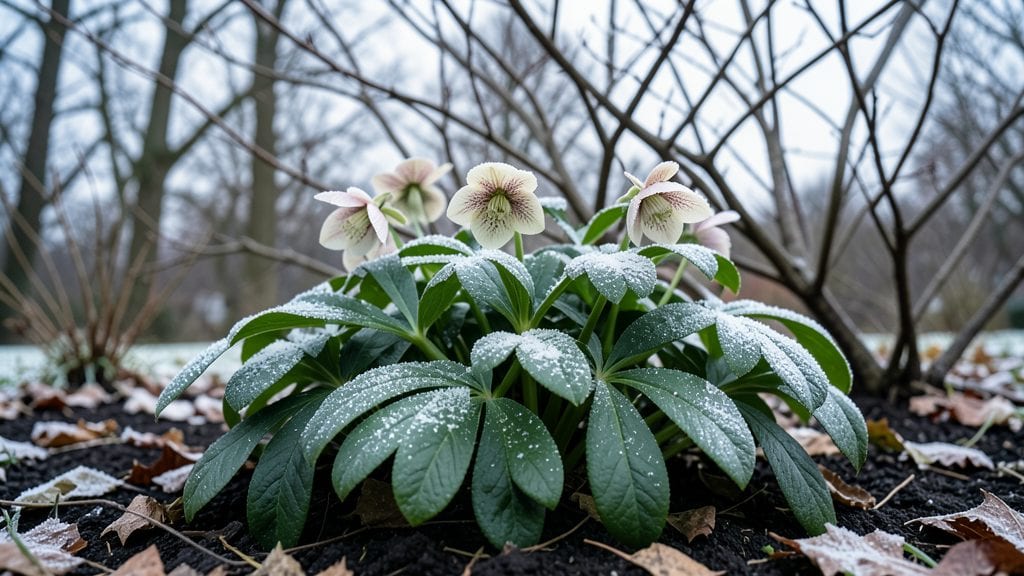
Spring flowers in snow aren't just surviving—they're stealing the show. ✨ I planted my first snowdrop bulbs five years ago, and every March, they punch through the last frost with delicate white blooms that make winter feel like a lie.
These tough little flowers prove that beauty doesn't need warmth to begin.
The secret lies in their timing and placement. Most thrive in USDA zones 3-8, meaning they handle everything from Rocky Mountain snowstorms to Pacific Northwest drizzle. Plant bulbs in fall (October-November) when soil temps drop below 60°F, and they'll establish roots before winter hits.
A well-draining, slightly acidic soil mix keeps them happy year-round.
What you get is a 6-8 week burst of color that brightens gray days. Snowdrops nod like tiny bells, crocuses pop in purple and yellow, and hellebores offer velvety blooms in deep shades. Their resilience makes them perfect for early-season containers or woodland garden edges where other plants still sleep.
For colder climates, mulch heavily in late fall to protect emerging shoots, and avoid heavy pruning until after blooms fade. These flowers reward patience with months of subtle beauty—no summer heat required. Let's make your early spring unforgettable.
📚 In This Guide
- What you need
- Instructions
- Tips and common mistakes
- Wrapping up and next steps
What you need
- ● Cold-hardy flower bulbs/seeds: Choose from snowdrops (Galanthus), winter aconite (Eranthis), or hellebores (Helleborus)—all thrive in chilly conditions. (Quantity: 5–10 bulbs per square foot)
- ● Well-draining soil mix: Combine 50% garden soil, 30% compost, and 20% perlite/sand for aeration. (~2–3 cubic feet per planting area)
- ● Organic mulch: Straw or shredded leaves (2–3 inches thick) to insulate roots without smothering blooms.
- ● Slow-release fertilizer: 10-10-10 or bulb-specific formula (apply lightly at planting time).
- ● Camera with macro lens (50mm+) or smartphone with high zoom for close-up shots.
- ● Reflector or white foam board to brighten shadows in overcast light.
- ○ Tripod (optional) for steady shots in windy conditions.
- ● Gloves & knee pads—digging in cold soil is no joke!
- ● Watering can with a fine rose nozzle to avoid disturbing delicate bulbs.
- ● Weather check: Plant on a dry, above-freezing day (even if slightly chilly).
Step-by-Step guide to planting spring flowers that thrive in snow
These hardy blooms will surprise you with vibrant color even when snow lingers.
🌱 Step 1: Choose the Right Cold-Hardy Varieties
Start with flowers proven to handle late frosts and snow—like hellebores, snowdrops, or crocuses. I always check USDA Zone ratings; anything labeled Zone 3 or lower will handle your harshest winters. These plants store energy underground during winter, so their roots need protection from freezing soil.
For best results, select plants already established in 3-5 gallon containers—they'll handle transplant shock better than bare-root starts. Look for healthy foliage with no signs of yellowing or pests. The key is choosing varieties that bloom early, often before full spring warmth arrives.
☀️ Step 2: Prepare the Planting Site Early
Work the soil in late fall or early winter while ground is still workable but not frozen. Amend with 2-3 inches of compost to improve drainage and fertility—these flowers won't tolerate soggy soil. I always rake the area smooth and remove any debris that could insulate the ground too much.
For extra protection, consider adding a 2-3 inch layer of straw mulch after planting. This traps heat from the soil while allowing snow to blanket the plants naturally. The mulch also prevents soil heaving during freeze-thaw cycles, which can uproot tender new growth.
🪴 Step 3: Plant at the Correct Depth and Spacing
Dig holes twice as wide as the root ball but only as deep as the container's root level. Pressing soil too firmly can damage roots, but leaving air pockets invites rot. I like to water the plant first to settle the roots, then place it in the hole and backfill with native soil mixed with a handful of bone meal for phosphorus.
Space plants 12-18 inches apart—crowding stresses them in cold weather. Group similar varieties together for a cohesive look, and plant taller flowers toward the back if creating a border. Water deeply after planting to eliminate air pockets and help roots establish before snow arrives.
⏰ Step 4: Protect New Plants from Late Snow
If snow arrives within 2-3 weeks of planting, cover with 4-6 inches of straw or evergreen boughs. This creates an insulating layer while allowing light to penetrate. I remove covers when snow melts to prevent mold from trapped moisture. For extreme cold snaps below 10°F, add a lightweight frost cloth over the straw layer.
Here's the thing—these flowers actually benefit from snow's natural insulation. The weight of snow compresses the mulch, creating a stable microclimate. Just avoid heavy, wet snow that can damage stems. You'll know protection is working when buds remain firm and foliage stays upright through freeze-thaw cycles.
Tips & tricks for perfect spring flowers in snow
Here's what nobody tells you about growing vibrant blooms that thrive when snow still blankets your yard.
Selection Tip: When choosing cold-hardy varieties like hellebores or snowdrops, look beyond just the Zone rating. Check the plant label for terms like "early bloomer" or "late winter interest"—these indicate varieties that will push through snow for color when most gardens are still dormant. I once planted crocuses labeled Zone 4 in my Zone 3 garden, only to have them freeze back completely after an early snow. The key is selecting varieties specifically bred for snow cover.
Soil Prep Secret: The 2-3 inches of compost recommendation in Step 2 is non-negotiable for these flowers. These hardy plants won't tolerate soggy soil, which is their #1 killer in winter. I've seen gardeners skip this step only to have their hellebores rot during freeze-thaw cycles. For extra insurance, mix in a handful of perlite or coarse sand to improve drainage in heavy clay soils. The goal is soil that drains quickly but holds moisture for roots.
Planting Depth Technique: When digging holes twice as wide but only as deep as the root ball (Step 3), resist the urge to press soil too firmly around the roots. These plants need good air circulation to prevent rot during winter. I use my fingers to gently pat the soil around the edges rather than stomping it down. Also, water the plant before placing it in the hole—this helps settle the roots and eliminates air pockets that can cause transplant shock.
Snow Protection Strategy: The 4-6 inches of straw mulch mentioned in Step 4 is your best defense against temperature swings. But here's the trick: fluff the straw before applying it—packed straw doesn't insulate as well. For extreme cold snaps below 10°F, I add a layer of burlap over the frost cloth to create an extra insulating barrier. The key is creating air pockets that trap heat while still allowing light penetration for photosynthesis.
Pro Tips for Spring Flowers In Snow
- Here's what nobody tells you about growing vibrant blooms that thrive when snow still blankets your yard.
- Selection Tip: When choosing cold-hardy varieties like hellebores or snowdrops, look beyond just the Zone rating.
- Soil Prep Secret: The 2-3 inches of compost recommendation in Step 2 is non-negotiable for these flowers.
Frequently asked questions
about spring flowers blooming in snow can spark curiosity—and practical tips! Here are answers to common queries to help you embrace these resilient beauties.Can spring flowers really bloom in snow?
Many hardy perennials like Hepatica, Snowdrops (Galanthus), and Winter Aconite thrive in cold weather. Their blooms emerge before snow melts, often peeking through a light dusting. These plants are adapted to survive freezing temps, making them perfect for early spring gardens. Just ensure they’re planted in well-draining soil to prevent rot.
When is the best time to plant flowers that bloom in snow?
For fall planting (ideal for many cold-hardy flowers), aim for 6–8 weeks before your first frost—typically September to early November. This gives roots time to establish before winter. If planting in spring, do it as soon as the ground is workable (usually March–April). Mulch lightly afterward to protect tender roots from late frosts.
How do I protect spring flowers from late snowstorms?
Most snow-loving flowers are tough, but a heavy snow load can damage stems. Gently brush off excess snow with a broom or shake it off. For delicate blooms, create a lightweight frame (like chicken wire) over clusters to prevent bending. Avoid heavy mulch or covers, which can trap moisture and cause rot.
What are some low-maintenance alternatives to traditional spring flowers?
If you want minimal fuss, try these resilient options:
- Crocus – Blooms early, drought-tolerant, and multiplies easily.
- Daffodils (Narcissus) – Deer-resistant and thrive in partial shade.
- Bleeding Heart (Dicentra) – Hardy and shade-loving.
- Lungwort (Pulmonaria) – Tolerates cold and provides early color.
Why did my spring flowers die after the first snow?
This usually happens due to overwatering, poor drainage, or tender varieties. Ensure your soil drains well and avoid soggy conditions. If you’re unsure about a plant’s hardiness, check its USDA zone rating—most snow-blooming flowers thrive in zones 3–7. For extra protection, add a 2–3 inch layer of mulch (like straw or shredded leaves) after planting.
Wrapping up and next steps
Spring flowers in snow may seem like a rare wonder, but they remind us that beauty—and resilience—can bloom even in the coldest moments. 🌸 Whether you're admiring their hardiness in nature or cultivating them in your garden, these bold blooms teach us to embrace patience and find joy in unexpected places.
Now that you’re inspired, why not take the next step? Research a few hardy varieties for your climate, or sketch a plan for a winter-resistant garden bed. Every small action brings you closer to a garden that thrives year-round!