Flowers
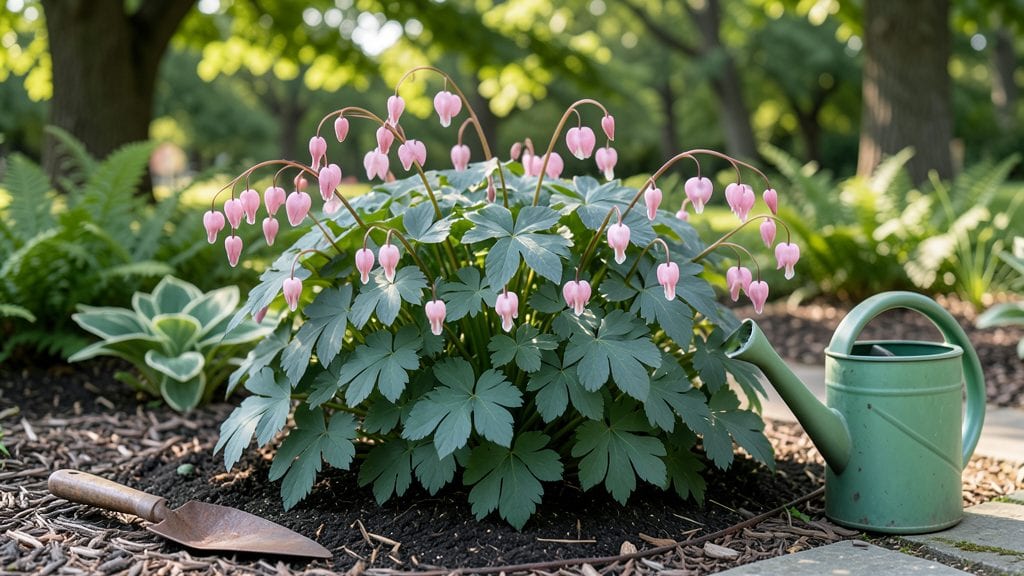
Bleeding heart perennial flowers bring dreamy, heart-shaped blooms that thrive where most perennials falter—especially in the Pacific Northwest’s damp, cool climate. 🌿 I’ve grown them for years, and they’ve become my go-to for shady corners where nothing else seems to take hold.
The secret isn’t complicated: these plants love moisture, rich soil, and a little afternoon shade to prevent wilting.
You’ll need well-draining soil mixed with compost, a spot with 4-6 hours of morning sun, and plenty of water—especially during their first year. Plant them 12-18 inches apart to give their delicate stems room to sway without crowding.
The payoff? Clusters of pink, white, or red heart-shaped flowers that appear in spring and sometimes linger into early summer.
Once established, they’re low-maintenance—just mulch annually to retain moisture and fertilize lightly in early spring. Prune back the foliage in fall to keep the crowns tidy, and watch as they bounce back stronger each year.
Even in winter, their frost-resistant roots stay dormant, ready to burst into bloom again when temperatures rise.
Perfect for woodland gardens, under trees, or along shady fences. They pair beautifully with ferns, hostas, and other shade-loving perennials, creating a lush, romantic backdrop for any garden. Ready to add this classic to your shade garden? Let’s get planting!
📚 In This Guide
- What you need
- Instructions
- Tips and common mistakes
- Wrapping up and next steps
What you need
- ● Bleeding heart plants: 6–12 Dicentra spectabilis (standard bleeding heart) or Dicentra formosa (Pacific coast bleeding heart) tubers or transplants
- ● Organic potting mix: 50 lbs (for containers) or 1–2 cubic yards (for in-ground planting)
- ● Soil amendments: 10 lbs compost or well-rotted manure
- ● 2 lbs bone meal (for phosphorus-rich soil)
- ● Tools: Garden trowel or transplant spade
- ● Garden fork (for loosening soil)
- ● Watering can or hose with a gentle spray nozzle
- ● Pruners (for trimming dead foliage)
- ● Location: Partial to full shade (4–6 hours of dappled sunlight daily)
- ● Well-draining, moist (but not soggy) soil
- ● Mulch (2–3 inches of shredded bark or leaves to retain moisture)
- ● Slow-release fertilizer (balanced 10-10-10 or organic options like fish emulsion)
- ● Garden stakes or trellis (for supporting taller varieties like Dicentra eximia)
- ● Seed-starting kit (if propagating from seed—requires patience and a cold frame!)
- ● Soil pH tester (ideal range: 6.0–7.0)
Step-by-Step guide to planting and caring for bleeding heart perennials
Here's how to establish these shade-loving beauties with minimal fuss—ideal for Pacific Northwest gardens.
🌱 Step 1: Select the Perfect Planting Location
Bleeding hearts thrive in partial to full shade—think dappled sunlight or morning sun with afternoon shade. In the Pacific Northwest, a north-facing spot or east-facing bed works best. Avoid harsh afternoon sun, which can scorch their delicate foliage. I always test the spot by placing a white board where the plant will go—if it gets more than 4 hours of direct sun, move it to a shadier location.
These perennials prefer well-draining soil with consistent moisture but hate soggy roots. If your garden soil drains poorly, amend it with 2-3 inches of organic compost mixed into the top 12 inches of soil. Bleeding hearts grow best in slightly acidic to neutral soil (pH 6.0-7.0)—test your soil if unsure, as Pacific Northwest clay can be naturally alkaline.
🪴 Step 2: Prepare the Planting Site and Transplant
Dig holes twice as wide as the root ball but only as deep as the container's root base. This prevents burying the crown too deeply, which can cause rot. Gently remove the plant from its container and loosen any circling roots with your fingers—this encourages outward growth rather than root-bound stress. I always water the root ball thoroughly before planting to reduce transplant shock.
Place the plant in the hole so the top of the root ball sits level with the surrounding soil. Fill the hole with native soil mixed with compost (about 1 part compost to 3 parts soil) to improve fertility. Press the soil lightly around the roots to remove air pockets, then water deeply to settle everything. You'll know it's right when the soil surface looks slightly damp but not glistening.
💧 Step 3: Water and Mulch for Long-Term Success
Water the newly planted bleeding heart deeply once a week during the first growing season, aiming for 1 inch of water per week. In the Pacific Northwest's cool, damp climate, you'll rarely need to water more than this unless you're in a particularly hot microclimate. Check moisture by sticking your finger 2 inches into the soil—if it feels dry, water again.
Apply a 3-inch layer of organic mulch (like shredded bark or wood chips) around the base, keeping it 2 inches away from the stem to prevent rot. Mulch helps retain moisture and keeps roots cool during summer heatwaves. Replenish the mulch layer annually in early spring—this is the secret to their long-term vigor in our region.
☀️ Step 4: Provide Seasonal Care for Year-Round Beauty
Bleeding hearts go dormant in late summer or early fall, so stop fertilizing after mid-July to encourage natural dormancy. In spring, apply a balanced, slow-release fertilizer (10-10-10) at half strength when new shoots emerge—this gives them a gentle boost without overstimulating growth. I always fertilize after the first flush of leaves appears, around late March to early April in the PNW.
Deadhead spent blooms in early summer to encourage a second, often lighter flush of flowers. However, leave the seed pods if you want self-seeding—just remove them before they release seeds if you prefer to control propagation. In fall, cut back the foliage to 4-6 inches above the ground once it turns yellow, but leave the stems if you're in a cold winter area—they provide some insulation for the crown.
Tips & tricks for perfect bleeding heart perennial planting
Real talk: These shade-loving beauties reward patience—here’s how to set them up for years of effortless blooms.
Site Selection Secret: That white board test in Step 1 is your best friend. In the Pacific Northwest, even morning sun can be too intense—if your test board shows more than 4 hours of direct sun, move your spot east or add shade from nearby trees. I’ve seen bleeding hearts struggle in "shady" spots that still get reflected light from neighboring homes. Look for areas where the ground stays cool to the touch even in summer afternoons.
Root Health Rescue: When loosening circling roots in Step 2, don’t just pull—they’ll tear. Instead, gently tease them apart with your fingers or a chopstick, working from the outside in. This prevents root damage that can lead to transplant shock. I once planted a bleeding heart without loosening roots, and it took two full seasons to recover—don’t make my mistake! Also, that deep watering before planting isn’t optional: it hydrates the roots so they can focus on establishing rather than recovering from drought stress.
Mulch Mastery: The 3-inch mulch layer in Step 3 isn’t just decoration—it’s insulation. In our region’s wet winters, mulch prevents soil temperature swings that can stress roots. I’ve noticed bleeding hearts in unmulched beds develop fungal issues during our damp springs. Keep that mulch 2 inches from the stem to prevent rot, and refresh it every spring before new growth appears. The annual replenishment is what keeps these perennials thriving for decades.
Fertilizer Timing: That mid-July cutoff in Step 4 is crucial—late summer feeding can stimulate tender new growth that won’t survive our winters. I’ve seen bleeding hearts develop winter dieback from over-fertilizing. For the spring application, use that half-strength fertilizer right after the first leaves appear (around late March in the PNW)—this gives them energy without overwhelming their root systems. And here’s a pro move: mix a handful of bone meal into the planting hole at transplant time for extra phosphorus to support those dramatic blooms.
Pro Tips for Bleeding Heart Perennial Flowers
- Real talk: These shade-loving beauties reward patience—here’s how to set them up for years of effortless blooms.
- Site Selection Secret: That white board test in Step 1 is your best friend.
- Root Health Rescue: When loosening circling roots in Step 2, don’t just pull—they’ll tear.
Frequently asked questions
Got questions about growing bleeding heart perennials in the Pacific Northwest? You’re not alone! Here are some of the most common concerns—and their answers—to help you cultivate these frost-resistant beauties with confidence.
When is the best time to plant bleeding heart flowers in the PNW?
Plant them in early spring (March–April) or early fall (September–October) for the best root establishment. Avoid summer heat—these plants prefer cooler temperatures. If transplanting, water deeply after planting to reduce shock. Pro tip: Mulch with shredded bark to retain moisture and protect roots from winter chill!
How cold can bleeding hearts tolerate in the Pacific Northwest?
These perennials are hardy to USDA Zones 3–9, making them perfect for the PNW’s frosty winters. They thrive in full to partial shade and can handle light freezes, but heavy snow or ice may damage foliage. If your winters are extreme, add a thick layer of mulch (3–4 inches) to insulate roots. Most varieties bounce back beautifully in spring!
Why aren’t my bleeding hearts blooming this year?
No blooms? Don’t panic! These plants often skip a year to build energy, especially if newly planted. Other culprits:
- Too much sun (they prefer shade)
- Poor soil drainage (they hate soggy roots)
- Over-fertilizing (they’re low-maintenance!)
What are some low-maintenance alternatives to bleeding hearts?
If bleeding hearts feel too fussy, try these PNW-friendly perennials with similar shade-loving charm:
- Astilbe – Feathery plumes, thrives in wet soil
- Hosta – Bold foliage, drought-tolerant once established
- Lungwort (Pulmonaria) – Early blooms, deer-resistant
- Japanese Painted Fern – Unique foliage, minimal care
How do I prevent bleeding hearts from flopping over?
These plants can get top-heavy with blooms, leading to flopping. To keep them upright:
- Plant in well-draining soil to avoid weak stems
- Use cage-like supports (like tomato cages) or stakes for taller varieties
- Prune spent blooms to encourage bushier growth
- Choose dwarf varieties (like Dicentra spectabilis ‘Alba’) if space is tight
Wrapping up and next steps
Transforming your Pacific Northwest garden into a lush, frost-resistant paradise with bleeding heart perennials is easier—and more rewarding—than you think! 🌿 These stunning flowers bring year-round charm, resilience, and a touch of romantic beauty to your outdoor space.
Whether you're a seasoned gardener or just starting, now’s the perfect time to plant, nurture, and enjoy the magic of these hardy blooms.
Ready to dive in? Start small—pick a sunny or partially shaded spot, gather your supplies, and let nature do the rest! With a little patience and care, your garden will soon burst with vibrant, heart-shaped blooms that stand up to even the coldest winters.