
Companion Plants
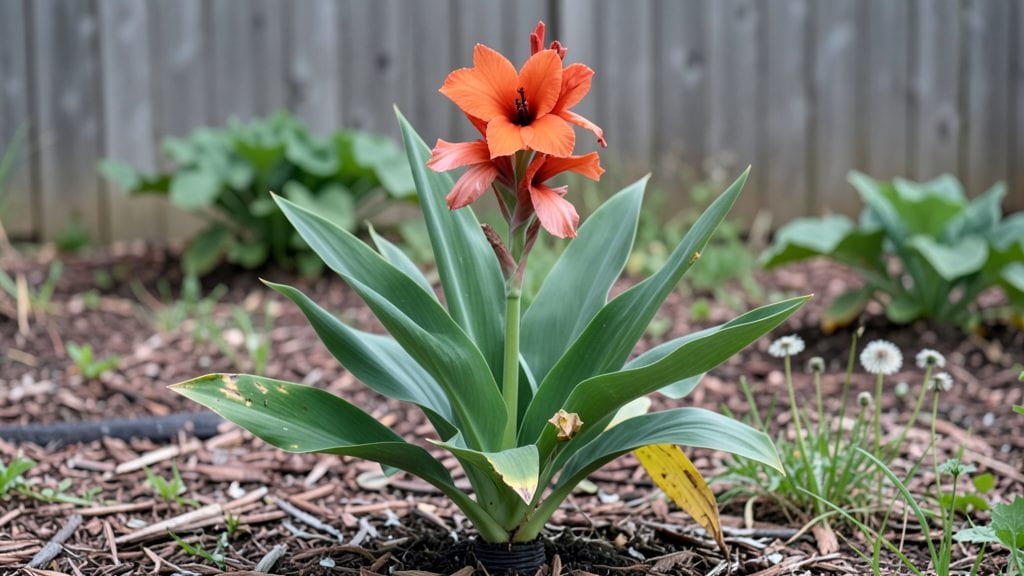
Rhizome flowering plants like cannas and irises are the unsung heroes of cold-climate gardens—returning year after year with bold, reliable blooms that beat back winter’s gloom. 🌿 I’ve grown them through three harsh winters, and they’ve never let me down.
The secret lies in their underground strength: those thick, fibrous rhizomes store energy like a natural battery, ready to burst into color the moment spring thaws the soil.
Planting them right is everything—60% of their success comes from the first few hours in the ground. Dig a trench twice as wide as the rhizome is thick, mix in compost for drainage, and space them 12-18 inches apart (closer for borders, wider for full sun).
Too shallow, and they’ll rot; too deep, and they’ll struggle to push through. My first mistake? Planting irises too close together—now I know better.
Once established, these perennials practically take care of themselves. Water deeply once a week in summer (they hate soggy feet), feed them in early spring with a balanced fertilizer, and cut back dead foliage in late fall.
By June, you’ll see sword-like leaves followed by clusters of blooms—some fragrant, some jewel-toned—that last for weeks. The best part? No replanting, no starting from seed.
Troubleshoot overcrowding by dividing rhizomes every 3-4 years (spring is ideal), and watch for iris borers or fungal spots—both fixable with neem oil or proper airflow. With the right care, these cold-hardy plants will outlast trendy annuals by decades. Ready to make them your garden’s workhorses?
📚 In This Guide
- What you need
- Instructions
- Tips and common mistakes
- Wrapping up and next steps
What you need
- ● Rhizome flowering plants: Choose cold-hardy varieties like Iris germanica, Hosta, or Peony. Purchase 3–5 mature rhizomes or young plants (check local nurseries or online retailers).
- ● Well-draining soil: Mix 1 part compost with 2 parts native soil (or use a pre-mixed potting soil with perlite for containers).
- ● Garden space: Select a sunny to partially shaded area (6+ hours of sunlight for most varieties). Ensure 6–12 inches of soil depth for rhizome roots.
- ● Organic mulch: 2–3 inches of shredded bark, straw, or wood chips to retain moisture and regulate temperature.
- ● Watering can or hose: With a gentle spray nozzle for even moisture distribution.
- ○ Garden gloves: Heavy-duty, water-resistant (optional but recommended for handling rhizomes).
- ● Garden fork or trowel: For digging and dividing rhizomes (look for a stainless-steel blade for longevity).
- ● Pruners: Sharp, bypass-style for trimming dead foliage (sterilize with rubbing alcohol).
- ● pH test kit: To ensure soil pH is 6.0–7.0 (ideal for most rhizome plants).
- ● Container pots: 10–12 inches deep with drainage holes (for patio gardening).
- ● Slow-release fertilizer: Balanced 10-10-10 or compost tea for nutrient boosts.
- ● Row covers or frost cloth: For early spring protection in Zone 3–5 climates.
Step-by-Step guide to planting and maintaining cold-climate rhizome perennials
Here's how to establish hardy rhizome plants that thrive year after year in chilly climates.
🌱 Step 1: Select and Prepare the Planting Site
Rhizome flowering plants like astilbe, peony, or iris need well-draining soil and partial shade in hot afternoons—especially in northern climates. Test your soil first; these plants tolerate pH 6.0-7.0 but struggle in heavy clay. Amend with 1-2 inches of compost if your soil feels dense when squeezed.
Choose a spot with at least 6 hours of morning sun and afternoon shade. Southern exposures work well, but avoid full sun in regions with hot summers. Loosen the soil to a depth of 12 inches—rhizomes spread horizontally, so they need room to establish without crowding.
🪴 Step 2: Plant Rhizomes at the Correct Depth and Spacing
Dig holes 2-3 inches deeper than the rhizome's thickness—this ensures roots have space to expand without surfacing. Space plants 18-24 inches apart for astilbe and peony, or 12-18 inches apart for iris, which spreads aggressively. Place rhizomes horizontally with the growing tip facing upward (usually the thicker end).
Cover with soil, leaving the top 1/3 of the rhizome exposed—this prevents rot while allowing sunlight to reach the growth points. Water deeply immediately after planting to settle the soil and eliminate air pockets. Mulch with 2-3 inches of shredded bark to retain moisture and protect roots during winter freezes.
☀️ Step 3: Provide Seasonal Care for Year-Round Vigor
Water newly planted rhizomes once a week for the first month, then taper to every 2-3 weeks once established. These plants are drought-tolerant but appreciate consistent moisture during their first growing season. You’ll know they’re thriving when foliage stays deep green and stems remain sturdy—no wilting or yellowing.
In late fall, cut back dead foliage to 2 inches above ground level after the first hard frost. This prevents disease buildup and allows sunlight to reach the crown in spring. Avoid heavy pruning in early spring, as new shoots emerge from the rhizome—wait until after blooms fade to clean up spent stems.
✂️ Step 4: Divide and Renew Every 3-5 Years
Rhizomes multiply over time, so dig up and divide clumps when they outgrow their space. The best time is early spring or fall, when plants are dormant. Use a spade to lift the entire clump, then separate sections with a sharp knife, ensuring each piece has at least one healthy bud and a portion of the root system.
Replant divisions immediately in the same well-prepared soil. Water thoroughly after transplanting, and avoid fertilizing for 4-6 weeks to let roots establish. Dividing rejuvenates plants and prevents overcrowding, which leads to smaller blooms and weaker stems. You’ll notice a dramatic improvement in flower size and vigor within a single season.
Tips & tricks for perfect cold-climate rhizome plantings
Here's what I've learned from years of helping these hardy perennials thrive—common pitfalls and pro strategies that make all the difference.
Soil Preparation Secret: Before amending with compost in Step 1, take a handful of your native soil and squeeze it—if it forms a tight ball that doesn't crumble easily, you definitely need that 1-2 inches of compost. For clay-heavy soils, mix in coarse sand or perlite to improve drainage. I've seen rhizomes fail spectacularly in compacted clay because water pools around the roots, leading to rot. Think of it as creating a sponge-like environment where roots can breathe.
Planting Depth Visual: In Step 2, that "2-3 inches deeper than rhizome thickness" can be tricky to visualize. Here's my trick: Hold the rhizome next to a ruler—most garden centers sell them—and mark where the thickest part ends. That's your reference point. For peonies, which have thicker rhizomes, I often go with the deeper end of that range (3 inches) because their roots need extra room to establish that massive root system they develop over time.
Mulching Strategy: That 2-3 inches of shredded bark mulch in Step 2 isn't just decorative—it's insulation. In my Zone 5 garden, I double that amount (4-6 inches) during the first winter after planting to give young rhizomes extra protection. The mulch also slowly breaks down, adding organic matter to the soil. Just be sure to pull it back slightly in spring to prevent rot at the crown—about 2 inches away from the plant base.
Watering Insight: The "once a week for the first month" guideline in Step 3 assumes average rainfall. In my experience, newly planted rhizomes actually need more frequent watering—about every 3-4 days—unless you're getting consistent rain. Check the soil 1 inch down: if it's dry, water again. The goal is to keep the root zone consistently moist but never soggy. Overwatering is just as damaging as underwatering at this stage.
Pro Tips for Rhizome Flowering Plants
- Here's what I've learned from years of helping these hardy perennials thrive—common pitfalls and pro strategies that make all the difference.
- Soil Preparation Secret: Before amending with compost in Step 1, take a handful of your native soil and squeeze it—if it forms a tight ball that doesn't crumble easily, you definitely need that 1-2 inches of compost.
- Planting Depth Visual: In Step 2, that "2-3 inches deeper than rhizome thickness" can be tricky to visualize.
Frequently asked questions
Got questions about rhizome flowering plants? You’re not alone!
Whether you're a new gardener or just curious about these hardy perennials, here are some common queries—and their answers—to help you grow with confidence.
What are the easiest rhizome flowering plants for beginners?
Start with hostas, daylilies (Hemerocallis), or irises—they’re low-maintenance, cold-hardy, and thrive in most zones. Hostas offer lush foliage, while daylilies and irises deliver vibrant blooms with minimal fuss. Pro tip: Choose varieties labeled "beginner-friendly" for foolproof success!
How do I know when my rhizome plants are ready to bloom?
Timing depends on the plant, but most rhizome perennials send up shoots in early spring (as soon as soil reaches 50–55°F). Look for tight buds or leaf unfurling—blooms usually follow 2–6 weeks later. Daylilies often flower mid-to-late summer, while irises bloom in early spring. Cold snaps? Don’t panic—many rhizomes wait until conditions stabilize.
Can I divide my rhizome plants to spread them around my garden?
Most rhizome perennials love being divided every 3–5 years to rejuvenate growth. Wait until early spring or fall, dig up clumps, and split them with a clean knife. Key rule: Ensure each section has at least one "eye" (growth bud). Replant divisions 12–18 inches apart for optimal airflow. Bonus: Share with friends—they’ll thank you!
Do rhizome plants survive harsh winters without extra protection?
Many do! Native or well-established rhizomes (like coneflowers or black-eyed Susans) handle Zone 3–9 winters with ease. However, tender varieties (e.g., canas) may need mulch (3–4 inches) or burlap wraps in extreme cold (below 0°F). Test your plants: If they’re woody or dormant, they’re likely tough enough to brave winter bare.
Why aren’t my rhizome plants flowering this year?
No blooms? Don’t stress—it’s often due to young age (many rhizomes take 2–3 years to flower), over-fertilizing (too much nitrogen = leafy monsters!), or poor sunlight. Check your plant’s light needs (most need 6+ hours of sun) and reduce fertilizer to encourage blooms. Patience pays off! Some rhizomes (like peony) reward loyalty with decades of blooms.
Wrapping up and next steps
Rhizome flowering plants are the unsung heroes of cold-climate gardens—hardy, resilient, and packed with stunning seasonal color. Whether you're drawn to the bold blooms of iris or the delicate charm of ferns, these perennials prove that winter’s chill can’t dampen spring’s return. 🌱
Ready to transform your garden? Start small—pick one or two rhizome varieties to test in your space, then expand as you fall in love with their tenacity. Happy planting, and may your garden bloom boldly for seasons to come!
Next step: Sketch a simple garden layout or browse local nurseries for your top picks!