
Propagation
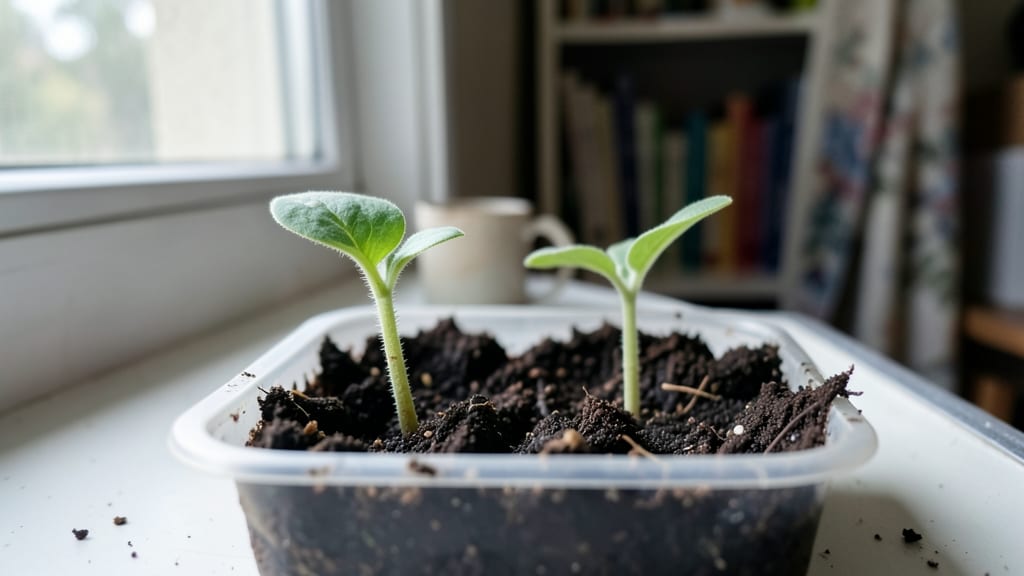
Sprouting sunflower seeds in just three days feels like magic—until you know the trick. 🌱 I’ve watched these giant seeds crack open into tiny green shoots faster than any other plant I’ve grown, and it’s all about the right conditions.
The secret isn’t expensive gear or fancy techniques; it’s matching moisture, warmth, and darkness to what sunflowers naturally crave when they first wake up.
You’ll need large sunflower seeds (heirloom varieties sprout best), a shallow container, damp paper towels or a seed-starting mix, and a warm spot. No fancy setups here—just what you already have at home.
The key is keeping everything consistently moist but not soggy, and giving those seeds 24 hours of darkness before they see light. That’s when the real transformation begins.
By day three, you’ll see those first peepers breaking through—tiny, vibrant green hooks that’ll soon stretch toward the light. These sprouts are tougher than they look, and you’ve got options: transplant them into soil for towering sunflowers or snack on them raw as nutritious microgreens.
Either way, you’re looking at fast results with minimal effort.
This method works year-round, whether you’re prepping for spring planting or just experimenting indoors. The only real mistake is overwatering or letting them dry out—both kill germination faster than anything else. Let’s get those seeds sprouting!
📚 In This Guide
- What you need
- Instructions
- Tips and common mistakes
- Wrapping up and next steps
What you need
- ● Sunflower seeds: 1 cup (about 150–200 seeds) – Choose heirloom or organic varieties like Russian Mammoth or Sunflower ‘Autumn Beauty’ for best results.
- ● Growing container: A shallow tray (8x12 inches) or any container with drainage holes (e.g., plastic bin, mason jar with a mesh lid, or a repurposed food container).
- ● Water: Room-temperature or slightly warm (not hot!).
- ● Paper towels or sprouting lid: 2–3 sheets of unbleached paper towels or a mesh sprouting lid for airflow.
- ○ Spray bottle (optional but helpful): For gentle misting to keep seeds moist.
- ○ Small fan (optional): A desk fan on low to improve airflow and prevent mold.
- ● Warmth: Keep seeds in a spot between 65–75°F (18–24°C)—a sunny windowsill or warm kitchen counter works great!
- ● Patience (but just for 3 days!): Sunflower sprouts grow fast—no waiting weeks like some seeds.
- ● Clean workspace: Rinse containers and tools with mild soap and water to avoid bacteria.
Step-by-Step guide to fast sunflower germination
Here's how to coax those sunflower seeds into sprouts in just three days—no patience required.
🌱 Step 1: Soak Seeds Overnight for Quick Activation
Place 4 sunflower seeds in a small bowl and cover them completely with lukewarm water (about 75°F). Let them soak for 12 hours—this softens the seed coat and jumpstarts germination. You'll see tiny white roots emerge within hours of soaking, which is your first sign of success.
Here's the thing—don't skip this step. The reason we soak the seeds is that the outer coating slows germination, and a 12-hour soak in lukewarm water softens it considerably. If you're in a hurry, you can even soak them for 16 hours, but no longer or they risk rotting.
💧 Step 2: Set Up a Humid, Warm Germination Station
Line a 9x13-inch baking dish with 2 paper towels and dampen them thoroughly with clean water—squeeze out excess so they're moist but not dripping. Arrange the soaked seeds 1 inch apart in a single layer, then fold the towels over them to keep them enclosed and humid. Place the dish in a warm spot (around 70-75°F) like on top of the fridge or near a sunny window.
Check the towels every 8 hours and mist them lightly with water if they feel dry. The goal is to maintain constant moisture—if the seeds dry out, germination slows or stops. You'll see the first green shoots appear in 24-48 hours, which is when the magic really happens.
☀️ Step 3: Transfer to Light for Rapid Growth
Once the sprouts reach 1-2 inches tall (usually by day 3), it's time to move them to a bright, sunny window or under a grow light. Place them in a small pot with 1 inch of moist potting mix, burying the sprout up to its first set of leaves. Press the soil gently around the stem to secure it without compacting.
Sunflowers are greedy for light, so position them within 4-6 inches of a south-facing window or under a full-spectrum LED grow light for 12-14 hours daily. Watch for the first true leaves (not the initial seed leaves)—this confirms they're thriving. If the stems stretch too tall or look weak, your light source isn't strong enough.
🪴 Step 4: Maintain Moisture and Monitor Progress
Water the sprouts gently whenever the top inch of soil feels dry, using a spray bottle to avoid disturbing the delicate stems. Sunflowers need consistent moisture but hate soggy soil—drainage is key. If you notice the leaves yellowing or wilting, you're either overwatering or underwatering.
By day 5-7, you should see multiple sets of true leaves and a sturdy stem. This is when they're ready for transplanting into larger pots or the garden. Real talk: if you're growing them indoors, now's the time to invest in a 5-gallon container—they'll need space to grow.
Tips & tricks for perfect sunflower sprouts
Here's what nobody tells you about speeding up your sunflower germination game.
Soak Like a Pro: The 12-hour soak at 75°F is non-negotiable for breaking the seed coat's dormancy, but here's the trick: use a glass bowl so you can easily monitor water levels. Top off with fresh lukewarm water if it cools below 70°F—cold water slows germination. I've seen seeds start sprouting within 6 hours of soaking if conditions are ideal.
Humidity Hack: For Step 2, double up the paper towels if your kitchen feels dry—just use 4 instead of 2. The extra layer traps more moisture and creates a mini greenhouse effect. Place a small plate under the baking dish to catch any condensation that might drip, preventing soggy towels that could rot your seeds.
Light Positioning: When transferring to light in Step 3, position your grow light or window within 4-6 inches—closer than you think! I've had sunflowers lean dramatically toward light sources placed 8 inches away. For maximum growth, rotate your pot 180 degrees daily so stems grow straight rather than bending toward one light source.
Troubleshooting Weak Stems: If your sprouts develop long, leggy stems by day 3, they're not getting enough light. Move them immediately to a brighter location or increase grow light hours to 16 per day temporarily. These sunflowers are light-hungry from the start—don't let them stretch!
Pro Tips for Sprouting Sunflower Seeds
- Here's what nobody tells you about speeding up your sunflower germination game.
- Soak Like a Pro: The 12-hour soak at 75°F is non-negotiable for breaking the seed coat's dormancy, but here's the trick: use a glass bowl so you can easily monitor water levels.
- Humidity Hack: For Step 2, double up the paper towels if your kitchen feels dry—just use 4 instead of 2.
Frequently asked questions
Got questions about sprouting sunflower seeds?
Here are answers to the most common ones to help you grow crispy, nutritious sprouts like a pro!
How long does it take for sunflower seeds to sprout?
Sunflower seeds typically sprout in 3–5 days when kept in ideal conditions (warmth, moisture, and darkness). Our recipe speeds this up to just 3 days by soaking seeds overnight and rinsing them twice daily. Patience is key—don’t rush the process!
Can I sprout sunflower seeds in cold weather?
Sunflower seeds prefer warmth (60–75°F) to germinate quickly. If your space is chilly (<50°F), try placing your sprouting jar near a sunny window or use a seedling heat mat for 24 hours. Avoid refrigeration—it slows germination and risks mold.
Are sprouted sunflower seeds safe to eat raw?
Yes! Once sprouted, sunflower seeds are safe and delicious raw—just rinse them thoroughly to remove any seed hulls or bacteria. They add a crunchy, nutty flavor to salads, sandwiches, or yogurt. Pro tip: Eat them within 3–5 days of sprouting for peak freshness.
What if my sunflower seeds aren’t sprouting?
No sprouts? Check these fixes:
- Soak time: Ensure seeds soaked 8+ hours (overnight works best).
- Moisture: Rinse seeds 2x daily with fresh water and drain well.
- Temperature: Keep them in a warm spot (not cold or drafty).
- Seed quality: Use organic, raw sunflower seeds (roasted seeds won’t sprout).
Can I use sunflower seed shells for sprouting?
Yes! The outer shells (hulls) are edible and add fiber, but some prefer to remove them for a smoother texture. To remove hulls:
- Soak seeds in warm water for 12 hours.
- Rub them gently between your palms under running water.
- Hulls should separate easily—rinse and drain.
Wrapping up and next steps
Growing sprouting sunflower seeds in just three days is a rewarding and nutritious adventure—packed with flavor, crunch, and easy steps! Whether you’re a gardening newbie or a seasoned green thumb, this method proves that fresh, homegrown goodness is always within reach. 🌱✨
Now that you’re armed with the know-how, why not try it today? Start with a handful of seeds, experiment with flavors, and share your sunflower sprouts with friends or family. Every bite is a celebration of nature’s speed and simplicity—bon appétit!
Next steps:
- 🌱 Plant a batch this weekend and enjoy the magic of germination!
- 📸 Share your progress—tag us or post your sprouts online for inspiration.