
Size
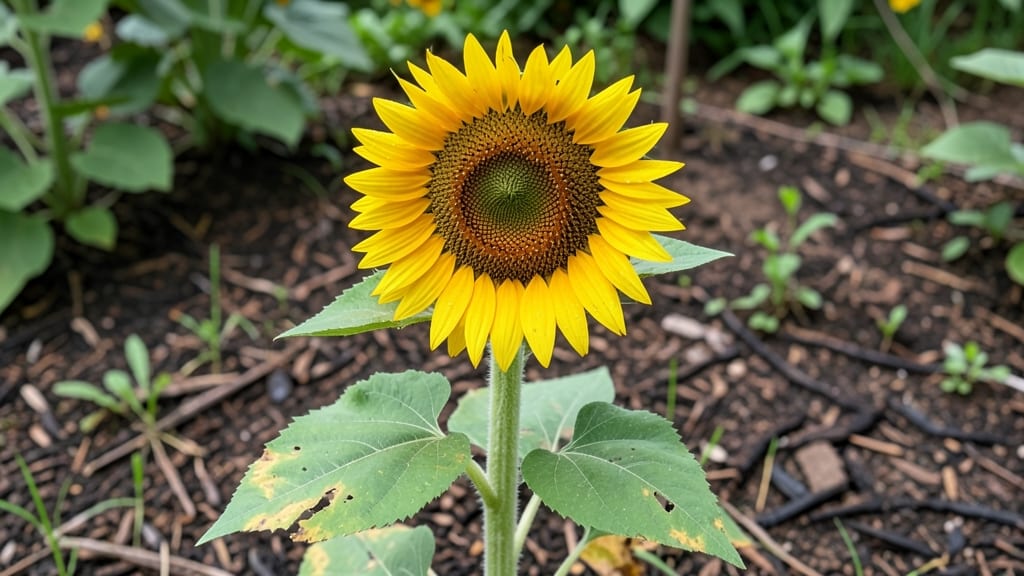
The astonishing sunflower growth rate—from soil to 7 feet in just seven days—happens when you nail timing, soil, and sunlight. I’ve watched them crack through damp earth like rockets, unfurling bright yellow faces before my morning coffee even cools.
The secret isn’t magic; it’s matching their insane growth speed with the conditions they crave: loose, nutrient-rich soil and 8+ hours of direct sun daily.
Most varieties sprout within 3–10 days of planting, with 1–2 inches of daily growth during peak summer stretches. My Mammoth Russian seedlings hit 6 feet by day 14 last year—all thanks to daily watering (not drowning) and a south-facing plot where the soil stayed warm.
The key? Consistency. Skip the shade or let the soil dry out, and you’ll stall their turbocharged ascent.
By week 3, you’ll see those iconic blooms opening like giant sun-catchers, and by week 6, they’re heavy with seeds.
The fastest growers—like Autumn Beauty or ProCut—can go from sprout to harvest in 80–90 days, while giants like Russian Mammoth take 100–120 days but reward you with 10-foot stalks. The trade-off? Patience for height, speed for smaller varieties.
This works for containers too—just use 5-gallon pots and stake them early. Whether you’re growing for cut flowers, bird feed, or just bragging rights, the same rules apply: warm soil, full sun, and no neglect. Ready to turn your patch into a sunflower speedway?
📚 In This Guide
- What you need
- Instructions
- Tips and common mistakes
- Wrapping up and next steps
What you need
- ● Sunflower seeds: Choose fast-growing varieties like Mammoth Russian or Autumn Beauty (10–20 seeds for a small patch, 50+ for a full garden). Opt for heirloom, non-GMO seeds for best results.
- ● Growing containers: 5-gallon pots (1 seed per pot) or a raised garden bed (12" spacing between seeds). For hydroponics, use a 5–7 gallon bucket with a net pot.
- ● Potting mix: Well-draining, sterile soil (e.g., Miracle-Gro Garden Soil or a 50/50 mix of compost and coco coir). Avoid garden soil with pests or diseases.
- ○ Watering can or hose: With a gentle spray nozzle (sunflowers hate soggy roots!). A drip irrigation kit is optional but handy for consistency.
- ● Fertilizer: Balanced 10-10-10 or 5-10-10 (organic options like fish emulsion or worm castings work too). Start with ½ tsp per plant at planting, then every 2–3 weeks.
- ○ Plant supports (optional):strong> Bamboo stakes (3–4 ft tall) or tomato cages to prevent flopping as they grow.
- ● Hand trowel (for planting seeds 1–1.5" deep).
- ● Measuring tape or ruler (to track growth and spacing).
- ● Pruning shears (for trimming dead leaves or harvesting).
- ● Gloves (to keep hands clean while handling soil).
- ○ Sunlight meter (optional)—sunflowers need 6–8+ hours of direct sun daily!
- ● Warmth: Sunflower seeds germinate fastest in soil temps 70–90°F (21–32°C). Use a seedling heat mat if starting indoors.
- ● Moisture: Keep soil consistently damp (not waterlogged) during germination. A spray bottle helps avoid disturbing seeds.
- ● Patience (but not too much!): Germination can take 7–14 days—stay consistent with care!
How to track and maximize sunflower growth speed
Here’s how to push sunflowers from sprouts to sky-scraping heights in record time.
Prep Soil for Lightning-Fast Germination
Sunflower seeds germinate fastest in warm, loose soil—70-80°F is ideal. I always work in well-draining mix (never compacted garden soil) because soggy conditions slow sprouting. Loosen the top 6 inches of soil with a fork or tiller to break up any clumps, then mix in 2-3 inches of compost for nutrients. The goal is a fluffy, crumbly texture that lets roots push through effortlessly.
Water the bed 24 hours before planting so moisture is evenly distributed but not pooling. You’ll know it’s ready when the soil feels like a damp sponge—press your finger in and watch it hold shape without dripping. This prep ensures seeds don’t dry out during the critical first 48 hours of germination.
Plant Seeds at the Right Depth and Spacing
Sunflower seeds are large, so plant them 1 inch deep—any deeper and they’ll struggle to reach the surface. I use my finger to make a hole, drop in 1-2 seeds per spot (just in case one fails), then cover lightly with soil. Space seeds 12 inches apart in rows 18 inches apart to prevent overcrowding as they shoot up. Real talk: Overcrowding stunts growth, so don’t skimp on space.
Water gently after planting to settle the soil around seeds. Avoid soaking—you’ll see the perfect moisture level when the surface looks slightly darker but not glistening. Keep the soil consistently moist (not soggy) until germination, which happens in 5-7 days at optimal temps. If your climate runs cooler, a black plastic mulch speeds soil warming and germination.
Provide Uninterrupted Sun and Support Early Growth
Sunflowers need full sun (6+ hours daily) from day one to avoid leggy, weak stems. Place them in the sunniest spot you have—even partial shade slows growth. Within 7-10 days, you’ll see the first true leaves (not the initial cotyledons) emerge. That’s your cue to stake or cage the plants immediately. I use 5-foot stakes driven 6 inches deep beside each seedling and tie stems loosely with soft twine as they grow.
Water deeply 2-3 times per week (about 1 gallon per plant) to encourage strong root development. You’ll know they’re thriving when leaves stay crisp and upright—wilting means it’s time to water. Avoid overhead sprinklers after germination to prevent fungal diseases like powdery mildew, which can halt growth overnight.
Monitor and Adjust for Peak Speed
Sunflowers grow 1-2 inches per day under ideal conditions. Track height weekly and adjust care as needed: If growth stalls, check for nutrient deficiencies (yellow leaves) or pests (chewed stems). I fertilize with balanced 10-10-10 every 3 weeks once plants hit 1 foot tall to fuel rapid vertical growth. Too much nitrogen early on leads to leafy but short stems—save it for later stages.
Watch for bolting (flower stalk formation) around 6-8 weeks. This is when growth really accelerates—you’ll see 3-4 inches per week if all conditions are met. If your sunflowers start leaning, gently guide stems toward the stake without bending them. A little support now prevents snapped stems later when they’re heavy with blooms.
Tips & tricks for maximizing sunflower growth speed
Here's what nobody tells you about pushing sunflowers from sprouts to towering heights in record time.
The Heat Factor: The 70-80°F soil temperature range is non-negotiable for fast germination. If your climate runs cooler, use a clear plastic dome or row cover over the planting area to trap heat during the day and retain warmth overnight. I've seen germination times cut from 7 days to just 3 days using this simple trick, especially in spring or fall plantings. The key is maintaining that consistent warmth during those critical first 48 hours when roots are establishing.
Timing Secret: That 24-hour pre-watering before planting isn't just about moisture—it's about creating the perfect soil environment. The soil should feel like a damp sponge when you press your finger in, with no excess water pooling. If your soil drains too quickly, mix in a bit of coconut coir or peat moss to help retain that moisture without becoming waterlogged. This preparation prevents the seeds from drying out during their first critical growth phase when they're most vulnerable.
Early Support Strategy: The 5-foot stakes you'll use in Step 3 aren't just for show—they're essential for maintaining that rapid growth rate. Install them immediately when you see the first true leaves emerge (around day 7-10), not when the plants are already leaning. Use soft twine or plant ties to loosely secure the stems, allowing room for growth. This prevents the energy-intensive process of constantly straightening plants as they grow, which would otherwise slow their vertical progress.
Nutrient Timing: Wait until your sunflowers reach 1 foot tall before introducing that 10-10-10 fertilizer every 3 weeks. Early fertilization with high nitrogen can actually stunt vertical growth by encouraging excessive leaf production. The balanced approach ensures your plants are getting the right nutrients at the right time—phosphorus for root development and potassium for stem strength—without the nitrogen overload that creates bushy but short plants. Think of it as feeding them for height, not bulk.
Pro Tips for Sunflower Growth Rate
- Here's what nobody tells you about pushing sunflowers from sprouts to towering heights in record time.
- The Heat Factor: The 70-80°F soil temperature range is non-negotiable for fast germination.
- Timing Secret: That 24-hour pre-watering before planting isn't just about moisture—it's about creating the perfect soil environment.
Frequently asked questions
Got questions about sunflower growth? You’re not alone! Here are answers to the most common queries about speeding up germination, maximizing height, and troubleshooting common issues.
How long does it take for sunflower seeds to germinate?
Sunflower seeds typically sprout within 7–14 days under ideal conditions (warm soil, 70–80°F, and consistent moisture). For faster results, soak seeds in warm water for 12 hours before planting or use a heat mat to boost germination speed. Patience pays off—some varieties may take up to 21 days!
Can I speed up sunflower growth after germination?
After sprouting, sunflowers thrive with full sunlight (6+ hours/day), rich soil, and regular watering (1–2 inches per week). Use a balanced fertilizer (10-10-10) every 3–4 weeks to fuel rapid growth. Avoid overwatering—sunflowers hate soggy roots!
Why isn’t my sunflower growing tall? Troubleshooting tips
Slow growth often stems from poor soil, lack of sunlight, or pests. Check for:
- Nutrient deficiency: Yellow leaves? Add compost or a phosphorus-rich fertilizer.
- Pests: Slugs or aphids? Use neem oil or row covers.
- Overcrowding: Space plants 12–24 inches apart for better airflow.
Can I grow sunflowers indoors or in containers?
Yes! Dwarf varieties (like ‘Teddy Bear’ or ‘Moulin Rouge’) thrive in 5-gallon pots with drainage holes. Place near a sunny window or use grow lights (14+ hours/day). Expect slower growth indoors—outdoor sunflowers grow 2–3x faster with natural sunlight.
What’s the fastest-growing sunflower variety?
For speed, choose ‘Russian Giant’ or ‘Mammoth’—they can grow 4–5 inches per day in peak season! For compact options, ‘Autumn Beauty’ reaches 5–6 feet in 80–100 days. Always check seed packets for variety-specific growth rates.
Pro Tip:
Track your sunflower’s growth with a growth chart! Measure height weekly and adjust care (water, sunlight, fertilizer) based on progress. Happy growing!
Wrapping up and next steps
Watching sunflowers sprout in just 7 days and grow into towering beauties is nothing short of magical! 🌻 With the right conditions—sunlight, soil, and patience—you can unlock their rapid growth potential. Whether you're a gardener or just curious, start small with a few seeds and let nature do the rest.
Ready to plant your first batch? Grab your supplies, follow the steps, and enjoy the journey from tiny seed to sun-soaked giant!