Planting
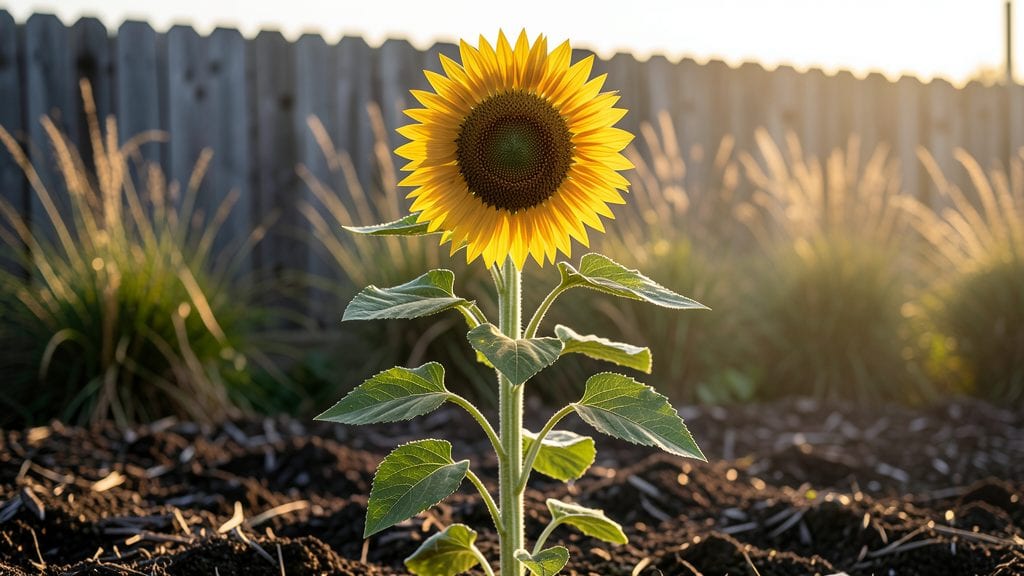
Growing a huge sunflower plant starts with the right variety—think Mammoth or Russian Giant, which can stretch 12-15 feet with proper care. 🌻 I’ve watched these giants emerge from tiny seeds into towering sentinels over just three months, their velvety petals catching the afternoon sun.
The secret isn’t just water or fertilizer; it’s the combination of deep, nutrient-rich soil and a spot where they’ll bask in full sun for 6-8 hours daily.
Begin with well-draining soil mixed with compost—sunflowers hate soggy roots. Plant seeds 1 inch deep, spacing them 6-12 inches apart to give their roots room to spread. Once sprouted, thin to the strongest stem, as competition weakens growth.
Feed with a balanced 10-10-10 fertilizer every 4-6 weeks, but avoid overdoing it—sunflowers thrive on simplicity, not excess.
By mid-summer, you’ll see rapid growth—some varieties add 2-3 inches per day under ideal conditions. Stake taller varieties early to prevent toppling in wind or rain, and watch as their blooms open into 10-inch-wide faces that attract bees and birds.
The payoff? A garden centerpiece that turns heads and provides edible seeds for birds—or your kitchen table.
Adapt this method for containers (use 5-gallon pots for smaller varieties) or urban spaces by choosing dwarf types like American Giant. Just remember: patience is key—these giants need time to build strong stems before they reach their full, breathtaking height.
📚 In This Guide
- What you need
- Instructions
- Tips and common mistakes
- Wrapping up and next steps
What you need
- ● Sunflower Seeds: Choose giant varieties like 'Mammoth' or 'Russian Giant' (10-20 seeds for a single plant).
- ● Well-draining Soil: 5-10 gallons of loamy, nutrient-rich soil (mix in compost for extra nutrients).
- ● Garden Space: Outdoor: Full sun (6+ hours daily) and 6+ feet of vertical space (sunflowers can grow 10-12 feet!).
- ● Container: A 5-gallon pot (minimum 12" diameter) with drainage holes.
- ● Watering Can or Hose: With a gentle spray nozzle to avoid disturbing seedlings.
- ● Fertilizer: Balanced 10-10-10 or compost tea (apply at planting and mid-growth).
- ○ Stakes or Trellis (Optional but Recommended): 6-8 foot tall for support (bamboo or metal works best).
- ● Gloves (to protect hands from thorns and soil).
- ● Trowel or Hand Shovel (for planting seeds 1-2 inches deep).
- ● Pruners (for trimming dead leaves or side shoots).
- ● Measuring Tape (to track growth progress!).
- ● Warm weather (70°F+ for germination).
- ● Patience! Sunflowers take 90-120 days to bloom fully.
- ● Consistent care (watering, staking, and monitoring for pests).
Step-by-Step guide to growing towering sunflowers
Here’s how to coax those dramatic, 10-foot stalks from tiny seeds—using proven techniques I’ve perfected over years of trial (and a few flopped giants).
🌱 Step 1: Start Seeds Early in Warm Soil
Sunflowers demand warmth to germinate—75-85°F is ideal. I plant seeds 4-6 weeks before the last frost in biodegradable pots (no transplant shock) filled with sterile seed-starting mix. Press each seed 1 inch deep—deeper than most guides suggest, because sunflower roots need room to anchor.
Cover the pots with clear plastic wrap to trap heat and moisture. Place them on a seedling heat mat (or near a sunny window) until sprouts appear in 7-10 days. Here’s the thing—if your soil stays cooler than 65°F, germination slows dramatically. Check soil temp with a thermometer if sprouts don’t emerge.
☀️ Step 2: Harden Off and Transplant at the Right Time
Wait until nighttime temperatures stay above 55°F before moving seedlings outdoors. I start by placing them in a sheltered spot for 1-2 hours on day one, then gradually increase exposure over 7-10 days. This toughens stems so they don’t snap when winds hit.
Transplant on a cloudy day to reduce stress. Bury the entire pot 1-2 inches deep—sunflowers grow from the base, and extra soil encourages stronger roots. Space plants 2-3 feet apart (they’ll need room to sway in breezes). If you’re growing 4 plants, arrange them in a square for balanced sunlight.
💧 Step 3: Water Deeply and Fertilize for Height
Sunflowers drink 1-2 gallons of water per plant weekly—more in dry spells. Water at the base, not the leaves, to prevent mildew. I use a soaker hose to deliver moisture slowly, which keeps stems sturdy. Avoid overhead sprinklers after noon; wet foliage in hot sun burns leaves.
Feed plants every 2 weeks with a balanced 10-10-10 fertilizer (diluted to half strength) until buds form. Once the flower head appears, switch to a low-nitrogen, high-phosphorus fertilizer to boost bloom size. Too much nitrogen = leafy stalks, not towering stems.
✂️ Step 4: Support and Prune for Maximum Height
Sunflowers need sturdy support—I drive 6-foot bamboo stakes into the ground beside each plant and tie stems loosely with soft garden twine. Check ties weekly; stems thicken as they grow, so adjust as needed. If a plant leans, gently guide it upright without restricting growth.
Remove side shoots (small stems branching from the main stalk) when they’re 2-3 inches tall. These divert energy from the main flower. Also, snip lower leaves that touch the soil to improve airflow and prevent rot. This pruning might seem harsh, but it directs all resources upward.
🌿 Step 5: Harvest and Preserve Your Giants
Watch for drooping petals—that’s your cue the flower is ready. Cut stems 4-6 inches below the bloom with clean pruners on a dry morning. Hang them upside down in a well-ventilated, dark space for 2-3 weeks to dry completely.
Once fully dry, remove petals and strip seeds from the head. Spread seeds on a tray in direct sunlight for another 1-2 weeks to cure. Store in an airtight container in a cool, dark place. You’ll have 4 stunning sunflowers to enjoy—or share—plus seeds for next year’s even taller giants.
Tips & tricks for perfect towering sunflowers
Growing sunflowers that reach for the sky takes more than just planting seeds—it's about understanding their needs at every stage. Here's what I've learned from years of growing these giants.
Soil Temperature Matters: The ideal germination temperature of 75-85°F is non-negotiable. If your soil stays below 65°F, germination slows dramatically. I've seen seeds take twice as long to sprout when soil temperatures dip. Use a soil thermometer to monitor conditions—it's the only reliable way to ensure consistent germination. For extra warmth, place pots on a seedling heat mat or near a sunny window with clear plastic wrap to trap heat.
Transplanting Technique: In Step 2, when you're hardening off seedlings, don't rush the process. Start with just 1-2 hours of exposure on day one, then gradually increase over 7-10 days. This gradual acclimation prevents transplant shock that can stunt growth. Also, bury the biodegradable pots 1-2 inches deep when transplanting—this encourages stronger root development from the base, which is crucial for supporting those towering stalks.
Watering Wisdom: The 1-2 gallons of water per plant weekly is a baseline, but don't be afraid to increase during dry spells. I've found that sunflowers actually thrive with slightly more water than most guides suggest—just make sure it's delivered at the base using a soaker hose. This method prevents mildew while keeping stems sturdy enough to support their own weight. Avoid overhead watering after noon to prevent leaf burn from the intense sun.
Support System: The 6-foot bamboo stakes mentioned in Step 4 are essential, but here's what nobody tells you—they need to be placed immediately after transplanting, not when plants start leaning. I've seen sunflowers grow so fast that waiting even a week can leave them vulnerable to wind damage. Use soft garden twine to loosely tie stems, checking weekly as stems thicken. The key is to provide support without restricting growth—think of it as a gentle guidance system for your sunflowers' upward journey.
Pro Tips for Huge Sunflower Plant
- Growing sunflowers that reach for the sky takes more than just planting seeds—it's about understanding their needs at every stage.
- Soil Temperature Matters: The ideal germination temperature of 75-85°F is non-negotiable.
- Transplanting Technique: In Step 2, when you're hardening off seedlings, don't rush the process.
Frequently asked questions
How tall can a sunflower plant grow in 90 days?
A huge sunflower plant like ‘Russian Giant’ or ‘Mammoth’ can reach 10–15 feet tall in just 90 days with proper care! Smaller varieties may max out at 4–6 feet. Give them full sun (6+ hours/day), rich soil, and consistent watering to hit that towering potential. Pro tip: Stake or cage them early to prevent flopping!
When is the best time to plant sunflower seeds for maximum height?
For a huge sunflower plant, plant seeds after the last frost when soil temps are above 50°F (10°C). In warm climates, aim for early spring (March–April); in cooler zones, wait until late May. Early planting gives them 90+ days of warm weather to grow tall before frost. Watch your local frost dates!
How often should I water a giant sunflower plant?
Water deeply 2–3 times per week (more in extreme heat) to encourage tall growth. Let the top 1–2 inches of soil dry out between waterings to prevent root rot. Mulch around the base to retain moisture and keep roots cool. Morning watering is best—it reduces evaporation and fungal risks. Overwatering = weak stems!
What if my sunflower plant isn’t growing tall? Troubleshooting tips.
If your huge sunflower plant is stunted, check these fixes:
Not enough sun? Move it to a sunnier spot (sunflowers need 6+ hours of direct light).
Poor soil? Amend with compost or a balanced fertilizer (10-10-10) at planting and mid-season.
Overcrowded? Thin seedlings to 12–18 inches apart for better airflow and growth.
Pests? Watch for aphids or beetles—spray with neem oil if needed.
Pro tip: Pinch off side buds early to redirect energy to the main stem!
Can I grow a huge sunflower in a pot? What’s the best container size?
Yes! Choose a 5-gallon pot or larger (at least 18–24 inches deep) with drainage holes. Use a lightweight potting mix and a trellis or stake for support. Dwarf varieties like ‘Teddy Bear’ work well in pots, but giant varieties may need extra care—consider a fabric grow bag for stability. Place in full sun and water frequently!
Wrapping up and next steps
Growing a huge sunflower plant in just 90 days is not only possible—it’s incredibly rewarding! With the right soil, sunlight, and care, you’ll be amazed by the towering beauty these giants bring to your garden.
Whether you’re a beginner or a seasoned gardener, this project is a fantastic way to connect with nature and enjoy stunning results.
Ready to take the next step? Grab your seeds, pick a sunny spot, and get planting! Share your progress with fellow gardeners or even enter a local flower show—your sunflower masterpiece deserves the spotlight. 🌻✨