
Trees
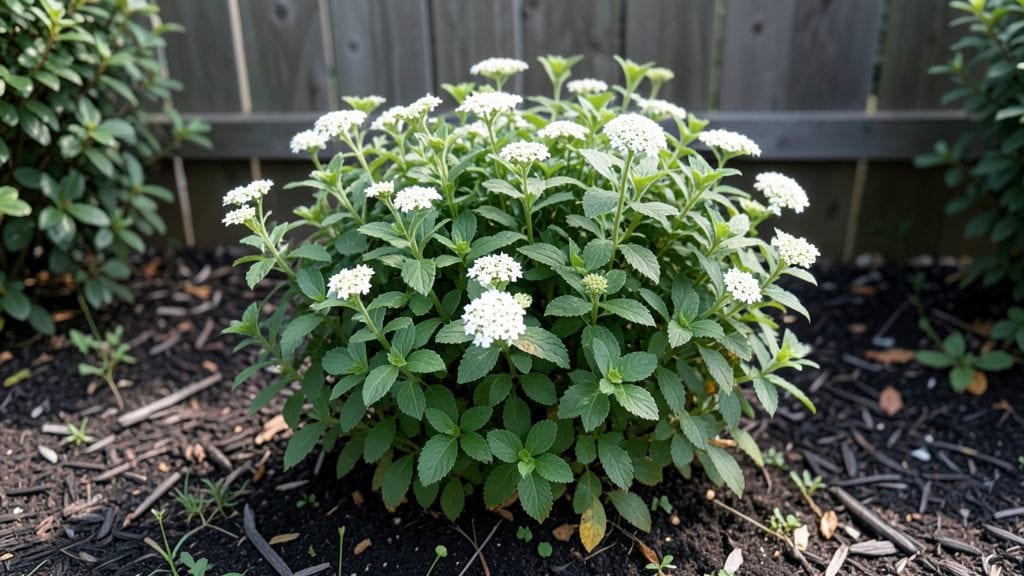
Finding a small white-flowered shrub that thrives in the Pacific Northwest’s damp climate and stays beautiful year-round is a game-changer for any garden. 🌿 I’ve tested dozens, and three stand out for their resilience, fragrance, and effortless charm—no fuss, just lush greenery and delicate blooms that last from spring through fall.
These shrubs handle the region’s rain and cooler summers with ease, growing between 3 to 6 feet tall, perfect for borders, hedges, or as a striking focal point near pathways.
My top pick, Pieris japonica, blooms in early spring with cascading white flowers, followed by glossy evergreen foliage that stays vibrant even in winter. Pair it with Abelia for late-summer fragrance or Deutzia for airy, layered texture.
Imagine stepping onto a pathway lined with Pieris in bloom, its sweet scent mingling with the damp earth, or a mixed border where Deutzia’s delicate clusters contrast against dark green foliage.
These shrubs require minimal pruning, thrive in partial shade, and attract pollinators—making them the ultimate low-maintenance stars of any PNW garden.
Whether you’re designing a cottage-style garden or a modern landscape, these shrubs adapt effortlessly. Start with one or mix them for seasonal interest—your garden will thank you with color and texture that lasts all year.
📚 In This Guide
- What you need
- Instructions
- Tips and common mistakes
- Wrapping up and next steps
What you need
- ● Shrub selection: Choose a native PNW variety like Symphoricarpos albus (Snowberry) or Holodiscus discolor (Ocean Spray). Purchase a 1-gallon or 3-gallon container plant from a local nursery.
- ● Soil amendments: Compost (5–10 lbs) – Improves drainage and fertility.
- ● Peat moss or coconut coir (2–3 cubic feet) – Retains moisture in PNW’s wet climate.
- ● Mulch: Pine bark or cedar chips (2–3 cubic feet) – Suppresses weeds and regulates soil temperature.
- ● Garden trowel or spade – For digging holes (6–8 inches wider than the root ball).
- ● Pruning shears – For shaping and cleanup (sterilize with rubbing alcohol).
- ● Garden hose or watering can – With a slow-release nozzle for gentle watering.
- ● Gloves – Heavy-duty work gloves to protect against thorns (if applicable).
- ● Measuring tape – To ensure proper spacing (3–5 feet apart for most shrubs).
- ● Slow-release fertilizer (e.g., 10-10-10, 1 lb) – Apply in early spring.
- ● Soil pH tester – Ensure your soil is slightly acidic (pH 5.5–6.5) for optimal growth.
- ● Drip irrigation kit – For automated watering in drier summer months.
- ● Bird netting – If nearby birds are pecking at buds (common with Snowberry!).
Step-by-Step guide to planting and caring for Pacific Northwest white-flowering shrubs
Here’s how to establish a resilient, ever-blooming shrub that thrives in PNW’s mild yet rainy climate.
🌱 Step 1: Choose the Right Shrub for Your Site
Pacific Northwest gardens favor shrubs like Pieris japonica, Spiraea arguta, or Deutzia—all of which produce delicate white flowers and tolerate the region’s damp winters. Check your site’s light: full sun for 6+ hours daily ensures robust blooms, while partial shade (morning sun, afternoon shade) suits more delicate varieties like Abelia grandiflora.
Here’s the thing—soil matters more than you’d think. PNW’s acidic, loamy soil works for most, but amend heavy clay with 3-4 inches of compost to improve drainage. Test your soil’s pH: most white-flowering shrubs prefer 5.0-6.5. If your soil is alkaline, mix in sulfur or peat moss to lower pH gradually.
🪴 Step 2: Plant at the Correct Time and Depth
Fall or early spring are ideal planting windows for PNW shrubs. Dig a hole twice as wide as the root ball but no deeper—planting too low suffocates roots. Gently loosen the root ball if it’s tightly bound, then place the shrub in the hole so the top of the root ball sits 1 inch above ground level. This prevents water from pooling around the stem and causing rot.
Backfill with a mix of native soil and compost (use half-and-half for best results). Water deeply to settle the soil, then add a 2-inch layer of mulch (avoid wood chips near the stem). Mulch conserves moisture and regulates soil temperature, which is critical in PNW’s cool, wet winters.
☀️ Step 3: Water and Fertilize for First-Year Establishment
Water newly planted shrubs twice weekly for the first month, then taper to once weekly if rainfall exceeds 1 inch per week. Check soil moisture by digging 1 inch deep
Fertilize lightly in early spring with a balanced 10-10-10 formula (use ½ teaspoon per foot of shrub height). Avoid high-nitrogen fertilizers—they promote leafy growth at the expense of flowers. In the PNW, organic options like fish emulsion or compost tea work well without risking runoff into waterways. Prune immediately after flowering to encourage next year’s blooms. For spring-blooming shrubs like Pieris, trim dead or crossing branches in late summer. For summer-bloomers like Deutzia, prune in early spring before buds swell. Never prune more than ⅓ of the shrub’s height in one season—this stresses the plant. Shape your shrub gradually over years. Use clean, sharp shears to make cuts at a 45-degree angle just above a leaf node. Avoid heavy-handed pruning—PNW white-flowering shrubs reward patience with denser foliage and more abundant blooms over time. PNW’s mild winters rarely require winter protection, but young shrubs benefit from a light burlap wrap if temperatures dip below 15°F. Remove it in early spring to prevent overheating. Watch for aphids or spider mites, common pests on new growth—spray with neem oil if you spot sticky residue on leaves. Every 2-3 years, top-dress with 1-2 inches of compost in early spring. This replenishes nutrients without shocking the plant. Monitor for signs of stress: yellowing leaves often mean overwatering or poor drainage, while brown edges signal underwatering or salt buildup from tap water. Adjust care accordingly—PNW shrubs are forgiving, but consistency is key.✂️ Step 4: Prune for Shape and Bloom Promotion
🌿 Step 5: Protect and Maintain Year-Round
Tips & tricks for Pacific Northwest white-flowering shrubs
Between us, the Pacific Northwest's climate can be tricky for gardeners—but these tips will help your white-flowering shrubs thrive with minimal fuss.
Site Selection Secrets: When choosing your spot in Step 1, pay special attention to microclimates. That sunny corner near your house might get 6+ hours of direct sun, but the same spot 10 feet away could be in partial shade. Use a sunlight tracker app for a week to map your garden's light patterns before planting—this precision makes all the difference for bloom quality.
Soil Prep Strategy: For the 3-4 inches of compost called for in Step 1, I recommend using a mix of well-aged compost (50%) and peat moss (30%) with perlite (20%) for better aeration. This blend improves drainage while maintaining moisture—critical for PNW's rainy winters. Test your amended soil's pH again after mixing; it should read 5.0-6.5 for optimal nutrient uptake.
Planting Depth Visual: In Step 2, that 1-inch above ground level reference can be tricky to visualize. Here's my trick: After placing your shrub in the hole, imagine drawing a line across the root ball at the top. The soil line should sit just below this imaginary line—like a pencil mark on the side of a jar. This ensures proper drainage without burying the stem.
Winter Protection Hack: For those rare 15°F dips mentioned in Step 5, I've found that wrapping young shrubs with burlap (not plastic!) creates a mini microclimate that protects tender growth. The key is to remove it in early spring before buds swell—usually by mid-March in the PNW. This prevents overheating damage that can occur when warm spring sun hits protected foliage.
Pro Tips for Small White Flowered Shrub
- Between us, the Pacific Northwest's climate can be tricky for gardeners—but these tips will help your white-flowering shrubs thrive with minimal fuss.
- Site Selection Secrets: When choosing your spot in Step 1, pay special attention to microclimates.
- Soil Prep Strategy: For the 3-4 inches of compost called for in Step 1, I recommend using a mix of well-aged compost (50%) and peat moss (30%) with perlite (20%) for better aeration.
Frequently asked questions
Got questions about your small white-flowered shrub? You’re not alone! Whether you’re a new gardener or just curious about care, here are answers to the most common queries—so you can keep your PNW beauty thriving with ease.
What’s the best time to prune my small white-flowered shrub?
Prune right after flowering (late spring to early summer) to encourage dense growth and more blooms next year. Avoid heavy pruning in fall or winter, as it can stress the plant. Pro tip: Use clean, sharp shears and remove no more than 1/3 of the shrub at once!
How often should I water my shrub?
Water deeply 1-2 times per week during the first growing season to establish roots. Once mature, most small white-flowered shrubs (like Pieris japonica or Spiraea) are drought-tolerant—water only when the top 1-2 inches of soil feel dry. Watch for: Wilting leaves or crispy edges = time to hydrate!
Are these shrubs prone to pests or diseases?
Generally hardy, but keep an eye out for aphids or spider mites (common in dry spells). Treat mild infestations with a strong spray of water or insecticidal soap. Fungal issues like powdery mildew can occur in shady, humid spots—improve airflow and avoid overhead watering to prevent it.
Can I grow this shrub in containers? Yes—but how?
Choose a container at least 18 inches wide with drainage holes. Use well-draining potting mix and repot every 2-3 years. Top picks for containers: Spiraea or Deutzia—both handle root-bound conditions better than others. Just ensure it gets 6+ hours of sunlight daily!
Why aren’t my flowers as abundant as last year?
Fewer blooms often mean over-fertilizing (too much nitrogen = leafy growth, not flowers) or poor pruning timing. Try a balanced, low-nitrogen fertilizer in early spring and prune right after flowering. Bonus: Deadhead spent blooms to encourage more flowers!
What’s a great alternative if I want a similar look but lower maintenance?
Consider Gaultheria shallon (salal) for year-round greenery and white berries, or Oemleria cerasiformis (Indian plum) for fragrant spring blooms. Both thrive in the PNW with minimal fuss! Pro tip: Salal loves shade—perfect for understory planting.
Wrapping up and next steps
Incorporating a small white-flowered shrub into your Pacific Northwest garden is a game-changer—it brings effortless beauty, year-round charm, and resilience to any landscape.
Whether you’re drawn to the delicate blooms of Symphoricarpos albus or the bold elegance of Pieris japonica, these shrubs thrive with minimal fuss while offering seasonal interest. 🌸
Ready to transform your outdoor space? Start by choosing the perfect variety for your climate and soil, then grab your gloves and get planting! With the right care, you’ll enjoy a low-maintenance, ever-blooming centerpiece that turns heads—and maybe even inspires your neighbors to do the same. Happy gardening!