Flowers
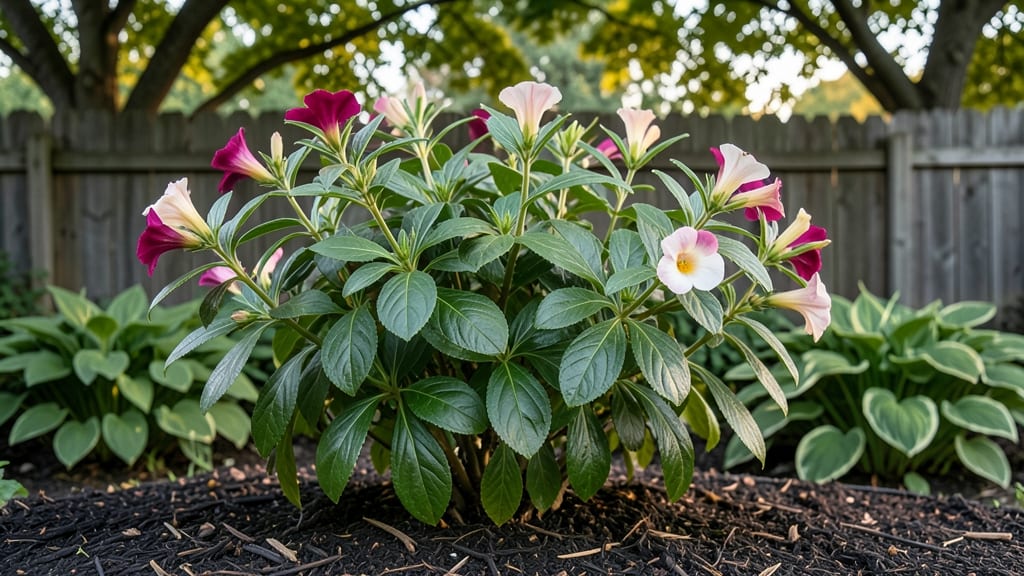
Florida’s shade gardens can bloom just as brilliantly as sunny ones—you just need the right plants. 🌿 I’ve spent years trialing shade-loving flowers in my North Florida yard, and these are the ones that deliver bold color without fading in the heat or humidity.
The secret lies in choosing native species that handle Florida’s wet summers and mild winters without wilting.
Most of these thrive under 6+ hours of dappled light, making them perfect for patios, under oaks, or north-facing beds. My go-to picks include impatiens for summer splashes, caladiums for fall drama, and fuchsias that flower from spring to frost.
They ask for little: consistent moisture, rich soil, and occasional deadheading to keep blooms coming.
What you’ll love is how these plants outperform high-maintenance sun lovers. The impatiens stay lush even when temps hit 90°F, while caladiums turn leaves into living art. Plus, they attract hummingbirds and butterflies that shy away from sun-only gardens.
Start small with a single pot or bed—you’ll be hooked by the first flush of blooms.
These same plants work in Central and South Florida too, though timing shifts slightly. For example, caladiums in the Panhandle need cooler soil to sprout, while Miami gardens can plant them year-round. The key is matching your microclimate—shade isn’t one-size-fits-all, but these flowers adapt beautifully.
📚 In This Guide
- What you need
- Instructions
- Tips and common mistakes
- Wrapping up and next steps
What you need
- ● Shade-tolerant Florida flowers: Pick from these top picks (quantities depend on space): Impatiens (10-20 plants)
- ● Fuchsias (5-10 plants)
- ● Caladiums (8-12 tubers)
- ● Begonias (12-15 plants)
- ● Coleus (6-8 plants, for foliage pops!)
- ● Potting soil: 2-3 bags of well-draining, peat-based mix (avoid heavy clay)
- ● Containers or garden beds: For containers: 5-10 10-12" pots with drainage holes
- ● For in-ground: Prepped partial to full shade areas (6+ hours of shade/day)
- ● Fertilizer: Slow-release balanced 10-10-10 or organic compost (1 cup per plant)
- ● Mulch: 1-2 bags of pine bark or shredded leaves (to retain moisture)
- ● Garden tools: Trowel or small shovel
- ○ Gloves (optional but highly recommended 😉)
- ● Watering can or hose with gentle spray nozzle
- ● Epsom salt (for magnesium boost—mix 1 tbsp per gallon of water monthly)
- ● Decorative rocks or pebbles (for container drainage + aesthetics)
- ● Shade cloth (if your area gets too much indirect light)
- ● Plant markers (to track varieties—trust us, you’ll forget!)
Step-by-Step guide for planting shade-tolerant Florida flowers
Here’s the foolproof approach I use to create vibrant shade gardens in Florida’s humid climate.
🌱 Step 1: Select the Right Shade-Loving Varieties
Florida’s shade gardens thrive with plants that handle dappled light to full shade and tolerate humidity. My go-to shade perennials include impatiens, ferns, caladiums, and begonias—all of which bloom reliably in 40-70% shade. Avoid sun-loving annuals like marigolds or petunias; they’ll wilt within weeks.
For year-round color, pair impatiens (spring to fall) with caladiums (summer to frost) and begonias (spring to early winter). These combinations ensure blooms or foliage interest in every season. Check the USDA Hardiness Zone 9-10 tags on plants—Florida’s mild winters mean you won’t need frost-tolerant varieties.
🪴 Step 2: Prepare the Soil for Moisture and Drainage
Shade gardens in Florida often sit in poorly draining clay or compacted soil, so amending it is critical. Mix 2-3 inches of organic compost into the top 6 inches of soil to improve aeration and water retention. I also add 1 part perlite or coarse sand to every 3 parts soil—this prevents soggy roots while keeping moisture available.
Test your soil’s pH before planting. Most shade flowers prefer slightly acidic to neutral (6.0-7.0). If your soil is heavy clay, consider raised beds or containers filled with peat moss and potting mix for better control. A simple $10 soil test kit from your local garden center will save you from guesswork.
☀️ Step 3: Plant for Layered Texture and Light Requirements
Arrange plants by height and light needs to create depth. Start with tallest plants (6+ feet) like canna lilies or hostas at the back, then add medium-height (2-4 feet) impatiens or ferns in the middle, and finish with low-growing (under 2 feet) caladiums or begonias in front. This ensures no plant gets shaded out by its neighbors.
Dig holes twice as wide as the root ball but only as deep. Gently loosen roots if they’re circling—they’ll spread quickly in Florida’s warm soil. Water each plant deeply after planting to settle the soil and eliminate air pockets. Mulch with 2-3 inches of shredded bark to retain moisture and suppress weeds.
💧 Step 4: Water and Fertilize for Florida’s Humid Climate
Shade plants in Florida need consistent moisture but hate soggy roots. Water deeply 2-3 times per week during dry spells, aiming for 1 inch of water per week. Early morning watering prevents fungal diseases like powdery mildew, which thrives in Florida’s humidity. Use a soaker hose to deliver water slowly at the base.
Fertilize lightly every 6-8 weeks with a balanced, slow-release fertilizer (10-10-10). Over-fertilizing leads to lush foliage but fewer blooms. I skip winter fertilizing—Florida’s mild winters mean most shade plants rest naturally. Watch for yellowing leaves, which often signal overwatering or nutrient burn.
✂️ Step 5: Prune and Maintain for Continuous Blooms
Deadhead spent blooms on impatiens and begonias every 2-3 weeks to encourage new flowers. For caladiums, cut back yellowed leaves in late fall but leave the tubers in the ground—they’ll regrow each spring. Ferns and hostas rarely need pruning, but remove any brown or diseased foliage immediately to prevent spread.
In late summer, apply a 2-inch layer of mulch to insulate roots from heat and retain moisture. This is especially important for container-grown shade plants, which dry out faster. If leaves yellow between veins, it’s likely iron deficiency—sprinkle chelated iron on the soil surface and water it in.
Tips & tricks for perfect shade gardens in Florida
Creating a thriving shade garden in Florida’s unique climate takes a few strategic moves—here’s how to avoid common pitfalls and maximize your garden’s potential.
Soil Amendments: When mixing 2-3 inches of organic compost into the top 6 inches of soil, don’t skimp on the perlite or sand—this is your insurance against Florida’s notorious clay soil. I’ve seen gardens fail because people underestimate how much these amendments improve drainage. For heavy clay, consider adding 1 part coconut coir to the mix for extra moisture retention without compacting the soil. This creates the perfect balance for shade-loving roots.
Layering Strategy: The height arrangement in Step 3 is where many gardeners go wrong. I recommend starting with hostas or canna lilies (6+ feet) at the back, then adding medium-height ferns (2-4 feet) in the middle, and finishing with low-growing caladiums (under 2 feet) in front. This creates visual depth and ensures no plant gets overshadowed. Pro tip: Use a small flag or marker to map out your planting zones before digging—it saves time and prevents mistakes.
Watering Wisdom: The 2-3 times per week watering schedule in Step 4 is your baseline, but timing matters just as much. Early morning watering isn’t just about preventing powdery mildew—it also allows foliage to dry quickly, reducing fungal risks. For container plants, I’ve found that watering at the soil level (not overhead) cuts down on evaporation and keeps roots consistently moist. A drip irrigation system is worth the investment for larger shade gardens.
Fertilizer Timing: The 6-8 week fertilization schedule works, but here’s what nobody tells you—Florida’s heat can accelerate nutrient depletion. If you notice new growth slowing between feedings, consider a liquid seaweed fertilizer as a mid-cycle boost. And remember, winter is the true resting season for most shade plants, so skip fertilizing entirely during those months. Yellowing leaves? It’s usually overwatering or nutrient burn, not a deficiency.
Pro Tips for Shade Flowers Florida
- Creating a thriving shade garden in Florida’s unique climate takes a few strategic moves—here’s how to avoid common p...
- Soil Amendments: When mixing 2-3 inches of organic compost into the top 6 inches of soil, don’t skimp on the perlite ...
- Layering Strategy: The height arrangement in Step 3 is where many gardeners go wrong. I recommend starting with hosta...
Frequently asked questions
Got questions about bringing shade-tolerant blooms to your Florida garden? Here are some of the most common ones—and the answers you need to thrive in Florida’s partial shade!
What are the best shade flowers for Florida’s humid climate?
Florida’s humidity calls for tough, disease-resistant picks. Top performers include impatiens (for vibrant color), caladiums (dramatic foliage), begonias (long blooms), coleus (foliage stars), and fuchsias (elegant trailing blooms). Native firebush and coontie also handle shade + humidity like pros!
When is the best time to plant shade flowers in Florida?
For year-round color, plant spring-bloomers (like impatiens) in late winter/early spring (Feb–March), and fall-winter bloomers (like caladiums) in summer (June–July). Florida’s mild winters mean fewer frost risks—just avoid planting during extreme heat (Aug–Sept) to reduce transplant shock.
How do I keep shade flowers thriving in Florida’s heat?
Mulch heavily with 3–4 inches of organic mulch (pine bark or shredded leaves) to retain moisture. Water deeply 2–3x/week (more in summer) and avoid overhead sprinklers to prevent fungal issues. Prune leggy growth and fertilize lightly with a balanced 10-10-10 or slow-release shade plant food every 6–8 weeks.
Can I grow shade flowers in containers in Florida?
Containers work great for begonias, fuchsias, and coleus. Use well-draining potting mix with added perlite, and choose pots with drainage holes. Move containers to dappled shade (morning sun + afternoon shade) for best results. Rotate pots weekly for even growth, and fertilize every 4–6 weeks with a half-strength liquid feed.
Why are my shade flowers wilting or turning yellow?
Yellowing leaves often signal overwatering or poor drainage. Check soil moisture—it should be evenly damp but not soggy. Yellow edges? Likely nutrient deficiency (try a chelated iron spray). Brown spots? Fungal issues—improve airflow, water at the base, and avoid wetting foliage. If roots are mushy, repot into fresh, well-draining mix.
Wrapping up and next steps
Transforming your Florida garden into a vibrant, sun-free oasis is easier than you think! With the right shade-loving flowers, you can enjoy year-round beauty without the harsh sun. From impatiens to caladiums, these plants thrive in Florida’s climate, offering color, texture, and low-maintenance charm.
Ready to get started? Pick one or two flowers from this guide, gather your supplies, and dive in! Whether you’re a seasoned gardener or a beginner, your shaded space will soon become a lush, inviting retreat. Happy planting! 🌿✨