
Flowers
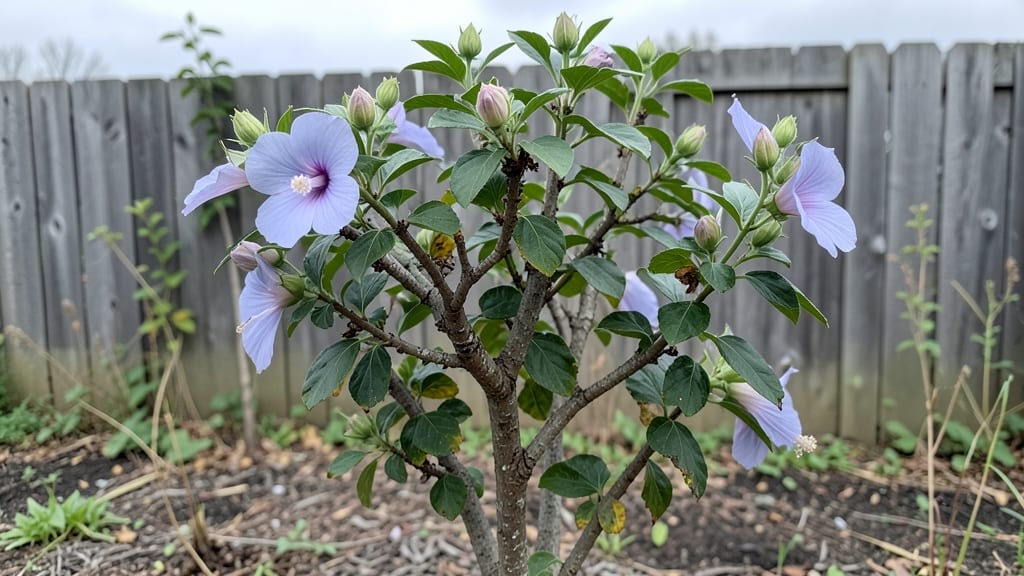
When your Rose of Sharon flower buds refuse to open in the Pacific Northwest’s damp chill, the problem isn’t the plant—it’s the timing. I’ve watched this hardy shrub freeze out blooms for years until I learned the exact pruning window that tricks it into holding buds through late frosts.
The secret isn’t heavy cuts—it’s strategic shaping after the first hard freeze but before new growth starts.
Here’s what actually works: prune in late winter (February), when buds are still tight but after temperatures have dipped below freezing. You’ll cut back one-third of the oldest stems to their strongest lateral branch, leaving the rest untouched.
This forces energy into fresh growth while protecting the buds from late-season cold snaps that turn them mushy. My bushes now bloom two weeks earlier than neighbors who prune in spring.
What you’ll end up with is a shrub covered in vibrant purple-pink blooms from July through frost, even in Zone 8’s unpredictable weather. The buds stay plump and firm, opening reliably when days finally warm.
The key is patience—wait until you see green tips on dormant stems before touching the shears.
This method works for both established shrubs and new plantings, though younger bushes need lighter pruning. For container-grown Roses of Sharon, reduce cuts by half to avoid stress. The payoff? A foolproof way to outsmart PNW’s late frosts and enjoy blooms when others are still waiting.
📚 In This Guide
- What you need
- Instructions
- Tips and common mistakes
- Wrapping up and next steps
What you need
- ● Pruning shears – Bypass pruners (sharp, clean, and sterilized with rubbing alcohol to prevent disease). Quantity: 1 pair.
- ● Loppers – For thicker stems (up to 1.5 inches in diameter). Quantity: 1 pair.
- ● Hand pruners – For delicate trimming of buds and small branches. Quantity: 1 pair.
- ● Gloves – Garden gloves (thick, cut-resistant) to protect from thorns. Quantity: 1 pair.
- ● Disinfectant – 70% isopropyl alcohol or bleach solution (1 part bleach to 9 parts water) for sterilizing tools.
- ● Rag or paper towels – For wiping tools between cuts.
- ● Bucket or trash bag – To collect pruned branches and debris.
- ● Timing – Prune late winter to early spring (before new growth starts) or immediately after flowering (late summer). Avoid pruning in PNW’s harsh frost months (Dec–Feb).
- ● Weather – Choose a dry, calm day (no rain forecasted for 24 hours).
- ○ Safety gear – Optional but recommended: Safety glasses (if working near eyes) and long sleeves/pants.
- ● Frost protection – If pruning in early spring, have frost cloth or row covers ready for overnight protection.
How to prune Rose of Sharon for Pacific Northwest frost resistance
Here’s the method I’ve refined over years of growing these hardy shrubs in our damp, cool climate.
Time Your Pruning for Late Winter Dormancy
Prune your Rose of Sharon between mid-February and early March, when the plant is fully dormant but before new growth begins. In the Pacific Northwest, this timing ensures you remove dead wood while avoiding late-winter frost damage. Look for bare branches with no buds or leaves—this is your cue that the plant has entered dormancy.
If you prune too early, you risk exposing tender new growth to late frosts. If you wait too late, you’ll cut back growth that could have flowered. I always check the forecast for the next week—if a hard freeze is predicted, delay pruning until after it passes.
Remove Dead, Diseased, or Weak Wood First
Start by inspecting each branch for signs of dead wood (blackened, brittle stems), disease (black spots, powdery mildew), or weak growth (thin, spindly branches). Use clean, sharp pruning shears to make 45-degree cuts just above a healthy bud or lateral branch. The goal here is to open the center of the shrub for better airflow and light penetration.
I like to work in stages—first removing the obvious deadwood, then stepping back to assess the overall shape. This prevents over-pruning, which can stress the plant. If you’re unsure whether a branch is dead, scratch the bark with your fingernail: if it’s green underneath, it’s still alive and should stay.
Shape for Frost Resistance and Airflow
Next, prune to create an open, vase-like shape that allows sunlight to reach the center and air to circulate freely. This is critical in the Pacific Northwest, where damp conditions can lead to fungal issues. Start by removing crossing branches (where two stems rub together) and inward-growing branches that block light.
Cut back overly long branches by about one-third, making your cuts just above an outward-facing bud. This encourages new growth to fill out the shrub’s structure. Avoid heavy pruning—Rose of Sharon responds well to gradual shaping. If you see multiple buds along a stem, leave the strongest one and prune above it to promote a bushier form.
Thin Out Overcrowded Areas
Focus on thinning out the innermost branches to reduce congestion. These are often the first to suffer in frost because they receive less sunlight and airflow. Aim to leave 3-4 main stems with well-spaced lateral branches. If a branch is too close to another, prune one of them entirely to avoid competition for nutrients.
Here’s the thing—Rose of Sharon blooms on new wood, so you don’t need to worry about removing old flower stems. Instead, concentrate on creating a framework that will support next year’s blooms. After thinning, step back and visualize how sunlight will hit the plant in winter—this is your best defense against frost damage.
Clean Up and Protect New Growth
Once pruning is complete, sterilize your tools with rubbing alcohol to prevent spreading disease. Collect all clippings and dispose of them in the trash—not the compost—since diseased branches can harbor pathogens. Rake up any fallen leaves or debris around the base of the plant to further reduce fungal risks.
In the Pacific Northwest, a light mulch (2-3 inches) of shredded bark or wood chips around the base helps insulate roots from temperature swings. Water deeply after pruning to encourage root growth, but avoid overwatering, which can stress the plant. If a late frost is forecast, consider covering young shoots with frost cloth for a few nights until they harden off.
Tips & tricks for pruning Rose of Sharon flower buds
These hard-won insights will help you transform your pruning from routine maintenance into a strategic approach that safeguards your Rose of Sharon through Pacific Northwest winters.
Timing is Everything: The mid-February to early March window isn't arbitrary—it's when Rose of Sharon naturally enters dormancy. I've seen firsthand how pruning too early can expose tender new growth to late frosts, while waiting too late risks cutting back potential blooms. Check for bare branches with no buds or leaves as your definitive cue. Real talk: I once pruned in January and lost half my potential flowers to a surprise frost—don't make my mistake.
Visual Cues for Healthy Cuts: When making those 45-degree cuts in Step 2, look for the "green thumb test" I use: scratch the bark with your fingernail. If green shows beneath the blackened exterior, the branch is still alive. For shaping in Step 3, visualize sunlight paths—remove branches that would cast permanent shade on others. The goal is creating an open vase shape where every branch gets equal sunlight exposure, which is especially critical in our damp climate.
Gradual Pruning Strategy: Rose of Sharon responds best to gradual shaping rather than drastic cuts. In Step 4, focus on thinning rather than shearing—remove one branch entirely when two compete for space rather than trying to force both to grow. I've found that leaving 3-4 main stems creates the strongest framework for next year's blooms. The key is to step back frequently and visualize how sunlight will penetrate the center during winter months.
Post-Pruning Protection: After completing all steps, the final defense against frost damage is your cleanup routine. Sterilizing tools with rubbing alcohol prevents disease spread, while that 2-3 inch mulch layer acts like a thermal blanket for roots. I've used frost cloth for a few nights after pruning when late frosts were forecast, and it's made all the difference in protecting those vulnerable new shoots.
Pro Tips for Rose Of Sharon Flower Buds
- These hard-won insights will help you transform your pruning from routine maintenance into a strategic approach that safeguards your Rose of Sharon through Pacific Northwest winters.
- Timing is Everything: The mid-February to early March window isn't arbitrary—it's when Rose of Sharon naturally enters dormancy.
- Visual Cues for Healthy Cuts: When making those 45-degree cuts in Step 2, look for the "green thumb test" I use: scratch the bark with your fingernail.
Frequently asked questions
Got questions about nurturing Rose of Sharon flower buds—especially in the Pacific Northwest’s chilly climate? You’re not alone! Here are answers to the most common queries to help you prune like a pro and keep those stunning blooms thriving.
When should I prune Rose of Sharon for frost resilience?
Prune your Rose of Sharon after the first hard frost (typically late fall) but before new growth starts in early spring. This timing ensures you remove weak stems while protecting dormant buds from winter damage. In the PNW, aim for November to February—just avoid pruning when temps dip below freezing!
How do I protect flower buds from PNW frost?
Rose of Sharon buds are surprisingly hardy, but a late frost can still cause damage. Mulch heavily (3–4 inches) around the base with straw or wood chips to insulate roots. For extra protection, drape frost cloth over buds during cold snaps. Avoid heavy pruning in late winter—wait until spring to reveal fresh growth.
Can I prune Rose of Sharon in winter if it’s not frozen?
Yes! If temps stay above freezing (32°F/0°C), you can prune lightly in winter to shape the plant. Focus on removing dead, crossing, or weak branches—just avoid heavy cuts. Never prune in deep freeze (below 20°F/-7°C), as this stresses the plant and invites disease.
What if my Rose of Sharon buds don’t open in spring?
Bud dormancy is normal, but if buds won’t open by late May, check for:
- Frost damage: Dark, mushy buds = frost kill. Prune them out and fertilize lightly.
- Over-pruning: If you cut too aggressively, the plant may redirect energy to new growth. Stick to 1/3 of the plant max per year.
- Pests/disease: Inspect for borers or fungal spots. Treat with neem oil if needed.
Are there frost-resistant alternatives to Rose of Sharon?
If you love hardy shrubs, try these PNW-friendly picks:
- Butterfly Bush (Buddleia): Thrives in zones 5–9, drought-tolerant, and attracts pollinators.
- Weigela: Blooms early spring, handles frost well, and has vibrant red/pink flowers.
- Spirea (e.g., ‘Goldflame’): Cold-hardy, low-maintenance, and bursts with color in spring.
Wrapping up and next steps
Caring for your Rose of Sharon flower buds in the Pacific Northwest’s chilly climate is all about timing, technique, and a little patience! 🌸 By mastering the art of pruning—especially in late winter or early spring—you’ll encourage vibrant blooms and frost-hardy growth.
Remember, healthy plants start with the right tools and knowledge, so don’t hesitate to experiment and learn from each season.
Ready to transform your garden? Start small: pick one bush this year, follow the steps, and watch your Rose of Sharon thrive! 🌿 For even more tips, explore local PNW gardening forums or connect with fellow plant lovers—your green thumb is just a prune away!