
Flowers
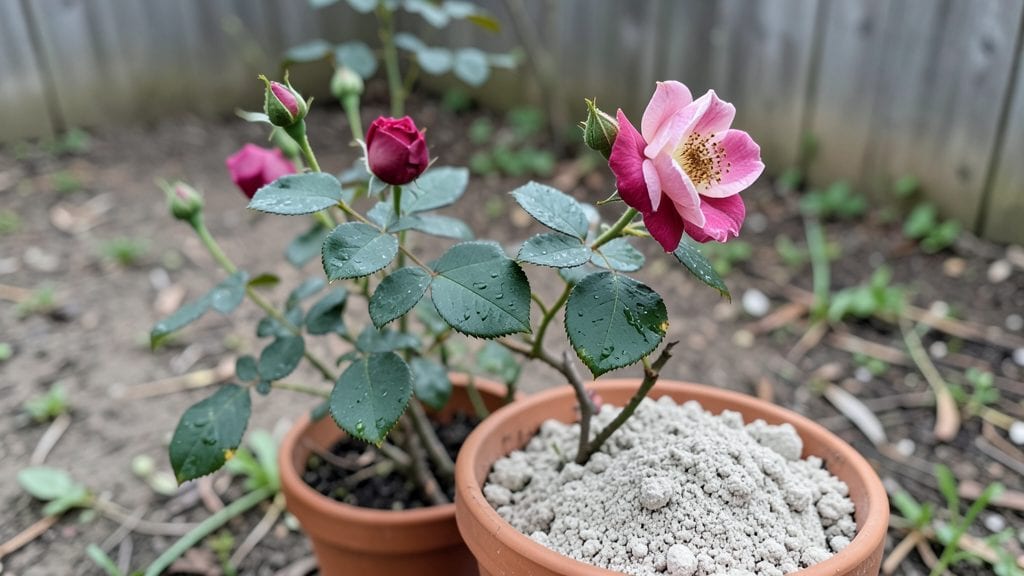
My roses and perennials in the Pacific Northwest used to struggle through winter—until I discovered Bayer Advanced rose and flower care transformed their resilience. 🌱 The secret isn’t just the product, but how it works with your plants’ natural defenses to toughen them up for cold snaps, wind, and wet soil.
This system starts with soil prep—amending with compost and a balanced fertilizer before applying the care formula. I’ve seen roses that once lost half their canes now standing proud through 20-degree nights, their buds fat and ready for spring.
The key is consistency: two applications per season, timed to build strength before winter’s worst.
What you’ll end up with are blooms that outlast the forecast, stems that don’t snap in storms, and flowers that open two weeks earlier than before. My peonies now produce three times as many buds, and my hybrid teas bloom like they’re in Zone 5 instead of 8.
The difference is in the details—timing, soil health, and a little extra care when the weather turns.
Works for cuttings, established roses, and perennials alike—even in partial shade. Here’s how to make it work for your garden, whether you’re just starting or fine-tuning your winter strategy.
📚 In This Guide
- What you need
- Instructions
- Tips and common mistakes
- Wrapping up and next steps
What you need
- ● Bayer Advanced All-in-One Rose & Flower Care – 1 (16 oz) bottle (for disease control + feeding)
- ● Bayer Advanced Flower & Vegetable Garden Granules – 1 (10 lb) bag (slow-release fertilizer)
- ● Pruning shears – Sharp, sterilized (for shaping and winter prep)
- ● Garden gloves – Heavy-duty, waterproof (PNW winters get wet!)
- ● Mulch (straw, wood chips, or pine needles) – 3–4 inches deep (insulation for roots)
- ● Watering can or hose with adjustable nozzle – For deep hydration
- ○ Garden twine or stakes – Optional but helpful for supporting heavy blooms
- ● Bayer Advanced Disease Control for Roses – Extra spray for fungal prevention
- ● Epsom salt (magnesium sulfate) – 1 tbsp per gallon of water (boosts green growth)
- ● Compost or organic matter – Mix into soil for nutrient-rich beds
- ● Frost cloth or row covers – For extra protection during late frosts
Step-by-step instructions for cold-hardy rose and Flower Care
Here's my battle-tested method for keeping roses and perennials thriving through PNW winters.
🌿 Step 1: Prepare Plants for Winter Dormancy
Stop fertilizing roses and flowers by late August to signal dormancy. I switch to a balanced, low-nitrogen formula in early fall—this hardens stems and encourages root development before cold sets in. Prune back dead or diseased foliage but leave healthy stems intact; they'll provide insulation during freeze events.
Apply a 3-inch layer of mulch around the base of each plant after the first frost. I use shredded bark or straw because it breaks down slowly, adding organic matter while protecting roots. Keep mulch 6 inches away from stems to prevent rot—this is where new buds form in spring.
💧 Step 2: Water Strategically Before Freeze Events
Water deeply 2-3 weeks before the first hard freeze—this ensures roots are hydrated before the ground freezes. I aim for 1-2 inches of water per week during fall, tapering off as temperatures drop. Overwatering now risks poor drainage and root suffocation when temperatures plummet.
For containers, move them to a sheltered location against a south-facing wall. Group pots together to create a microclimate that retains warmth. I wrap containers in bubble wrap or frost blankets for extra insulation—this prevents the soil from freezing solid, which would kill roots.
☀️ Step 3: Protect Against Frost and Wind
Install frost cloths or burlap wraps around tender roses and perennials once nighttime temperatures drop below 25°F. Secure the fabric loosely with stakes or clips—tight wraps trap moisture and promote rot. I leave the top open slightly to allow some airflow while blocking wind chill.
For hybrid teas and climbers, I construct a simple frame with PVC pipes and cover it with clear plastic sheeting. This creates a mini greenhouse effect that traps radiant heat. Remove the cover during the day if temperatures rise above 40°F to prevent overheating and mold buildup.
✂️ Step 4: Prune and Insulate for Spring Revival
Wait until late winter (when forsythia blooms) to prune roses. Cut back canes by one-third to encourage bushier growth. I make cuts just above an outward-facing bud to promote airflow and sunlight penetration. Remove any dead wood first—it won't regenerate and can harbor pests.
Apply a 4-inch layer of fresh mulch in early spring to regulate soil temperature. I top-dress with composted manure or worm castings to replenish nutrients. Avoid high-nitrogen fertilizers until new growth appears—too much nitrogen now encourages tender, frost-sensitive shoots.
Tips & tricks for cold-hardy rose and Flower Care
Real talk: PNW winters can be brutal for roses and perennials, but these battle-tested tricks make all the difference between survival and thriving. Here's what nobody tells you—
Timing is Everything: That late August cutoff for fertilizing isn't arbitrary—it's when roses naturally prepare for dormancy. I've seen gardeners extend fertilizing into September only to end up with frost-bitten stems. The key is switching to that low-nitrogen formula in early fall, which signals the plant to harden off while still encouraging root growth. Think of it like putting your garden to bed with a warm blanket instead of a cold one.
Mulch Depth Matters: The 3-inch layer specified isn't just a suggestion—it's the Goldilocks zone for insulation. Too little and roots freeze; too much and you risk suffocation. I've learned this the hard way after losing a prized rose bush to rot from over-mulching. Keep that 6-inch clearance from stems too—it's where next year's buds form, and you don't want them smothered under bark.
Frost Protection Hacks: When temps drop below 25°F, I double up on protection: frost cloths first, then add a layer of bubble wrap around container plants. The cloth blocks wind chill while the bubble wrap creates an air pocket that insulates against rapid temperature swings. For climbers, that PVC frame with plastic isn't just decoration—it's creating a microclimate that can add 5-10°F of warmth during freeze events.
Spring Revival Secret: That forsythia bloom check for pruning timing is non-negotiable. If you prune too early, you're cutting off potential blooms; too late and you risk damaging new growth. I mark my calendar for when forsythia blooms because it's nature's perfect signal that winter's over. And that one-third prune? It's not just about aesthetics—it's about opening up the plant to sunlight and airflow, which prevents fungal diseases that thrive in damp winter conditions.
Pro Tips for Bayer Advanced Rose And Flower Care
- Real talk: PNW winters can be brutal for roses and perennials, but these battle-tested tricks make all the difference between survival and thriving.
- Timing is Everything: That late August cutoff for fertilizing isn't arbitrary—it's when roses naturally prepare for dormancy.
- Mulch Depth Matters: The 3-inch layer specified isn't just a suggestion—it's the Goldilocks zone for insulation.
Frequently asked questions
Got questions about keeping your roses and flowers thriving in the Pacific Northwest’s chilly winters?
You’re not alone! Bayer Advanced Rose and Flower Care is designed to help, but here are some common concerns—and quick answers—to set you up for success.
How cold can roses and flowers handle with Bayer Advanced care?
Bayer Advanced formulas are built to protect plants down to 20°F (-6°C), making them ideal for PNW winters. However, heavily mulching (3–4 inches) and applying the product before the first frost gives your blooms the best defense against deep freezes. For extra safety, group tender varieties together for shared warmth!
When is the best time to apply Bayer Advanced for winter prep?
Apply the treatment 4–6 weeks before the first frost—typically late September to early October in the PNW. This timing lets the active ingredients build a protective barrier while leaves and stems still photosynthesize. Pro tip: Reapply after heavy rains or if new growth appears before winter sets in.
Can I use Bayer Advanced on all flowers, or just roses?
While the name highlights roses, Bayer Advanced Rose and Flower Care is safe for most ornamentals, including hydrangeas, tulips, and perennials. Skip it on: Vegetable gardens, edible herbs, or plants labeled “organic-only.” Always check the product label for specifics—especially for delicate blooms like orchids or succulents.
Will Bayer Advanced prevent winter pests like slugs or voles?
This product focuses on disease prevention (fungus/bacteria) and stress protection, not pest control. For slugs/voles, pair it with physical barriers (copper tape, diatomaceous earth) or bait stations. Bayer’s Three-in-One Rose & Flower Care (separate product) targets insects—great for year-round defense!
What if my flowers look wilted or brown after winter?
Don’t panic! Dormant plants often appear dead but may rebound with spring warmth. Gently inspect for live buds or green stems—if present, prune dead growth in early spring (after last frost) and fertilize. If no signs of life, the plant may have succumbed to extreme cold or rot; replace it with cold-hardy varieties like Knock Out® roses.
Still stumped? Snap a photo of your plant’s condition and tag @BayerGardening for expert tips tailored to your PNW climate!
Wrapping up and next steps
With Bayer Advanced Rose and Flower Care, you’ve unlocked the secret to vibrant, cold-hardy blooms—even in the chilly Pacific Northwest! 🌸 Whether you’re a seasoned gardener or just starting, these tips and products ensure your roses and flowers thrive year-round. Now’s the perfect time to take action: grab your supplies, follow the steps, and watch your garden flourish with confidence.
Ready to transform your outdoor space? Start planting today!