Shrubs
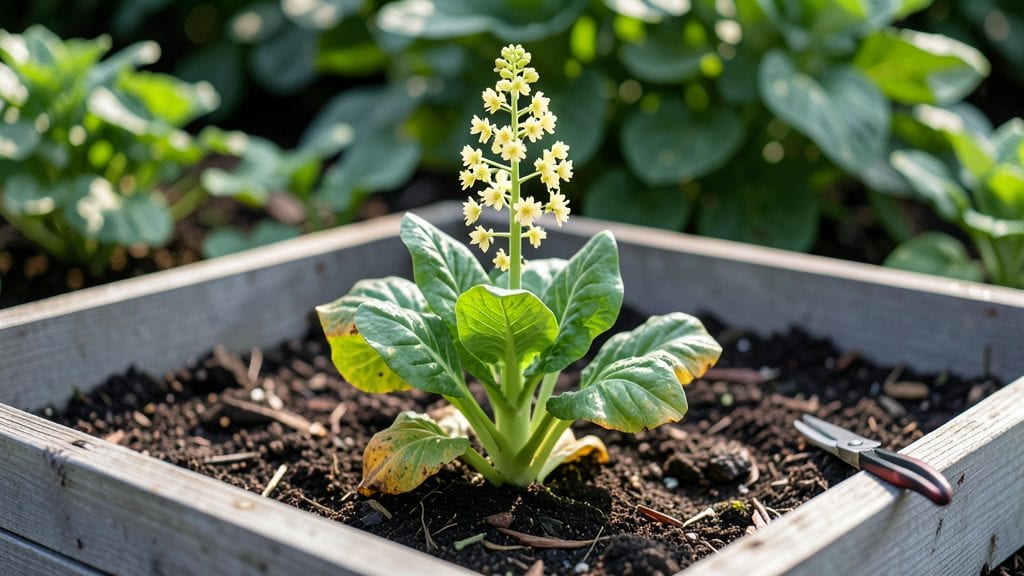
Your bok choy flowering too soon?
That first bitter bolt can turn tender greens into tough stalks before you even harvest. 🌱 I’ve wrestled with this in the Pacific Northwest’s unpredictable climate—where cool springs suddenly shift to hot summers—and learned the exact tricks to keep your bok choy producing sweet, baby leaves all season long.
The real culprits are heat stress, inconsistent watering, and overcrowded plants. When temperatures creep above 75°F, bok choy bolts faster than you can say "spring salad." But with shade cloth, deep watering, and proper spacing, you can delay flowering for weeks—even in summer.
The key is treating bolting as a sign to act, not a lost cause.
Here’s what happens when you prune flower stalks early: you reset the plant’s energy back into leaf production. Harvest baby leaves aggressively, and you’ll get three harvests from one plant instead of one.
The secret? Stay ahead of the heat and never let the soil dry out—drought triggers bolting faster than anything else.
This works for both spring and fall plantings, even in rainy PNW summers. The same principles apply to other Asian greens like tatsoi or pak choi. Let’s get those leaves growing instead of those flowers blooming!
📚 In This Guide
- What you need
- Instructions
- Tips and common mistakes
- Wrapping up and next steps
What you need
- ● Bok choy plants: 4–6 healthy seedlings or transplants (choose baby bok choy or pak choi varieties like ‘Toy Choy’ or ‘Joi Choi’ for best results).
- ● Well-draining potting mix: 10–15 gallons (for containers) or enrich your garden soil with compost (aim for 2–3 inches mixed into the top 6 inches of soil).
- ● Balanced fertilizer: 5–10–10 or organic options like fish emulsion (diluted to half-strength). Use 1 tbsp per plant every 3–4 weeks.
- ● Pruning shears: Sharp, sterilized bypass pruners (avoid dull tools—they crush stems!).
- ● Gloves: Heavy-duty gardening gloves (to protect against thorns or rough stems).
- ○ Shade cloth (optional): 30–50% shade fabric for hot summer days (cover plants if temps exceed 85°F).
- ○ Row covers (optional): Lightweight frost blankets for late fall/winter protection (PNW’s chilly snaps can stress plants).
- ● Drip irrigation or watering can: Consistent moisture is key—aim for 1–1.5 inches of water per week (more in containers).
- ● 💡 Test your soil: Bok choy prefers pH 6.0–7.0. Use a soil test kit to adjust with lime (to raise pH) or sulfur (to lower it).
- ● 🌡️ Monitor temps: Ideal growing range is 55–75°F. Use a thermometer to track microclimates in your garden.
- ● 🎯 Harvest early: If flowering starts, snip bolting stems at the base to redirect energy to leaves. Repeat weekly!
Step-by-step guide to preventing bok choy flowering in the Pacific Northwest
Here's how to keep your bok choy producing tender greens instead of bolting.
🌿 Step 1: Choose the Right Variety for Your Climate
Pacific Northwest growers should select baby bok choy varieties like 'Toy Choy' or 'Shanghai'—these mature faster and tolerate cooler temperatures better than larger types. I've found that spring and fall plantings thrive without bolting, while summer heat triggers flowering. If you're growing in spring, start seeds indoors 6-8 weeks before your last frost date to give plants a head start before temperatures rise.
Here's the thing—bok choy is a cool-season crop. When daytime temperatures consistently exceed 70°F, flowering becomes inevitable. In the PNW, that usually means avoiding summer plantings entirely. Instead, focus on early spring and late summer plantings when temperatures stay below 65-70°F during the day.
✂️ Step 2: Prune Regularly to Encourage Continuous Growth
Harvest the outer leaves first, cutting them at the base with clean scissors. This prevents overcrowding and signals the plant to produce more foliage. I like to harvest every 7-10 days when leaves reach 3-4 inches long—this keeps the plant focused on leaf production rather than flowering.
Watch for small yellowing leaves at the plant's base—this is your first sign the plant is stressed and may bolt. Remove these immediately and increase watering slightly if the soil feels dry 1 inch below the surface. The goal is to keep the plant consistently moist but never soggy, as fluctuations trigger flowering.
☀️ Step 3: Manage Light and Temperature Carefully
Bok choy needs 4-6 hours of sunlight daily but can handle partial shade in hot afternoons. In the PNW, I often use 30% shade cloth during summer months to prevent heat stress. You'll know it's working when leaves stay dark green and crisp rather than turning bitter or developing flower stalks.
If your plants start stretching toward light with pale stems, they're not getting enough light. Move them to a sunnier spot or supplement with a grow light for 12 hours daily. The key is balance—too much light in summer heat causes bolting, while too little leads to weak, leggy growth.
💧 Step 4: Water Consistently Without Overdoing It
Keep the soil evenly moist by watering every 2-3 days in cool weather and daily in summer heat. The best way to check is to stick your finger 1 inch deep—if it feels dry, water thoroughly. I've seen bok choy bolt overnight when soil dries out completely, so consistency is critical.
Here's where it gets tricky: bok choy hates soggy roots. If your containers don't drain well or your garden soil stays wet for more than 24 hours, the plant will stress and bolt. Amend heavy soil with compost** to improve drainage, and avoid watering in the evening when plants can't dry off before nightfall.
Tips & tricks for preventing bok choy flowering
Real talk: Growing bok choy in the PNW takes patience—but these tricks will help you avoid the dreaded bolt. The difference between tender greens and bitter flowers often comes down to these small details.
Variety Selection Matters: The baby bok choy varieties like 'Toy Choy' and 'Shanghai' are your best bet for PNW growing. These mature in just 30-40 days, giving you a quick harvest window before summer heat sets in. I've seen larger varieties bolt within weeks when temperatures creep above 65°F—so stick with the smaller types for consistent results. The faster maturity means you can squeeze in multiple harvests before summer arrives.
Pruning Strategy: When harvesting every 7-10 days as instructed, focus on the outer leaves first—this is crucial. The plant responds by producing new growth rather than sending energy toward flowering. I've noticed that if you wait too long between harvests, the plant gets stressed and starts bolting. Think of it like trimming your hair—regular maintenance keeps things healthy and growing.
Light Management: The 4-6 hours of sunlight mentioned is a sweet spot, but watch for signs of stress. If your bok choy starts stretching toward light with pale stems, it's begging for more—move it to a sunnier spot immediately. That said, don't overdo it in summer. I've had to use 30% shade cloth during peak afternoons to prevent heat stress, which can trigger flowering just as effectively as too little light.
Watering Wisdom: The soil moisture check is your best friend here. That 1 inch deep test tells you everything—if it's dry, water thoroughly. But remember, soggy roots are just as bad as dry ones. I've learned the hard way that letting soil stay wet for more than 24 hours causes stress that leads to bolting. A good rule of thumb is to water in the morning so plants have time to dry off before evening.
Pro Tips for Bok Choy Flowering
- Real talk: Growing bok choy in the PNW takes patience—but these tricks will help you avoid the dreaded bolt.
- Variety Selection Matters: The baby bok choy varieties like 'Toy Choy' and 'Shanghai' are your best bet for PNW growing.
- Pruning Strategy: When harvesting every 7-10 days as instructed, focus on the outer leaves first—this is crucial.
Frequently asked questions
Got questions about bok choy flowering?
You’re not alone! Here are answers to the most common concerns—whether you’re troubleshooting early blooms, extending harvests, or just curious about what’s happening in your garden.
Why is my bok choy flowering so early?
Early flowering (bolting) usually happens due to heat stress, long daylight hours, or maturity. In the Pacific Northwest, late-spring warmth or summer planting can trigger it. Choose baby bok choy varieties (like ‘Toy Choy’) for slower bolting, or opt for shade cloth in hot months. If it’s already flowering, harvest the stalks before seeds form—they’re still edible!
How do I prevent bok choy from flowering too soon?
To delay flowering, focus on cool-season care:
- Plant in early spring or fall (avoid summer heat).
- Use row covers to shield from intense sunlight.
- Harvest outer leaves first to slow maturity.
- Choose slow-bolting varieties like ‘Joi Choi’ or ‘Napa.’
Pro tip: Succession plant every 2–3 weeks for a steady harvest!
Can I still eat bok choy after it flowers?
Yes! Once flowers appear, the young stalks and leaves are still edible (tender and slightly sweet). Avoid bitter seed pods. For best flavor, harvest before buds open. Try stir-frying or adding to soups—just trim the flower stalks and use the rest like you would regular bok choy.
What’s the best way to prune flowering bok choy for regrowth?
Pruning won’t reverse bolting, but you can encourage minor regrowth by:
- Cutting the main stem just above the base (not the roots).
- Leaving 2–3 outer leaves to photosynthesize.
- Watering deeply and fertilizing with compost tea.
Expect smaller, slower regrowth—best for microgreens or garnishes. For full harvests, replace the plant instead.
What are good alternatives to bok choy if it keeps flowering?
If bolting is a recurring issue, try these low-maintenance greens for the PNW:
- Kale (‘Winterbor’): Cold-hardy and slow to bolt.
- Spinach (‘Bloomsdale’): Thrives in cool weather.
- Swiss chard (‘Bright Lights’): Heat-tolerant and cut-and-come-again.
- Arugula (‘Astro’): Peppery flavor, quick harvest.
All are nutrient-dense and easier to manage for beginners!
Wrapping up and next steps
Bok choy flowering in the Pacific Northwest is totally manageable—whether you're dealing with bolt-resistant varieties or guiding unwanted blooms.
The key? Timely pruning, proper spacing, and a little patience to enjoy both tender greens and those delicate white flowers! 🌸 With the right techniques, you’ll keep your plants productive and your harvests thriving year-round.
Ready to put your new skills to work? Start by monitoring your plants weekly and prune with confidence. Soon, you’ll be the PNW gardener every neighbor admires—and your dinner table will thank you! 🥬✨