
Tools
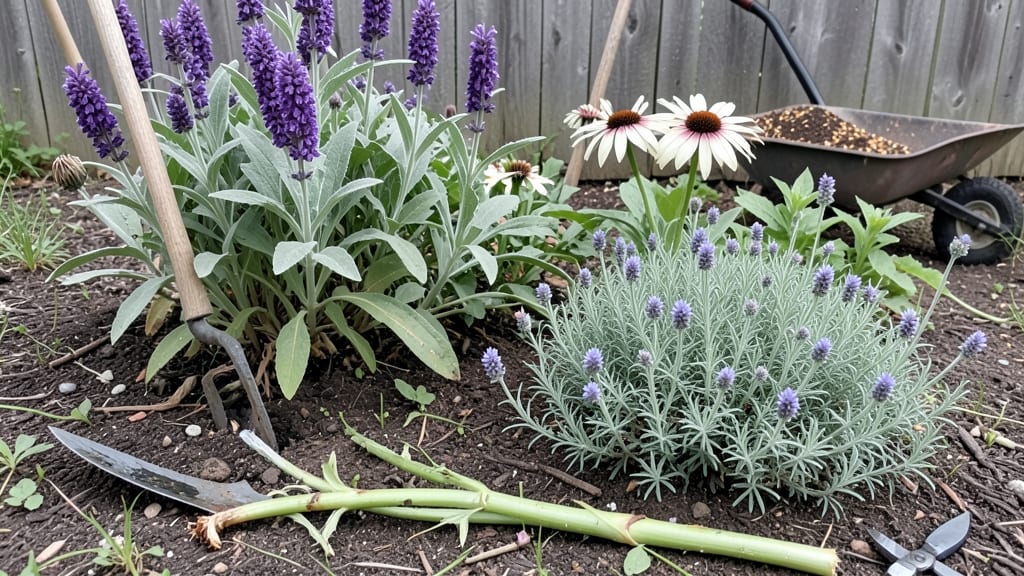
Proper flower garden preparation for Pacific Northwest winters starts with pruning perennials at the right time—cutting back with frost resilience in mind prevents cold damage while encouraging stronger regrowth.
I learned this the hard way when my lavender froze solid after a late prune, but now my garden thrives through the damp, cool seasons.
The key lies in timing: prune early for spring bloomers like daffodils, but wait until late winter for hardy shrubs like camellias, which handle frost better with their natural structure intact.
Start with a thorough site assessment—sunlight patterns change dramatically in the PNW’s cloudy winters, so map your garden’s light exposure before amending soil. Test your soil’s pH and nutrient levels; most Pacific Northwest gardens benefit from compost or aged manure to improve drainage and fertility.
Weeds like oxalis and blackberries thrive in damp conditions, so clear them now before they spread. For beginners, a simple soil test kit and a sharp pair of pruners are your best tools—no fancy equipment needed.
By spring, you’ll see the payoff: perennials like coneflowers and bee balm push through rich, well-drained soil, while shrubs like rhododendrons burst into bloom without frost damage. The pruning blueprint ensures your garden stays vibrant through the region’s unpredictable weather, from icy mornings to sudden heatwaves.
For experienced gardeners, this method refines seasonal timing to maximize bloom cycles and plant health.
Adapt this approach for containers or raised beds by using frost-protective mulch and choosing cold-hardy varieties like hellebores or Siberian bugloss. The same principles apply whether you’re working in a small urban yard or a sprawling rural plot.
With these steps, your flower garden will not only survive the Pacific Northwest’s climate but flourish year after year.
📚 In This Guide
- What you need
- Instructions
- Tips and common mistakes
- Wrapping up and next steps
What you need
- ● Pruning shears: Bypass pruners (sharp, clean, and sterilized with rubbing alcohol). Quantity: 1 pair (or 2 for large gardens).
- ● Hand pruners: For smaller cuts (1/4"–3/8" capacity). Quantity: 1 pair.
- ● Loppers: For thicker branches (up to 2" diameter). Quantity: 1 pair.
- ● Frost cloth: Lightweight (30g/m²) or heavy-duty (50g/m²) for protection. Quantity: Enough to cover vulnerable plants.
- ● Garden gloves: Cut-resistant and waterproof (nitrile-coated recommended). Quantity: 1–2 pairs.
- ● Shovel or spade: For soil prep (round-point or flat-blade). Quantity: 1.
- ● Compost or mulch: Organic (aged compost or cedar mulch for moisture retention). Quantity: 2–3 cubic feet per 100 sq. ft.
- ● Watering can or hose: With a gentle spray nozzle for post-pruning hydration.
- ● Plant labels: Waterproof tags (brass or plastic) for tracking frost-sensitive varieties.
- ● Pruning saw: For stubborn branches (bow or folding saw).
- ● Knee pads: For comfort during extended prep.
- ● Soil thermometer: To monitor frost risk (0–32°F range).
- ● Drip irrigation kit: For automated frost protection.
- ● Plant food: Slow-release fertilizer (balanced NPK 10-10-10) for post-pruning recovery.
Step-by-step instructions for preparing a Pacific Northwest flower garden
Here's how to get your garden ready for cold winters and mild summers—exactly how I've done it for years.
Assess and Clear the Garden Space
Start by removing all dead plants, weeds, and debris from the area. I like to use a sturdy garden fork to loosen the soil around perennial roots—this helps prevent frost damage later. Clear away any diseased foliage and dispose of it in the trash, not the compost bin, to avoid spreading pathogens.
Next, mark the garden boundaries with stakes or spray paint if you're redesigning. This keeps you from accidentally damaging existing plants while digging. I always sketch a rough layout first—it saves time and prevents mistakes when planting.
Test and Amend the Soil
Dig a small hole and examine the soil texture and drainage. In the Pacific Northwest, clay-heavy soil is common, and it can become waterlogged in winter. If your soil feels dense or holds water for more than a few hours after rain, mix in 2-3 inches of compost and a 1-inch layer of coarse sand to improve aeration.
For acid-loving plants like rhododendrons or azaleas, test the pH with a soil kit. If it's below 5.0, add sulfur or peat moss to lower the pH gradually. Most flowers thrive in a neutral 6.0-7.0 range, so adjust accordingly. I like to spread amendments evenly and work them into the top 6 inches of soil.
Prune Frost-Sensitive Plants Strategically
Wait until late winter or early spring to prune most perennials, but remove dead or damaged branches immediately. For frost-sensitive plants like peonies or dahlias, cut back stems to 2 inches above ground level after the first hard frost. This prevents rot and makes it easier to spot new growth in spring.
Shape shrubs like hydrangeas or roses by removing crossing branches and thinning out the center. Always cut at a 45-degree angle just above an outward-facing bud. This encourages fuller growth and better air circulation, which reduces frost damage.
Mulch and Protect Tender Plants
Spread a 3-inch layer of organic mulch around plants after the ground freezes. I prefer shredded bark or straw—it insulates roots and keeps soil temperatures stable. Avoid piling mulch against stems, as this can trap moisture and cause rot.
For extra protection, wrap young trees or shrubs with burlap or frost cloth. Secure it loosely so air can circulate, and remove it in early spring before new growth starts. I also add a layer of evergreen boughs over sensitive perennials like cannas or tender bulbs.
Tips & tricks for perfect Pacific Northwest flower garden prep
Here's what I learned after years of preparing my garden for PNW winters—these little details make all the difference.
Soil Test First: Don't guess about your soil's pH or texture—test it before amending. I've seen gardens fail because someone assumed their soil was neutral when it was actually too acidic. Grab a simple soil test kit from your garden center, and remember that PNW clay soil often needs that extra compost and sand mix to breathe properly. The 2-3 inches of compost and 1-inch sand layer I recommend in Step 2 really pays off when spring comes.
Pruning Precision: That 2-inch cut for frost-sensitive plants isn't arbitrary—it's about finding the sweet spot between protection and new growth. Cut any lower, and you risk rot when winter moisture lingers. Any higher, and you're sacrificing next year's blooms. For shrubs, always look for those outward-facing buds when making your 45-degree cuts—this encourages fuller growth and better air circulation, which is especially important in our damp climate.
Mulch Like a Pro: The 3-inch mulch layer I recommend is perfect for insulation, but placement matters. Keep that mulch 2-3 inches away from plant stems to prevent moisture buildup that can cause rot. I've made this mistake too many times—once, I lost three peony plants because the mulch was piled directly against the crowns. And remember, straw breaks down faster than bark, so if you're using straw, you'll need to replenish it more often.
Winter Protection Hacks: For those extra-tender plants, evergreen boughs work wonders as a temporary windbreak, but don't just pile them randomly. Arrange them to create a barrier that catches falling snow—this adds another layer of insulation. I also like to secure frost cloth with soft ties rather than wire, which can damage young stems when you remove it in spring.
Pro Tips for Flower Garden Preparation
- Here's what I learned after years of preparing my garden for PNW winters—these little details make all the difference.
- Soil Test First: Don't guess about your soil's pH or texture—test it before amending.
- Pruning Precision: That 2-inch cut for frost-sensitive plants isn't arbitrary—it's about finding the sweet spot between protection and new growth.
Frequently asked questions
Got questions about prepping your Pacific Northwest flower garden for frost? Here are answers to common concerns to help you get started confidently.
When is the best time to prune frost-resistant flowers in the PNW?
Prune most frost-resistant flowers—like Hellebores or Camassias—in early to mid-spring (March–April) after the last frost but before new growth sprouts. For late-winter bloomers (e.g., Daffodils), wait until after flowering. Never prune in fall—it can damage tender new growth before winter.
Can I prune flowers if frost is still expected?
If frost is in the forecast, hold off on pruning until temperatures stabilize above freezing for 3–5 days. Pruning stimulates growth, which can be vulnerable to cold. Use the 10-day forecast as a guide—wait for consistent warmth to avoid stressing your plants.
What if my shears are too dull to cut cleanly?
Dull shears crush stems instead of cutting cleanly, which can invite disease. Sharpen blades with a file or honing tool (or replace them if rusted). For a quick fix, use pruning saws for thicker stems. Pro tip: Wipe blades with rubbing alcohol between cuts to prevent bacterial spread!
Are there frost-resistant alternatives to traditional perennials?
Try these PNW-hardy picks:
- Pacific Coast Iris (tolerates 10°F)
- Sword Fern (evergreen, thrives in shade)
- Oregon Grape (drought-tolerant, 0°F resistant)
- Salal (low-maintenance ground cover)
My pruned flowers look sad—did I do it wrong?
Don’t panic! Leggy stems or sparse blooms often mean over-pruning. Focus on removing only dead/diseased growth and 1/3 of the oldest stems per plant. Fertilize lightly post-pruning (use compost or balanced 10-10-10) to encourage recovery. Most plants bounce back in 2–4 weeks.
Wrapping up and next steps
Preparing your flower garden for the Pacific Northwest’s chilly seasons doesn’t have to be overwhelming—just strategic! By following this frost-resistant pruning blueprint, you’ll set the stage for a vibrant, resilient garden that thrives year after year. Your hard work today will reward you with blooms that defy the frost!
Ready to take the next step? Grab your tools, roll up your sleeves, and start pruning! Whether you’re a seasoned gardener or just beginning, every cut brings you closer to a stunning, low-maintenance garden. 🌸 Happy gardening!